 Inked Mythos
Introduction to Wildlife Tattoo Symbolism
Wildlife tattoos have surged in popularity as powerful expressions of personal strength, resilience, and life journeys. These designs draw from nature's creatures to convey deep meanings tied to identity and transformation. Whether you're drawn to the loyalty of a wolf or the vision of an eagle, understanding the symbolism helps create body art that feels authentic and respectful. In today's tattoo culture, animal imagery serves as both a visual statement and a personal narrative, helping individuals mark milestones, honor heritage, or embody qualities they aspire to embody every day.
This comprehensive guide explores the origins of animal motifs across cultures, specific meanings for popular creatures, realistic versus stylized design options, and practical advice for selecting and placing your tattoo. By honoring traditional interpretations, you can craft a design that resonates personally while respecting its roots. Wildlife tattoos often become lifelong companions, evolving in meaning as the wearer grows, making thoughtful planning essential for satisfaction years later.
Origins of Wildlife Motifs in Global Traditions
Animal imagery in tattoos traces back thousands of years, appearing in indigenous practices worldwide. In many societies, wildlife symbols represented spiritual connections, protection, and status. For example, Polynesian tattoos often incorporated sharks and turtles for guidance and longevity, while Native American traditions featured eagles and bears for power and wisdom. These motifs were not merely decorative but served as spiritual armor and identity markers passed down through generations.
Ancient Egyptian art used scarabs and falcons to signify rebirth and divine vision, while Japanese irezumi featured koi fish and tigers for perseverance and courage. In African tribal customs, lions and elephants symbolized leadership and community strength. These motifs evolved through storytelling and ritual, emphasizing harmony with nature. Today, modern tattoo artists blend these ancient inspirations with contemporary techniques. Respectful research into cultural contexts prevents appropriation and ensures meaningful choices. Learn more about historical art influences at The Metropolitan Museum of Art and explore broader natural symbolism at National Geographic.
Understanding these origins adds layers of depth to your tattoo. Many contemporary designs pay homage to these traditions without direct replication, creating hybrid styles that feel both modern and timeless.
Specific Meanings of Popular Wildlife Creatures
The Wolf: Loyalty, Instinct, and Family Bonds
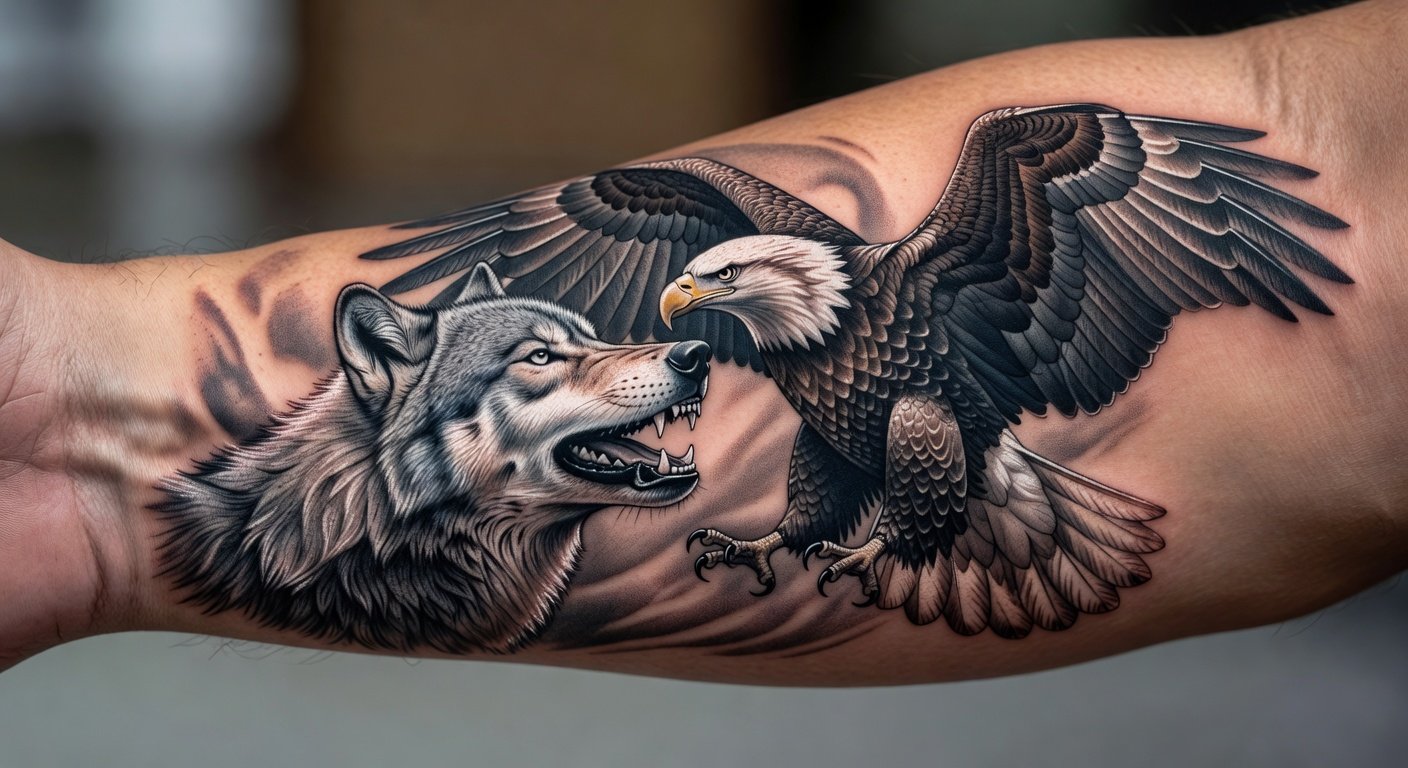
Wolves symbolize fierce loyalty, intuition, and pack mentality. In Norse mythology, they represent strength and guidance, while in Celtic lore they embody protection. A wolf tattoo might reflect a journey through personal challenges or commitment to loved ones. Placement on the forearm or chest often highlights these protective qualities. Many choose howling wolves to represent inner calls to adventure or survival instincts honed through hardship. Realistic fur details can emphasize raw power, while pack scenes illustrate community values.
The Eagle: Freedom, Vision, and Leadership
Eagles signify freedom, sharp vision, and soaring ambition. Revered in many Native traditions as messengers between earth and sky, they inspire those seeking clarity in life transitions. An eagle design can mark milestones like career achievements or overcoming adversity. Spread wings often denote liberation, while perched eagles suggest quiet contemplation before action. Artists frequently incorporate mountain backdrops to enhance the sense of vast perspective.
The Bear: Strength, Introspection, and Healing
Bears represent raw physical power alongside deep introspection and healing abilities. In many indigenous North American cultures, bears are seen as medicine animals guiding emotional recovery. A bear tattoo suits those who value solitude for self-reflection or who have overcome significant health challenges. Standing bears convey readiness, while hibernating poses highlight renewal cycles.
Additional Creatures and Their Symbolism
Owls embody wisdom and mystery, ideal for lifelong learners or night-shift workers. Snakes signify transformation and rebirth due to shedding skin, popular among those navigating major life changes. Deer often represent gentleness and intuition, resonating with individuals focused on compassion and environmental awareness. Each choice allows tailoring to unique personal narratives.
Realistic Versus Stylized Design Comparisons
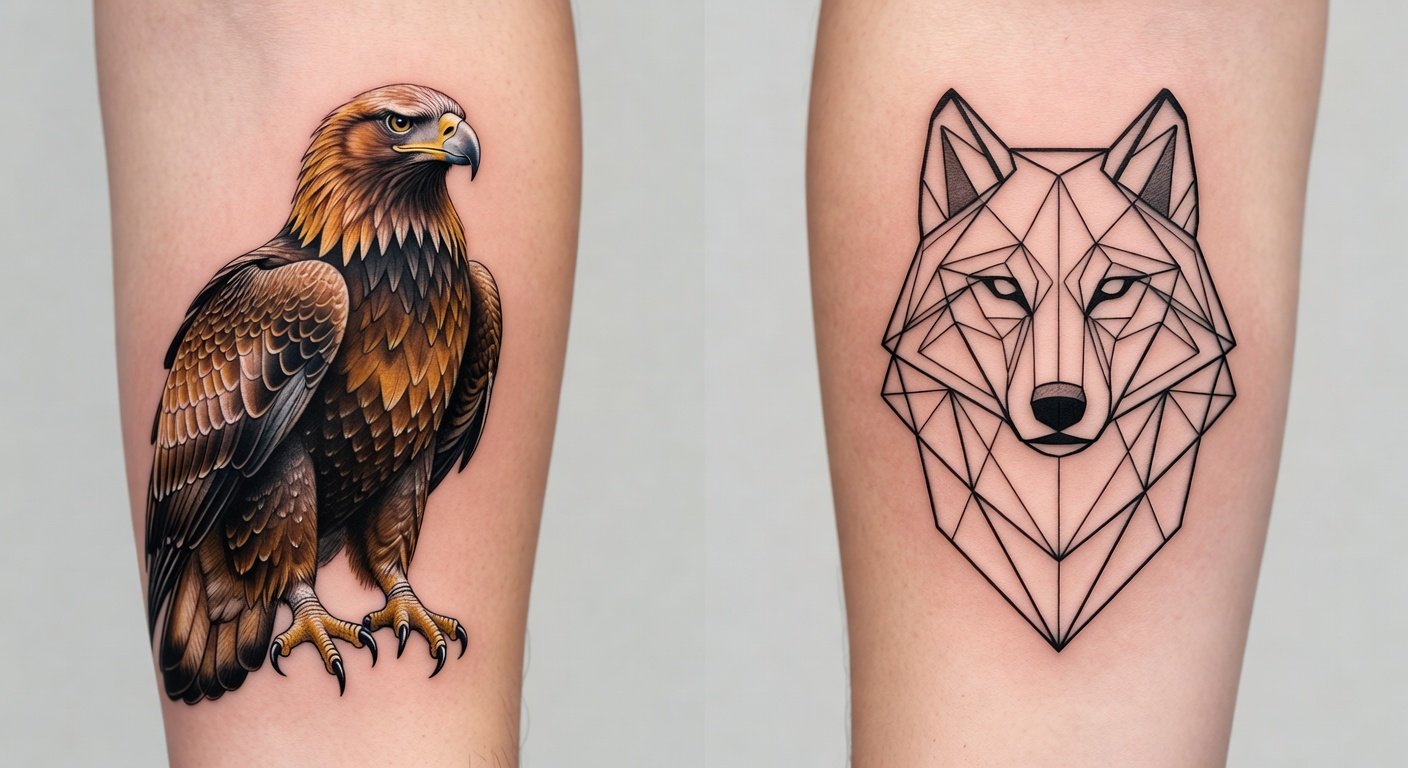
Choosing between realistic and stylized approaches shapes the tattoo's impact. Realistic designs capture intricate details like fur texture or feather patterns, ideal for photorealistic portraits that emphasize natural beauty. They require skilled artists and larger canvas areas for depth, often taking multiple sessions to complete shading and highlights properly. Realistic suits those wanting lifelike representation that captures the animal's essence in motion or at rest.
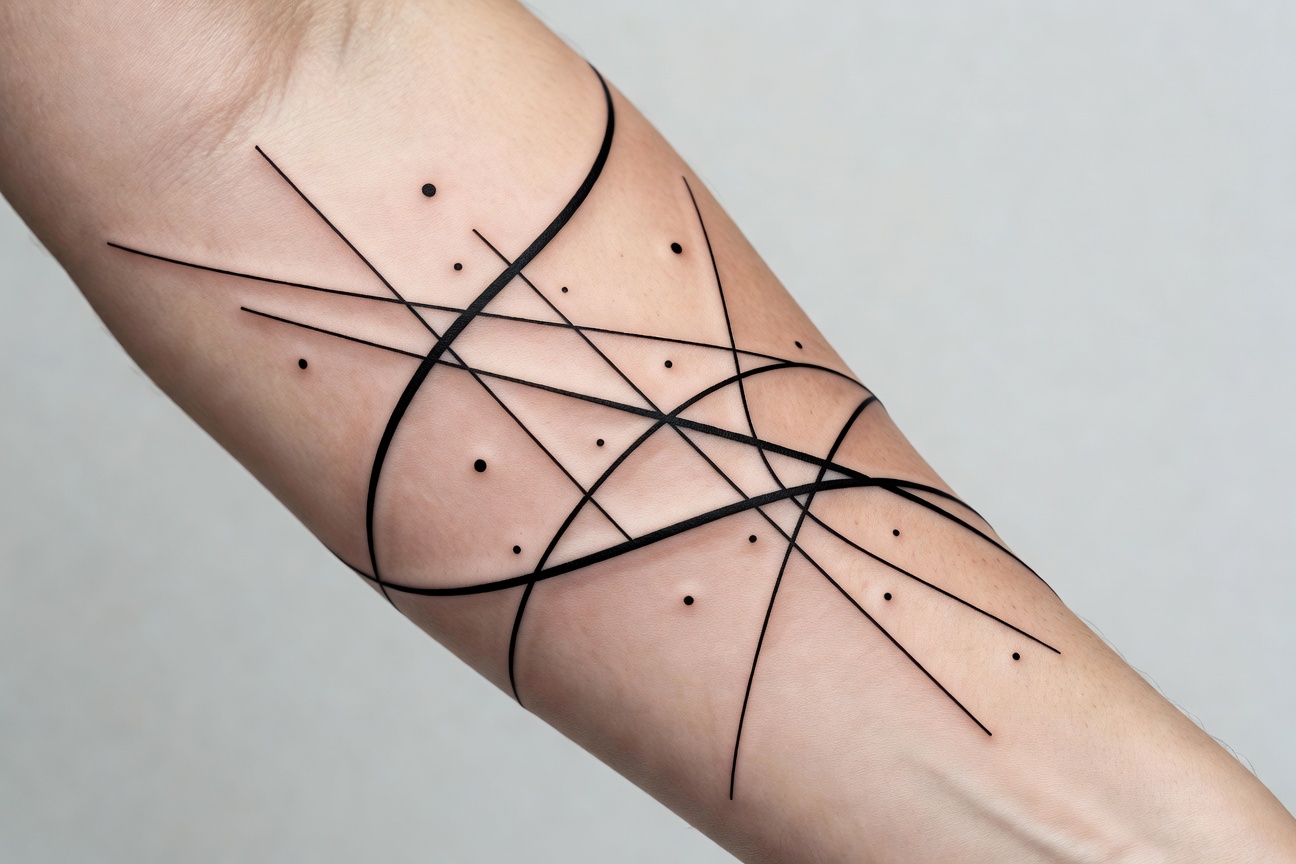
Stylized versions simplify forms into bold lines or geometric shapes, making them versatile for smaller placements and easier healing. They allow creative freedom, such as incorporating tribal patterns or mandala elements around the animal. Realistic tattoos may fade differently over time compared to bold stylized lines, influencing long-term maintenance decisions. Compare portfolios to match your vision and lifestyle.
Placement Examples for Maximum Impact
Placement affects visibility, pain levels, and symbolic resonance. Shoulders and backs provide broad space for expansive wildlife scenes, symbolizing broad life perspectives and allowing for detailed backgrounds like forests or skies. Wrists or ankles work for subtle, personal reminders that remain private or semi-visible. Ribs and sides offer flowing canvases for elongated animals like snakes or running wolves, though they rank among more sensitive areas.
Calves and thighs accommodate larger pieces with movement that animates the design during activity. Forearms are popular for quick visibility and easier cover-up if needed professionally. Consider body movement—eagles on the upper arm can appear to take flight with gestures. Always discuss proportions with your artist to ensure the design flows naturally with your anatomy.
Step-by-Step Guide to Selecting Your Wildlife Tattoo
- Reflect on personal values: List traits like strength or freedom you want to embody and connect them to specific animals.
- Research cultural meanings deeply: Study traditions respectfully through museum visits, books, and community resources to avoid superficial choices.
- Review artist portfolios: Seek specialists in wildlife realism or cultural fusion styles with healed examples.
- Sketch initial concepts: Collaborate on designs balancing realism and style while incorporating personal elements like birth dates or coordinates.
- Consider size and detail level: Larger pieces allow more narrative but require commitment; smaller ones focus on core symbols.
- Evaluate pain tolerance and placement: Sensitive areas may need numbing discussions or shorter sessions.
- Plan aftercare routines: Stock appropriate products and follow protocols to preserve fine details long-term.
- Schedule consultations: Meet artists in person to refine ideas and build rapport before committing.
This thorough process ensures a tattoo that grows with you and maintains its intended meaning.
Common Mistakes to Avoid When Choosing Wildlife Tattoos
Many regret rushing decisions without cultural context or selecting trends over personal significance. Avoid copying celebrity designs exactly, as they lose individuality. Poor placement can distort the image over time due to body changes. Always verify artist experience with animal anatomy to prevent awkward proportions or inaccurate features.
Frequently Asked Questions About Wildlife Tattoo Symbolism
Can I get a wildlife tattoo if I'm not from the originating culture?
Yes, with thorough research and respect. Focus on personal resonance rather than direct copying of sacred designs, and consider consulting cultural advisors when appropriate.
How do I avoid cultural insensitivity?
Study origins via authoritative sources, support indigenous artists where possible, and collaborate with professionals who understand context and history.
Do meanings change over time?
Individual interpretations evolve with life experiences, but core symbolism often remains rooted in tradition while gaining new personal layers.
What about aftercare for detailed wildlife pieces?
Use fragrance-free moisturizers, avoid sun exposure, and attend follow-up sessions for touch-ups to maintain crisp lines and vibrant colors over decades.
Conclusion
Wildlife tattoos offer profound ways to express identity through nature's symbols. By exploring origins, meanings, design options, and practical steps in depth, you create lasting body art that honors both personal journeys and cultural heritage. Take time to research thoroughly and consult experts to ensure your chosen design remains meaningful and beautiful for years to come. Start your journey today with intention and respect.
No comments yet. Be the first!