 Inked Mythos
Introduction to Sacred Geometry in Tattoo Art
Sacred geometry tattoos draw from ancient patterns that represent the fundamental structures of the universe. These designs appeal to individuals seeking tattoos with profound personal and spiritual significance beyond mere aesthetics. The shapes encode connections to creation, balance, and cosmic order, making them popular choices for meaningful ink.
Rooted in philosophical and mystical traditions across cultures, sacred geometry has transitioned from temple art and sacred texts into contemporary body art. Today, seekers explore these symbols for their ties to personal growth, enlightenment, and universal harmony.
Historical and Spiritual Origins of Key Symbols
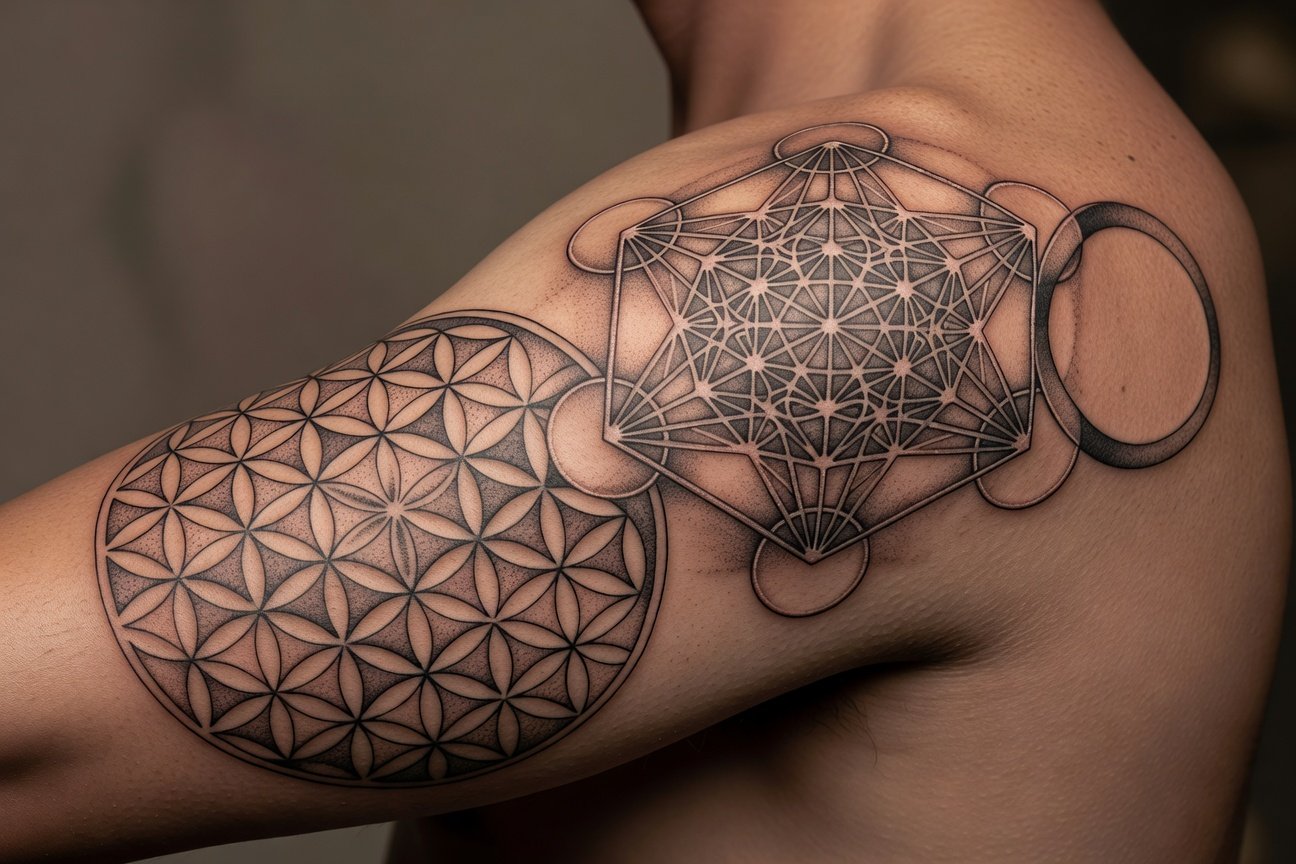
The Flower of Life consists of overlapping circles forming a flower-like pattern. It appears in ancient Egyptian temples and other global sites, symbolizing the interconnectedness of all life. Britannica notes its role in illustrating geometric principles underlying existence.
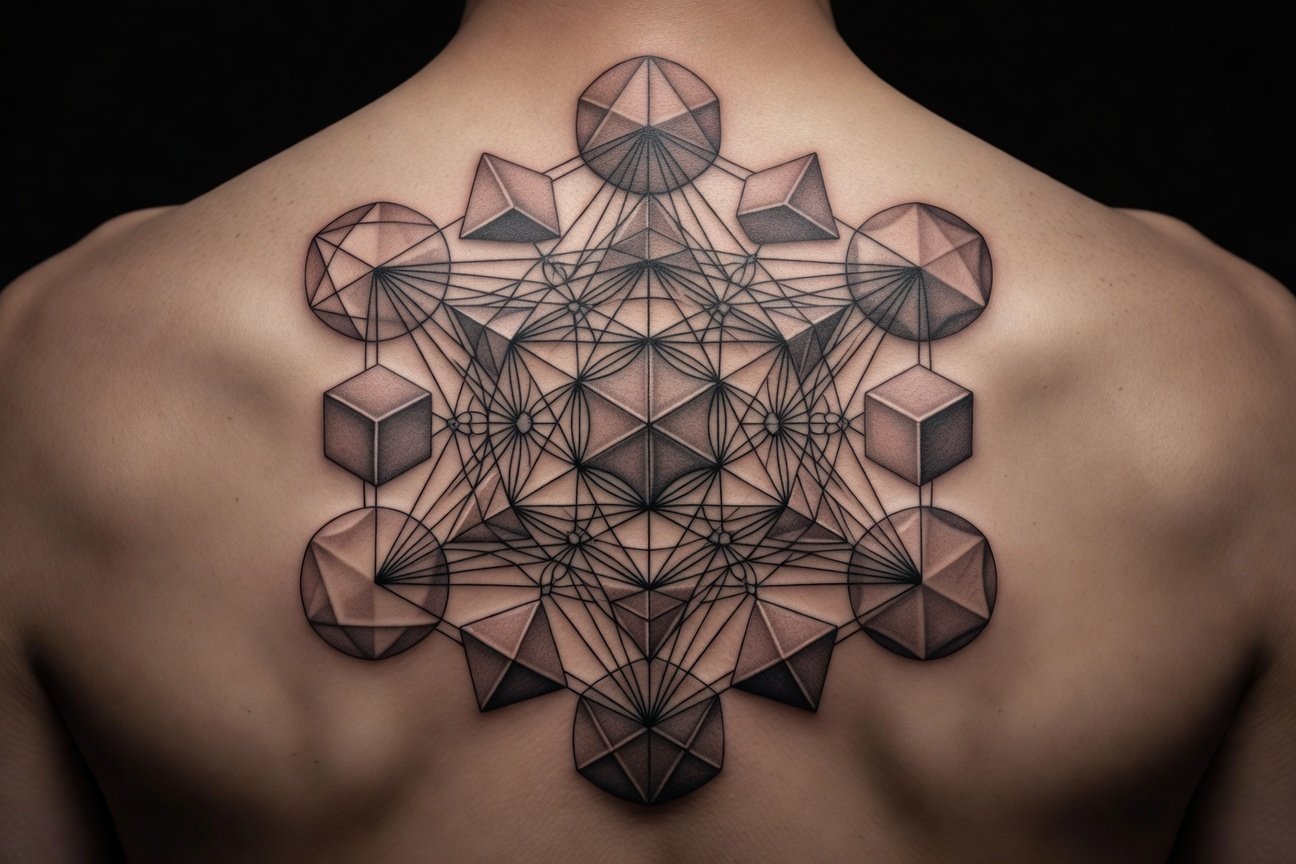
Metatron's Cube extends this concept by incorporating Platonic solids within a complex cube structure. Linked to the archangel Metatron in Jewish mysticism, it represents the flow of energy from divine source into physical form.
The Vesica Piscis, formed by two overlapping circles, embodies duality and creation. It appears in Christian iconography as the almond-shaped mandorla surrounding figures of Christ, signifying the intersection of heaven and earth.
Modern Tattoo Applications and Cultural Interpretations
In contemporary tattooing, these symbols adapt across styles. Minimalist versions use clean lines for subtle elegance, while intricate executions layer details like mandalas or shading for depth. Cultural interpretations vary: Eastern traditions emphasize harmony and balance, whereas Western adopters often focus on personal transformation and cosmic awareness.
These tattoos connect wearers to themes of personal growth by mirroring life's patterns of expansion and unity. They serve as visual reminders of one's place within the larger universe.
Visual Comparisons: Minimalist vs. Intricate Designs
- Minimalist: Simple outlines on wrists or ankles for everyday wear and easy healing.
- Intricate: Detailed shading and fills on larger areas like backs or chests for dramatic impact and storytelling.
Step-by-Step Tips for Selecting Your Sacred Geometry Tattoo
- Research personal resonance with each symbol's meaning.
- Consult artists experienced in geometric precision.
- Consider placement based on body contours and visibility preferences.
- Review portfolios for clean line work and symmetry.
Real Client Case Studies and Placement Ideas
One client chose a small Flower of Life on the forearm to mark a period of spiritual awakening, pairing it with subtle lotus motifs. Another opted for a full Metatron's Cube on the upper back, incorporating planetary elements for a cosmic theme. Placement on ribs or calves works well for private symbolism, while shoulders allow shared viewing.
Pairing Sacred Geometry with Other Motifs
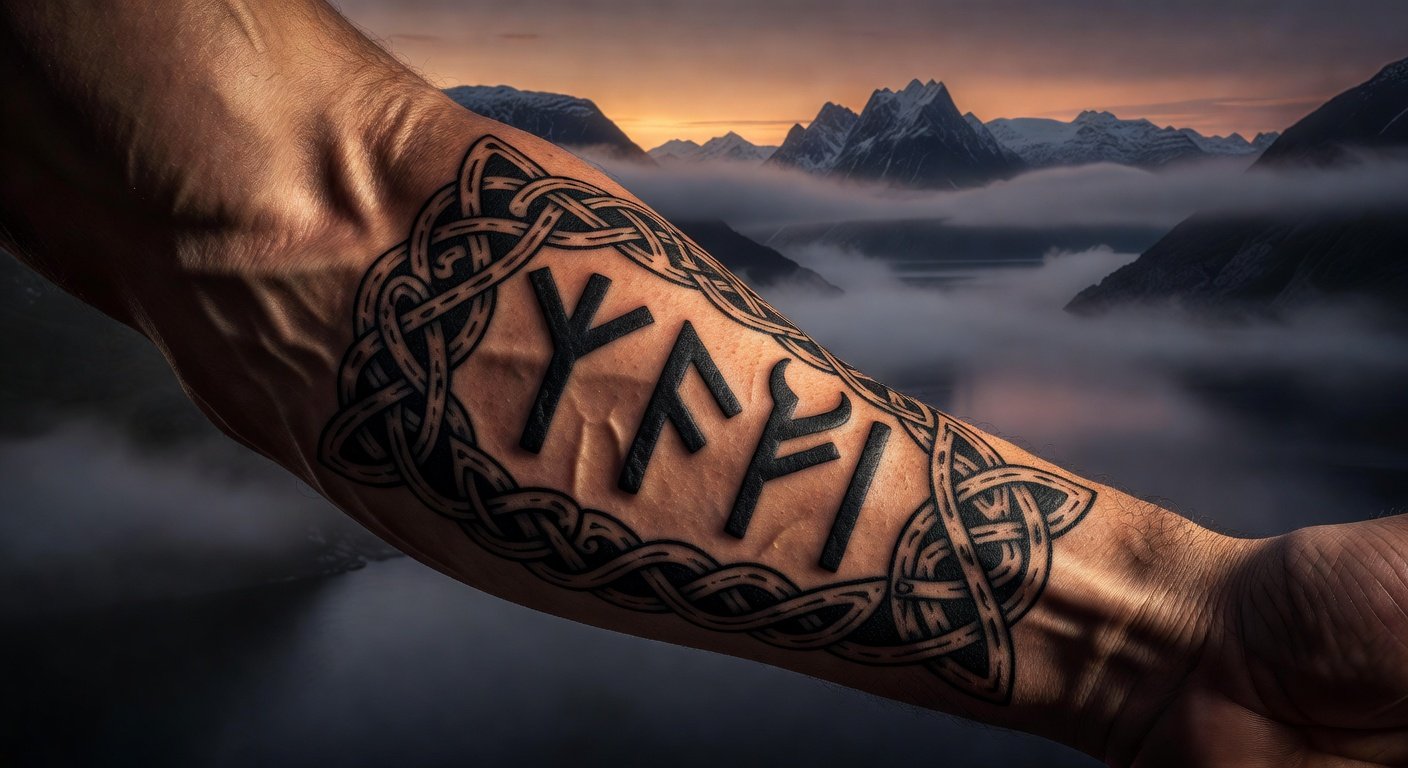
Combine these designs with nature elements like trees or animals to enhance themes of growth. Geometric bases pair effectively with runes or mandalas for layered meaning. Avoid overcrowding to maintain the purity of the core pattern.
Conclusion
Sacred geometry tattoos offer timeless symbolism that bridges ancient wisdom with modern self-expression. By understanding their origins and applications, you can select a design that resonates deeply and endures.
FAQ on Authenticity and Cultural Sensitivity
How do I ensure my tattoo respects cultural origins? Research thoroughly and choose artists who honor the symbols' histories without appropriation.
Are these designs still authentic in modern contexts? Yes, when interpreted with intention and respect for their spiritual roots.
No comments yet. Be the first!