 Inked Mythos
Introduction to Abstract Tattoo Symbolism
Abstract tattoos have gained significant popularity as a form of non-traditional body art that prioritizes personal interpretation over literal representation. Unlike traditional tattoos that depict animals, portraits, or objects with clear meanings, abstract designs use shapes, lines, dots, curves, and negative space to convey complex emotions, life experiences, and philosophical ideas. This approach allows wearers to embed private symbolism that evolves over time, making it particularly appealing for those seeking deeper, more introspective body art. Whether you are a beginner exploring your first tattoo or an enthusiast refining an existing collection, understanding the symbolism behind these elements can transform a simple design into a powerful personal narrative. In this comprehensive guide, we delve into the nuances of abstract tattoo symbolism, offering practical advice, real-world examples, and actionable steps to help you create meaningful designs that resonate for years.
Core Elements: Lines and Their Interpretations
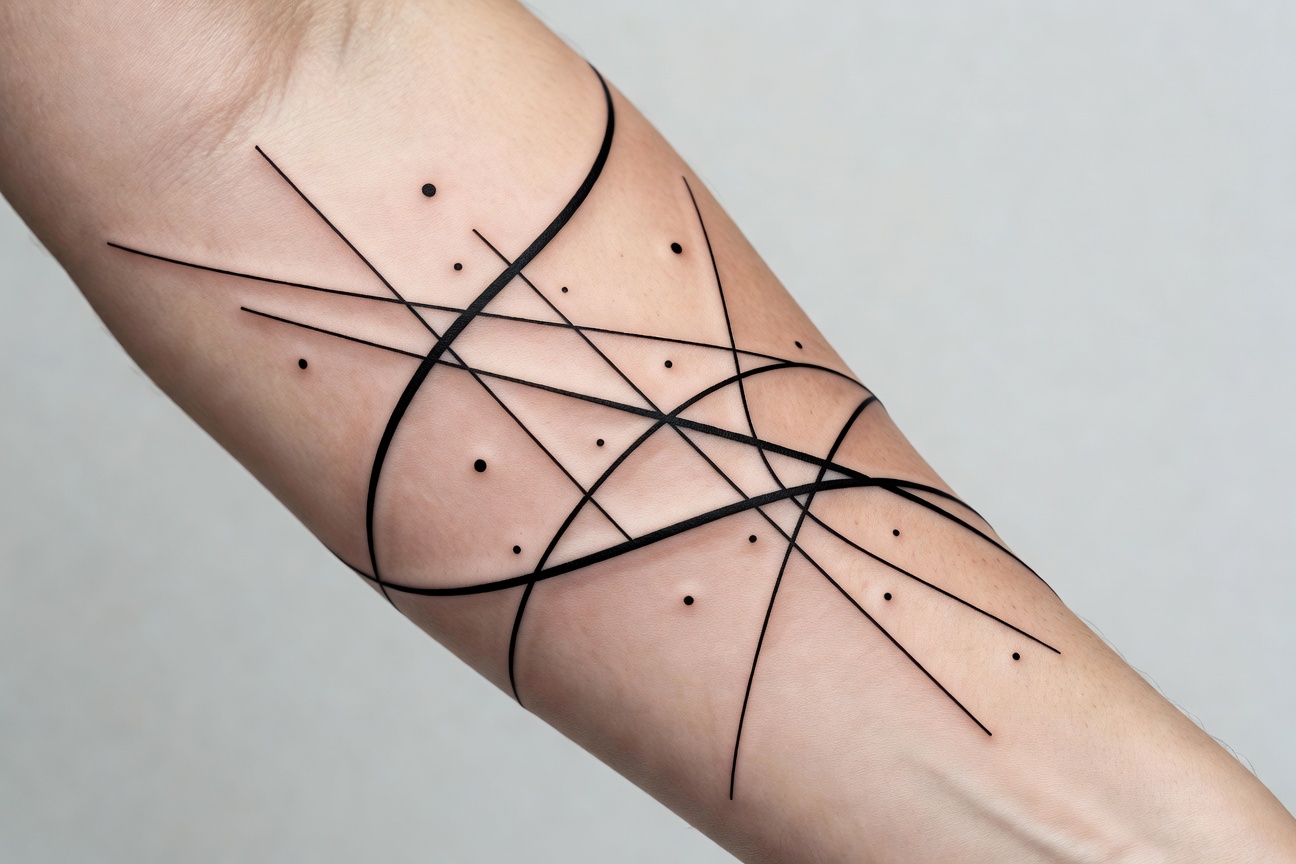
Lines form the foundation of most abstract tattoo designs, serving as versatile tools for expressing direction, emotion, and structure. Straight lines, for instance, often symbolize clarity and order in one's life path. Horizontal lines evoke a sense of peace, grounding, and stability, reminiscent of horizons or resting states. Vertical lines, by contrast, suggest aspiration, strength, and upward momentum, commonly used to represent personal growth or resilience through adversity. Diagonal lines introduce movement and tension, frequently interpreted as transitions, challenges, or dynamic energy shifts. When combined, these lines can create intricate patterns that tell multifaceted stories, such as a series of intersecting diagonals illustrating the crossroads of major life decisions.
Advanced Line Symbolism Techniques
More sophisticated designs incorporate varying line weights and textures. Thick lines might denote bold, defining moments, while thin, delicate lines represent subtle influences or quiet reflections. Dashed or dotted lines can signify interrupted journeys or moments of uncertainty that ultimately lead to resolution. Artists often use line repetition to emphasize themes of continuity or cycles, such as in designs that mimic sound waves or heart rhythms to symbolize emotional endurance.
Dots, Curves, and Negative Space in Abstract Tattoos
Dots act as anchors within abstract compositions, representing singular events, decisions, or focal points in time. A single prominent dot might symbolize a pivotal life moment, while clusters can evoke constellations, communities, or accumulated experiences. In many designs, dots connect via lines to form narratives of linkage and progression. Curves add organic fluidity, often associated with emotions, femininity, natural rhythms like ocean waves or planetary orbits, and the passage of time. Gentle arcs might convey comfort and flow, whereas sharp curves introduce conflict or transformation.
Negative space—the deliberate use of unmarked skin—enhances these elements by creating visual breathing room and implying unspoken aspects of the story. It can represent absence, potential, hidden depths, or the subconscious. For example, a design where lines frame empty areas might symbolize the space between relationships or the unknown future. This technique requires careful planning, as it relies on the body's natural contours to complete the symbolism.
Abstract vs. Figurative Tattoo Symbols: A Detailed Comparison
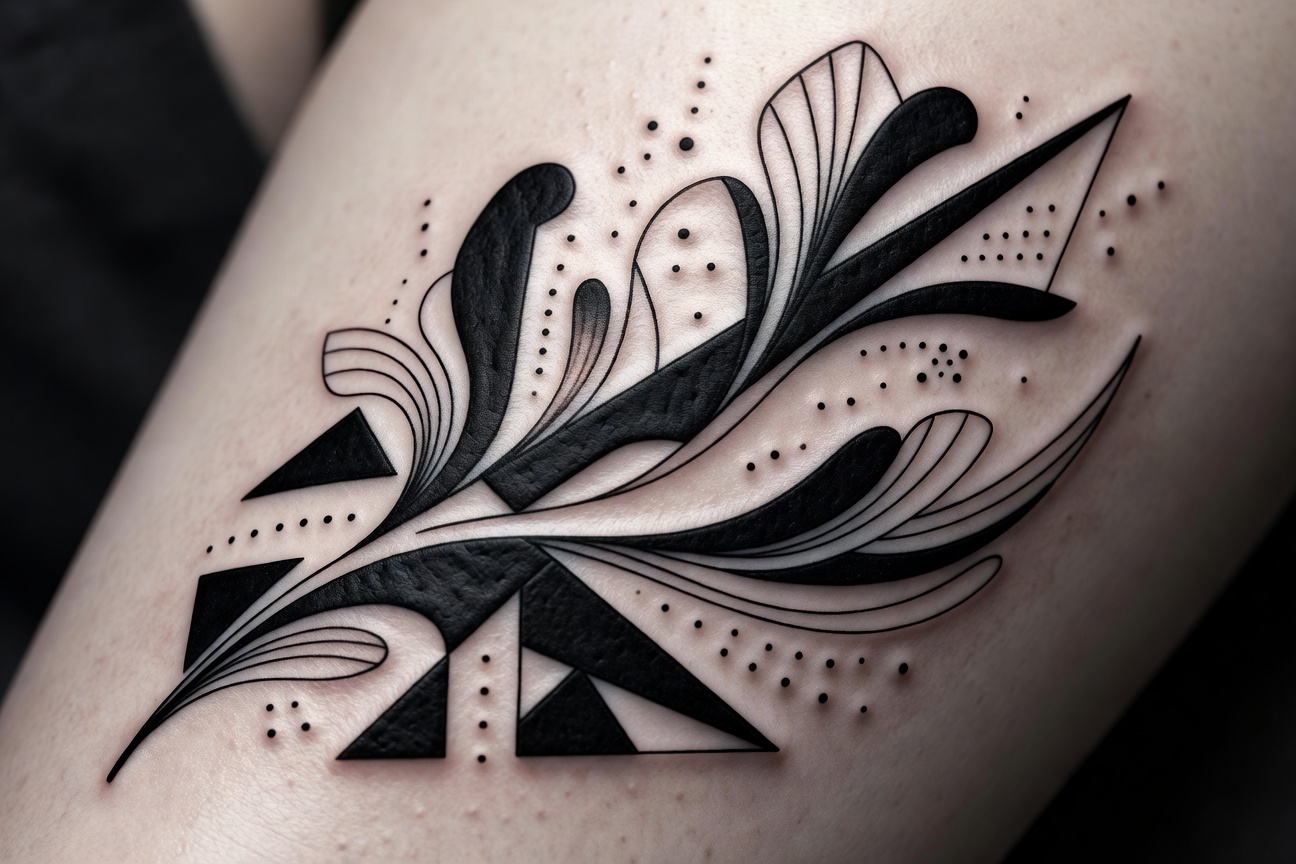
Choosing between abstract and figurative tattoos depends on your desired level of personal privacy and interpretive flexibility. Figurative designs offer immediate visual recognition, such as a lion representing courage, but they leave less room for individual nuance. Abstract tattoos, however, demand active engagement from both the wearer and observers, fostering ongoing reflection. Pros of abstract designs include versatility in placement, timeless appeal, and the ability to layer multiple meanings without overcrowding. Cons may involve initial ambiguity, requiring the wearer to explain the symbolism if desired. In practice, many opt for hybrid approaches where abstract elements subtly enhance figurative ones, blending the best of both worlds for richer storytelling.
Step-by-Step Guide to Building Layered Meanings
Creating a meaningful abstract tattoo involves thoughtful layering of elements. Begin by identifying core personal themes, such as resilience or connection, and match them to basic shapes through research and reflection. Next, experiment with combinations: pair vertical lines with dots to narrate growth from key milestones. Incorporate curves for emotional context and negative space for emphasis on what remains open-ended. Consider scale and flow on the body during the sketching phase. Consult professional artists for refinements, ensuring the design adapts to skin movement and healing. Finally, test concepts with temporary tattoos or digital mockups to confirm long-term satisfaction before inking.
Real Artist Examples and Inspiration Sources
Prominent tattoo artists worldwide demonstrate the power of abstract symbolism. For instance, geometric-focused creators often integrate precise lines and negative space to explore themes of balance and infinity. Others blend freehand curves with scattered dots to represent emotional turbulence and resolution. Reviewing portfolios from studios specializing in minimalism reveals how these elements combine into cohesive narratives, inspiring custom pieces that reflect unique journeys. Seek out artists who prioritize client collaboration to translate personal stories into visual form.
Placement, Sizing, and Practical Considerations
Effective placement maximizes both aesthetic appeal and symbolic impact. Forearms and ribs suit flowing curves due to natural body lines, while shoulders accommodate bold line intersections. Sizing should align with detail level—smaller designs work for subtle dot clusters, whereas larger pieces allow complex negative space interplay. Always factor in pain tolerance, healing times, and lifestyle impacts when selecting locations.
Mistakes to Avoid When Designing Abstract Tattoos
- Overcomplicating early sketches, which can dilute core meanings.
- Ignoring skin texture and movement, leading to distorted lines post-healing.
- Choosing trends over personal resonance, resulting in regret.
- Skipping artist consultations, missing opportunities for technical refinements.
Cultural and Historical Context of Abstract Symbolism
Abstract tattoo elements draw from diverse traditions, including indigenous patterns and modern art movements. Understanding these roots adds depth, as seen in how line work echoes ancient symbolic systems. For further exploration of art history influences, refer to authoritative sources such as The Metropolitan Museum of Art and Britannica.
FAQ: Choosing Your Abstract Tattoo
How do I ensure my design remains meaningful over time?
Prioritize universal shapes tied to your core values rather than fleeting trends. Revisit concepts after reflection periods to validate their enduring appeal.
What body placements work best for abstract tattoos?
Opt for areas with natural movement like wrists or backs to enhance line flow and negative space effects while considering visibility preferences.
Can abstract tattoos incorporate color effectively?
Subtle color accents can heighten emotional layers, but monochrome black ink often preserves the minimalist purity of shapes and lines.
How should I select the right tattoo artist?
Review portfolios for abstract expertise, schedule consultations, and verify hygiene standards to ensure a collaborative and safe experience.
What aftercare tips support long-lasting abstract designs?
Follow standard protocols including moisturizing and sun protection to maintain crisp lines and prevent fading of negative space contrasts.
Conclusion
Mastering abstract tattoo symbolism opens doors to profoundly personal expression through intentional use of shapes and lines. With the insights from this guide—including detailed element breakdowns, comparison frameworks, step-by-step processes, and practical tips—you are equipped to design tattoos that grow with you. Embrace the process of discovery, and your abstract ink will serve as a lasting testament to your unique story.
No comments yet. Be the first!