 Inked Mythos
Introduction to Mythical Creatures in Tattoo Art
Mythical creatures have long served as powerful symbols in body art, representing transformation, strength, protection, and personal rebirth. Tattoos featuring dragons, phoenixes, and unicorns allow individuals to express complex inner narratives through visually striking designs. These symbols draw from ancient mythologies while adapting to contemporary aesthetics, making them enduring favorites among tattoo enthusiasts. In 2026, minimalist mythical ink continues to rise in popularity, offering clean lines and subtle details that convey profound meanings without overwhelming visual complexity.
Understanding the layered symbolism behind these creatures helps ensure your tattoo resonates personally. This guide explores cultural roots, compares global interpretations, examines color impacts, and provides actionable advice for designing and placing your mythical tattoo.
Historical Context of Mythical Creatures
The use of mythical creatures in art dates back thousands of years, appearing in cave paintings, manuscripts, and temple carvings across civilizations. Dragons emerged in both Eastern and Western folklore as embodiments of power and natural forces. The phoenix, symbolizing cyclical renewal, features prominently in ancient Egyptian and Greek texts describing a bird that rises from its ashes. Unicorns, often depicted as horse-like beings with a single horn, trace their origins to Greek and Roman accounts of purity and healing properties.
These historical narratives influence modern tattoo choices, allowing wearers to connect with timeless themes of resilience and growth. For further reading on mythological origins, consult authoritative sources such as Britannica.
Eastern vs Western Depictions
Eastern dragons are typically portrayed as wise, benevolent serpents associated with water, rain, and imperial authority, often elongated and fluid in form. In contrast, Western dragons frequently appear as winged, fire-breathing beasts symbolizing danger or guardianship over hoards. Phoenix depictions also differ: Eastern versions emphasize eternal cycles of life, while Western interpretations focus on individual resurrection and triumph over adversity.
Unicorns in European lore represent innocence and grace, whereas Asian variants sometimes incorporate dragon-like scales or multicolored horns tied to spiritual protection. These distinctions matter when selecting a design, as cultural accuracy can deepen the tattoo's personal significance and avoid misappropriation.
Color Influences on Symbolism
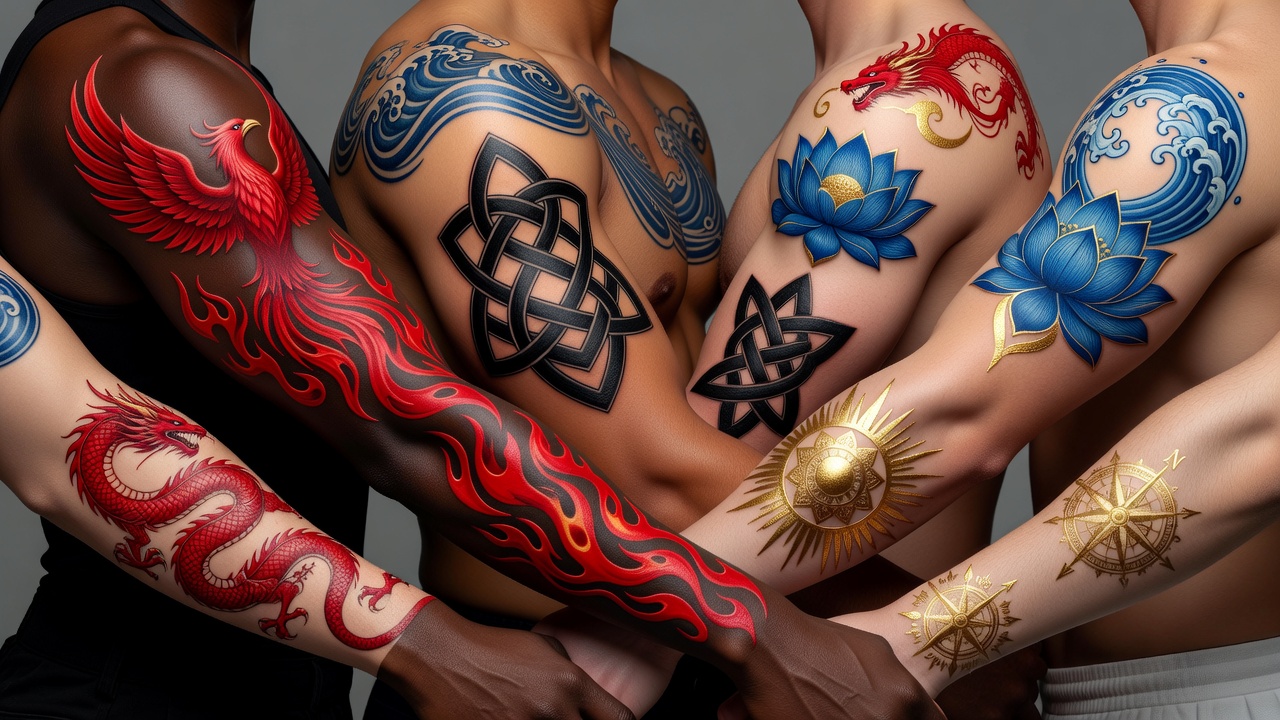
Color choices profoundly shape the meaning of mythical creature tattoos. A red dragon may signify passion, vitality, and courage, whereas a blue dragon suggests tranquility, wisdom, and adaptability to change. Golden or orange phoenixes highlight themes of prosperity and energetic renewal, while black-and-white minimalist versions emphasize inner strength and simplicity.
For unicorns, soft pastels evoke gentleness and healing, while bold metallics convey empowerment and rarity. In 2026 minimalist trends, many opt for monochrome palettes to let form and negative space convey the symbolism more subtly. Always discuss color psychology with your artist to align the palette with your intended message.
5 Example Tattoo Placements with Meanings
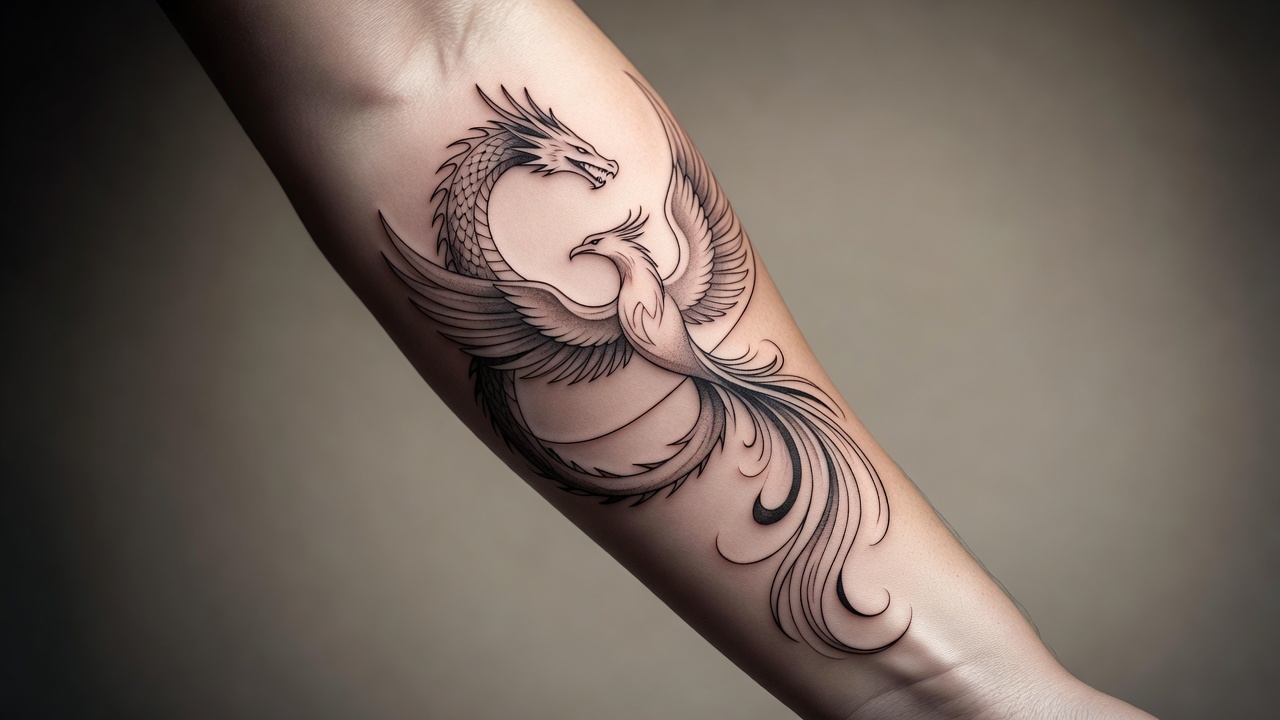
- Forearm: A popular choice for dragons representing constant protection and visibility. This placement allows easy viewing for personal motivation while remaining professional in most settings. The curved surface suits flowing Eastern-style designs.
- Upper back: Ideal for expansive phoenix tattoos symbolizing major life transformations. The broad canvas accommodates detailed wing spreads and fiery details that represent overcoming adversity and emerging stronger.
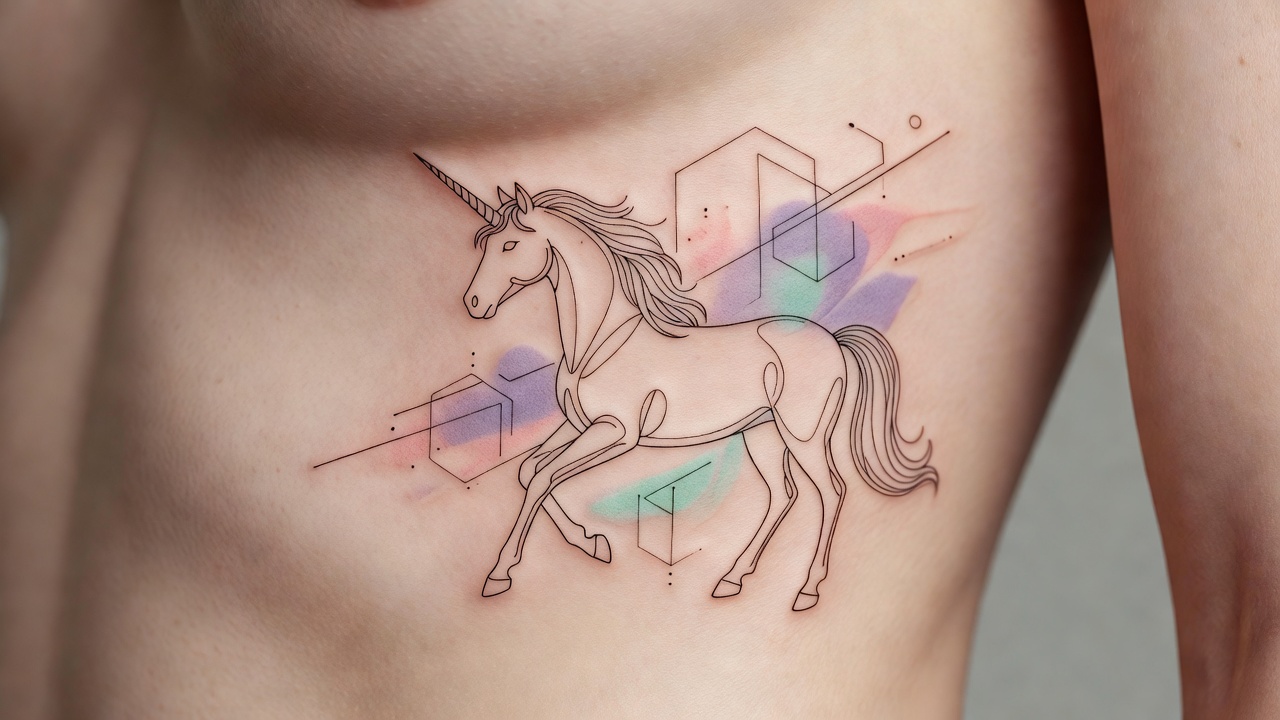
- Ribcage: Offers a private yet meaningful spot for unicorns denoting personal purity or recovery journeys. The area stretches during movement, reminding the wearer of ongoing growth and resilience.
- Calf: Dynamic placement for serpentine Eastern dragons embodying adaptability and grounded wisdom. This location works well for vertical compositions and remains easily concealable.
- Shoulder: Versatile area for hybrid designs combining multiple mythical elements, such as a dragon-phoenix pair. It balances visibility with the option to cover, suiting those exploring themes of balanced power and rebirth.
Step-by-Step Guide to Personalizing a Mythical Design
Begin by reflecting on your core values and life experiences to identify which creature aligns best. Research specific cultural meanings thoroughly to ensure respectful representation. Next, sketch initial concepts incorporating personal elements like meaningful dates, runes, or floral motifs that complement the creature.
Choose a style—realistic, geometric, or minimalist—based on 2026 trends favoring fine lines. Collaborate with an experienced tattoo artist who specializes in mythical themes, sharing reference images and discussing scale. Test placement using temporary tattoos or stencils to visualize daily wear. Finally, plan aftercare routines and schedule follow-up sessions if shading or color requires multiple visits. This methodical approach results in a tattoo that feels uniquely yours.
2026 Trends in Minimalist Mythical Ink
Current trends emphasize fine-line work, negative space, and subtle geometric integrations. Single-line dragons or abstract phoenix silhouettes allow wearers to carry ancient symbolism in a contemporary, understated manner. Many combine mythical elements with botanical accents or celestial maps for added personalization without cluttering the design.
Common Mistakes to Avoid
One frequent error is rushing into a design without understanding cultural context, which can lead to unintended meanings. Another is ignoring skin movement and body contours, resulting in distorted images over time. Overcomplicating minimalist concepts with too many details also dilutes impact. Always prioritize quality artists and proper sizing over speed or cost savings.
Conclusion
Mythical creature tattoos offer rich opportunities for self-expression rooted in centuries of symbolism. By exploring historical contexts, cultural nuances, color meanings, and practical placement options, you can create a design that remains meaningful for years. Embrace 2026 minimalist trends to craft elegant, personal ink that tells your unique story.
FAQ: Combining Mythical Symbols
- Can I combine a dragon and phoenix? Yes, this pairing often represents perfect balance, such as yin and yang or overcoming chaos through renewal.
- What about adding unicorns with other creatures? It works effectively for themes blending protection, innocence, and spiritual guidance when proportions and flow are carefully considered.
- Are there cultural sensitivities? Yes, always research origins and consult cultural references like The Met to honor traditions respectfully.
- How do I maintain minimalist designs over time? Regular moisturizing and sun protection preserve fine lines, while touch-ups every few years keep details sharp.
No comments yet. Be the first!