 Inked Mythos
Understanding Memorial Tattoos as Tools for Healing
Memorial tattoos serve as powerful, permanent reminders of loved ones who have passed. They help individuals process grief by transforming loss into tangible art that celebrates life. These designs often blend personal stories with universal symbols, creating a bridge between memory and ongoing emotional well-being. Many people turn to body art during bereavement because it offers a sense of control and permanence amid uncertainty. Research from mental health experts highlights how ritualistic acts like getting a tattoo can support the grieving process by externalizing internal emotions. The American Psychological Association notes that such rituals can aid in meaning-making after loss.
Beyond simple decoration, memorial tattoos function as daily touchstones. Wearers often report that touching or viewing the tattoo brings moments of calm or connection during difficult days. This practice aligns with therapeutic approaches that encourage creative expression as part of grief work.
The Rose: Symbol of Love, Loss, and Renewal
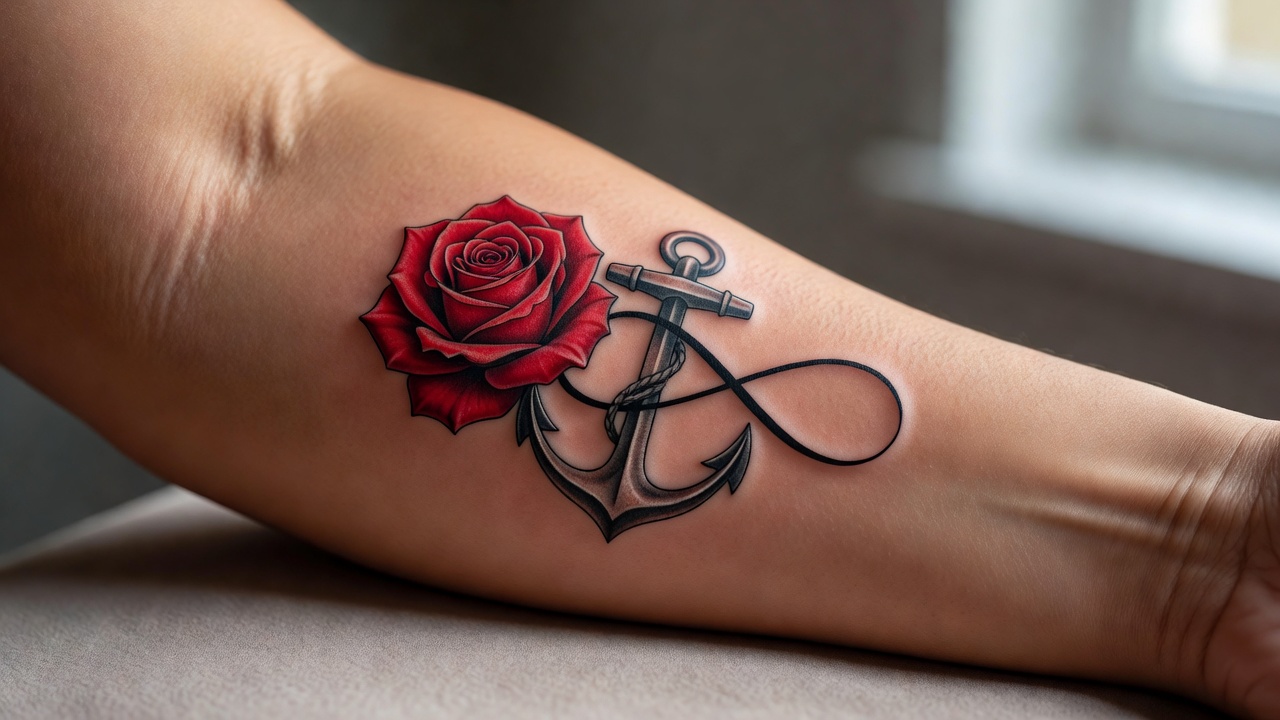
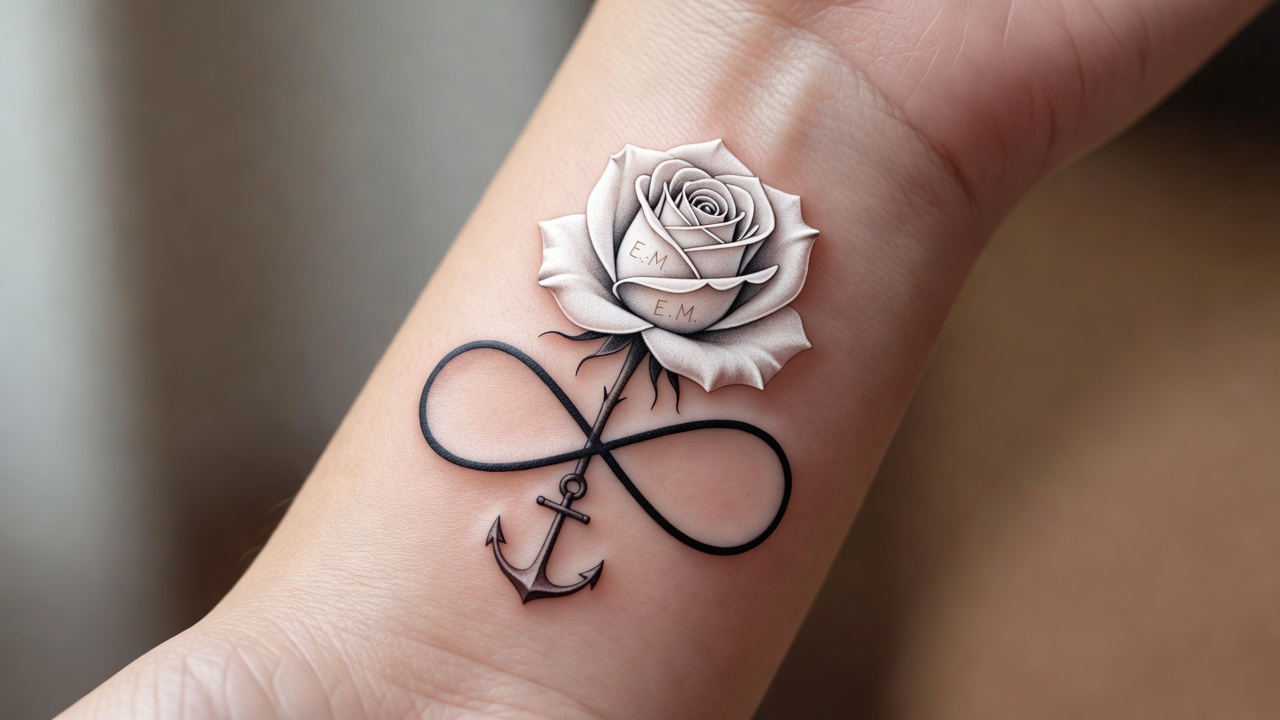
The rose stands as one of the most popular memorial symbols due to its rich layers of meaning. A red rose typically represents deep romantic love or passion for the deceased, while white roses evoke purity, innocence, and reverence. Yellow roses may honor a vibrant personality or friendship. Black or dark shaded roses can signify mourning or the end of a chapter, adding emotional depth.
Real-world examples include a forearm piece where a blooming rose incorporates the birthdate of a grandmother in its petals, or a delicate wrist tattoo featuring a rose with falling petals to signify a life cut short. Another popular variation integrates a rose with a portrait outline or a meaningful quote wrapped around the stem. These personalized touches make the symbol deeply individual and allow the design to evolve visually over time as skin ages.
The Anchor: Stability, Hope, and Unwavering Connection
Anchors symbolize steadfastness and the idea of remaining grounded despite life's storms. In memorial contexts, they often represent the enduring bond between the living and those who have passed, or hope that the memory will hold firm. Variations might include a broken anchor chain to represent a life ended too soon or an anchor emerging from waves to show resilience through hardship.
Designs frequently combine anchors with names, coordinates of meaningful locations, or nautical elements if the loved one had a connection to the sea. One common example is an anchor wrapped in rope spelling out initials, placed on the upper arm for daily visibility and strength. A more elaborate version on the chest might feature an anchor alongside a compass rose pointing toward a birth city or favorite vacation spot, turning the tattoo into a map of shared memories.
The Infinity Symbol: Eternal Love and Timeless Remembrance
The infinity loop conveys endless love that transcends physical presence. It works especially well for parents memorializing children or couples honoring a partner, suggesting that the relationship continues beyond mortality. The simple, clean lines of the infinity symbol make it versatile for combining with other elements without overwhelming the composition.
Personalized versions often weave names, hearts, or small portraits into the loops. A popular approach places the infinity symbol around a fingerprint taken from the deceased, creating a unique, intimate connection. Some individuals add subtle color gradients within the loops to represent different life stages or favorite colors of the person being remembered.
Additional Symbols Commonly Used in Memorial Tattoos
Beyond the core trio of rose, anchor, and infinity, many other symbols carry powerful remembrance meanings. Doves represent peace and the soul's journey, while trees or roots symbolize family lineage and growth continuing after loss. Clocks or hourglasses often mark significant dates, and feathers can signify lightness of spirit or messages from beyond. Choosing multiple symbols allows for layered storytelling within a single piece.
Practical Steps for Selecting Respectful Imagery
Choosing the right symbol begins with reflection. Start by journaling memories and qualities of the person you wish to honor. Consider their hobbies, favorite flowers, or shared inside jokes to infuse authenticity. Next, research cultural meanings to avoid unintended offense. Mayo Clinic resources on grief emphasize the importance of personal rituals that feel authentic rather than performative.
Then, gather reference images and discuss placement options with a professional, focusing on areas that feel private or publicly meaningful. Create a mood board of colors, styles, and sizes. Test temporary versions using henna or marker to live with the placement for a few weeks. Finally, compile a list of must-have elements versus nice-to-have details to guide the artist conversation.
Collaborating with Tattoo Artists on Sensitive Designs
Working with an experienced artist is essential for memorial work. Share your story openly so they can suggest compositions that respect both aesthetics and emotion. Provide photos, quotes, or objects for reference. Request multiple sketches and revisions. Discuss line thickness, shading for depth, and color palettes that evoke the right mood. Sensitive placements like the ribcage or inner wrist require extra care regarding pain tolerance and healing visibility. Artists experienced in memorial pieces often recommend starting with a smaller test element before committing to a larger composition.
Common Mistakes to Avoid When Designing Memorial Tattoos
- Rushing the design process without allowing time for emotional clarity, leading to symbols that no longer resonate months later.
- Overloading the piece with too many elements, which can result in a cluttered appearance that loses visual impact.
- Ignoring skin type and placement specifics, causing premature fading or distortion in high-movement areas.
- Selecting symbols based solely on trends rather than personal connection, diminishing long-term meaning.
- Forgetting to verify spelling of names, dates, or foreign phrases before the session begins.
Emotional Considerations and the Grieving Process
Tattoos can bring comfort but may also surface intense feelings during and after the session. It is wise to wait until the initial shock of loss subsides before committing. Many find that the act of creation itself becomes therapeutic. Support networks, including grief counselors, often recommend combining tattoo rituals with ongoing therapy. This holistic approach helps integrate the memorial into a healthy grieving journey rather than using it as the sole coping mechanism. Some individuals schedule follow-up sessions with their artist for touch-ups years later, turning the tattoo into an evolving tribute.
Cultural Nuances in Remembrance Tattoos
Different cultures attach varied significance to symbols and body modification. For instance, some traditions view tattoos as sacred rites, while others prefer subtle, hidden designs. Always research heritage-specific meanings and consider consulting elders or cultural experts when incorporating elements from non-native backgrounds. Respectful practice includes avoiding appropriation of sacred imagery without understanding its full context. This ensures the tattoo honors both the individual and broader traditions.
Aftercare and Long-Term Symbolism Preservation
Proper aftercare directly impacts how well the tattoo maintains its visual and emotional power. Follow your artist's instructions on moisturizing, sun protection, and avoiding certain activities during healing. Over time, gentle touch-ups can refresh colors and lines, keeping the memorial looking vibrant. Many wearers develop personal rituals around caring for the tattoo, such as applying lotion while reflecting on memories, which reinforces its healing role.
Short FAQ on Timing, Aftercare, and Symbolism
- When is the right time to get a memorial tattoo? Many wait at least six to twelve months to ensure the design reflects lasting sentiment rather than immediate grief.
- How does aftercare relate to symbolism? Proper healing preserves the tattoo's integrity, maintaining its role as a lasting tribute; follow artist instructions closely for best results.
- Can symbols be combined? Yes, blending elements like a rose within an anchor often creates richer, more personal narratives.
- What if my feelings about the design change? Memorial tattoos are deeply personal; many people view evolving emotions as part of the healing journey and may choose cover-ups or additions later.
- Are there size or placement recommendations? Smaller, private placements suit those seeking quiet remembrance, while larger visible pieces can serve as conversation starters and public declarations of love.
Memorial tattoos ultimately offer a private yet visible way to carry love forward. By thoughtfully selecting symbols and working with skilled artists, individuals create enduring art that supports both remembrance and healing.
No comments yet. Be the first!