 Inked Mythos
Introduction to Irezumi in Global Tattoo History
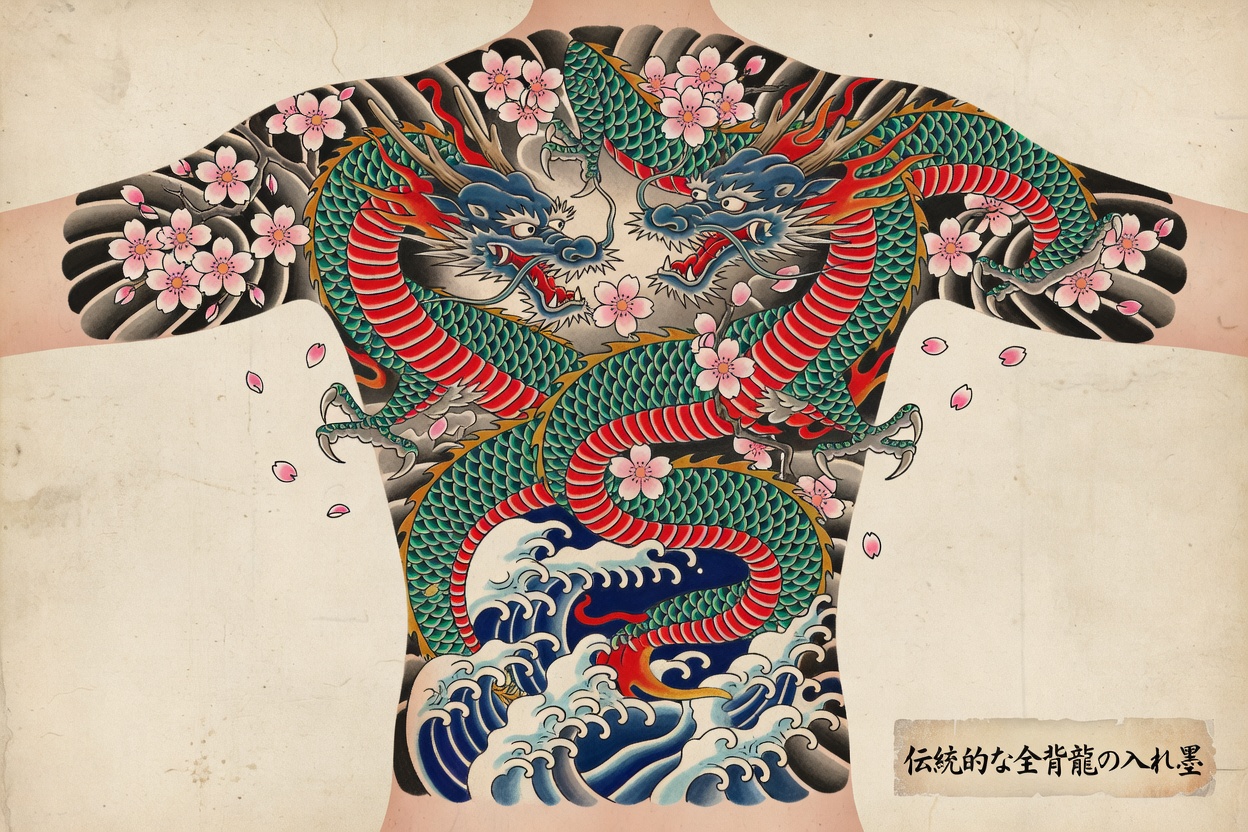
Irezumi, the traditional Japanese form of tattooing, represents one of the most enduring and culturally significant practices in the worldwide history of body art. Far from modern decorative trends, irezumi carries deep roots tied to spirituality, social status, and identity. This article traces its evolution from ancient times through key historical periods, compares regional influences, and explores how these techniques persist today. Readers interested in authentic practices will find detailed archival examples from Japan, insights drawn from historical scholarship, and practical guidance on verifying cultural authenticity. Understanding irezumi requires examining its role within broader tattoo traditions that span continents and millennia, revealing how body modification has served as a universal language of expression, resistance, and belonging.
Ancient Origins of Irezumi and Early Tattoo Practices
The earliest evidence of tattooing in Japan dates back to the Jomon period (approximately 14,000–300 BCE), where body markings served ritualistic and tribal purposes. Archaeological finds, including clay figurines with incised patterns, suggest tattoos denoted status or offered protection against evil spirits. These markings often appeared on the face and arms, using simple puncturing methods with sharpened bones or thorns dipped in soot-based inks. By the Yayoi period, influences from continental Asia introduced more structured designs linked to agriculture and shamanism, incorporating motifs such as animals and geometric shapes that symbolized fertility and harvest cycles.
These origins align with global patterns where tattoos marked rites of passage across Polynesia, Egypt, and indigenous Americas. Irezumi distinguished itself through its emphasis on full-body coverage and symbolic motifs like dragons, koi fish, and peonies, each carrying layered meanings of strength, perseverance, and beauty. Historians note that early Japanese tattoos also functioned as punitive markers for criminals, a practice that later transformed into voluntary expressions of personal narrative. This evolution highlights how irezumi absorbed external ideas while retaining a distinctly insular aesthetic rooted in Shinto and Buddhist iconography.
Key Historical Milestones in Japanese Tattoo Traditions
During the Edo period (1603–1868), irezumi flourished among laborers, firefighters, and merchants despite official bans by the Tokugawa shogunate. Outlaws and commoners adopted elaborate sleeves and back pieces as symbols of resistance and identity. Archival woodblock prints from artists like Utagawa Kuniyoshi document these designs vividly, showing full-body suits that told stories from folklore. The Meiji Restoration in 1868 brought Western influences and a temporary prohibition on tattoos to project modernity to the world. Yet underground practices endured, with families passing down secret techniques through generations.
Post-World War II, irezumi experienced revival through masters who preserved hand-poking methods known as tebori. Interviews with cultural historians, such as those referenced in museum archives, highlight how these milestones reflect broader societal shifts while maintaining core techniques passed through apprenticeships. The 20th century saw further adaptation as some practitioners began incorporating electric tools while others insisted on traditional hand methods to honor lineage. By the late 20th century, international interest grew, leading to exhibitions that showcased irezumi as fine art rather than mere decoration.
Regional Influences and Comparisons in Cultural Tattooing
Irezumi shares parallels with other cultural tattoo traditions yet diverges in execution and symbolism. For instance, Polynesian tattoos emphasize geometric patterns and genealogy, often using tools made from bone or shell, contrasting irezumi's focus on narrative scenes filled with vibrant colors. Maori ta moko prioritizes facial markings for identity, while Japanese irezumi covers larger body areas with flowing, colorful imagery that wraps around limbs and torso in continuous compositions.
In Southeast Asia, Thai sak yant tattoos blend spiritual blessings with geometric forms, differing from irezumi's secular and criminal associations in certain eras. Native American tattoo practices often featured clan symbols on the face or chest, providing another point of contrast with irezumi's emphasis on large-scale back pieces. These comparisons underscore how irezumi evolved uniquely within Japan's insular history while contributing to global tattoo dialogues. Practitioners today frequently study these regional differences to appreciate the distinct philosophical underpinnings of each tradition.
Techniques and Tools: The Persistence of Traditional Methods
Central to irezumi's authenticity is the tebori technique, which involves manually inserting ink using a bundle of needles attached to a wooden handle. This method allows for deeper saturation and unique texture compared to modern machines. Archival records show that inks were traditionally made from natural sources like pine soot and plant extracts, creating colors that age gracefully over decades. Many historians emphasize that learning tebori requires years of apprenticeship under a master, ensuring techniques remain unchanged across generations.
Examples from preserved artifacts include stencils used to outline designs before tattooing begins, a practice that ensures precision in complex compositions. While some contemporary artists blend traditional and modern approaches, purists argue that only hand methods capture the spirit of historical irezumi. This dedication to craft has helped the tradition survive despite periods of legal suppression and social stigma.
Archival Examples from Japan and Preservation Efforts
Prominent archives include collections at institutions preserving Edo-era stencils and tools. Notable examples feature full-body suits depicting heroic legends from the Suikoden, a Chinese novel adapted in Japanese art. Historians note the meticulous layering of colors using natural pigments derived from minerals and plants. These pieces often required multiple sessions over months or years, resulting in living artworks that evolve with the wearer's body.
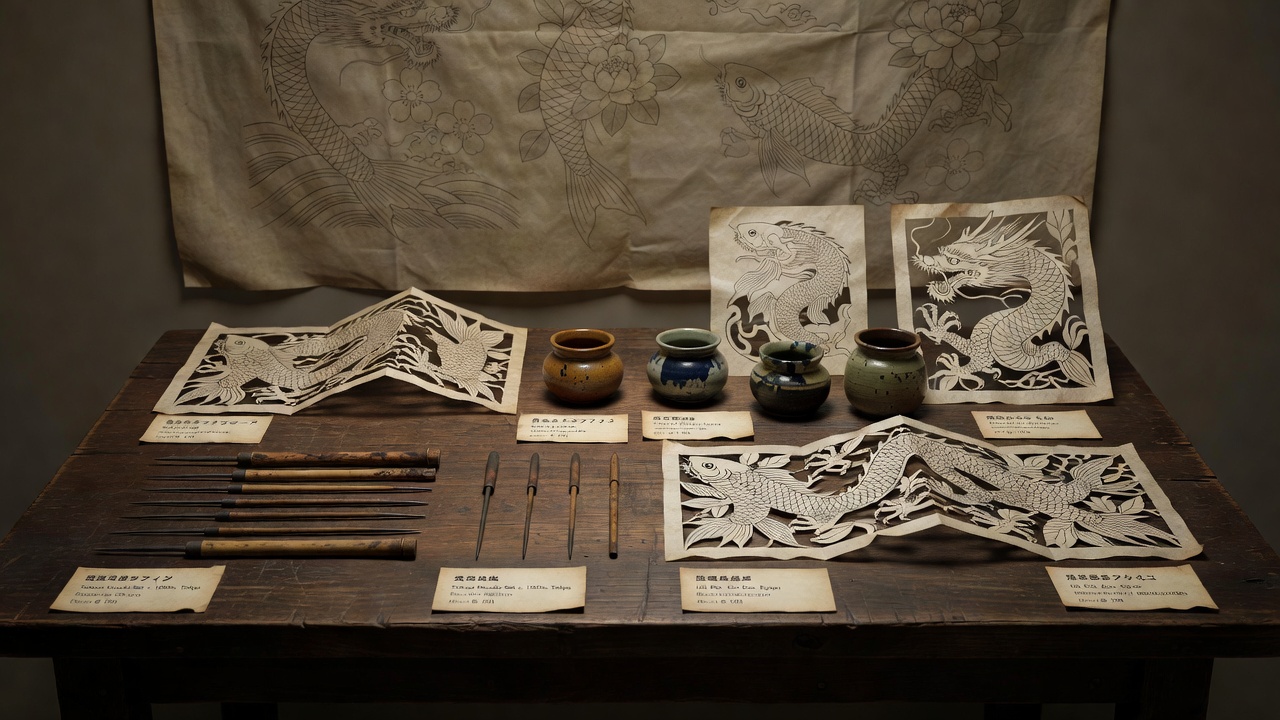
Modern preservation draws on these examples to educate new generations about authentic methods versus commercial adaptations. Museums and private collectors play vital roles in documenting these works before they fade or are lost.
Steps for Ethical Research into Irezumi Authenticity
Those seeking deeper understanding should follow structured approaches:
- Consult primary sources such as museum collections and scholarly texts before secondary interpretations.
- Engage with living practitioners who trace lineages to traditional masters, respecting apprenticeship protocols.
- Cross-reference regional variations with documented historical records to avoid cultural appropriation.
- Document findings with citations to maintain academic integrity and share knowledge responsibly.
FAQs on Verifying Cultural Authenticity
How can one distinguish authentic irezumi from modern interpretations? Authentic pieces typically feature hand-poked elements, specific color palettes limited to traditional inks, and motifs rooted in Japanese folklore rather than generic designs.
What resources help verify historical accuracy? Reputable references include academic publications and visits to institutions holding Japanese art collections.
Is it ethical to get an irezumi tattoo as a non-Japanese person? Respectful engagement involves thorough education, collaboration with knowledgeable artists, and avoidance of sacred or restricted symbols.
How long does traditional irezumi application typically take? Full-body suits often require hundreds of hours spread across multiple years, depending on the complexity and the artist's schedule.
Forward-Looking Trends for 2026 Preservation
As interest grows, 2026 preservation efforts emphasize digital archiving of techniques, international workshops, and collaborations between Japanese tattoo guilds and cultural organizations. These initiatives aim to safeguard tebori methods against commercialization while fostering respectful global appreciation. Britannica and The Metropolitan Museum of Art continue providing foundational references for ongoing study. Additional support comes from resources like Japan-Guide, which offers context on cultural practices. Researchers anticipate increased focus on sustainable ink sourcing and community-led documentation projects that will ensure irezumi remains vibrant for future generations.
Conclusion
Irezumi stands as a testament to tattooing's profound cultural role. By understanding its origins, milestones, and ethical pathways, enthusiasts contribute to its respectful continuation into the future.
No comments yet. Be the first!