 Inked Mythos
Introduction to Color Symbolism in Tattoos
Tattoos serve as permanent markers of identity, memory, and belief systems. While the design itself holds power, the colors chosen amplify these messages through emotional resonance and cultural history. Color symbolism in tattoos allows individuals to embed deeper layers of meaning, turning body art into a nuanced form of self-expression that communicates without words. This comprehensive exploration delves into how hues such as red, black, blue, and gold enhance tattoo meanings, providing real examples from various traditions and practical guidance for intentional design choices.
Understanding color associations helps avoid superficial selections and fosters tattoos that evolve meaningfully over time. From ancient rituals to contemporary trends, colors have always influenced how tattoos are perceived across societies. This article breaks down key colors with psychological insights, cross-cultural comparisons, and actionable advice to guide your next piece.
The Role of Color in Enhancing Tattoo Meaning
Colors do more than decorate; they evoke specific feelings and narratives rooted in human psychology and history. A tattoo rendered in vibrant hues can convey joy or intensity, whereas muted tones might suggest introspection or solemnity. For beginners, recognizing that color choices interact with skin tone, lighting, and surrounding designs is essential for achieving the desired visual and symbolic impact. Professional tattoo artists often recommend color consultations early in the planning process to align the palette with the wearer's life experiences.
Moreover, color can bridge personal intent with broader cultural contexts. Ignoring these associations risks creating designs that misrepresent heritage or emotional goals. Expanding beyond basic black ink opens possibilities for multidimensional storytelling, whether honoring ancestry or marking personal milestones.
Red Tattoo Symbolism and Examples
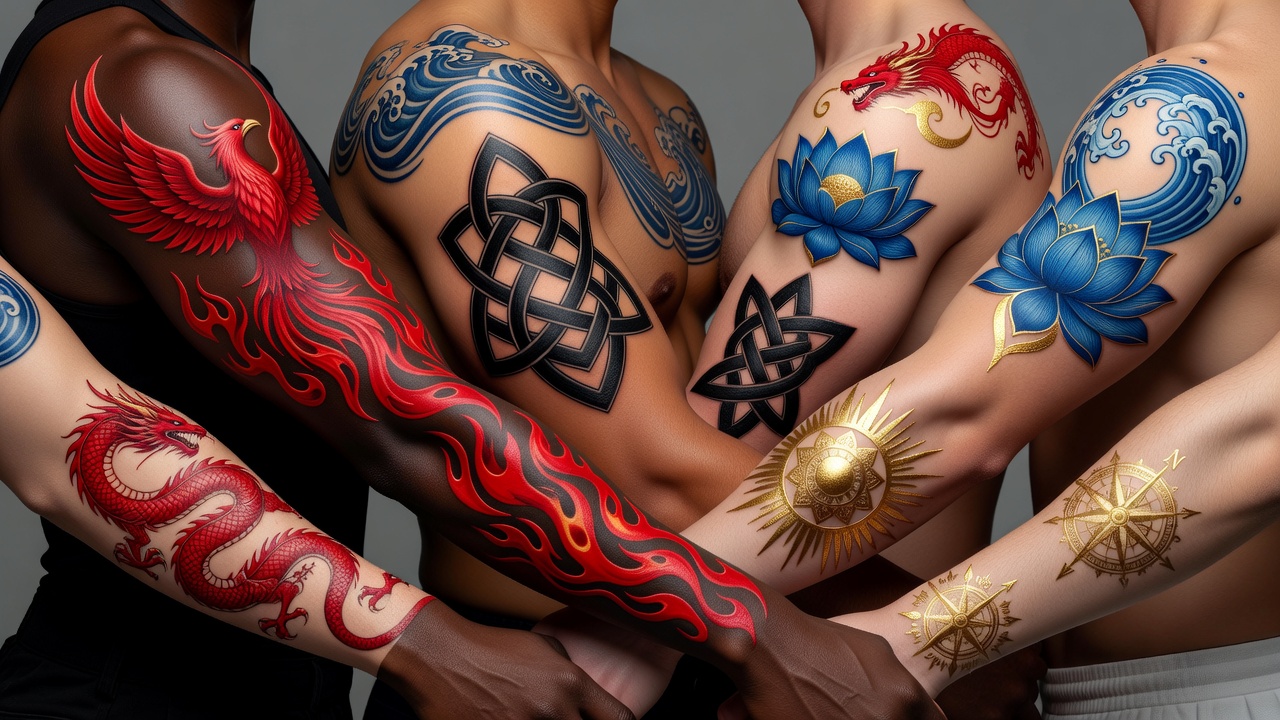
Red embodies passion, energy, courage, and sometimes warning or sacrifice. Its intensity makes it a standout choice for designs representing love, vitality, or protection. In Japanese irezumi traditions, red is frequently used to accentuate powerful motifs like dragons or tigers, symbolizing strength and warding off misfortune. Similarly, in Chinese culture, red tattoos often celebrate prosperity and good fortune during life transitions such as weddings or career achievements.
Real-world examples include heart tattoos in deep crimson for romantic commitments or phoenix designs in scarlet to signify rebirth after adversity. Memorial pieces may incorporate red to honor bloodlines or lost family members. However, red pigments can sometimes cause heightened skin sensitivity during healing, requiring careful aftercare routines. Artists may suggest testing small patches first to ensure compatibility.
Black Ink Symbolism and Its Timeless Appeal
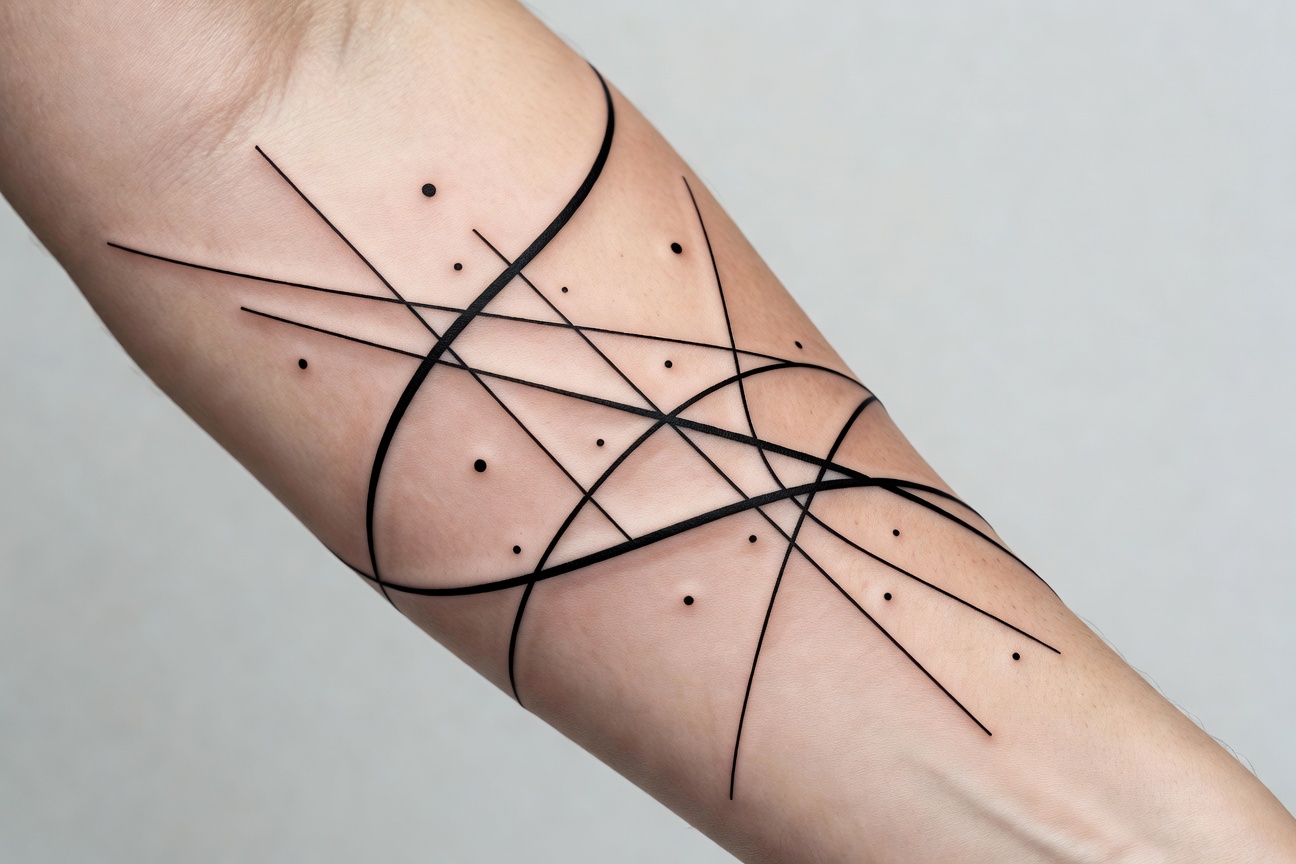
Black ink symbolizes strength, mystery, authority, and grounding energy. As the foundation of most tattoo work, it conveys resilience and timelessness across global traditions. Tribal tattoos from Polynesia and Maori cultures utilize bold black lines to represent ancestry, protection, and connection to the land. In Western contexts, blackwork styles like geometric patterns or dotwork often denote balance, discipline, and inner power.
Examples abound in sleeve tattoos featuring black ravens for wisdom or armor-like motifs for personal fortitude. Black ages better than many colors, retaining definition for decades with proper maintenance. Its versatility allows seamless integration with other hues, creating contrast that highlights symbolic elements without overwhelming the composition.
Blue Tattoo Symbolism Across Traditions
Blue represents tranquility, loyalty, wisdom, and spiritual depth. Cooler tones evoke the sea, sky, and healing forces, making it popular for designs tied to emotional stability or journeys of self-discovery. In Polynesian and Hawaiian tattooing, blue shades often illustrate ocean waves and navigation symbols, embodying life's flow and resilience against challenges. Native American traditions may link blue to the heavens and protective spirits.
A compelling example is the blue lotus flower tattoo, drawing from Egyptian mythology to signify purity and renewal. Military or nautical tattoos frequently employ navy blues for themes of honor and camaraderie. 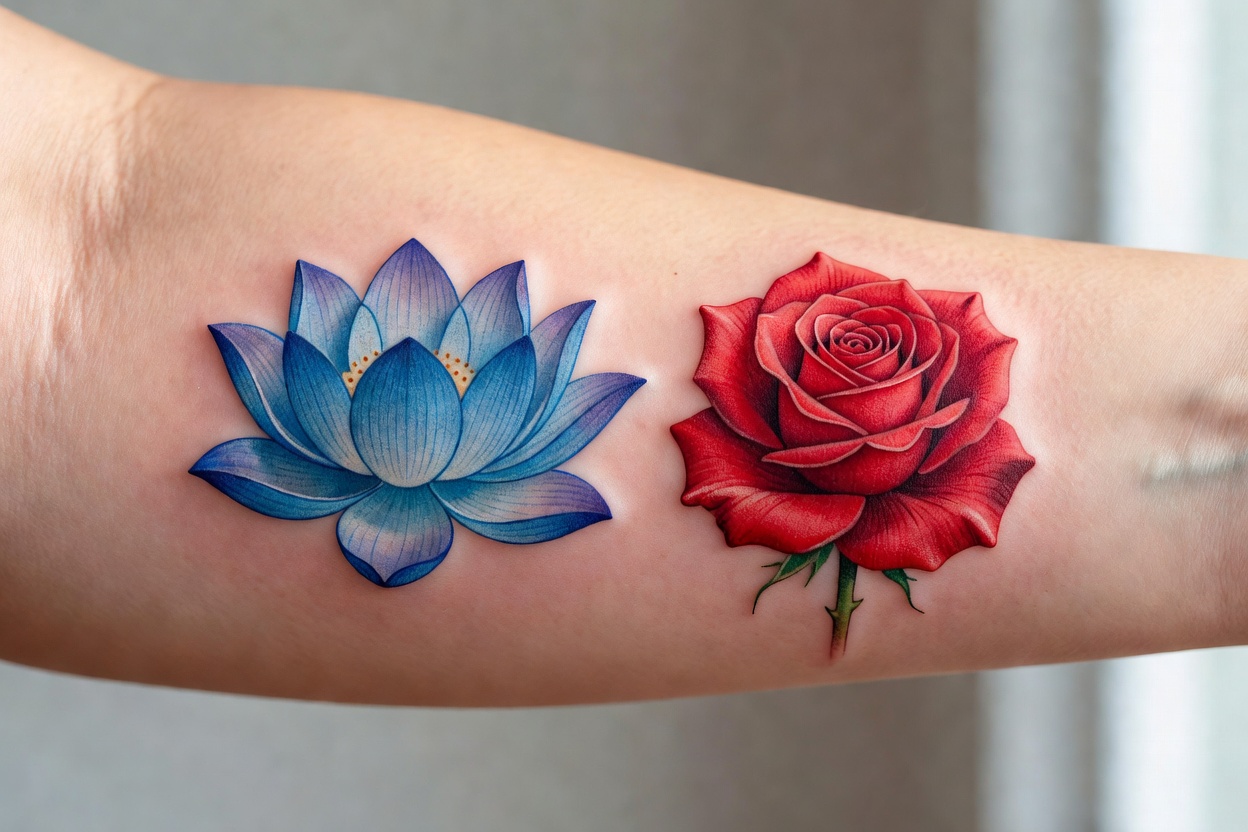
Gold Tattoo Symbolism and Luxurious Meanings
Gold conveys success, enlightenment, divinity, and achievement. Its metallic sheen adds a premium, radiant quality that elevates designs associated with aspiration or spiritual awakening. Ancient Egyptian influences often feature gold-like tones in solar symbols representing eternal life. In modern applications, gold accents highlight mandalas or celestial bodies to denote inner light and accomplishment.
Artists achieve these effects through specialized pigments and layering techniques. Gold works well in combination pieces, such as outlining a central motif to draw attention to themes of prosperity or enlightenment. Its rarity in tattoos makes it a distinctive choice for those seeking unique visual impact.
Cross-Cultural Comparisons of Tattoo Colors
Color meanings vary widely, demanding research to respect origins. Red signals passion in Europe but luck and celebration in Asia, while representing mourning in certain African communities. Black universally suggests protection yet can imply rebellion in subcultural contexts. Blue denotes calm in Mediterranean traditions and water spirits in Pacific Islander art. Gold links to wealth in many Western views and solar deities in Indigenous North American designs.
Additional insights from sources like Smithsonian Magazine and National Geographic reveal how colonial histories influenced color adoption in global tattoo practices. Comparing these helps create respectful, informed designs that blend personal and traditional elements effectively.
Practical Steps for Selecting Tattoo Colors
Selecting colors requires thoughtful reflection to ensure alignment with intent. Begin by journaling core emotions or stories your tattoo should represent, considering how shades might shift perception over time. Next, study cultural associations through books or museum resources to prevent unintended offense. Test skin reactions via consultations, as certain pigments interact differently with individual complexions.
Review artist portfolios specifically for color work, noting their handling of gradients and longevity. Factor in lifestyle elements like sun exposure, which accelerates fading in brighter hues. Finally, collaborate on mockups using digital tools to visualize combinations before committing. These steps promote satisfaction and reduce revision needs.
Common Mistakes to Avoid in Color Selection
Many regret tattoos due to mismatched colors. Avoid rushing into trendy shades without personal connection. Do not ignore skin undertones, which can alter how colors appear. Steer clear of over-saturation in one area, as it disrupts visual balance. Always verify artist experience with the chosen palette to prevent poor healing outcomes.
Common Misconceptions and FAQ
Does color affect tattoo pain levels?
No. Pain stems from needle technique and body location rather than pigment type.
Can colors clash in meaning?
Yes. Combining opposing hues like fiery red and cool blue requires careful composition to maintain cohesive symbolism.
How do environmental factors influence color choice?
Outdoor lifestyles may favor durable blacks over vibrant shades prone to UV fading.
Are there gender-specific color norms?
Modern tattoo culture rejects strict norms, encouraging personal preference over stereotypes.
What about color in cover-up tattoos?
Strategic color layering can transform old designs, but requires skilled artists familiar with pigment interactions.
Conclusion
Mastering color symbolism elevates tattoos from decorative art to profound personal emblems. Through detailed examination of red, black, blue, and gold alongside practical selection frameworks and cultural awareness, individuals can craft enduring pieces that reflect authentic narratives. Prioritize research, professional collaboration, and self-reflection to achieve tattoos that continue to inspire for years ahead.

No comments yet. Be the first!