 Inked Mythos
Introduction to Celestial Tattoo Symbols
Celestial tattoo symbols have captivated people for centuries, offering timeless connections to the cosmos. In 2026, these designs remain popular for those seeking personal meaning through sun, moon, and stars. They represent vitality, intuition, and guidance, helping wearers tell emotional stories through ink. Unlike animal or geometric motifs, celestial elements draw from universal human experiences with the night sky. This guide explores their layered symbolism, cultural roots, and practical advice for creating meaningful tattoos that resonate on a personal level.
Many individuals turn to celestial imagery because it transcends trends, connecting wearers to something larger than themselves. Whether marking a life milestone or expressing inner qualities, these symbols provide depth that simpler designs often lack. Readers searching for sun moon stars meanings typically want to understand not just aesthetics but the emotional and historical weight behind each choice.
The Symbolism of the Sun in Tattoos
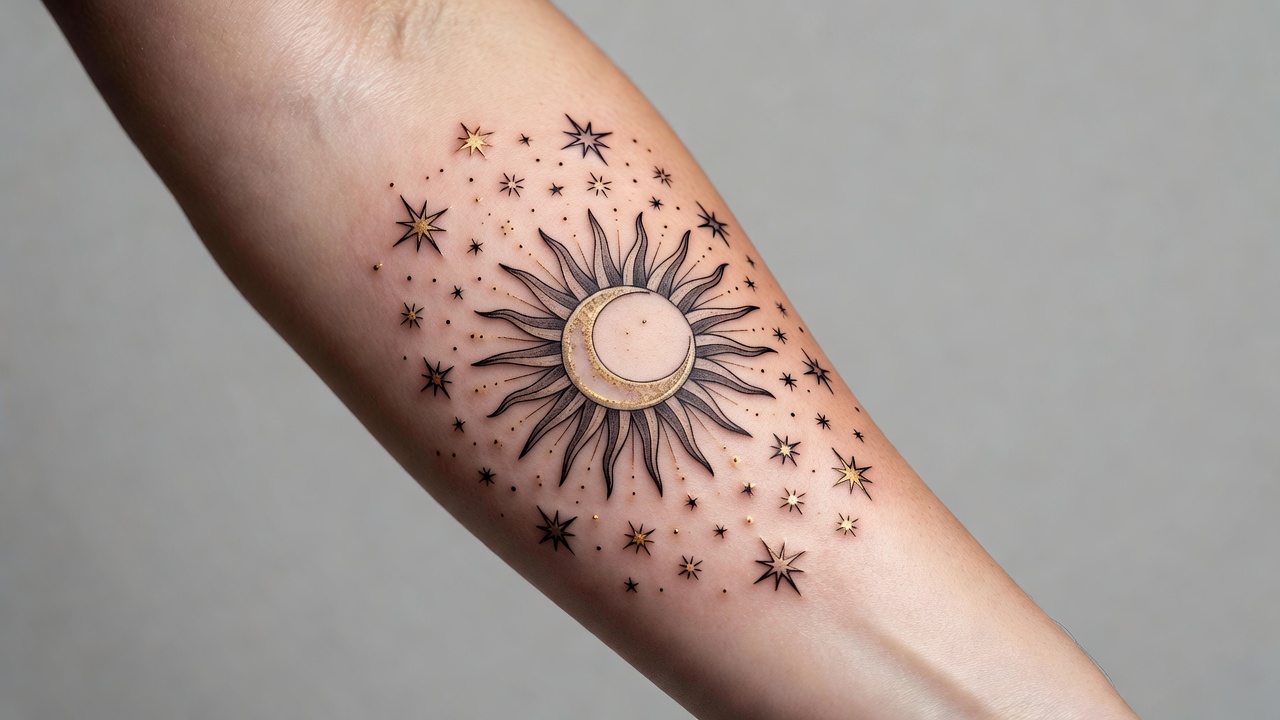
The sun embodies vitality, energy, and renewal. Many choose solar designs to celebrate new beginnings or inner strength. Variations include rising suns for hope and setting suns for reflection. Culturally, ancient Egyptians linked the sun to Ra, while Japanese traditions honor Amaterasu. In modern contexts, a sun tattoo might symbolize overcoming depression or embracing leadership roles at work and in family life.
Layered Meanings Across Cultures
Sun tattoos often incorporate rays or faces for added depth. They differ from geometric patterns by evoking warmth and life force rather than abstract symmetry. For example, a full solar disc with detailed flames can represent passion and creativity, while a minimalist line-art sun might focus on clarity and focus. Clients frequently combine the sun with personal elements like birthdates or coordinates of meaningful locations to enhance storytelling.
The Moon's Role in Celestial Ink
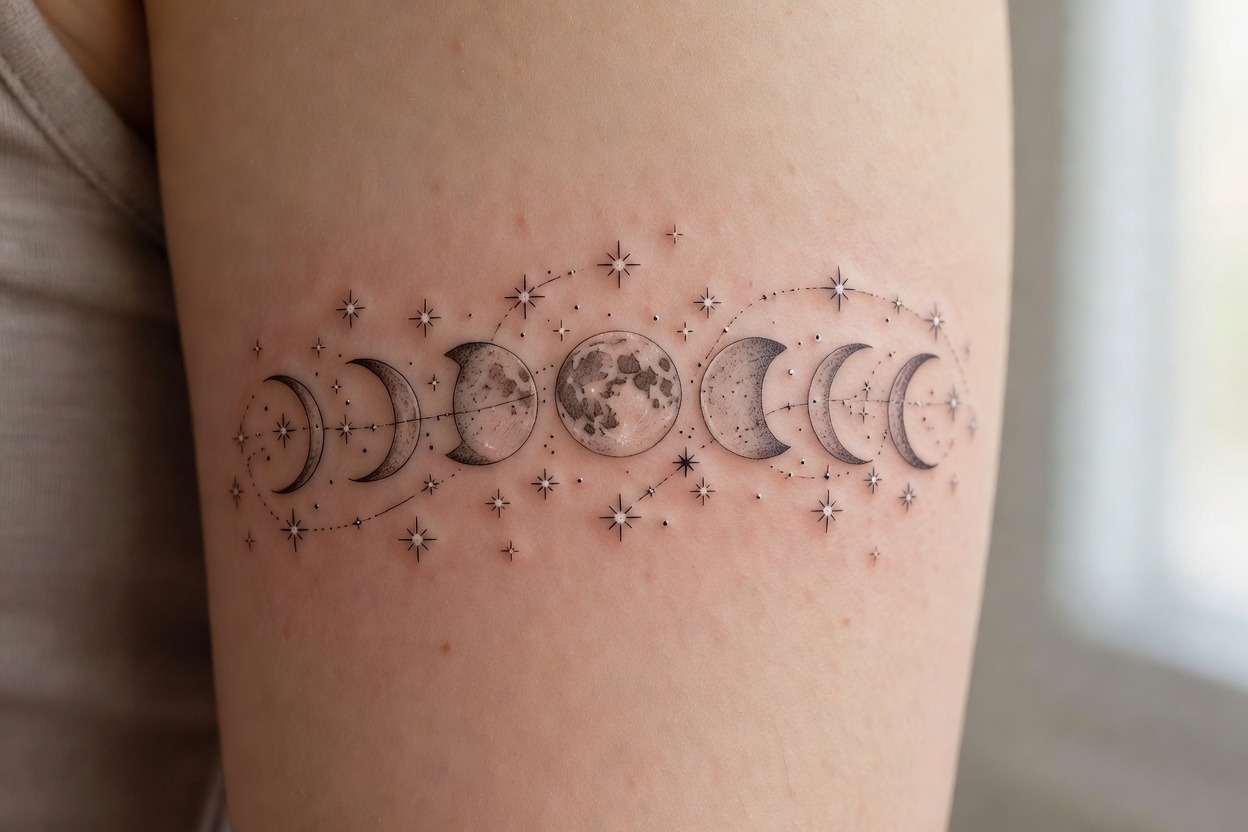
Moons symbolize intuition, cycles, and feminine energy. Crescent moons suggest growth, while full moons represent completion. Clients often select moon phases to mark life transitions such as career changes, relationships, or personal healing journeys. The moon's phases allow for dynamic designs that evolve with the wearer, mirroring how emotions and circumstances shift over time.
Explore lunar mythology on Britannica for deeper cultural context from global traditions. Different cultures view the moon uniquely, from Native American tribes associating it with harvest and fertility to Eastern philosophies linking it to balance and reflection. This versatility makes moon tattoos highly customizable for diverse backgrounds.
Stars as Symbols of Guidance and Hope
Stars signify direction, dreams, and protection. Constellations like Orion add personal narratives. They stand apart from animal motifs by focusing on aspiration over instinct. A single star can mark a guiding light during tough times, while clusters represent community or lost loved ones watching over the wearer. Many opt for shooting stars to symbolize wishes coming true or rapid personal growth.
Cultural Origins of Celestial Tattoos
Celestial symbols appear in ancient art worldwide. Polynesian cultures used stars for navigation tattoos, while Mayan civilizations incorporated solar and lunar calendars into body markings. Visit the Metropolitan Museum of Art to see historical examples of celestial iconography in artifacts. These origins add authenticity when modern wearers research designs respectfully.
How Celestial Symbols Differ from Other Motifs
- Vs. Animal Tattoos: Animals represent traits like strength or freedom; celestial designs focus on cosmic forces and universal cycles that feel more expansive and timeless.
- Vs. Geometric: Shapes offer structure and precision, while suns and moons evoke emotion, storytelling, and a sense of wonder about existence itself.
- Vs. Floral or Nature: Flowers often tie to growth on earth, but celestial elements connect wearers to the infinite sky and stars above.
Real Client Case Studies
One client chose a sun-moon-star trio to commemorate overcoming challenges, pairing it with subtle line work on the inner forearm. The sun represented her renewed energy after illness, the moon her growing intuition during therapy, and stars her support network of friends. Another integrated moon phases with birth dates for family connection, creating a half-sleeve that told her children's stories through lunar cycles. A third client used a constellation map of his hometown sky to honor his late grandfather, adding fine details like tiny dots for planets to make the piece uniquely personal.
Step-by-Step Selection Tips
- Reflect on personal connections to each element by journaling about key life events tied to vitality, intuition, or guidance.
- Research cultural origins thoroughly to avoid appropriation and ensure respectful representation.
- Consult artists specializing in fine-line celestial work, reviewing their portfolios for similar past projects.
- Consider size, placement, and color early to match lifestyle needs like visibility at work.
- Test designs with temporary tattoos or sketches before committing to permanent ink.
Design Pairing Ideas
Combine suns with florals for growth themes or stars with geometric accents for modern twists. Watercolor styles add vibrancy to traditional blackwork. Pairing a crescent moon with delicate vines creates a nature-cosmos fusion, while adding subtle mandala elements behind a sun can enhance spiritual depth. Consider negative space techniques to make stars pop against darker backgrounds.
Placement and Customization Considerations
Placement affects both visibility and meaning. Forearms and wrists allow daily personal reminders, while ribs or upper thighs keep symbols private. Customization options include blending multiple celestial elements, incorporating quotes in celestial script, or using negative space for minimalist effects. Always discuss skin type and healing expectations with your artist for best results.
Mistakes to Avoid When Choosing Celestial Tattoos
Common pitfalls include rushing into trends without personal resonance, ignoring aftercare leading to fading ink, or selecting overly complex designs that age poorly. Another frequent error is overlooking artist specialization, resulting in disproportionate proportions in sun rays or star alignments.
Conclusion
Celestial tattoos offer profound emotional resonance. By understanding their meanings, cultural roots, and practical application steps, you can craft ink that truly reflects your story and serves as a lifelong source of inspiration and connection to the universe.
No comments yet. Be the first!