 Inked Mythos

Choosing a tattoo is a deeply personal decision that lasts a lifetime, making thorough research into symbol meanings essential for beginners and seasoned enthusiasts alike. This guide provides actionable steps to verify symbolism, understand cultural nuances, and align designs with your values. Many people rush into getting inked without fully grasping the layers of meaning behind their chosen symbols, only to face regret later when those meanings clash with their evolving identity or beliefs. By investing time upfront in research, you can create body art that feels authentic, respectful, and meaningful for years to come.
Understanding the Importance of Symbol Research
Tattoos often carry layered meanings that evolve over time. Without proper investigation, you risk selecting imagery that misrepresents your intentions or offends cultural traditions. Effective research helps create body art that feels authentic and enduring. Consider how symbols like the infinity loop, originally tied to mathematical concepts of endlessness, have been adopted in modern tattoo culture to represent resilience or eternal love. Failing to explore these origins can lead to designs that feel superficial rather than profound. Research also protects against unintended cultural appropriation, which has become a significant concern in the tattoo community as global awareness grows.
Starting with Reliable Symbolism Databases
Begin your journey by exploring established online resources dedicated to symbolism. Sites like Britannica offer detailed entries on historical symbols across cultures. Cross-check multiple databases to identify consistent interpretations and note any regional variations. For example, searching for the meaning of a raven might reveal its association with prophecy in Norse mythology through one source, while another highlights its role as a trickster in Native American traditions. Reliable databases often include references to primary texts, allowing you to trace meanings back to their roots. Supplement these with academic archives that catalog symbols from ancient civilizations, ensuring your understanding is not limited to surface-level interpretations popular on social media.
Consulting Cultural Experts and Historians
For deeper insights, reach out to anthropologists or tattoo historians through academic networks. Their expertise can clarify nuances that databases miss, such as sacred versus secular uses of certain motifs. Reaching out to university departments or cultural centers can yield personalized guidance. Experts might explain how a symbol like the ankh, rooted in ancient Egyptian beliefs about eternal life, carries different weight when used in contemporary contexts. This step is particularly valuable for designs drawn from indigenous or religious traditions, where context can shift dramatically between communities. Building relationships with knowledgeable individuals also fosters respect and accuracy in your final choice.
Building Your Personal Symbol Mood Board
Compile images, notes, and references into a digital or physical mood board. This visual tool helps track themes and reveals patterns in your preferences. 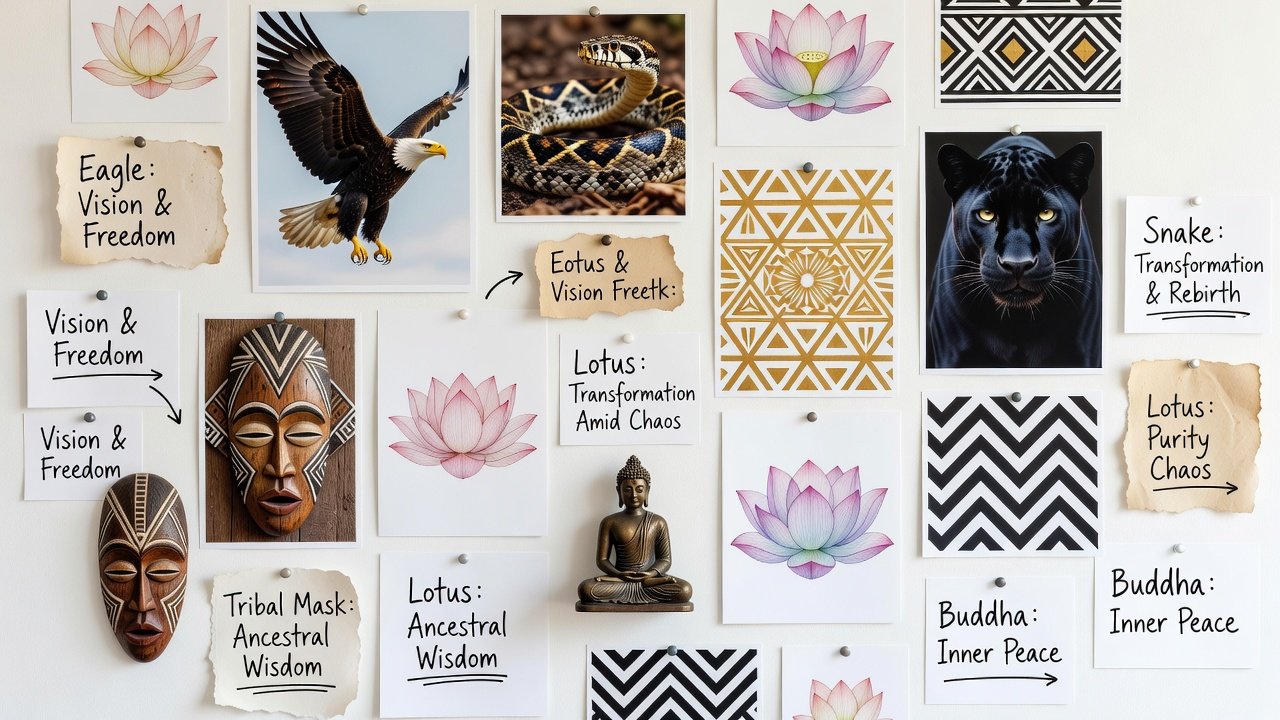
Organize entries by category, such as nature symbols or geometric forms, and revisit the board after a week to assess lasting appeal. Include not just images but also written reflections on why each symbol resonates. Over time, this process might highlight recurring motifs, like repeated appearances of tree imagery representing growth or stability. Digital tools allow easy rearrangement and addition of links to source material, making it simple to expand your board as new ideas emerge during research.
Cross-Referencing Historical Versus Modern Interpretations
Symbols rarely stay static. For instance, the lotus flower holds spiritual significance in ancient Eastern traditions but appears in contemporary designs as a marker of personal growth. Compare sources from The Metropolitan Museum of Art with modern tattoo forums to understand shifts in meaning. Historical texts might describe the phoenix as a symbol of rebirth tied to specific myths, whereas today it often represents overcoming personal adversity. This cross-referencing prevents choosing a design based solely on current trends that may lack the depth you seek. It also helps anticipate how others might interpret your tattoo based on their own cultural lenses.
Evaluating Compatibility with Your Values
Assess whether a symbol aligns with your ethics, beliefs, and lifestyle. Ask: Does this design reflect my identity today and in the future? Consider journaling responses to these questions for clarity. For example, a symbol associated with strength in one culture might carry connotations of aggression elsewhere, prompting you to decide if it truly fits your peaceful outlook. This evaluation phase often involves discussing potential designs with trusted friends or family who understand your values. It ensures the tattoo becomes an extension of who you are rather than a fleeting aesthetic choice.
Checklists for Vetting Designs
- Verify multiple sources for consistent meanings across at least three independent references.
- Confirm cultural appropriateness through primary references and expert consultation if needed.
- Test the design against your personal values checklist by writing out pros and cons.
- Consult a professional artist for technical feasibility and placement suggestions.
- Allow a cooling-off period of at least 30 days before committing to the final design.
- Review the symbol in different lighting and sizes to ensure it scales well as a tattoo.
- Research any associated colors or elements that might alter the overall meaning.
Real-World Examples of Research Pitfalls
One common mistake involves adopting tribal patterns without understanding their origins, leading to unintended cultural appropriation. Another example is misreading the ouroboros as purely positive when historical contexts include cycles of destruction. Learning from these cases strengthens your process. A real-world case involved someone choosing a Japanese kanji character for "strength" that actually translated to an unrelated term due to poor translation tools, resulting in an embarrassing correction years later. Another pitfall occurs when individuals select religious symbols like the cross without considering their specific denominational significance, leading to awkward explanations in social settings. These examples underscore the value of methodical research over quick decisions.
Tools and Additional Resources for In-Depth Research
Beyond basic databases, explore museum collections and scholarly publications for richer context. Resources from institutions like the Smithsonian provide high-quality images and essays on global symbolism. Consider attending local lectures on art history or joining online communities focused on ethical tattoo practices. These tools help you move from casual browsing to informed decision-making, especially when dealing with complex symbols that span multiple cultures.
FAQ on Ethical Considerations
How do I avoid cultural appropriation in tattoo choices?
Study the symbol's origins thoroughly and prioritize designs from your own heritage when possible. When exploring others, seek permission or collaboration with cultural representatives. This respectful approach often involves supporting artists from the culture in question.
Should I disclose research to my tattoo artist?
Yes, sharing your findings fosters better collaboration and ensures the final piece honors the intended meaning. Artists appreciate clients who come prepared with context that informs placement and style choices.
What if meanings change after getting the tattoo?
Personal interpretations can evolve, but initial research minimizes regret by grounding the choice in informed decisions. Many people find that well-researched tattoos gain even more significance as life experiences add new layers of personal connection.
Are there legal or community guidelines for certain symbols?
Some symbols are protected or carry community expectations, especially in indigenous groups. Always research local customs and avoid designs that could be seen as disrespectful or commercialized without context.
Conclusion
Thorough research transforms tattoo selection from impulse to intentional expression. By leveraging databases, experts, mood boards, and checklists, you create meaningful ink that stands the test of time. The process not only protects against missteps but also deepens your appreciation for the rich history behind each symbol you consider.
No comments yet. Be the first!