 Inked Mythos
Introduction to Ethical Tattoo Symbolism
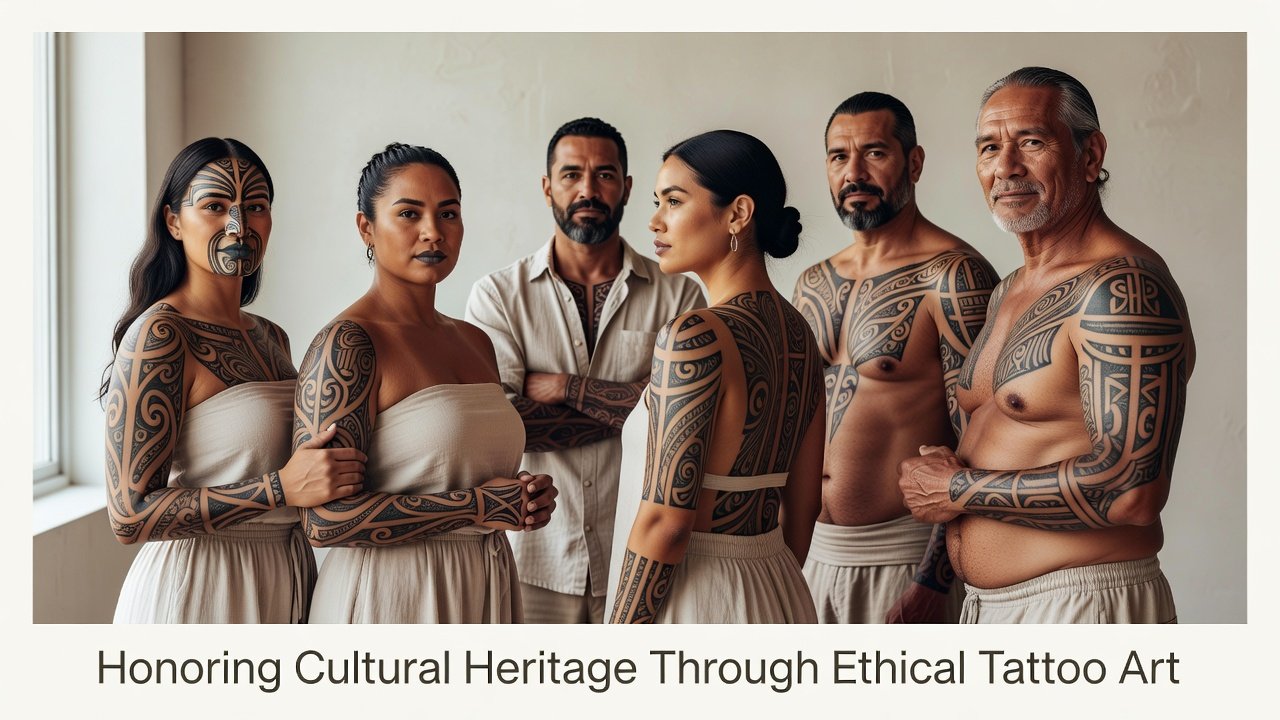
In 2026, tattoo enthusiasts are increasingly seeking designs that carry deep personal meaning while honoring the cultural origins of the symbols they choose. Ethical tattoo symbolism goes beyond aesthetics to emphasize respect, research, and responsibility. This approach helps avoid cultural appropriation and fosters genuine appreciation for global traditions. Tattoos have long served as markers of identity, spirituality, and heritage across societies, yet the rise of global travel and social media has made it easier than ever to encounter symbols detached from their roots. Without careful consideration, a beautiful motif can become a source of misunderstanding or offense. By prioritizing ethics, individuals create body art that resonates personally while contributing positively to cultural preservation efforts. Many people turn to tattoos from indigenous, Polynesian, or Asian heritages without fully understanding their significance. The result can be designs that misrepresent sacred motifs or offend communities. By contrast, ethical practices involve deliberate steps to ensure symbols are used appropriately and with permission where needed. This guide provides actionable frameworks for navigating these choices responsibly in the current year.
Step-by-Step Research Process for Cultural Tattoo Symbols
Start your journey with thorough, multi-source research. Begin by identifying the specific tradition behind a symbol, such as Maori koru or Japanese irezumi elements. Consult academic texts, museum archives, and official cultural resources rather than relying solely on social media or tattoo flash sheets. For instance, explore how a particular pattern evolved from ritual markings to contemporary expressions within its community. Next, examine the symbol's historical context, evolution, and modern usage within its originating community. Note any restrictions, such as symbols reserved for elders or specific rites of passage. Document your findings to track how your understanding develops over weeks or months. Finally, cross-reference with contemporary discussions from cultural practitioners. This layered approach ensures your chosen design reflects accurate knowledge instead of surface-level interpretations. Consider maintaining a research journal that includes photos of original artifacts, interviews if accessible, and notes on variations across regions. This process often reveals nuances, such as color meanings or placement taboos, that flash designs omit entirely.
Community Consultation Tips for Respectful Designs
Direct engagement with source communities strengthens ethical practice. Reach out to cultural centers, tribal organizations, or artists from the relevant heritage through established channels. Ask open questions about symbolism, appropriate placement on the body, and whether the design aligns with your background. Prepare specific questions in advance and listen without defensiveness. Offer compensation for consultations when appropriate, recognizing the time and expertise shared. Be prepared to modify or abandon a design if feedback indicates it would cause harm. Successful consultations often lead to collaborative refinements that make the tattoo more meaningful and authentic. Challenges may arise, including language barriers or initial skepticism from communities wary of past exploitations. In such cases, demonstrate commitment by following up with updates on your final design and sharing how the consultation shaped it. Many practitioners appreciate seeing their guidance respected in this way.
- Prepare specific questions in advance and listen without defensiveness.
- Offer compensation for consultations when appropriate, recognizing the time and expertise shared.
- Be prepared to modify or abandon a design if feedback indicates it would cause harm.
- Document consent where offered and respect requests for privacy.
These steps build trust and often result in richer, more informed outcomes than solo decisions.
Evolving 2026 Legal Considerations Around Indigenous Motifs
Legal frameworks protecting indigenous intellectual property continue to develop. In several countries, new regulations address the commercial use of traditional motifs without consent. Artists and clients should review guidelines from bodies such as UNESCO on safeguarding intangible cultural heritage. Some regions now require documentation of permission for certain designs in professional tattoo studios. Staying informed through legal summaries from government cultural agencies helps prevent future disputes or forced removals. Additional resources from United Nations portals on indigenous rights provide updates on international standards that influence national laws. Awareness of these shifts encourages proactive verification rather than reactive corrections after the fact.
Personal Reflection Exercises Before Getting Inked
Before committing to a cultural symbol, complete structured reflection. Journal about your personal connection to the design and why it resonates. Consider questions such as: Does this symbol align with my values? Am I prepared to explain its meaning respectfully to others? Expand this exercise by creating a pros-and-cons list that weighs personal significance against potential community impact. Discuss your ideas with trusted friends from diverse backgrounds to gain external perspectives. Reflection helps distinguish genuine appreciation from trend-driven choices and often uncovers alternative symbols that better fit your story without crossing boundaries.
Comparisons of Global Traditions in Tattoo Symbolism
Different cultures approach body art with unique protocols. Polynesian tattoos often tie to genealogy and social status, while Native American motifs may reference spiritual protection or clan identity. In contrast, some Western traditions treat symbols more decoratively. Japanese tattooing historically carried associations with social outcasts before evolving into fine art forms. African scarification and tattoo practices emphasize rites of passage and community belonging. Understanding these distinctions highlights why borrowing without context can flatten rich meanings. Ethical choices respect these variations by prioritizing education over convenience and recognizing that each tradition maintains its own living custodians.
Mistakes to Avoid When Selecting Cultural Designs
Common pitfalls include assuming popularity equals permission, ignoring placement rules, or treating sacred icons as mere aesthetics. Another frequent error is rushing the process without allowing time for multiple rounds of feedback. Avoid copying designs directly from commercial sources without tracing their provenance. Instead, invest in original interpretations developed in dialogue with cultural experts. These mistakes often lead to regret, costly cover-ups, or public criticism that could have been prevented through slower, more deliberate planning.
Case Studies of Ethical Body Art Transformations
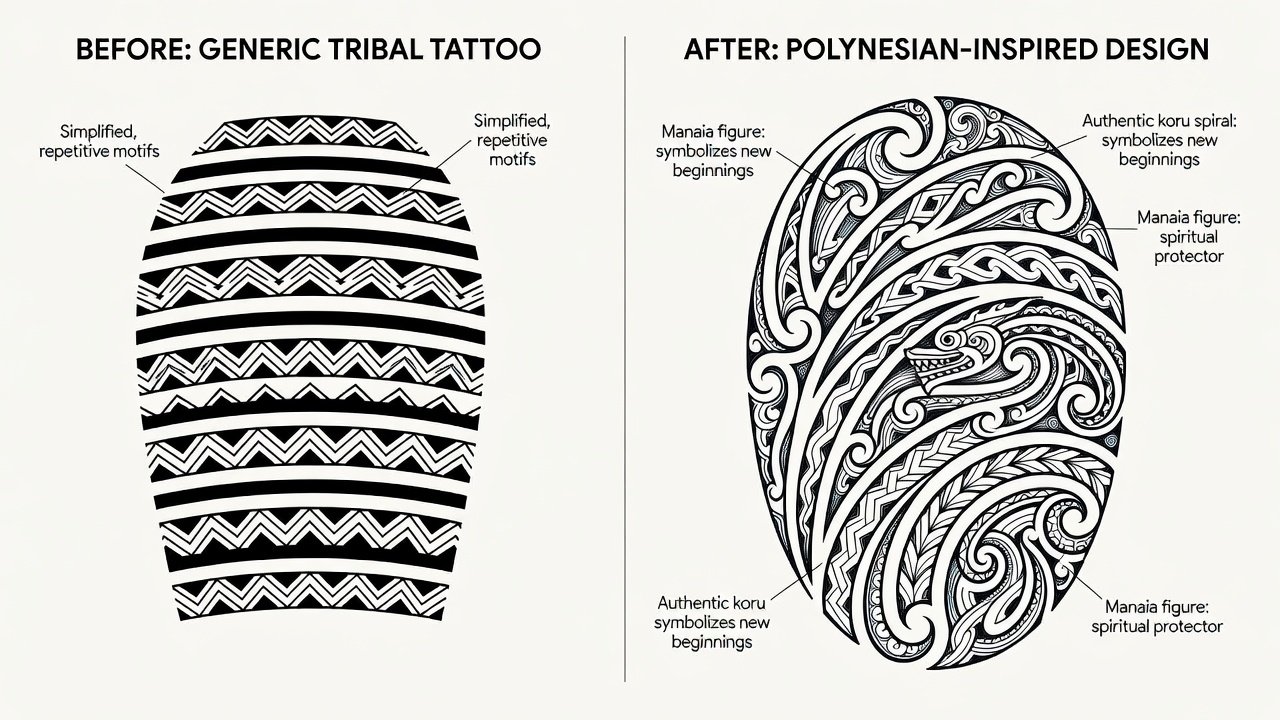
One individual replaced a generic tribal band with a properly researched Polynesian sleeve after community consultation, resulting in a design that celebrated family heritage accurately. Another transformed a misappropriated mandala into a personalized geometric pattern inspired by non-sacred sources, preserving cultural boundaries while retaining aesthetic appeal. A third case involved a client who initially wanted a Native American dreamcatcher but, after reflection and research, opted for a custom motif drawn from their own European folk traditions instead. These stories demonstrate how ethical adjustments can lead to tattoos that feel more authentic and personally significant over time, often inspiring others to follow similar paths.
How to Find Ethical Tattoo Artists
Seek artists who demonstrate cultural awareness through their portfolios, studio policies, and willingness to discuss ethics openly. Look for those who collaborate with cultural consultants or refuse certain requests outright. Online directories from tattoo associations and reviews highlighting respectful practices can guide your search. Schedule consultations with multiple artists to compare approaches before selecting one who aligns with your values.
Frequently Asked Questions on Ethical Tattoo Dilemmas
Can I use symbols from my own ancestry?
Ancestral symbols often carry fewer restrictions, yet research remains essential to confirm current community views and avoid outdated or inaccurate representations.
What if a design is already popular commercially?
Popularity does not equate to permission. Even widespread designs may originate from protected traditions and require verification before adoption.
How do I handle criticism after getting a tattoo?
Respond with humility, share your research process, and remain open to further learning. Ethical intent does not exempt anyone from accountability.
Is it okay to combine symbols from multiple cultures?
Hybrid designs require even greater caution. Each element must be vetted separately, and combinations should not create unintended sacred or offensive juxtapositions.
What resources help verify a symbol's appropriateness?
Start with official cultural organization websites, university anthropology departments, and published works by indigenous authors. Cross-check multiple sources for consensus.
Conclusion
Ethical tattoo symbolism in 2026 demands intentionality at every stage. Through careful research, community dialogue, and ongoing reflection, individuals can create body art that honors origins while expressing personal stories. This responsible approach enriches both the wearer and the cultural traditions being celebrated, setting a positive standard for future generations of tattoo enthusiasts.
No comments yet. Be the first!