 Inked Mythos
Introduction to Minimalist Tattoo Symbols
Minimalist tattoo symbols have surged in popularity for their elegant simplicity and profound personal significance. These designs strip away excess to focus on clean lines, ample negative space, and thoughtful placement, allowing wearers to tell meaningful stories without visual clutter. Whether you're drawn to subtle dots representing strength or flowing waves symbolizing life's changes, this guide provides beginner-friendly, actionable advice for creating body art that resonates deeply. In today's fast-paced world, many individuals seek tattoos that serve as quiet reminders of personal growth rather than flashy statements. Minimalist approaches emphasize restraint, where every line carries weight and intention. This philosophy aligns perfectly with modern aesthetics that value quality over quantity, making these tattoos versatile across different ages, professions, and lifestyles.
By emphasizing cultural respect and personalization, minimalist tattoos become more than decoration—they evolve into quiet declarations of identity. This approach suits those seeking timeless pieces that age gracefully on the skin. Beginners often appreciate how these designs adapt to various body types and skin tones while maintaining clarity. The trend reflects broader shifts toward intentional living, where body art mirrors inner values instead of external trends. Throughout this article, we explore techniques, symbol meanings, selection processes, and real examples to help you make informed decisions.
Understanding Core Techniques: Clean Linework and Negative Space
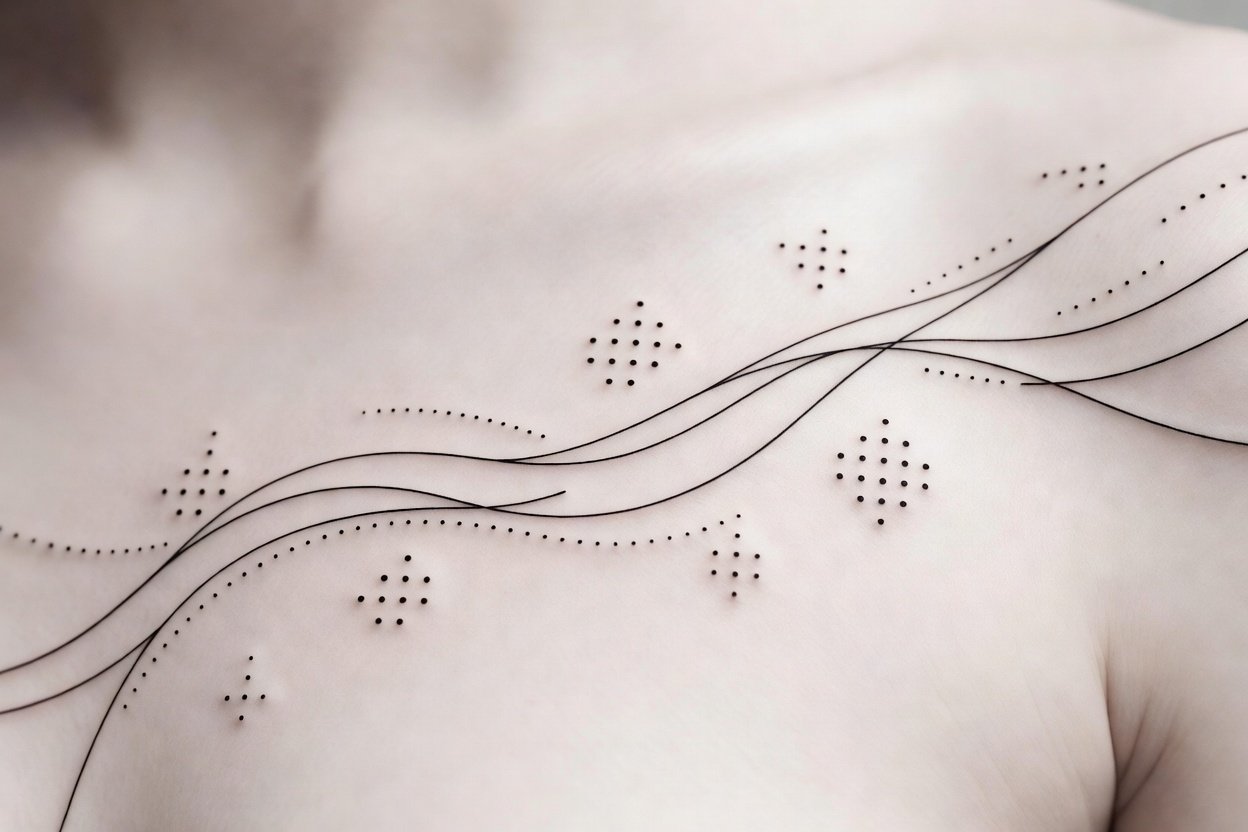
Successful minimalist tattoos rely on precise linework and strategic use of negative space. Clean lines create sharp, enduring designs that maintain clarity over time, while negative space allows the skin to become part of the artwork, enhancing subtlety. Artists often use single-needle techniques for ultra-fine details that feel intimate rather than bold. This method requires exceptional skill because any imperfection becomes immediately visible without surrounding elements to distract the eye. Negative space techniques involve leaving areas of untouched skin to form shapes, such as a mountain silhouette created by surrounding lines rather than filled ink.
Subtle placements like the inner wrist, behind the ear, or along the collarbone keep symbols discreet yet accessible for personal reflection. These locations also minimize exposure to sun and friction, preserving the tattoo's integrity. Additional options include the ribcage for more private symbols or the ankle for everyday visibility. When planning placement, consider how the body moves—joints and areas with frequent flexing can distort lines over decades. Professionals recommend consulting multiple artists to review healed portfolios, as fresh ink always appears bolder than settled results. Understanding these fundamentals helps avoid common pitfalls like overcrowding or choosing placements that clash with daily activities.
Popular Minimalist Symbols and Their Meanings
Dots: Resilience and Continuity
A simple dot or series of dots often represents resilience, marking pivotal life moments or inner strength. In many traditions, dots signify connection to the universe or personal milestones. Step-by-step selection starts with reflecting on your story: choose size and spacing to mirror emotional weight, then test placement on your body for comfort. For instance, three aligned dots might symbolize past, present, and future, offering a visual anchor during challenging periods. Real-world examples include professionals who added dots incrementally over years to represent career milestones, creating a timeline effect without overwhelming the design.
Waves: Change and Flow
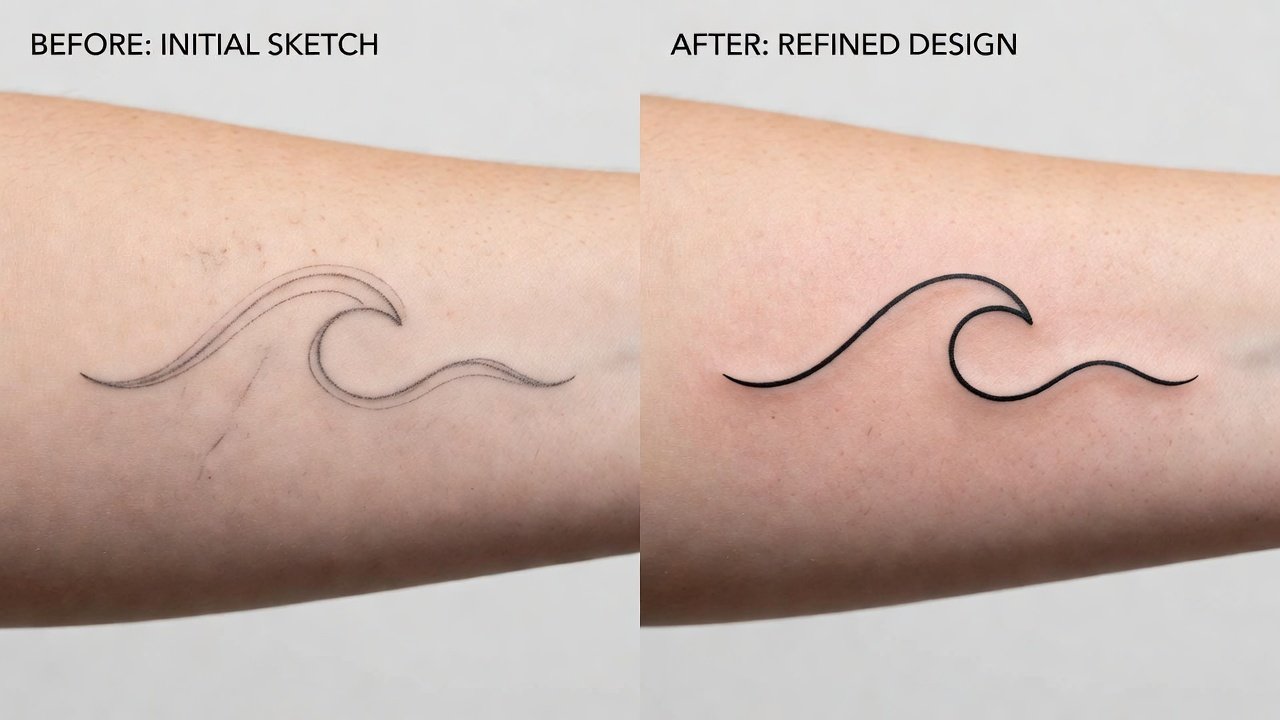
Waves embody transformation and adaptability. Their gentle curves capture the ebb and flow of experiences. To personalize, vary wave amplitude to reflect intensity of change—gentle ripples for quiet growth or bolder crests for major shifts. Real-world examples show clients transforming initial wave sketches into layered designs that evolve with added elements over years. One client incorporated ocean waves after a major relocation, using negative space to suggest horizon lines that evoked both uncertainty and hope. These symbols work especially well on forearms or calves where natural movement enhances the flowing aesthetic.
Icons for Resilience or Change
Other icons include mountains for endurance or arrows for forward momentum. Comparisons reveal that geometric icons age better than detailed illustrations due to their simplicity. A popular before-and-after case involved a client whose plain dot evolved into a mountain-dot hybrid, better capturing their journey from hardship to stability. Arrows pointing upward often denote progress, while downward ones can represent grounding. When comparing styles, abstract geometric versions tend to heal with sharper definition compared to organic shapes that may require touch-ups more frequently.
- Research cultural origins thoroughly before committing.
- Consult artists experienced in minimalist styles for custom adaptations.
- Consider skin tone and lifestyle when finalizing placement and size.
- Review healed examples to set realistic expectations.
- Factor in future lifestyle changes, such as career shifts or family planning, that might influence visibility preferences.
Step-by-Step Guide to Selecting Your Symbol
1. Reflect on personal narratives—journal keywords like resilience or transformation to uncover core themes. 2. Sketch rough ideas or use digital tools for visualization, iterating until the design feels authentic. 3. Research artists via portfolios focused on fine line work, checking for consistent line quality in healed photos. 4. Schedule consultations to discuss modifications and cultural context. 5. Finalize after viewing stencils on your skin under different lighting conditions. This process ensures the tattoo aligns with your identity while respecting cultural contexts. Additional considerations include budgeting for quality work and planning aftercare routines that support long-term vibrancy. Many find that revisiting initial sketches months later reveals clearer preferences, leading to stronger final outcomes.
Practical tip: Start small; many begin with a single symbol and expand later, creating cohesive collections over time. This modular approach allows experimentation without commitment to large pieces upfront.
Style Comparisons and Real-World Examples
Minimalist styles contrast with traditional bold tattoos by prioritizing subtlety over saturation. Fine-line realism versus abstract geometry offers different emotional impacts—realism evokes memory, while geometry suggests universality. Examples include a before-and-after where a cluttered initial wave design was refined into clean negative-space waves, dramatically improving visual impact and personal satisfaction. Another case featured a series of dots that were later connected into a constellation pattern representing family bonds. These transformations highlight how minimalist work supports evolution rather than locking into one interpretation.
Cultural Respect and Personalization
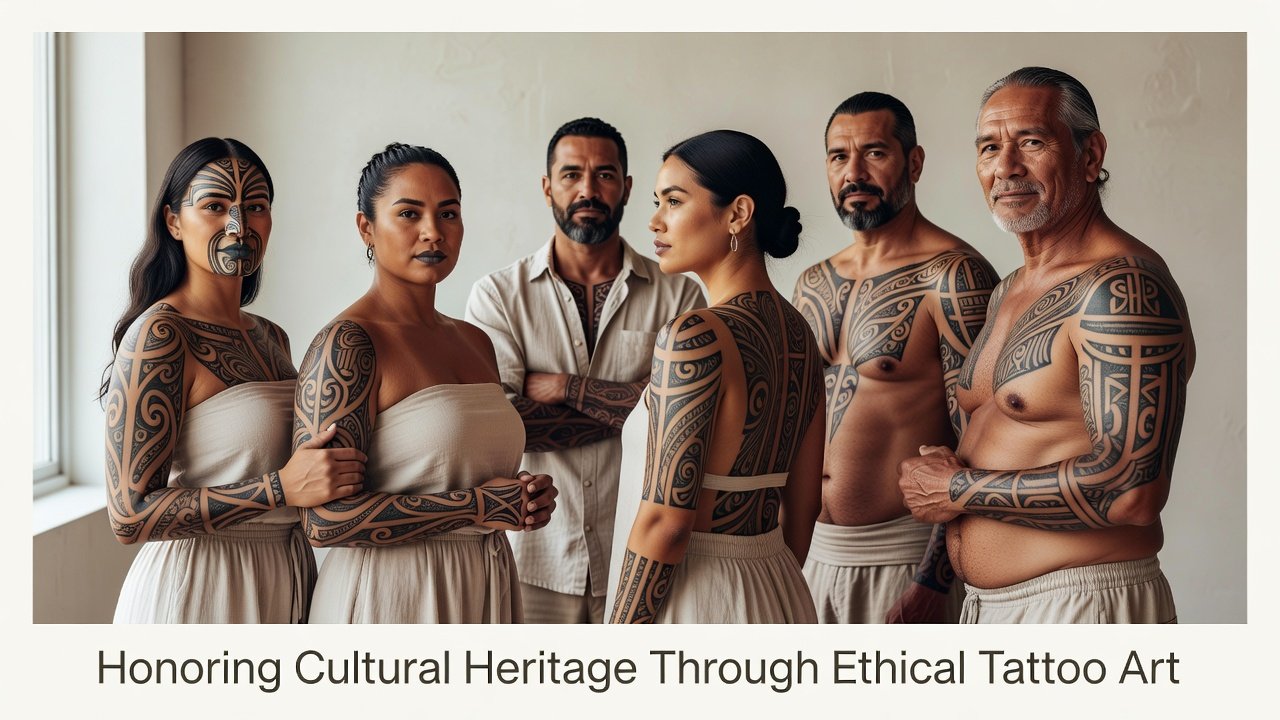
Personalization elevates minimalist tattoos from generic art to meaningful expressions. Always approach symbols with research into their origins, especially when drawing from non-Western cultures. For example, certain dot patterns hold sacred meaning in indigenous practices, requiring thoughtful adaptation or avoidance. Work with artists who prioritize ethical design and can suggest respectful alternatives. Personal touches like incorporating birthdates in dot form or customizing wave patterns to match a favorite coastline make the piece uniquely yours while maintaining simplicity.
Practical Tips for Before and After Designs
Before committing, create temporary versions using henna or marker to test daily visibility. After the session, follow strict aftercare protocols including moisturizing and avoiding sun exposure for the first month. Real examples demonstrate that clients who documented their healing process often achieved better long-term results through consistent care. Comparing popular styles shows that single-line icons typically require fewer touch-ups than multi-layered designs.
FAQ: Avoiding Common Mistakes
How do I ensure cultural respect? Study origins via reputable sources and avoid appropriating sacred symbols without context.
What if the design fades? Opt for experienced artists and proper aftercare to maintain line integrity.
Can I combine multiple symbols? Yes, but balance spacing to preserve minimalist ethos and avoid visual noise.
How do I choose the right artist? Review portfolios for healed minimalist work and ask about their experience with negative space techniques.
Is there an ideal size for first tattoos? Smaller symbols under two inches often suit beginners, allowing easy concealment if desired.
Conclusion
Minimalist tattoo symbols offer powerful ways to express resilience, change, and identity through thoughtful simplicity. By following these steps and honoring cultural roots, your next piece can become a cherished personal emblem. Explore further with resources from The Metropolitan Museum of Art on symbolic art traditions and Britannica for deeper historical context on body art meanings. With careful planning, these designs deliver lasting impact far beyond their minimal appearance.

No comments yet. Be the first!