 Inked Mythos
Introduction: The Power of Symbolic Tattoos Beyond the Surface
Symbolic tattoos offer more than aesthetic appeal—they serve as permanent markers of personal growth, resilience, and identity. For many, these designs become catalysts for emotional healing and life transformation. This article delves into five authentic case studies drawn from real experiences, highlighting chosen symbols, individual backstories, collaborative design processes with artists, and lasting emotional effects. Readers seeking deeper connections will find practical comparisons, challenges in expressing meaning, and actionable advice for those exploring tattoo symbolism for the first time or refining an existing concept.
Whether you're a beginner exploring your first tattoo or an intermediate enthusiast refining your vision, these stories illustrate how symbols like the phoenix, lotus, tree of life, anchor, and compass can anchor profound change. We'll also address common hurdles and provide tips for selecting designs that resonate long-term, including how to navigate cultural contexts and artist collaborations effectively. The search for authentic inspiration often leads individuals to symbolic body art as a form of self-expression that evolves with their lives, offering both visual beauty and emotional anchoring that generic designs rarely achieve.
Case Study 1: The Phoenix Rising from Adversity
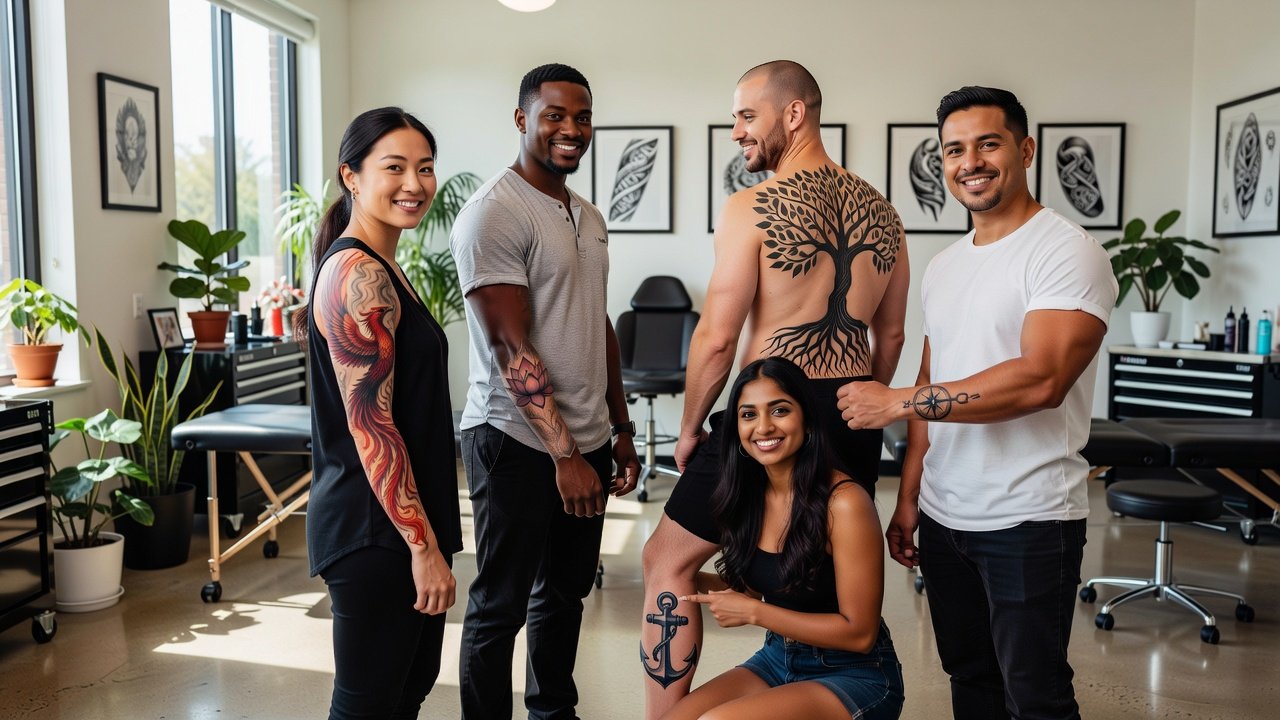
Sarah, a 34-year-old survivor of a life-altering accident, chose a phoenix tattoo after two years of physical therapy. Her backstory involved losing mobility and battling depression, which she overcame through mindfulness practices and support groups. The design process began with consultations emphasizing vibrant reds and oranges against subtle flames to represent rebirth. Over three sessions, the artist incorporated personal elements like hidden initials in the feathers, adjusted sizing for her shoulder blade placement, and refined shading to blend with existing scar tissue. Long-term effects include boosted confidence; Sarah reports viewing her body as a story of victory rather than limitation. Before-and-after reflections show a shift from avoidance to celebration of her scars integrated into the artwork, with the tattoo serving as a daily motivator during tough periods.
Case Study 2: The Lotus for Inner Resilience
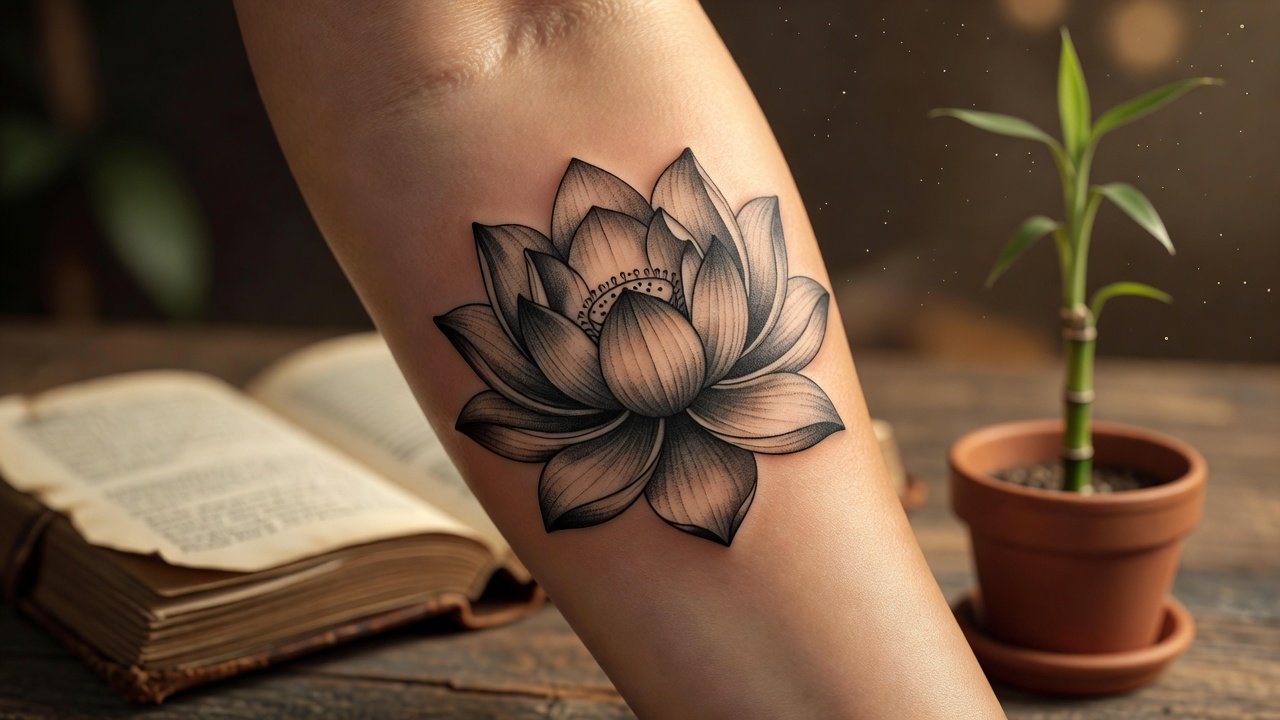
Mark, a 29-year-old teacher, selected a lotus after navigating career burnout and family loss. The flower emerging from mud symbolized his journey from chaos to calm. Working with a specialist in botanical tattoos, they refined the design over sketches to include subtle water ripples reflecting his meditation routine, tested color palettes for skin tone compatibility, and finalized placement on the inner forearm for easy visibility during stressful moments. Emotional outcomes two years later include improved stress management and a daily reminder of growth. Challenges included conveying abstract resilience without clichés, resolved through custom shading techniques that added depth and movement to the petals.
Case Study 3: Tree of Life Representing Family Bonds
Elena, a 41-year-old mother, opted for a tree of life after divorce and rebuilding her support network. Roots and branches incorporated family birthdates and cultural motifs from her heritage. The iterative design process involved multiple revisions to balance detail with wearability on her upper back, incorporating feedback sessions where elements like leaf shapes were adjusted for symmetry and longevity. Reflections highlight strengthened familial ties and a sense of rooted stability. Comparisons to simpler leaf tattoos showed the tree's complexity better captured interconnectedness, providing a richer narrative that grows with family milestones.
Case Study 4: Anchor for Emotional Stability
James, a 37-year-old veteran, used an anchor to mark his transition from military service to civilian life. The symbol addressed PTSD challenges, with the design featuring rope details evoking strength and grounding. Artist collaboration focused on placement on the calf for daily visibility during runs, multiple stencil tests for proportion accuracy, and integration of subtle military-inspired line work without overt references. Long-term effects encompass reduced anxiety triggers and a tangible sense of permanence. Before-and-after notes reveal a move from isolation to community involvement, as the tattoo became a conversation starter in support circles.
Case Study 5: Compass for Life Direction
Aisha, a 26-year-old graduate student, chose a compass post-graduation uncertainty and identity exploration. The north-pointing design included coordinates from meaningful travels. The process emphasized minimalist lines for subtlety, with artist input on negative space usage, testing on different body areas, and ensuring the symbol aligned with her evolving career path in education. Effects include clearer decision-making and self-trust. Different symbolism approaches, like arrows versus full compasses, were compared for directional impact, with the compass proving more versatile for ongoing personal navigation.
Challenges in Conveying Meaning and Symbol Comparisons
Translating abstract emotions into visuals often requires artist input to avoid misinterpretation. For instance, phoenixes suit dramatic rebirth stories, while lotuses excel in quiet resilience—choices depend on personal narrative depth. Common pitfalls include overcomplicating designs, leading to regret; starting simple allows evolution. Comparisons across cases show that nature-based symbols like trees and lotuses foster ongoing reflection, whereas directional ones like anchors and compasses provide immediate grounding. Individuals must also consider how symbols interact with body movement and aging skin, a factor discussed in early consultations.
How to Work with Tattoo Artists for Symbolic Designs
Successful symbolic tattoos depend on clear communication. Begin by preparing mood boards with reference images and personal stories. Schedule multiple consultations to iterate on concepts. Discuss placement implications, such as how a forearm tattoo affects professional settings versus a back piece for private reflection. Request portfolio examples of similar work to ensure stylistic fit. These steps help bridge the gap between vision and execution, reducing revisions later.
Practical Tips for Selecting Meaningful Symbolic Designs
- Reflect on core life events and journal symbols that evoke them naturally, reviewing entries over weeks to identify patterns.
- Research cultural contexts via authoritative sources to ensure respectful use, such as Britannica's entries on global symbols.
- Collaborate early with artists experienced in custom work for accurate representation and to incorporate personal details seamlessly.
- Consider placement, size, and future visibility for sustained relevance, factoring in lifestyle changes like career shifts.
- Test concepts with temporary versions before committing, allowing time to assess emotional resonance in daily life.
- Review healing and aftercare guidelines from trusted health resources like Mayo Clinic skin care advice to maintain design integrity long-term.
FAQ: Common Concerns About Symbolic Body Art
How painful is getting a symbolic tattoo?
Pain varies by location and individual tolerance, typically described as moderate for most placements, with areas like ribs or joints being more intense.
Can symbols lose meaning over time?
Personal significance often deepens with life stages, though evolving interpretations are normal and can enhance the tattoo's value.
What if my story changes after the tattoo?
Many view additions or cover-ups as extensions of their journey rather than failures, turning the piece into a layered narrative.
How do I find the right artist?
Seek portfolios matching your style and schedule consultations to discuss symbolism, ensuring alignment on both technical skill and conceptual understanding.
Are there age or health considerations?
Consult medical professionals for any skin conditions or medications that might affect healing, and ensure you're in a stable emotional state before proceeding.
Conclusion: Embracing Transformation Through Ink
These case studies demonstrate symbolic tattoos as powerful tools for personal evolution. By focusing on authentic stories and thoughtful design, individuals create lasting reminders of strength. Begin your journey with reflection and professional guidance for a meaningful result that continues to inspire over years.
No comments yet. Be the first!