 Inked Mythos
Revolutionizing Body Art: Irezumi Meets Blackwork and Hyper-Realism
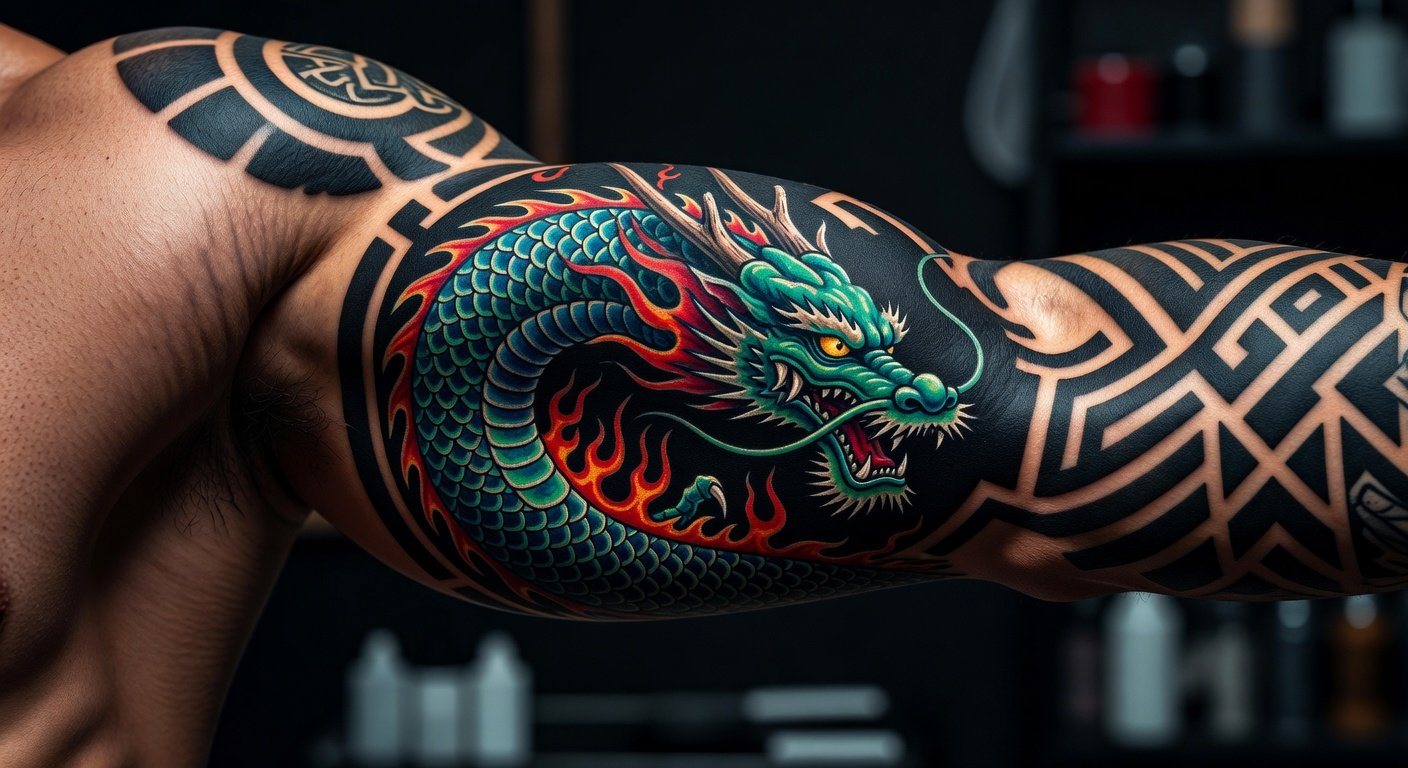
Traditional Japanese irezumi tattoos, known for their vibrant colors, intricate motifs like dragons, koi fish, and cherry blossoms, are undergoing a modern metamorphosis. In 2026, artists are boldly fusing these timeless symbols with the stark, graphic power of blackwork lines and the lifelike precision of hyper-realistic shading. This innovative blend creates tattoos that honor cultural roots while pushing contemporary boundaries, resulting in pieces that are both deeply meaningful and visually striking.
Irezumi, often called irezumi or horimono, has a rich history tied to Japan's yakuza culture and folklore. For a deeper dive into its origins, check out Britannica's overview of tattooing history. Today, this fusion style appeals to those seeking tattoos that tell a story with modern edge.
Understanding the Core Elements
Classic Irezumi Motifs
Irezumi designs draw from nature and mythology: fierce dragons symbolizing power, koi fish for perseverance, peonies for wealth, and tigers for strength. These are traditionally rendered in tebori (hand-poking) with bold outlines and gradient shading using colorful inks.
Bold Blackwork Lines
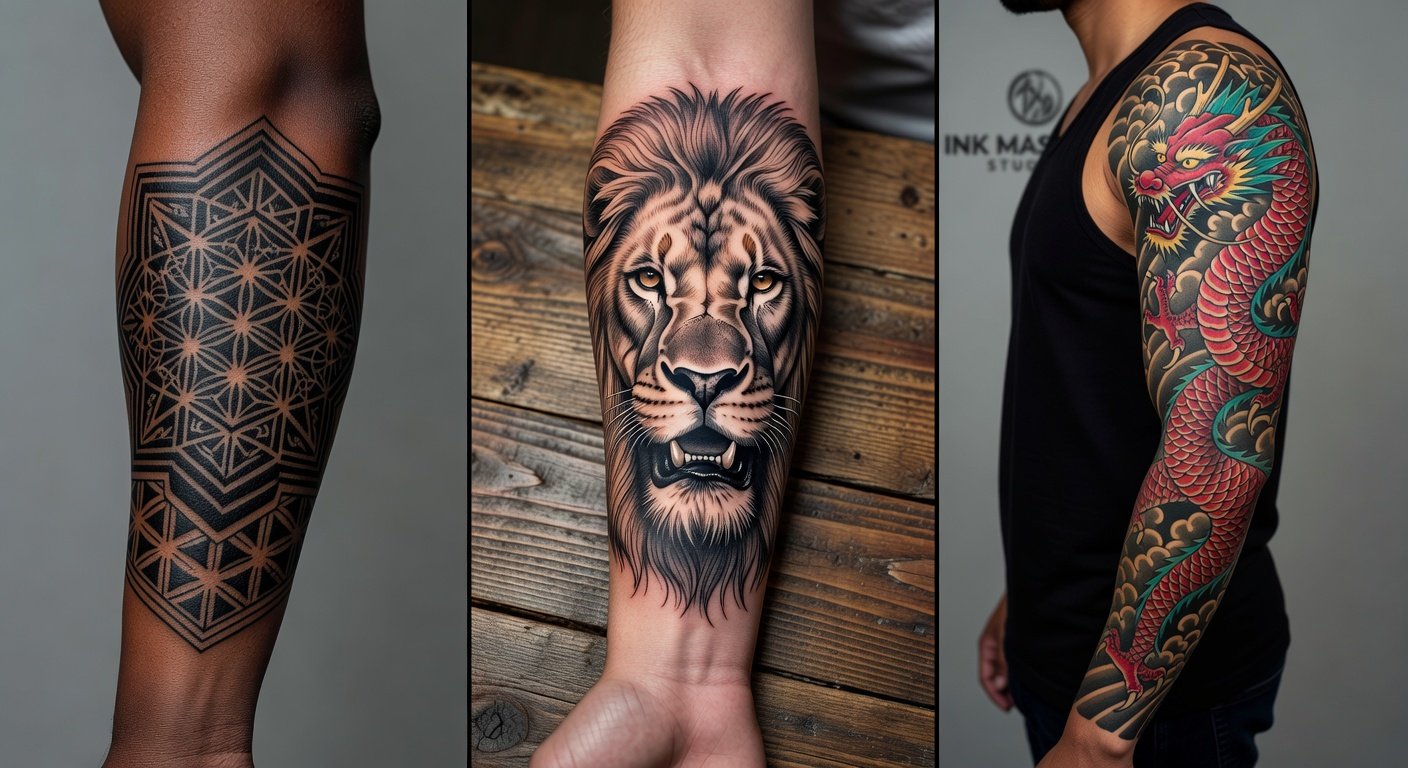
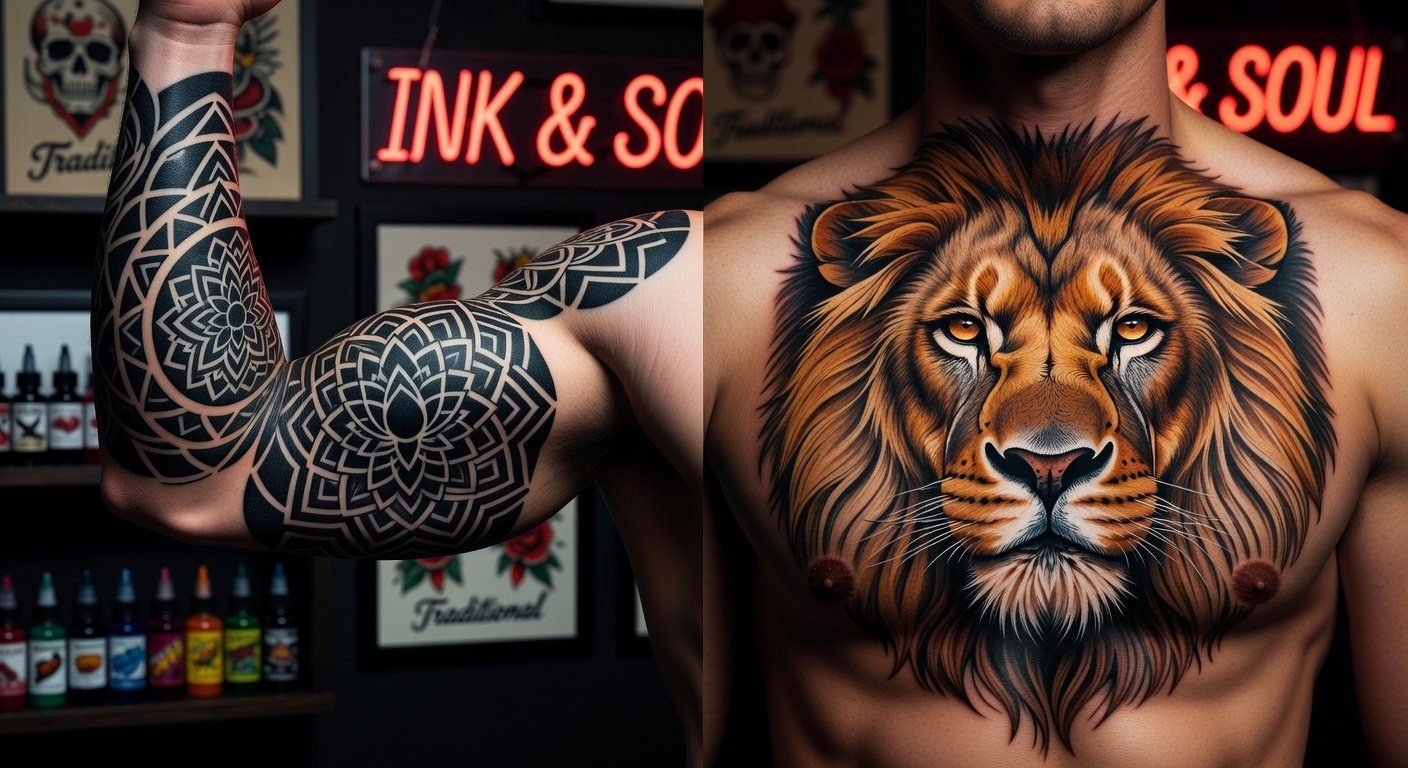
Blackwork emphasizes thick, solid black lines and negative space, creating geometric patterns, tribal influences, or abstract fills. When integrated with irezumi, these lines amplify the motifs' drama, turning flowing waves into sharp, architectural frameworks.
Hyper-Realistic Details
Hyper-realism adds photorealistic textures—scales glistening on a dragon, water droplets on lotus leaves, or fur on mythical beasts. This technique uses fine dotwork, whip shading, and meticulous ink blending for depth that makes tattoos appear three-dimensional.
Top 2026 Trends in Irezumi-Blackwork Fusion
Looking ahead to 2026, tattoo enthusiasts can expect these standout trends:
- Mythical Beasts Reimagined: Dragons and phoenixes with hyper-realistic eyes and scales outlined in heavy blackwork, evoking ancient power in a cyberpunk aesthetic.
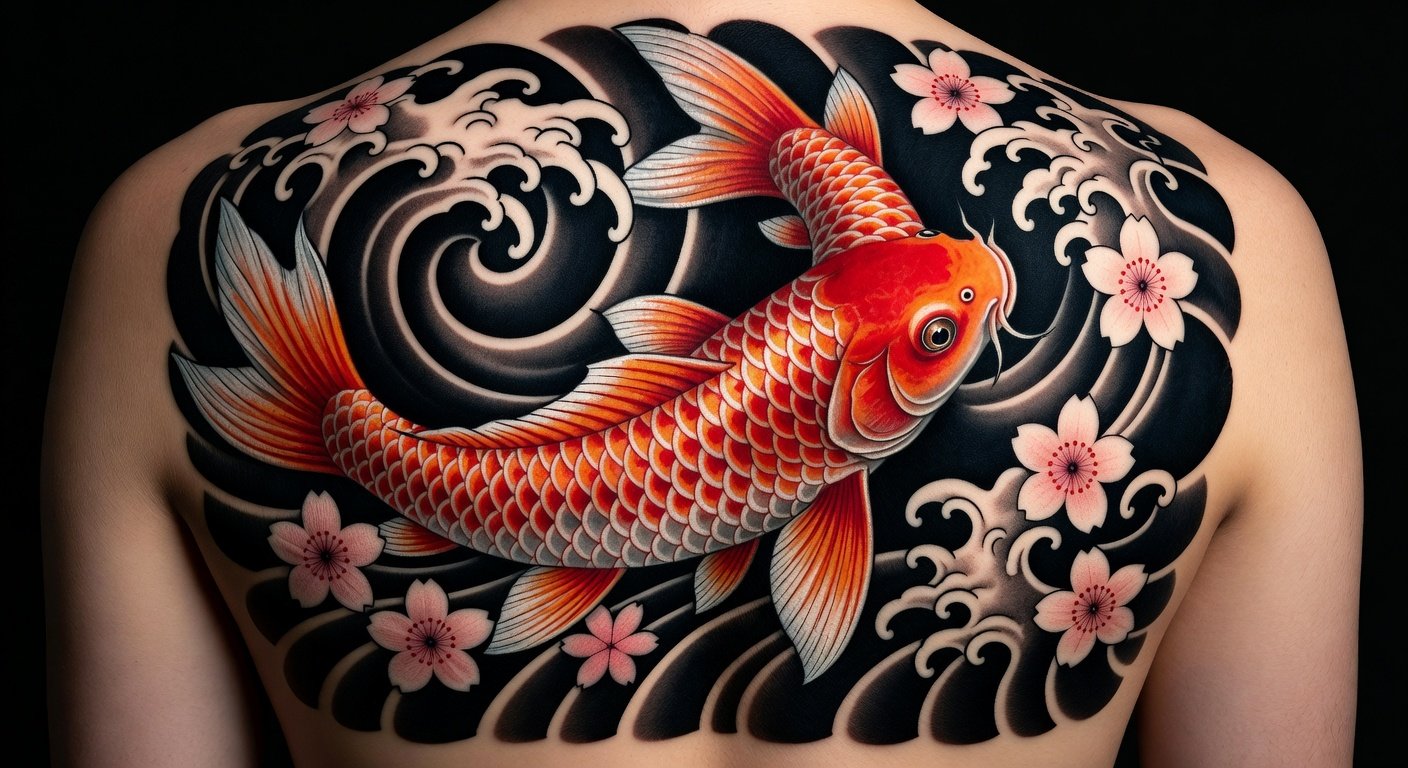
- Nature in Negative Space: Koi swimming through bold black geometric waves, where hyper-detailed fins contrast stark voids.
- Biomechanical Blends: Traditional samurai armor fused with organic blackwork circuits and realistic metallic sheens.
- Minimalist Macro: Large-scale single motifs like a hyper-real peony with blackwork veins, perfect for bold statements.
- Cosmic Folklore: Irezumi demons orbiting blackwork mandalas with starry, realistic nebulae.
These trends reflect a global shift toward tattoos that merge cultural reverence with street art vibes, dominating social media and tattoo conventions.
Artist Case Studies: Masters of the Fusion
Horitomo (USA/Japan)
Building on his father's legacy (Horitomo Kuniyoshi), this artist exemplifies seamless irezumi-blackwork hybrids. His back piece of a blackwork-framed oni demon with hyper-realistic blood drips has gone viral, showcasing how traditional full-body suits evolve into modular sleeves.
Ava Harumi (Europe)
Harumi's forearm koi designs use blackwork scales for a textured, realistic flow. Clients rave about the personalization—adapting motifs to life stories, like a koi transforming mid-swim to symbolize personal growth.
Jax Blackthorn (Australia)
Known for large-scale leg pieces, Blackthorn layers hyper-realistic irezumi tigers over blackwork forests. His process involves custom sketches blending client input with traditional references, proving fusion's versatility.
Follow these artists on Instagram for inspiration, and consider booking consultations early—2026 slots are filling fast.
Design Tips for Seamless Blends
- Start with Motif Selection: Choose irezumi symbols matching your narrative. Pair a perseverance koi with blackwork currents for momentum.
- Balance Density: Use blackwork for bold anchors, hyper-realism for focal details. Avoid overcrowding—negative space breathes life.
- Line Weight Harmony: Thicken irezumi outlines to match blackwork's boldness, then refine with dots for realism.
- Color Restraint: Limit palettes to black/grey with selective irezumi pops (e.g., red eyes) for impact.
- Digital Mockups: Use apps like Procreate for previews, ensuring flow across body contours.
Placement Ideas for Maximum Impact
Sleeves and Arms: Ideal for dynamic motifs like dragons coiling around blackwork sleeves—visible yet professional.
Back Pieces: Full irezumi landscapes with hyper-real waves and blackwork horizons for epic storytelling.
Legs and Thighs: Tigers prowling through geometric thickets, wrapping curvatures naturally.
Chest and Ribs: Smaller koi or lotuses with realistic shading over bold frames—intimate and heal-friendly.
Hands and Feet: Minimal blackwork irezumi icons for everyday flair, like a tiny phoenix rising.
Aftercare for Intricate Fusion Tattoos
These detailed pieces demand meticulous care to preserve lines and shading. Wash gently with fragrance-free soap, moisturize with unscented lotion, and avoid sun exposure. For official guidance, refer to Mayo Clinic's tattoo aftercare tips. Expect 2-4 weeks healing; intricate areas like ribs take longer. Use breathable wraps initially, and consult your artist for custom regimens.
Customization Advice for Personalization
Make it yours: Incorporate birthdates into wave patterns, pet portraits as hyper-real koi companions, or career symbols (e.g., blackwork tools in a craftsman motif). Collaborate closely—share mood boards, discuss pain thresholds for placements, and iterate sketches. Ethical artists respect cultural sensitivity, adapting irezumi without appropriation.
This fusion isn't just ink; it's a bridge between eras, empowering wearers to wear their heritage boldly into the future.
No comments yet. Be the first!