 Inked Mythos
Introduction to Organizing a Local Tattoo Event
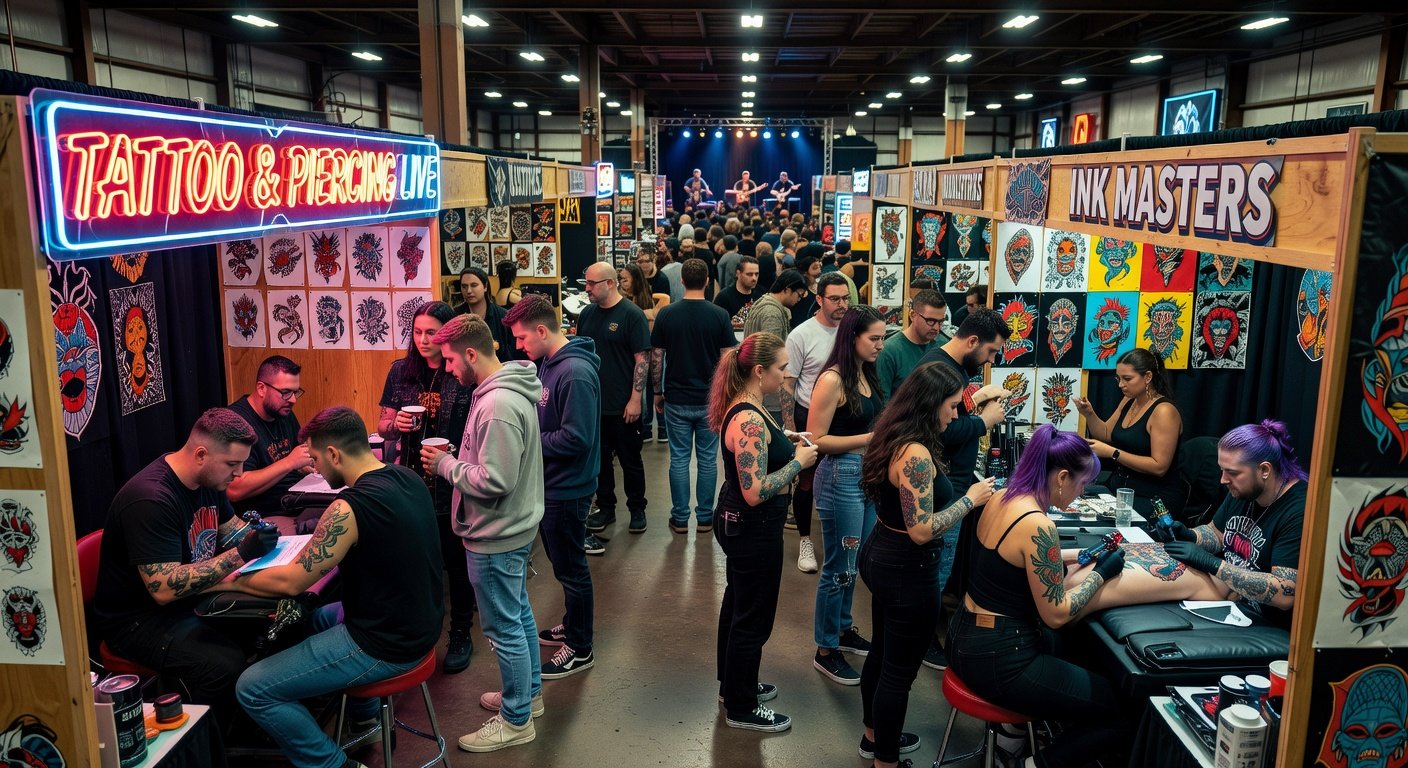
Organizing a local tattoo event is an exciting way to bring together artists, enthusiasts, and the body art community. These gatherings foster deep connections within tattoo culture, allowing people to share stories, discover new designs, and celebrate ink as an art form. Whether you're a tattoo enthusiast or a budding event planner, hosting one can strengthen local networks and promote creativity. In this beginner's guide, we'll walk you through every step, from securing permits to marketing and interactive activities. We'll also include 2026-specific tips like sustainable practices and AR tattoo previews, real-world examples, and handy checklists for success.
Why Host a Local Tattoo Event?
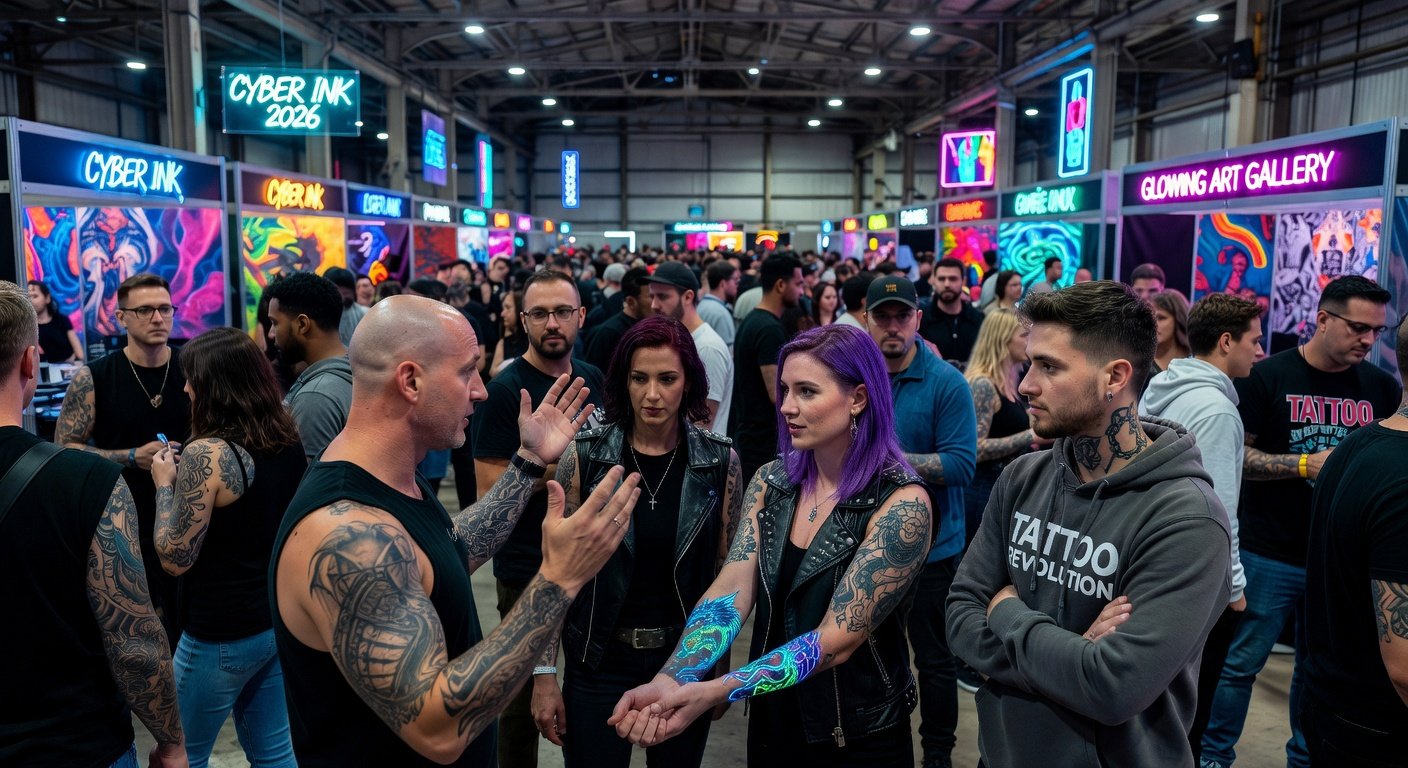
Tattoo events go beyond flash tattoos and booths—they build community. Attendees connect over shared passions, artists gain exposure, and newcomers learn about safe practices. Events like these have exploded in popularity, mirroring the growth of tattoo culture. According to industry trends, local conventions help sustain the art form by encouraging collaboration and education.
Step 1: Secure Permits and Legal Requirements
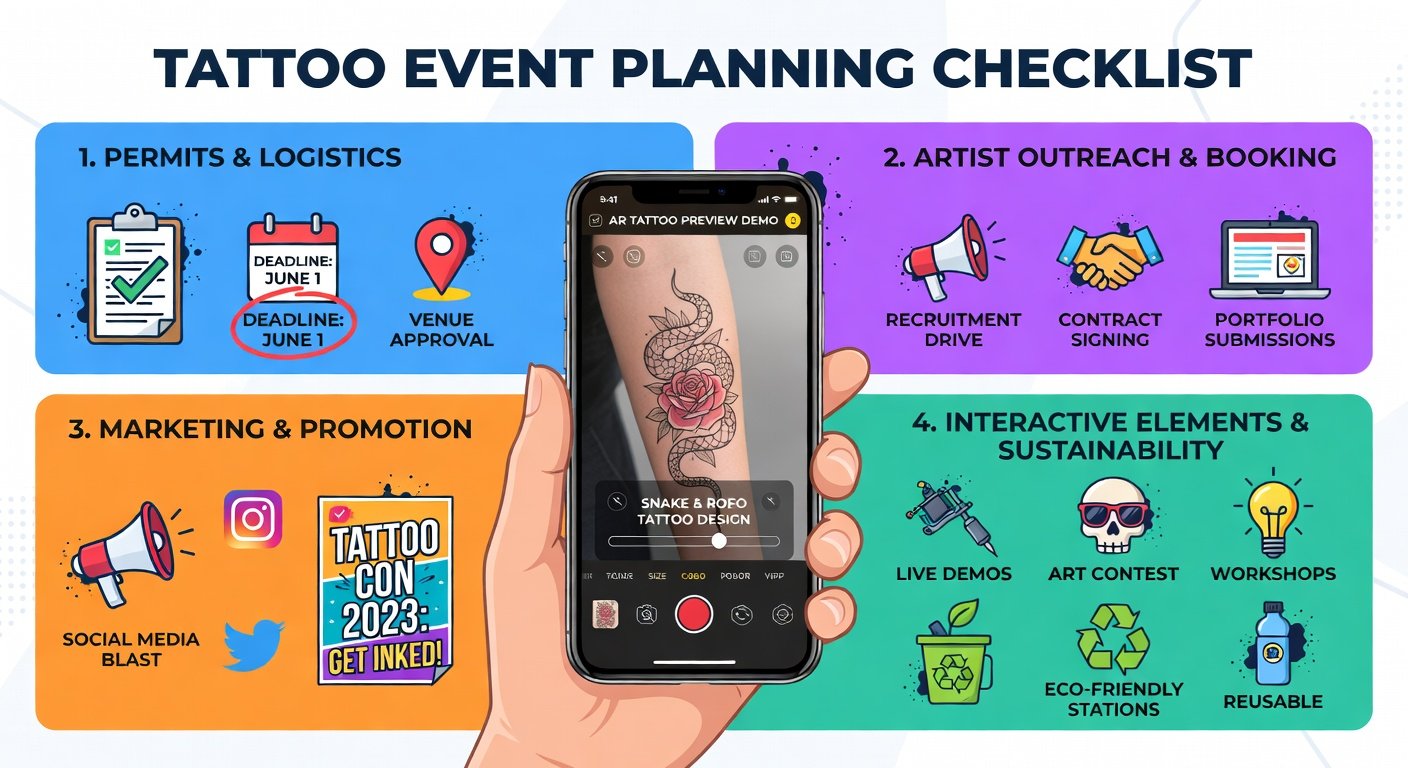
The foundation of any successful event is compliance. Start by researching local regulations for public gatherings, health codes, and vendor permits. Contact your city hall or county clerk for event permits, especially if alcohol or live music is involved.
- Check zoning laws for venue suitability.
- Obtain health department approval for tattooing stations—ensure artists have bloodborne pathogen certifications.
- Get liability insurance to protect against accidents.
For tattoo-specific safety, refer to guidelines from the FDA, which oversees inks and procedures. Real-world example: The 2023 Denver Tattoo Convention navigated strict health permits by partnering with local clinics for on-site checks, avoiding fines.
Permits Checklist
- Event permit from local government.
- Health inspection clearance.
- Vendor licenses for artists/merchants.
- Fire marshal approval for capacity.
- Insurance certificate (at least $1M coverage).
Step 2: Venue Selection and Logistics
Choose a venue that's accessible, spacious (500-2000 sq ft for beginners), and tattoo-friendly—like community centers, warehouses, or parks. Budget $500-$3000 for rental. Factor in power outlets for machines, good lighting, and parking.
Timeline: Book 3-6 months in advance. Set a date avoiding major holidays or competing events.
Step 3: Artist Outreach and Vendor Recruitment
Reach out to local tattoo artists via Instagram, Facebook groups, or platforms like SBA.gov small business networks. Offer booth spaces at $50-200 each, including tables and electricity.
- Create a simple application form: portfolio, experience, specialties.
- Aim for 10-20 artists for a starter event.
- Invite diverse styles—traditional, realism, minimalist—to attract varied crowds.
Example: The Austin Ink Fest started small by emailing 15 local shops, resulting in 12 participants and sold-out attendance.
Step 4: Marketing to the Body Art Community
Target tattoo lovers through niche channels: Instagram Reels (#TattooEvent, #LocalInk), TikTok challenges, and Reddit's r/tattoos. Use free tools like Canva for flyers and Eventbrite for ticketing ($10-20 entry).
- Partner with local shops for cross-promotion.
- Run giveaways: free flash tattoos or merch.
- Email blasts to 500+ subscribers via Mailchimp free tier.
Budget: $200-500 for boosted posts. Track RSVPs to gauge turnout.
Step 5: Plan Interactive Activities
Make it memorable with hands-on fun:
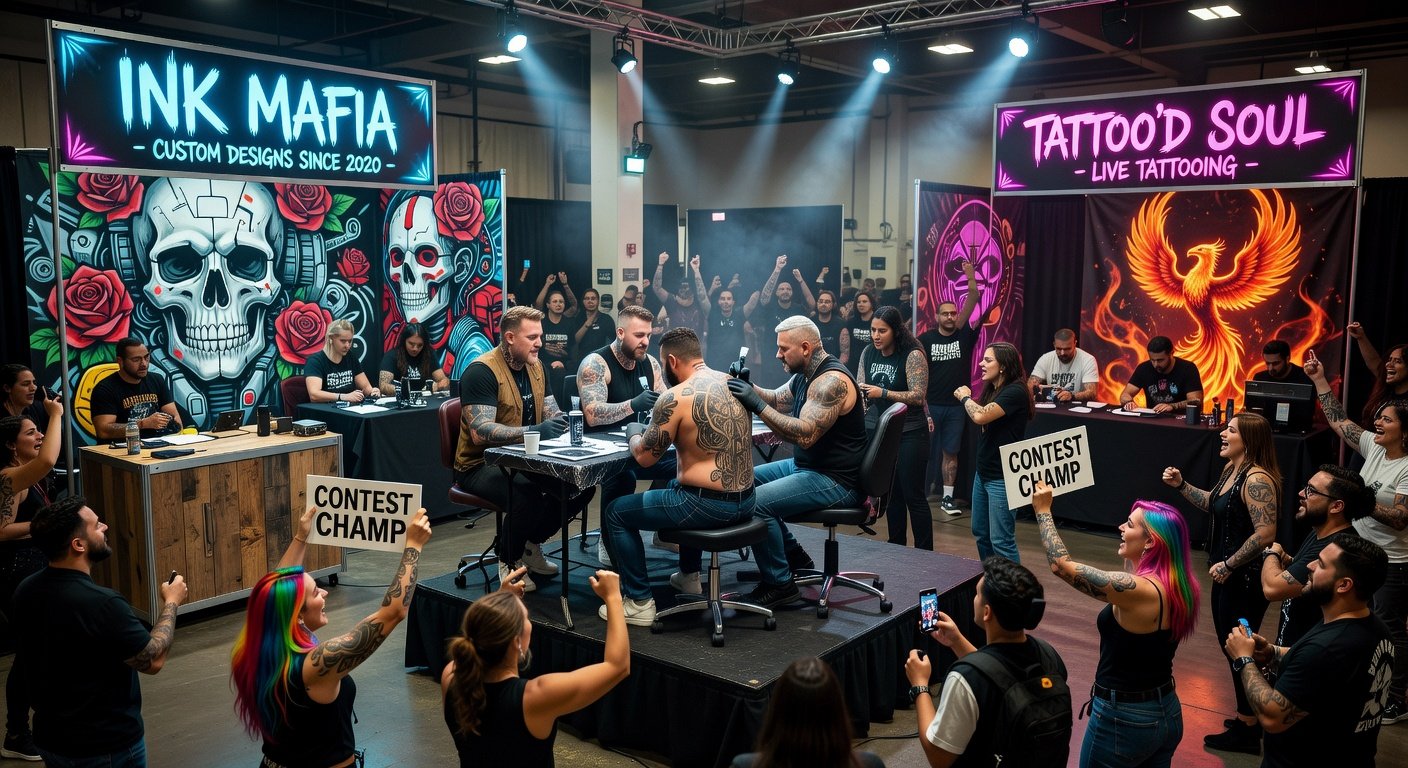
- Live tattooing demos (with models).
- Tattoo storytelling circles.
- Design contests with prizes.
- Aftercare workshops.
These activities deepen connections, turning attendees into repeat visitors.
2026-Specific Tips: Sustainability and AR Innovations
By 2026, eco-conscious and tech-savvy events will dominate. Implement sustainable practices:
- Use biodegradable gloves and recycled booth materials.
- Zero-waste stations with reusable water bottles.
- Digital flyers to cut paper use.
Incorporate AR tattoo previews: Apps like InkHunter let guests virtually try designs on their skin via phone scanners. Set up demo stations—partner with developers for custom filters. Example: The 2025 Berlin Tattoo Expo used AR booths, boosting engagement by 40%.
Real-World Examples of Success
The Portland Tattoo Expo grew from a backyard bash to a 500-attendee event by following these steps, emphasizing artist spotlights. Similarly, Miami's Urban Ink Meetup thrived on Instagram marketing and free workshops, fostering a loyal community.
Full Event Planning Checklist
- Pre-Event (3 months out): Secure venue/permits, recruit artists.
- 1 Month Out: Finalize marketing, sell tickets.
- Week Of: Setup rehearsal, confirm vendors.
- Day Of: Greeters, schedule, emergency kit.
- Post-Event: Thank-yous, feedback survey, photos for next promo.
Budget template: Venue ($1500), Marketing ($400), Insurance ($300), Misc ($800). Total under $3000 for profit potential.
Conclusion: Ignite Your Local Tattoo Scene
With careful planning, your tattoo event can become a cornerstone of local culture. Start small, learn from each one, and watch connections flourish. Ready to ink your community? Follow this guide and dive in!
No comments yet. Be the first!