 Inked Mythos
Introduction to Distinct Tattoo Styles
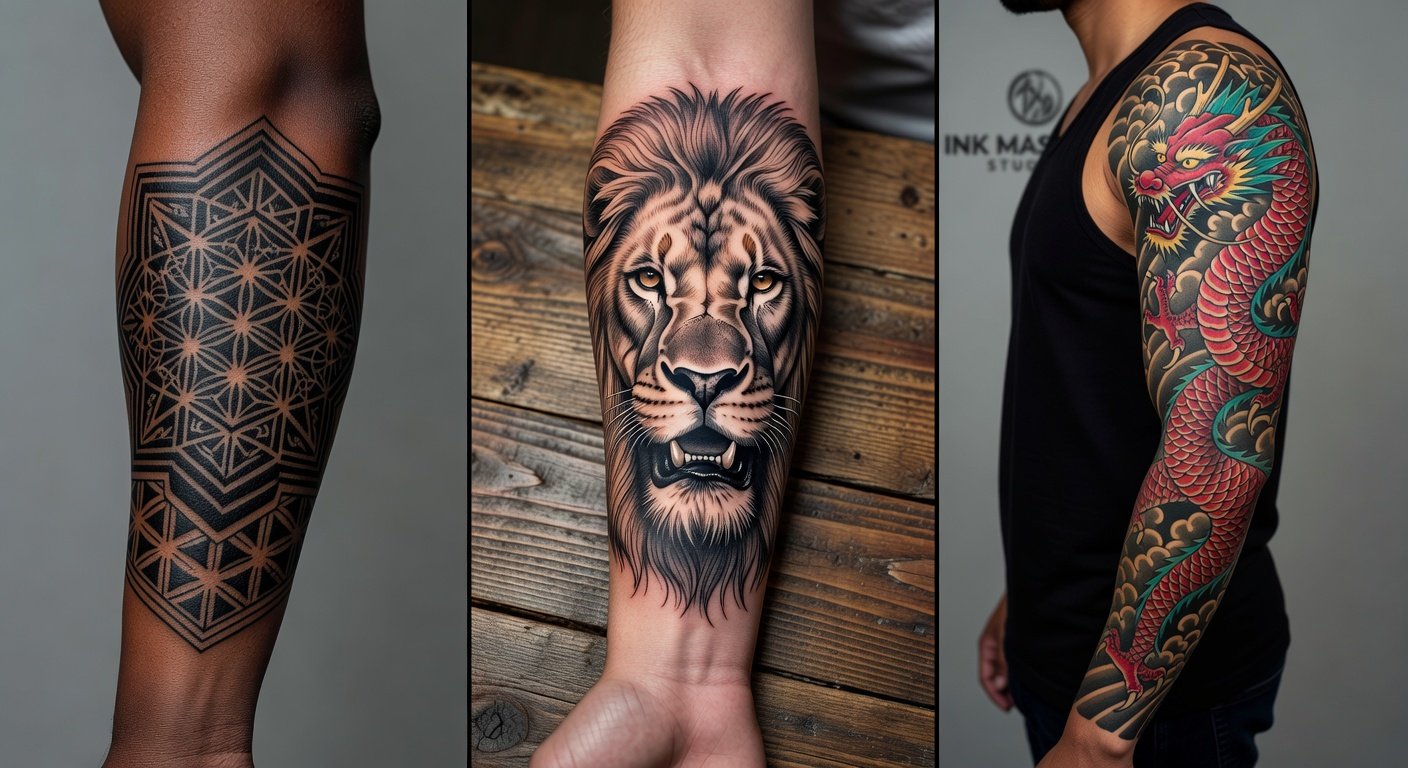
Body art has evolved into a global phenomenon, with tattoo styles offering unique ways to express identity, culture, and creativity. For beginners, understanding blackwork, realism, and irezumi tattoos is key. Blackwork features bold, solid black ink designs; realism captures lifelike portraits and scenes; and irezumi draws from Japanese tradition with vibrant, full-body narratives. This guide covers their histories, techniques, iconic motifs, selection tips, and emerging 2026 trends blending these styles.
Blackwork Tattoos: Bold and Timeless
Blackwork tattoos emphasize dense black ink, creating striking contrasts with negative space. Originating from ancient tribal practices, modern blackwork surged in popularity during the 2010s via geometric and dotwork artists.
History
Rooted in Polynesian, Celtic, and Egyptian traditions, blackwork uses solid shading for symbolic patterns. Unlike colorful tattoos, it relies on ink opacity for depth. For more on tattoo history, check Britannica's tattooing overview.
Signature Techniques
Artists employ packing (layering ink for solid black), dotwork (tiny dots for shading), and whipping (bold lines). These create geometric shapes, mandalas, or organic forms that age well without fading colors.
Iconic Motifs
- Geometric patterns and sacred geometry
- Skulls, roses, and animals in bold outlines
- Dotwork mandalas and tribal motifs
Blackwork suits minimalists seeking high-contrast art.
Realism Tattoos: Lifelike Mastery
Realism tattoos mimic reality with hyper-detailed portraits, animals, or scenes, using shading for three-dimensional effects. Popularized in the 1990s by American artists, it demands precision.
History
Evolving from portraiture in the early 20th century, realism exploded with advanced machines and inks. It draws from fine art techniques like chiaroscuro for light and shadow.
Signature Techniques
Key methods include whip shading for smooth gradients, color packing for skin tones, and fine-line detailing for textures like fur or wrinkles. Black and gray realism is common, with subtle colors for eyes or lips.
Iconic Motifs
- Portraits of loved ones or celebrities
- Animals (lions, wolves) with piercing eyes
- Landscapes or hyper-realistic fruits/flowers
Ideal for storytelling through photorealism.
Irezumi Tattoos: Japanese Heritage
Irezumi, traditional Japanese tattoos, feature flowing lines, vibrant colors, and mythical themes. Often covering backs or arms, they symbolize protection and status.
History
Dating to the Edo period (1603–1868), irezumi was linked to firefighters and yakuza. Tebori (hand-poking) was traditional, now often machine-assisted. Despite bans, it persists as cultural art. Explore origins at The Metropolitan Museum of Art, which houses related exhibits.
Signature Techniques
Tebori uses bamboo rods for textured lines; modern irezumi adds color washes and bold outlines. Backgrounds (kikkō patterns) fill space around main subjects.
Iconic Motifs
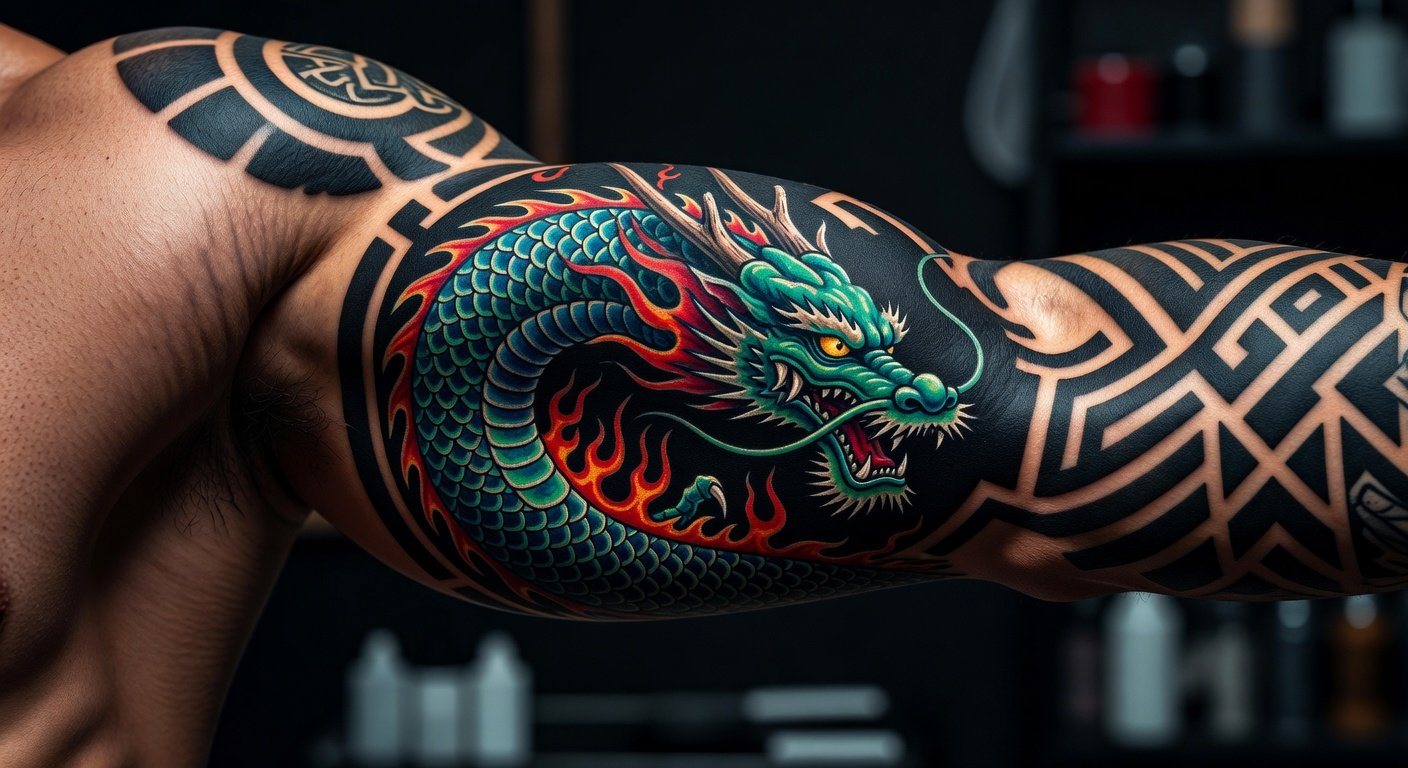
- Dragons, koi fish, and phoenixes for strength
- Cherry blossoms, waves, and peonies
- Full-body bodysuits (nagashibori)
Irezumi demands commitment due to size and detail.
Choosing the Right Style: Skin Tone, Pain, and Placement
Selecting a style involves personal factors for optimal results and satisfaction.
Skin Tone Considerations
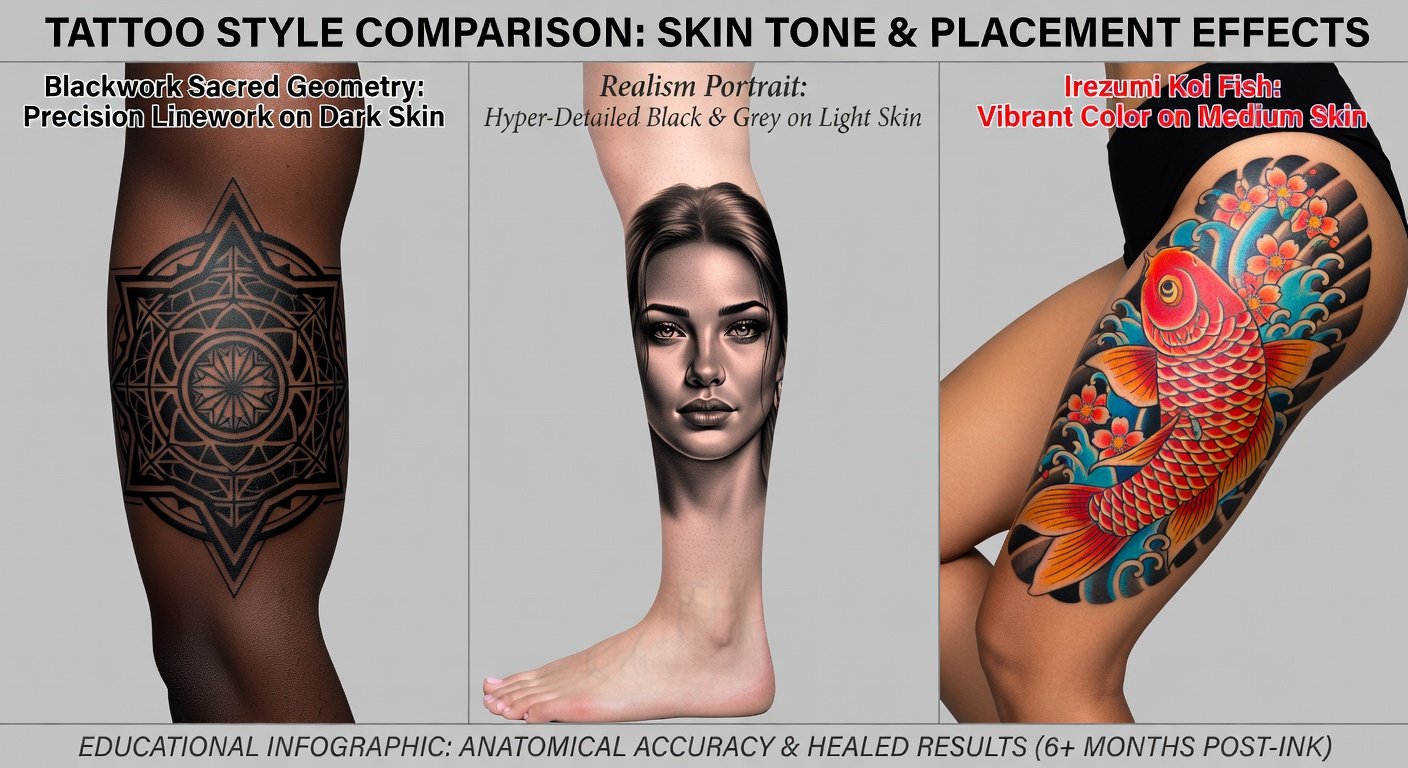
Darker skin tones excel with blackwork's high contrast, avoiding color washout. Realism shines on lighter skin for subtle shading but requires skilled artists for melanin-rich tones. Irezumi's bold lines and reds work across tones, though vibrant hues pop more on fair skin.
Pain Tolerance and Placement
Blackwork is less painful in fleshy areas like thighs due to solid shading. Realism demands steady hands, suiting low-pain spots like upper arms. Irezumi's large designs on ribs or backs intensify pain—opt for forearms if low tolerance.
| Style | Best Skin Tones | Pain Level (1-10) | Ideal Placement |
|---|---|---|---|
| Blackwork | Dark/Medium | 5-7 | Arms, Legs, Chest |
| Realism | Light/Medium | 6-8 | Forearms, Calves, Back |
| Irezumi | All | 7-9 | Back, Sleeves, Thighs |
Consult artists experienced in your skin type for mockups.
Emerging 2026 Trends: Blending Styles
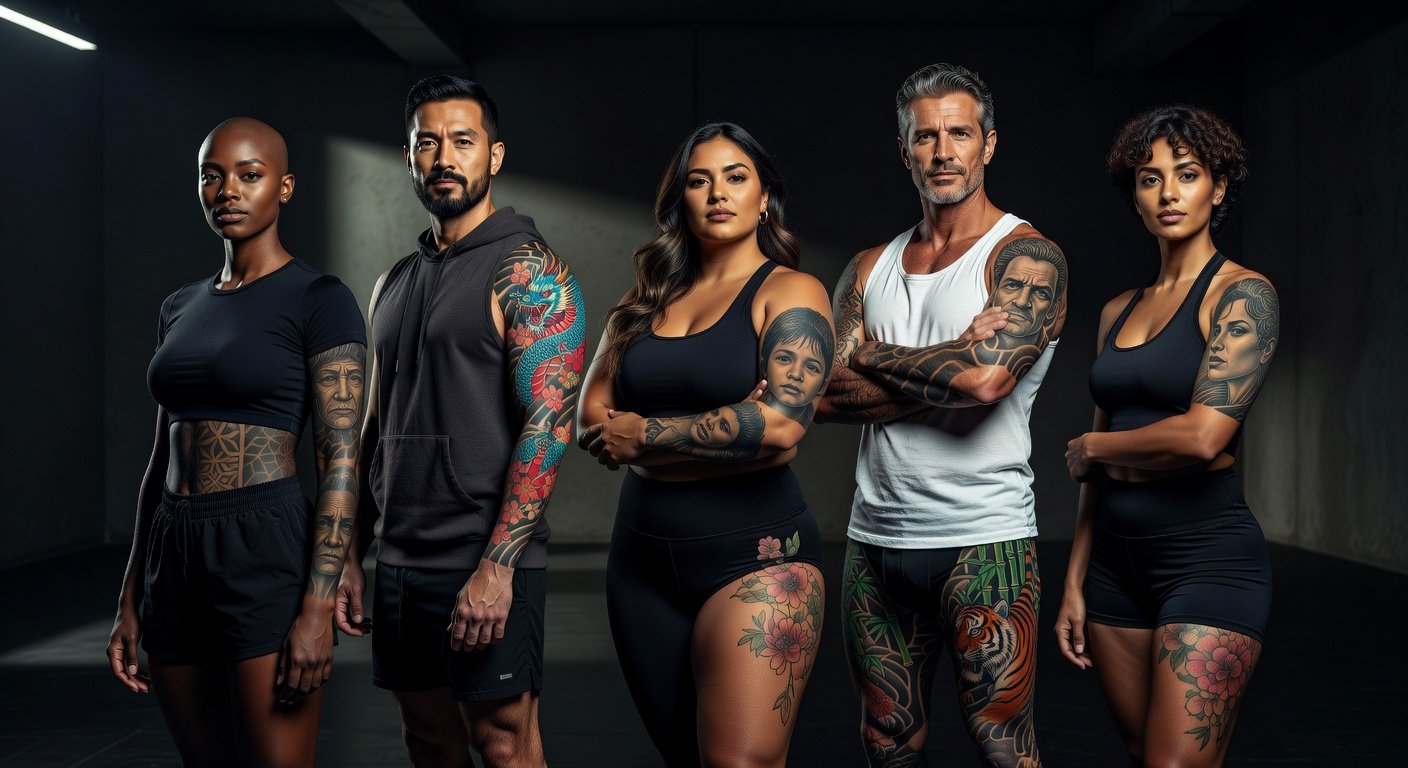
2026 sees hybrids: blackwork realism (solid black portraits), irezumi-infused realism (mythical creatures photorealistically), and neo-blackwork irezumi (geometric dragons). Personalization via AI design tools allows custom blends, like a realistic koi in blackwork waves.
Sustainability trends favor vegan inks, with UV-reactive elements for irezumi. Minimalist placements (wrists, ankles) mix styles for subtle impact. Expect micro-realism sleeves with irezumi motifs in blackwork bases.
Tips for Blended Designs
- Research hybrid artists on platforms like Instagram.
- Test with temporary tattoos.
- Prioritize aftercare for blended ink types.
For safety, follow guidelines from FDA on tattoo inks.
Final Thoughts
Whether bold blackwork, lifelike realism, or storied irezumi, your tattoo is a lifelong canvas. Start small, choose wisely, and embrace 2026's fusions for unique expression. Consult reputable artists to bring your vision to life.
No comments yet. Be the first!