 Inked Mythos
Introduction to Hybrid Irezumi Tattooing
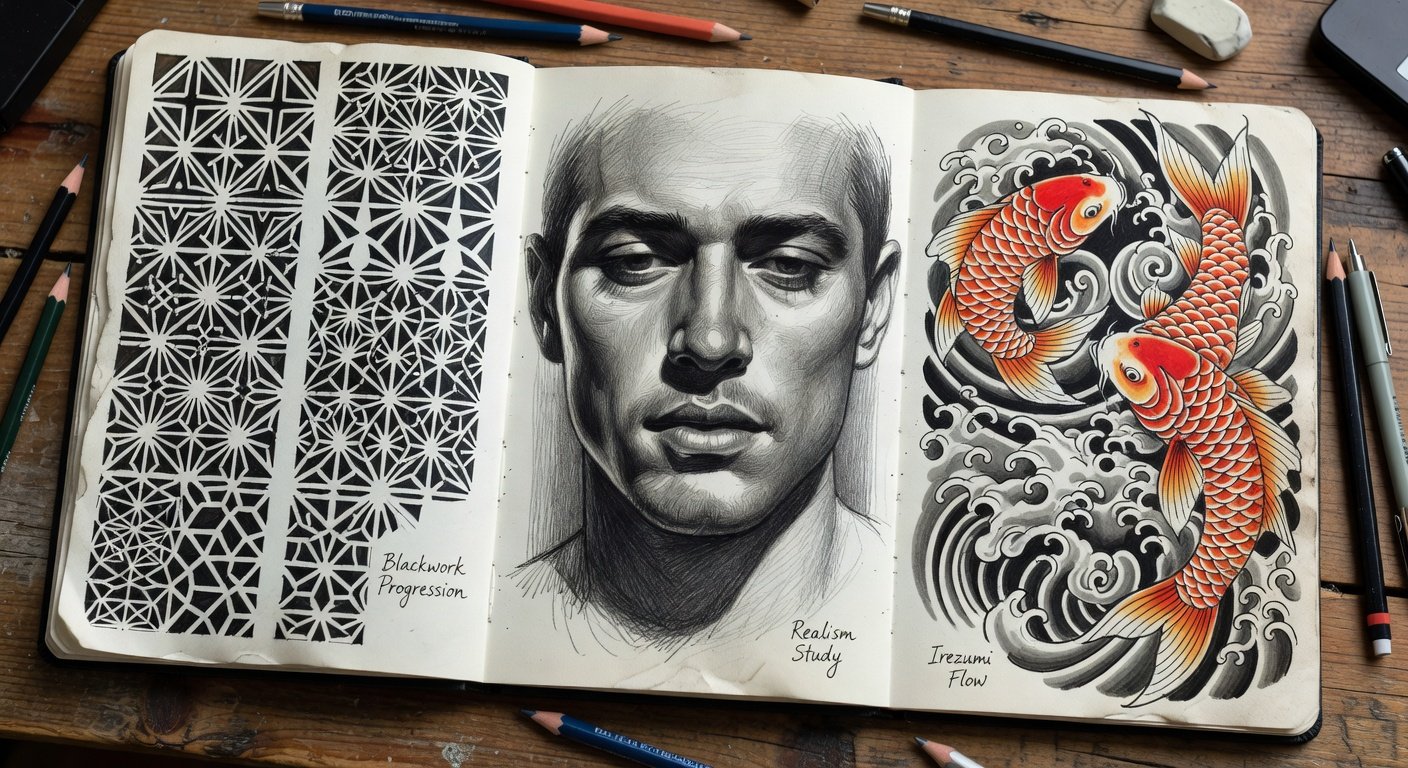
Traditional irezumi designs have long celebrated bold outlines and symbolic imagery rooted in Japanese culture. In 2026, experienced artists and collectors are pushing boundaries by blending these classic blackwork elements with photorealistic shading. This fusion creates depth, dimension, and modern appeal while respecting the structural integrity of irezumi frameworks such as koi, dragons, and peonies. The result is a tattoo that feels both anchored in centuries of tradition and alive with contemporary realism, allowing light and shadow to interact dynamically on the skin.
The approach appeals to those seeking tattoos that feel both timeless and contemporary. By integrating crisp black lines with subtle gradients, artists achieve a layered effect that mimics both woodblock print aesthetics and photographic detail. Collectors often request these hybrids for large-scale pieces like full sleeves or back pieces where the contrast between bold structure and fine shading enhances movement and storytelling. This method requires advanced control over pressure, ink dilution, and session planning to ensure the final result heals evenly and maintains visual impact over decades.
Historical Influences on the Blend
Irezumi evolved from Edo-period practices where bold blackwork served as the foundation for storytelling on the body. Early masters used solid black fills and negative space to define forms that represented strength, protection, and personal narratives. Over time, influences from Western realism entered Japanese tattoo culture through global exchange, leading to today’s hybrid styles that respect the original bold frameworks while adding nuanced detail. Learn more about tattoo history.
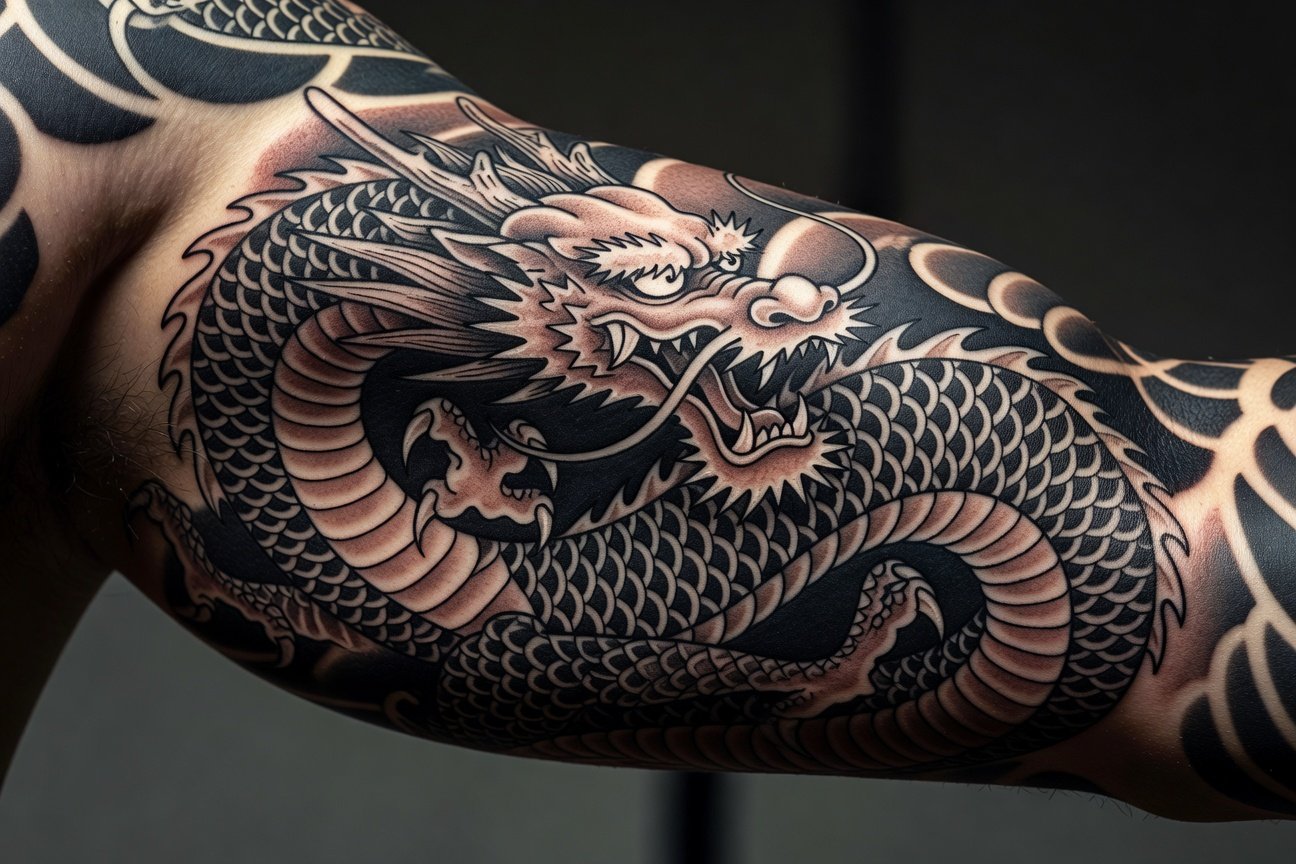
Modern practitioners study both ukiyo-e prints and contemporary portraiture to inform their line work and shading decisions, ensuring the final piece honors heritage while incorporating new visual languages. For example, the dramatic curves of a traditional dragon can now incorporate scale textures that catch light realistically, echoing how historical woodblock artists used line weight for emphasis. This evolution has been accelerated by international tattoo conventions where artists share techniques across cultures, resulting in irezumi that appeals to a global audience without losing its Japanese essence. Collectors appreciate how these blends preserve symbolic meaning—such as a koi representing perseverance—while the realistic shading adds emotional depth through lifelike water ripples or fin details.
Step-by-Step Techniques for Line Integration
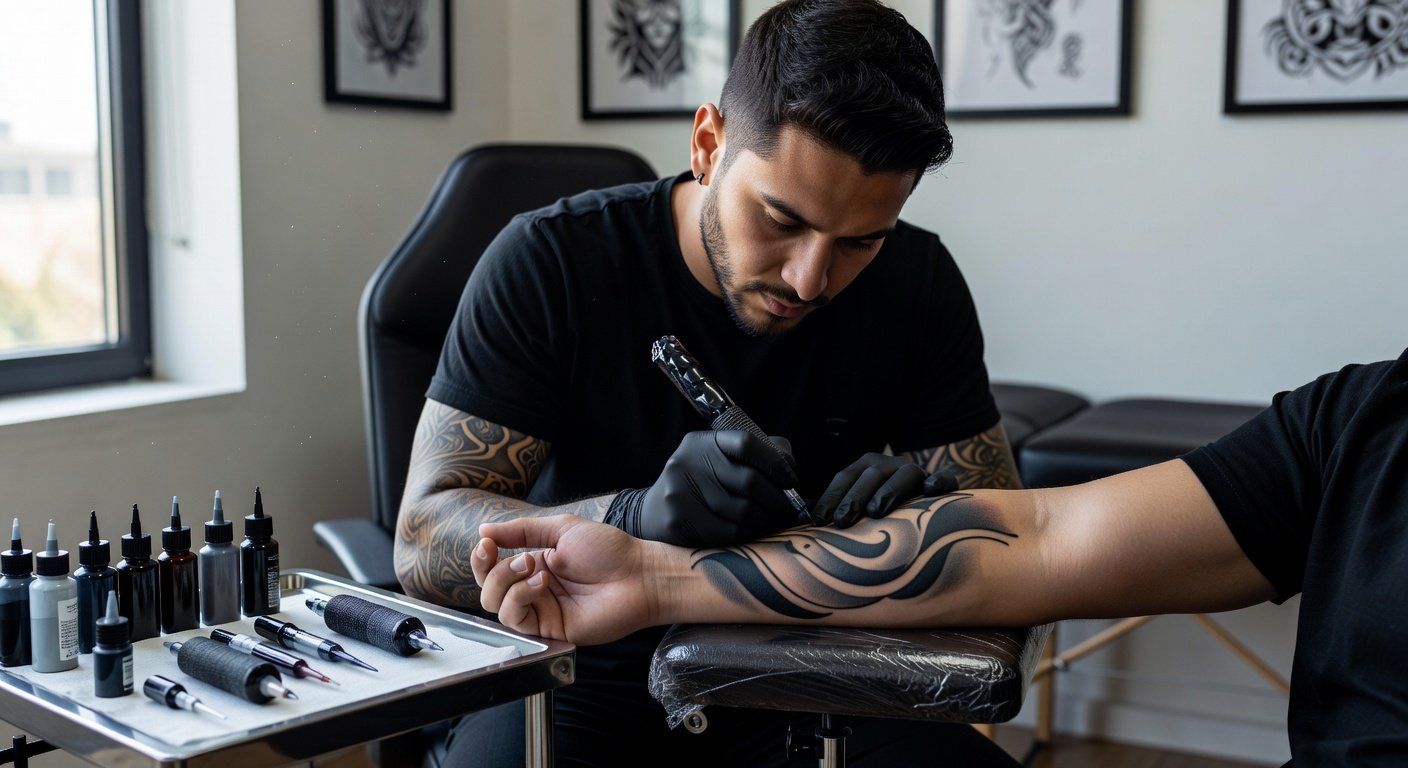
Successful blending begins with precise planning. Artists start by mapping the primary blackwork outlines using a single-needle or fine liner to establish the irezumi skeleton. Once the bold lines are established, they introduce realistic shading in controlled passes that respect the original structure. This prevents the realistic elements from overpowering the traditional boldwork that defines irezumi.
- Outline the core design with heavy blackwork lines at 7–9 volts for saturation, ensuring consistent thickness that will hold over time.
- Map gradient zones where realism will appear, avoiding overlap with key symbolic elements like eyes or claws that must remain crisp.
- Use a magnum shader at lower voltage to build soft transitions from line to skin, working in thin layers to prevent ink migration.
- Layer micro-dots and whip-shading to create photorealistic texture within the blackwork boundaries, focusing on areas like muscle definition or petal veins.
- Review the piece under different lighting conditions during the session to adjust for how shadows will naturally fall on the body.
Consistency in needle depth prevents blowouts while allowing the black lines to anchor the realistic elements. Artists often practice these transitions on synthetic skin before applying them to clients, refining pressure and speed for seamless integration. In designs featuring tigers or phoenixes, the blackwork mane or feathers provide the framework, while shading adds individual hair strands or feather barbs for a lifelike quality.
Mastering Gradient and Shading Work
Gradient work is the heart of the hybrid style. Artists employ a combination of black-and-gray washes and selective color to create atmospheric depth. Start with diluted black ink to establish mid-tones, then build highlights using white or skin breaks that allow natural skin tone to contribute to the realism. This technique is especially effective in large pieces where the eye travels from bold outlines into softly rendered backgrounds.
Key tools include curved magnums for smooth blends and curved shaders for soft edges. Multiple sessions spaced two weeks apart allow the skin to heal between layers, resulting in cleaner gradients that avoid patchiness. For instance, in a peony design, the blackwork petals receive heavy outlines first, followed by layered shading that creates the illusion of velvet texture and dew drops. Attention to skin stretch and body contours ensures gradients remain consistent even as the tattoo moves with the wearer. Explore related art references.
Black-and-Gray Versus Selective Color Decisions
Choosing between monochrome and color accents depends on the subject and client preference. Pure black-and-gray offers timeless elegance and ages gracefully, making it ideal for collectors who want a piece that evolves subtly with the skin. Selective color—such as adding red to a dragon’s eye or gold to floral elements—creates focal points without overwhelming the blackwork structure, adding vibrancy that draws attention to specific symbolic areas.
Artists often test color placement on paper first to ensure harmony with the surrounding bold lines. This decision impacts both visual impact and long-term vibrancy, with black-and-gray generally requiring less maintenance. In practice, many 2026 pieces use muted color palettes that complement rather than compete with the blackwork, such as soft blues in water elements around a koi fish. The choice also considers lifestyle factors, as color may need more frequent touch-ups in sun-exposed areas.
Portfolio Examples from Leading Studios
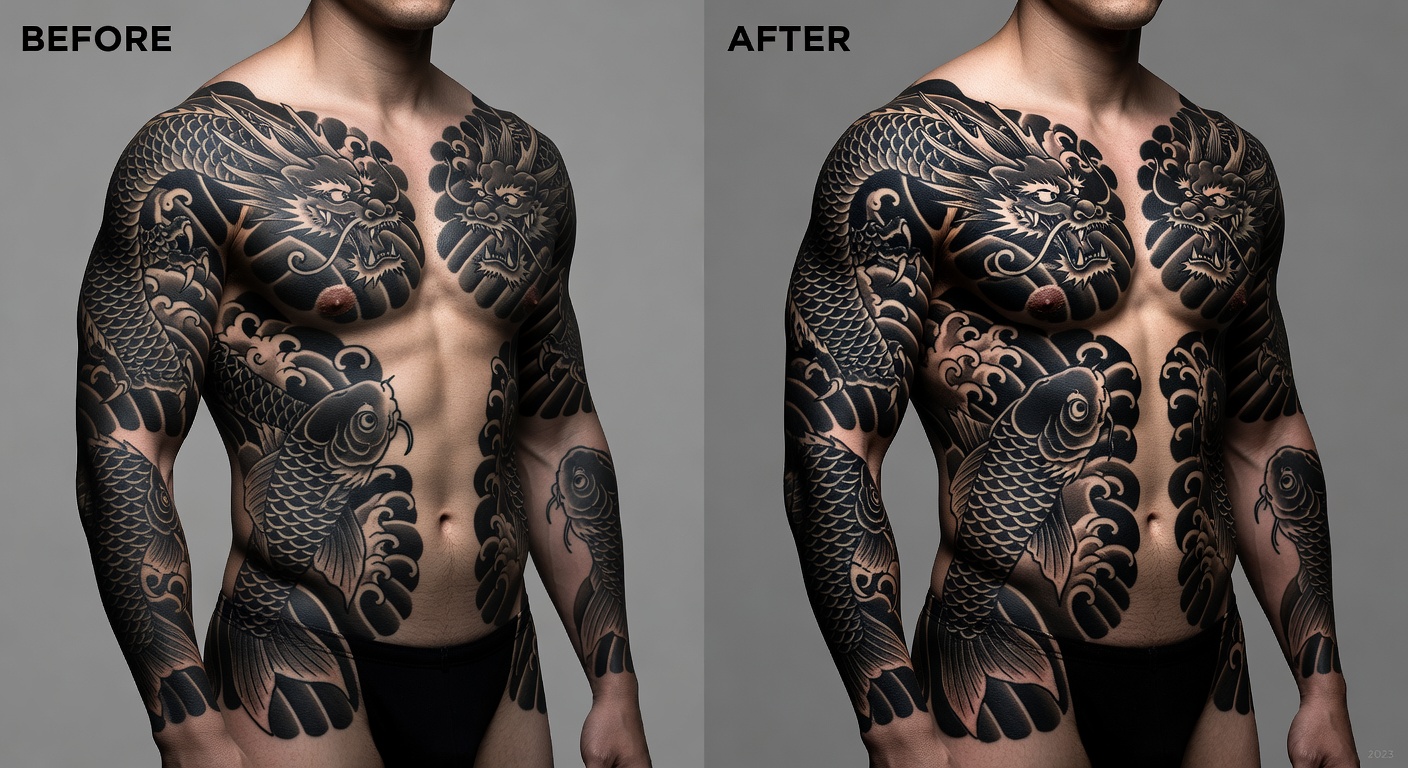
Studios specializing in contemporary irezumi regularly showcase pieces that merge these techniques. One notable example is a full back piece featuring a central dragon where thick blackwork horns transition into individually shaded scales that reflect light realistically. Another studio favorite is a sleeve combining a tiger’s bold stripes with photorealistic fur that appears to ripple with muscle movement. Collectors can study healed results to understand how lines hold definition beside realistic shading over time. Observing multiple angles of the same tattoo reveals how light interacts with the blended surfaces, helping future clients visualize long-term outcomes. These portfolios often highlight before-and-after healing comparisons to demonstrate the importance of proper layering and aftercare.
Client Consultation Checklist
- Discuss placement and body movement to protect line integrity, ensuring the design flows naturally with joints and muscle groups.
- Review reference images for both traditional and realistic elements, allowing clients to point out specific details they want emphasized or softened.
- Establish session timeline and aftercare expectations, including how many sessions may be needed for complex gradients.
- Confirm pain tolerance and skin type considerations, adjusting needle choices for sensitive areas like ribs or inner arms.
- Agree on color versus black-and-gray direction early to avoid mid-process changes that could compromise the design.
- Review lifestyle factors such as sun exposure or physical activity that might affect healing and longevity.
Common Pitfalls to Avoid
Over-shading too early can blur crisp blackwork lines, requiring corrective work later. Inconsistent needle angles lead to patchy gradients that become more obvious as the tattoo heals. Ignoring skin texture differences across body areas often results in uneven healing, particularly between oily and dry skin zones. Always prioritize structural black lines before adding realism layers, and document each session with photos to track progress. Another frequent mistake is rushing the process in a single long session, which can cause excessive trauma to the skin and compromise both line clarity and shading smoothness.
FAQ on Healing and Longevity
How long does blending take to heal? Full healing typically requires 4–6 weeks, with touch-ups scheduled after three months to refine any areas where gradients settled unevenly.
Will realistic shading fade faster than blackwork? Proper aftercare and sun protection help both elements age similarly when quality inks are used, though shaded areas may need occasional refreshment after 10–15 years.
Can existing irezumi be enhanced with realism later? Yes, skilled artists can integrate new shading around healed blackwork with careful planning to avoid disturbing existing lines.
What aftercare products work best for hybrid tattoos? Fragrance-free moisturizers and gentle cleansers are recommended, applied consistently for the first month to support even pigment retention.
How does sun exposure affect these designs? UV rays can accelerate fading in shaded areas more noticeably than in solid blackwork, so consistent sunscreen use is essential for maintaining contrast.
Conclusion
Blending blackwork with realism in irezumi designs offers collectors and artists a sophisticated evolution of a centuries-old tradition. Through careful technique, thoughtful color choices, and respect for historical roots, these hybrid tattoos deliver both visual power and personal meaning. With proper planning and execution, the result is a piece that stands the test of time while reflecting current artistic innovations in the tattoo world.
No comments yet. Be the first!