 Inked Mythos
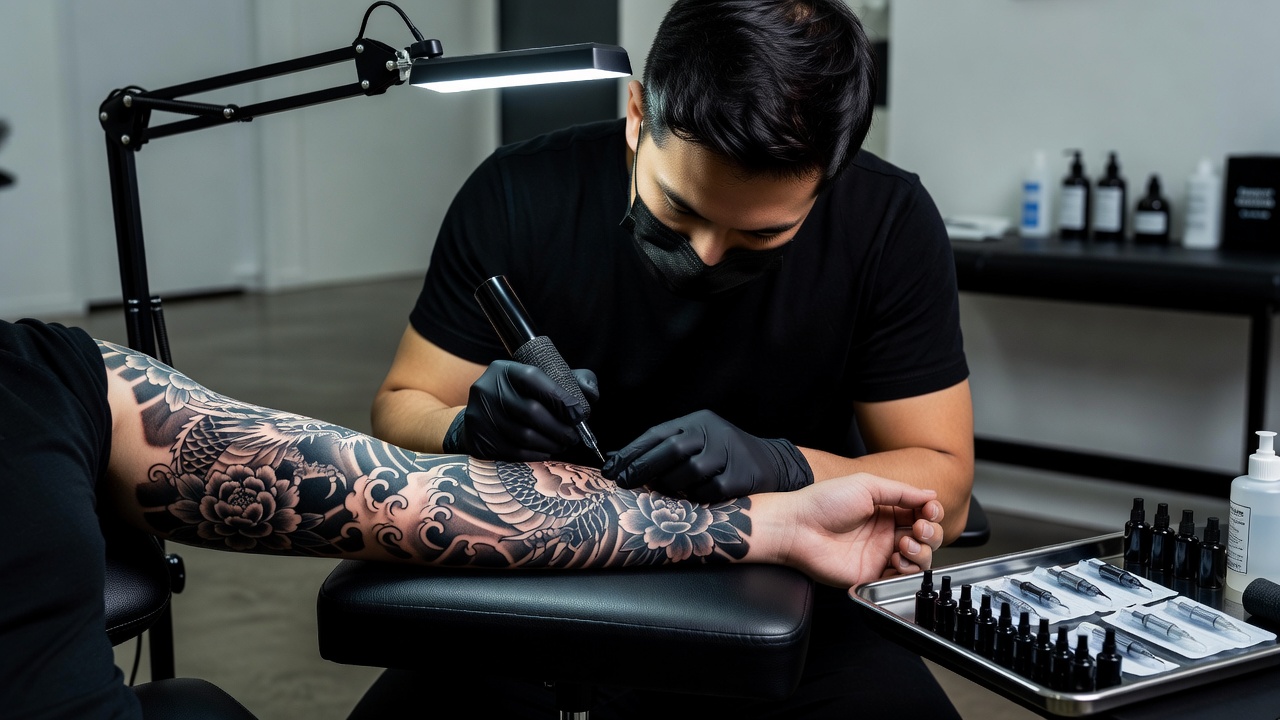
Introduction to Blackwork Realism Irezumi Tattoos
Blackwork, realism, and irezumi represent powerful tattoo styles that blend bold linework, photorealistic shading, and traditional Japanese motifs. Finding authentic artists requires more than browsing Instagram feeds. Serious collectors seek professionals who demonstrate technical precision, cultural respect, and consistent specialization in hybrid body art. This comprehensive guide provides a practical framework for locating artists who excel in these demanding styles while aligning with 2026 trends toward culturally informed hybrid tattoos. Whether you are planning your first large-scale piece or expanding an existing collection, understanding how to evaluate expertise helps ensure the final result meets both artistic and personal expectations.
Many enthusiasts begin their search online but quickly discover that generic studios often lack the nuanced skills needed for successful integration of heavy blackwork with delicate realism elements inside traditional irezumi frameworks. By focusing on specialization rather than convenience, clients can avoid common pitfalls that lead to disappointing outcomes or costly cover-ups later.
Understanding the Core Styles and Their Overlap
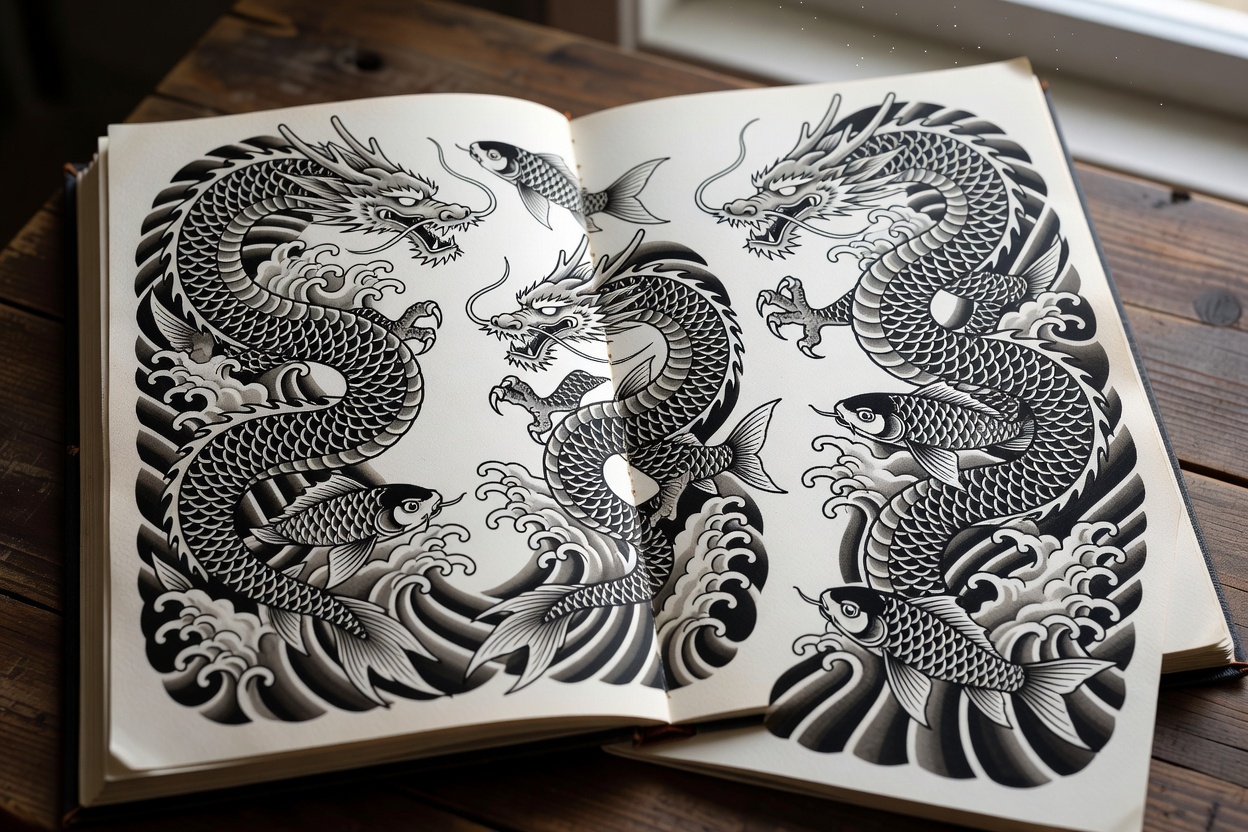
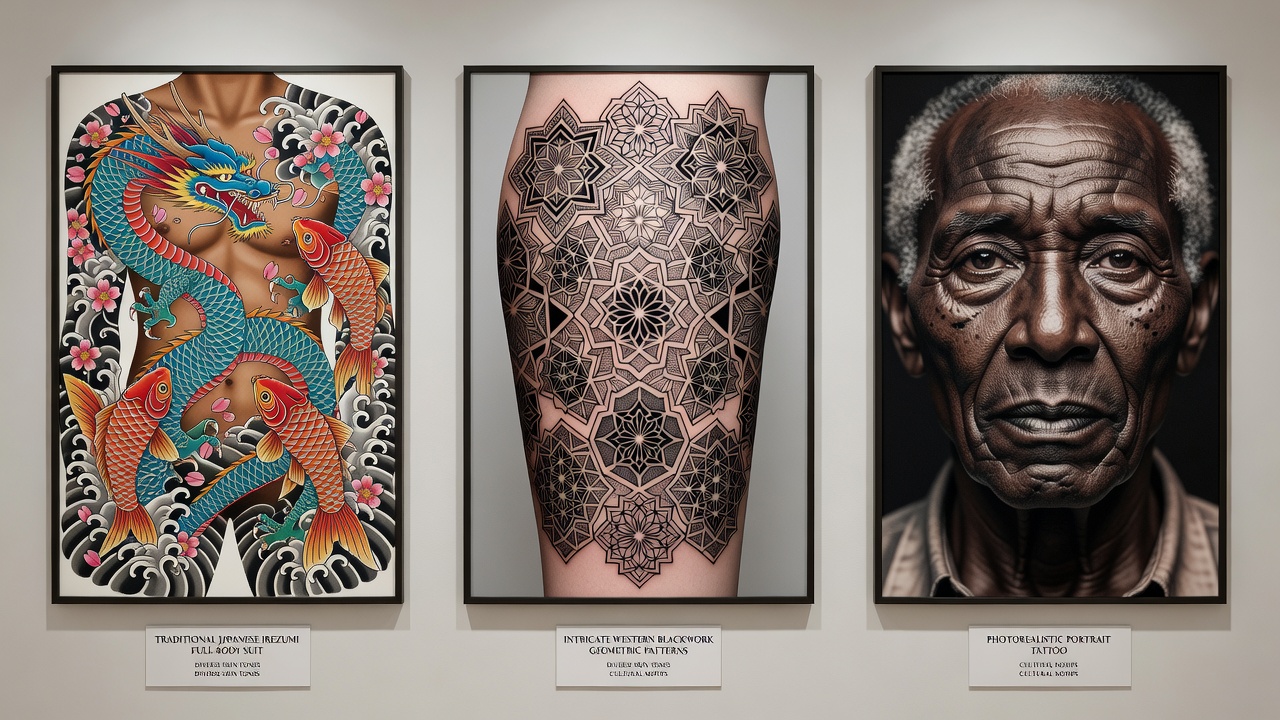
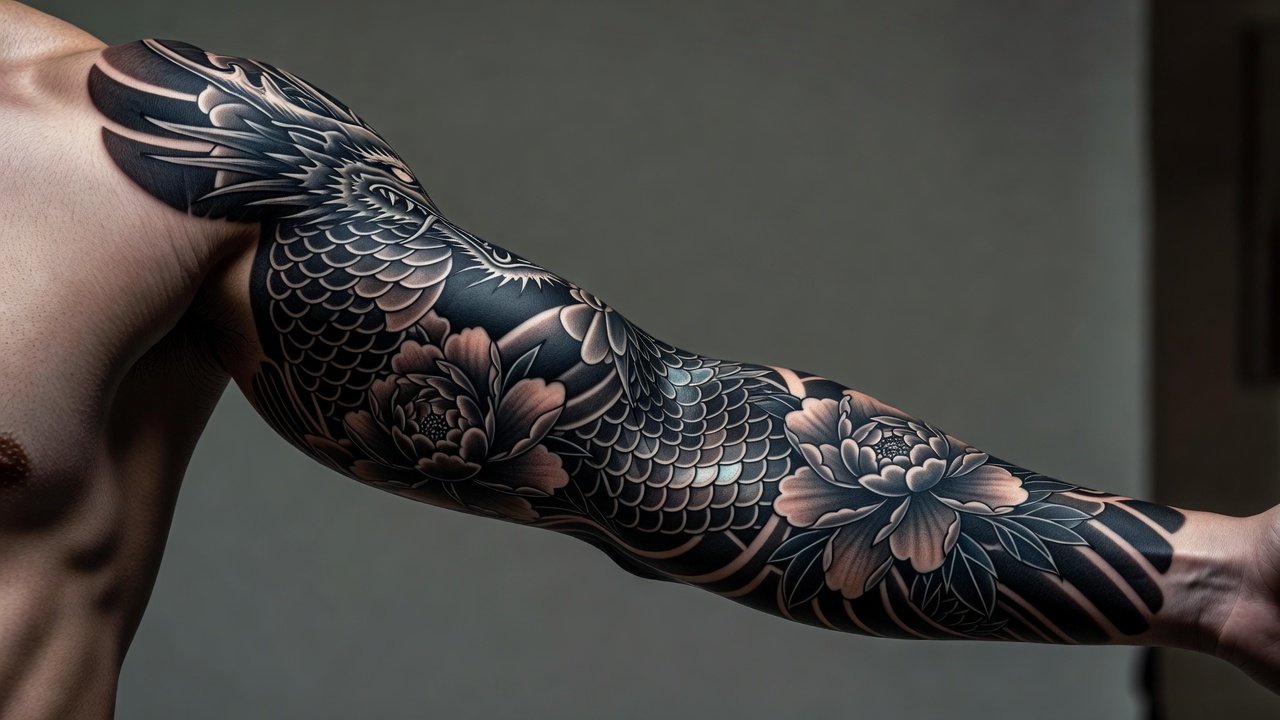
Blackwork focuses on solid black ink and geometric patterns that create striking visual impact through contrast and negative space. Realism demands precise gradients and lifelike detail that mimic photographs or sculptures on skin. Irezumi incorporates koi, dragons, waves, and peonies rooted in centuries of Japanese tradition. Modern artists increasingly merge these into hybrid pieces that feel both contemporary and respectful of heritage. The overlap creates opportunities for unique compositions where geometric blackwork frames realistic animal portraits within flowing irezumi backgrounds. This fusion has gained momentum as collectors seek pieces that tell layered stories rather than isolated motifs.
Evaluating Portfolios for Technical Mastery
Start by examining healed work photographed under natural light rather than studio flash. Look for consistent line weight, smooth gradients without blowouts, and accurate perspective in realistic elements. Artists who specialize in blackwork realism irezumi will show multiple examples of large-scale pieces completed over several sessions, demonstrating their ability to maintain cohesion across different skin areas and healing stages. Pay attention to how skin texture interacts with heavy black areas and fine shading. Strong portfolios also include close-ups of details such as eye reflections in dragon scales or wave foam, revealing the artist’s command of micro-contrast and texture. Request to see pieces that are at least one year old to assess long-term ink retention and color stability in black-only work.
Recognizing Cultural Authenticity and Specialization
Authentic irezumi artists often study under Japanese masters or complete apprenticeships that emphasize historical meaning behind motifs. They avoid mixing sacred imagery without context and can articulate why certain elements belong together. When reviewing an artist’s background, check for mentions of cultural research, travel to Japan, or collaboration with traditional tebori practitioners. Irezumi carries deep symbolic weight that extends beyond aesthetics. Artists who demonstrate knowledge of these meanings produce work that resonates long-term and respects the cultural origins of the style. Specialization also appears in the way artists handle client requests; those focused on hybrid work will suggest thoughtful adjustments to improve flow and balance rather than simply executing any idea presented.
Comparison Checklist of Artist Credentials
Use this detailed checklist during your shortlisting process to compare candidates objectively:
- Minimum five years focused exclusively on blackwork, realism, or irezumi rather than general tattooing
- At least 20 healed large-scale pieces documented with multiple angles and lighting conditions
- Documented apprenticeship, mentorship, or formal study in Japanese tattoo traditions
- Positive, detailed reviews from previous clients who requested similar hybrid styles
- Current studio hygiene certifications and annual bloodborne pathogen training records
- Transparent deposit structures, clear cancellation policies, and written aftercare instructions
- Evidence of ongoing education through conventions, workshops, or guest spots with recognized masters
- Ability to provide mockups or digital previews that respect placement and body movement
Step-by-Step Selection Process
Follow this expanded process to make an informed decision. First, compile a shortlist of five to seven artists from specialized directories, reputable conventions, and referrals within the irezumi community. Next, conduct an in-depth portfolio review using the technical criteria outlined earlier, spending at least thirty minutes on each artist’s healed work. Send a concise yet detailed inquiry that includes your vision, preferred placement, size expectations, and timeline. Schedule an in-person or video consultation to discuss sizing, session count, pain management, and aftercare protocols. Request references from at least two recent clients with comparable hybrid projects and follow up directly. Compare final quotes and availability while prioritizing artistic fit and cultural alignment over minor price differences. Finally, sign a detailed contract that covers design ownership, touch-up policies, and long-term collaboration possibilities.
Real-World Examples of Successful Client Matches
One collector sought a full sleeve combining realistic koi fish with intricate blackwork wave patterns inside a traditional irezumi structure. After comparing three specialists, they selected an artist who had completed a two-year apprenticeship in Osaka and maintained a private studio focused solely on hybrid work. The resulting piece integrated traditional Japanese flow with modern single-needle shading techniques and was completed over eight months with six sessions. Another client avoided high-volume walk-in studios and instead collaborated with an artist known for photorealistic irezumi portraits of family members. Success came because the artist requested multiple reference photos, conducted two detailed consultations, and provided several design iterations before any needle touched skin. A third example involved a collector who wanted geometric blackwork borders framing realistic dragon scales; the chosen artist’s experience with both styles ensured seamless transitions that healed evenly without ink migration.
2026 Trends in Hybrid Body Art
Collectors increasingly request pieces that merge blackwork geometry with realistic animal portraits inside irezumi frameworks. Artists adapting to this trend often combine advanced single-needle techniques with traditional tebori for texture contrast. Studios now emphasize private booking systems, extended consultation windows, and digital mockup tools to ensure cultural alignment before committing to large projects. Following CDC safety standards remains essential as more artists operate in private or semi-private settings. Hybrid trends also include greater emphasis on skin-tone appropriate shading and placement that works with natural body movement over decades.
Mistakes to Avoid When Selecting an Artist
Common errors include choosing based solely on social media aesthetics without verifying healed results, rushing into deposits without consultations, or selecting artists who claim versatility across all styles rather than deep specialization. Another frequent mistake is ignoring cultural context in irezumi motifs or failing to discuss long-term touch-up expectations. Always verify that the artist maintains a clean, professional environment and provides written aftercare that aligns with current best practices.
FAQ
How do I know if an artist truly understands irezumi symbolism?
Request a discussion about motif meanings during the consultation. Authentic artists explain symbolism without prompting and suggest alternatives when requested elements conflict with tradition or placement.
Can I combine blackwork and realism in one irezumi piece?
Yes, many specialists create successful hybrid designs. Success depends on the artist’s proven ability to balance negative space with dense black areas while maintaining realistic depth and traditional flow.
What should I bring to the first consultation?
Bring reference images, placement photos on your own body, a list of questions about healing timelines, touch-up policies, and any concerns about pain or downtime. Avoid expecting same-day designs or pressure to book immediately.
How long does a large blackwork realism irezumi piece typically take?
Most full sleeves require six to twelve sessions spaced four to six weeks apart, depending on size, detail level, and individual healing rates.
What are signs of a generic studio to avoid?
Generic studios often display flash art rather than custom portfolios, lack documentation of healed large-scale work, and employ artists who rotate through many unrelated styles without deep specialization.
How can I ensure long-term collaboration for future pieces?
Choose an artist whose schedule and communication style support ongoing relationships. Discuss future placement ideas during initial sessions and confirm their interest in building a cohesive collection over multiple years.
No comments yet. Be the first!