 Inked Mythos
Cultural Tattoo Ideas: Global Inspirations and Meanings
In 2026, more people seek tattoos that transcend aesthetics to embody personal stories, heritage and philosophical values. Cultural tattoo ideas drawn from global traditions provide this depth, transforming skin into a canvas of meaning. Whether inspired by ancient rituals or reinterpreted for contemporary life, these designs connect wearers to centuries-old narratives while adapting to modern preferences like minimalism and inclusivity. This comprehensive guide delves into Japanese irezumi, Maori ta moko, Celtic knotwork and African tribal motifs, exploring their historical foundations, symbolic layers and fresh 2026 adaptations. Readers will find practical guidance on skin tone suitability, collaboration strategies with artists and essential considerations for cultural respect. By understanding origins and avoiding superficial appropriations, enthusiasts can create tattoos that honor traditions authentically.
Japanese Irezumi: Mythology and Modern Minimalism
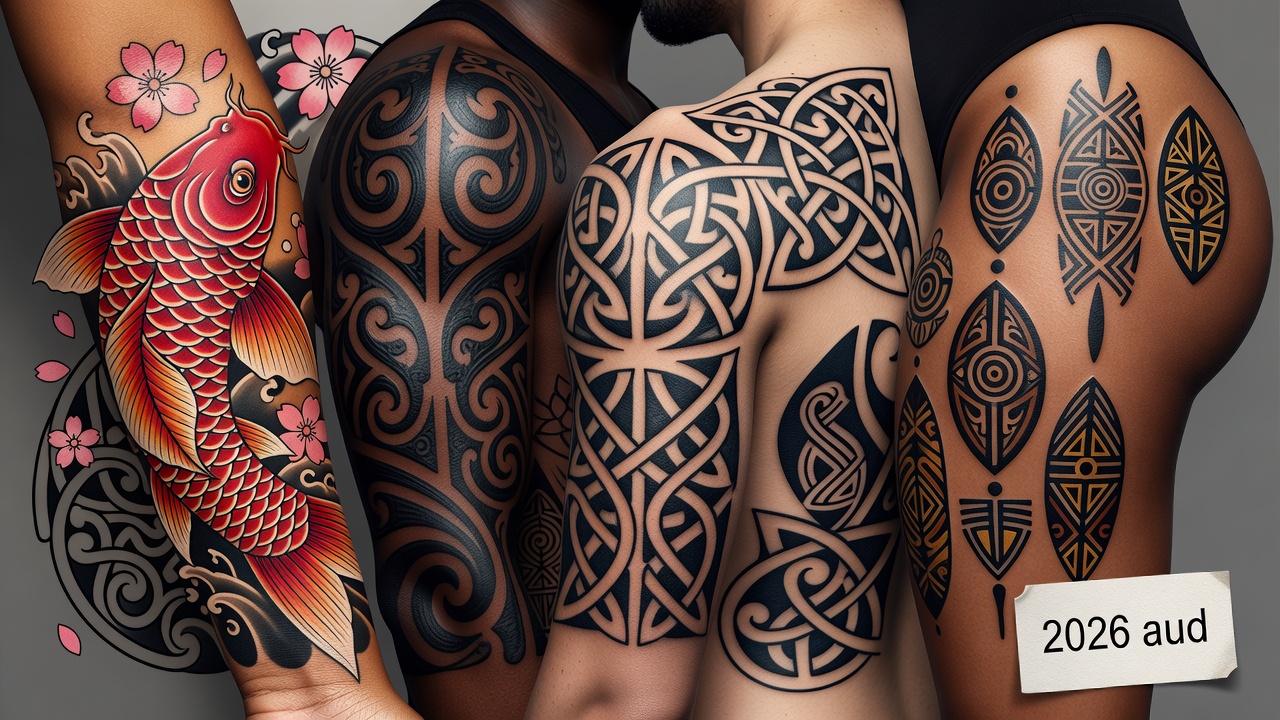
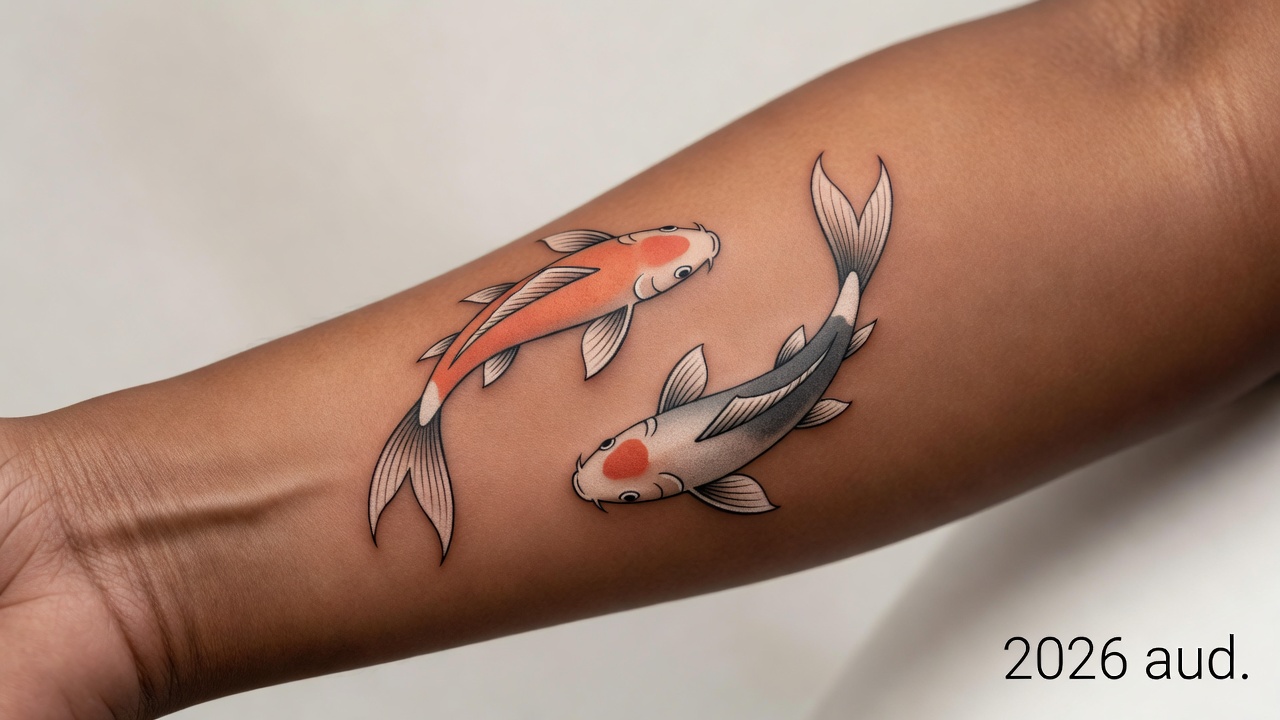
Traditional Japanese irezumi emerged during the Edo period as both decorative art and protective symbolism. Iconic elements include koi fish representing perseverance through adversity, dragons embodying wisdom and strength, and cherry blossoms reminding wearers of life’s transience. Full-body suits known as horimono once signified membership in certain social classes or yakuza affiliations, but today’s versions scale these motifs into wearable pieces. Modern adaptations for 2026 audiences favor negative space, subtle shading and integration with geometric backgrounds to suit smaller placements like forearms, ribs or calves. Artists now experiment with muted color palettes that complement various skin undertones while preserving the bold line work characteristic of the style. Example one: a lone koi ascending a forearm with wave accents for personal resilience. Example two: a simplified dragon coiled around the bicep using soft gradients instead of saturated hues. Example three: cherry blossom clusters on the shoulder blade blended with abstract clouds for a serene effect. These evolutions maintain cultural resonance while fitting busy lifestyles and diverse body types.
Maori Ta Moko: Lineage and Personal Narratives
Maori ta moko from New Zealand serves as a living record of ancestry, accomplishments and tribal affiliations through precise spirals, notches and facial markings. Historically applied with chisels during rites of passage, the designs encode specific family histories that only initiated members can fully interpret. In contemporary practice, ta moko appears on shoulders, thighs and upper backs, often customized with personal elements like birth dates or achievement symbols without altering core patterns. 2026 adaptations emphasize finer needle techniques for comfort and quicker healing, allowing integration with other styles such as dotwork borders. Respectful implementation requires direct engagement with Maori artists or cultural advisors. Example four: a shoulder piece featuring koru spirals denoting new beginnings and growth. Example five: a calf design incorporating moko kauae elements adapted for non-facial placement to represent maternal lineage. Example six: combined ta moko with subtle fern motifs for connection to the land. Skin undertones influence visibility, with high-contrast blackwork creating dramatic definition on medium to deep complexions.
Celtic Knotwork: Eternity and Interconnection
Celtic designs trace their roots to early medieval Ireland and Scotland, where endless knots in illuminated manuscripts like the Book of Kells symbolized the eternal cycle of life, loyalty and spiritual interconnectedness. Absent of figurative imagery, these geometric patterns convey complex ideas through interwoven lines that have no beginning or end. Recent adaptations incorporate watercolor washes, metallic accents or fusion with botanical elements such as oak leaves to reflect environmental values popular in 2026. Smaller iterations suit wrists, ankles and behind the ear while larger compositions grace the chest or back. Example seven: an intricate Trinity knot on the inner forearm representing mind, body and spirit. Example eight: a full sleeve of interlocking knots interspersed with subtle runes for added personalization. Example nine: ankle bands using simplified knot sequences that move gracefully with the body. These patterns require precise line work to avoid visual muddling over time, especially on skin with higher melanin content where finer details may need bolder outlining.
African Tribal Patterns: Protection and Community
African tattoo traditions span numerous ethnic groups including Zulu bead-inspired geometry, Yoruba scarification marks denoting rites of passage and Berber protective symbols from North Africa. Common themes involve shields for safeguarding, animal silhouettes for courage and repeating motifs representing community bonds. Contemporary 2026 versions often merge these with minimalist line art or incorporate subtle color highlights for versatility. Placements on the sternum, ribs or upper back allow expansive storytelling while smaller symbols adorn fingers or collarbones. Example ten: a chest shield motif adapted with modern symmetry for personal protection. Additional examples include Berber diamond patterns on the wrist and stylized lion profiles on the thigh. Artists increasingly blend African elements with global influences only after thorough cultural consultation to preserve integrity.
Visual Examples and Style Comparisons
Beyond the ten examples described, enthusiasts can visualize combinations such as Japanese waves framing Maori spirals or Celtic knots bordering African shields. These hybrid approaches demand careful balance to prevent cultural dilution.
Comparing Styles Across Skin Tones
Selecting the right cultural tattoo involves evaluating how designs interact with individual skin tones and undertones. Japanese irezumi benefits from saturated pigments on fair to light-medium skin for vibrant impact, while deeper skin tones respond better to desaturated or black-and-grey variants that reduce ink migration risks. Maori ta moko’s bold blackwork delivers exceptional contrast on medium to dark skin, creating sharp definition; lighter tones may require additional shading layers for similar depth. Celtic knotwork excels with crisp single-needle lines across all tones but benefits from slightly thicker outlines on melanin-rich skin to counteract natural spreading. African tribal patterns shine in high-contrast black on darker complexions where geometry stands out boldly; fair skin allows for delicate dotwork additions without overwhelming the design. Always request test placements and consider undertone warmth or coolness when choosing accent colors. Professional artists experienced in cultural work will advise on ink types suited to your specific skin characteristics for optimal longevity and clarity.
Practical Steps for Custom Cultural Tattoos
- Begin with immersive research using museum archives and ethnographic sources to grasp authentic symbolism before selecting motifs.
- Compile reference images from verified cultural collections and note specific meanings tied to each element.
- Identify and contact artists from or deeply trained in the target tradition, reviewing portfolios for demonstrated respect and technical skill.
- Prepare a detailed brief outlining personal significance alongside cultural parameters to guide the collaboration.
- Attend in-person or virtual consultations to discuss scale, placement and any necessary modifications that maintain original intent.
- Request digital mockups and temporary transfers to assess appearance on your body in motion and under different lighting.
- Schedule sessions strategically, allowing adequate healing time between appointments for larger multi-session projects.
- Document the process with consent to share educational insights that promote cultural awareness among peers.
- Plan long-term aftercare routines including touch-up schedules every five to seven years depending on lifestyle factors.
Honoring Cultural Sensitivity and Avoiding Appropriation
Authentic inspiration requires ongoing education rather than one-time selection. Distinguish respectful adoption—supported by community voices and artist partnerships—from appropriation that strips symbols of context for aesthetic trends. Consult organizations preserving indigenous knowledge and prioritize commissions from practitioners within the culture. Resources from institutions such as The Metropolitan Museum of Art, The British Museum and UNESCO offer reliable historical context. When in doubt, opt for abstract interpretations over direct sacred replicas. This approach ensures tattoos become bridges of appreciation instead of sources of harm.
FAQ
How painful are cultural tattoo designs?
Pain levels depend on placement, needle density and personal tolerance. Ribcage and spine areas rank among the most intense due to proximity to bone, while muscular regions like thighs or upper arms offer more cushioning. Sessions typically last two to four hours with breaks; topical numbing options exist but may affect ink retention.
What aftercare is recommended?
Adhere strictly to your artist’s protocol: cleanse gently with unscented soap, apply thin layers of recommended balm and shield from sunlight and friction for the first fourteen days. Long-term care includes moisturizing and annual assessments for fading, especially on areas exposed to frequent movement or weather.
Where should these designs be placed?
Placement decisions balance visibility preferences, clothing coverage and anatomical flow. Large narrative pieces flow naturally across the back or torso while compact symbols suit wrists, ankles or behind the ear. Consider future lifestyle changes such as professional dress codes when choosing locations.
How do I verify an artist’s cultural competence?
Review their training history, client testimonials from the represented community and participation in cultural preservation events. Request references and observe whether they decline projects that risk misuse of sacred imagery.
Conclusion
Cultural tattoo ideas rooted in Japanese, Maori, Celtic and African traditions offer profound avenues for self-expression in 2026. Through thorough research, respectful artist partnerships and attention to skin tone dynamics, individuals craft meaningful ink that bridges past and present. Prioritizing authenticity transforms these designs into enduring tributes rather than transient fashion statements, enriching both personal identity and cross-cultural understanding.
No comments yet. Be the first!