 Inked Mythos
Introduction to Epic Back Tattoo Designs in 2026
Back tattoos offer unmatched canvas space for large-scale, immersive artwork that tells a story across skin contours. In 2026, trends favor expansive mythical scenes, intricate abstract patterns, and hybrid styles that blend realism with geometric elements. These designs suit individuals seeking transformative ink that evolves with personal narratives and stands out in modern tattoo culture. The back provides a broad, relatively flat surface compared to limbs or torso sides, allowing artists to create flowing compositions that move with the body during daily activities like walking or stretching.
Whether opting for a complete back piece or focusing on the upper region, the key lies in thoughtful planning that considers anatomy, lifestyle, and long-term aesthetics. This guide explores placements, themes, techniques, and practical advice drawn from current tattoo practices, helping readers navigate the process from initial concept to healed result. Large-scale back work often requires commitment over multiple appointments, making education essential before committing to the needle.
Full-Back Versus Upper-Back Placements
Choosing between full-back and upper-back placements depends on pain tolerance, lifestyle, and desired visual impact. Full-back tattoos span from neck to lower back, creating dramatic, symmetrical compositions ideal for narrative-driven art like sprawling landscapes or interconnected symbols. They wrap around the sides slightly for a three-dimensional effect when the wearer moves. Upper-back designs, centered around the shoulder blades, provide high visibility while allowing easier concealment under clothing for professional settings.
- Full-back offers maximum space for detail but requires multiple sessions spanning several hours each, often four to eight appointments total depending on intricacy.
- Upper-back minimizes discomfort in sensitive lower areas and suits first-time large-scale clients who want to test their endurance with a substantial but manageable piece.
- Both placements benefit from body mapping to align designs with natural muscle flow, avoiding awkward distortions when the back flexes or the spine curves.
- Consider clothing friction: full-back pieces may rub against belts or waistbands, while upper-back art stays protected under most shirts.
Many clients start with an upper-back concept and later extend it downward, creating a modular approach that builds over years.
Thematic Examples: Mythical Scenes and Abstract Patterns
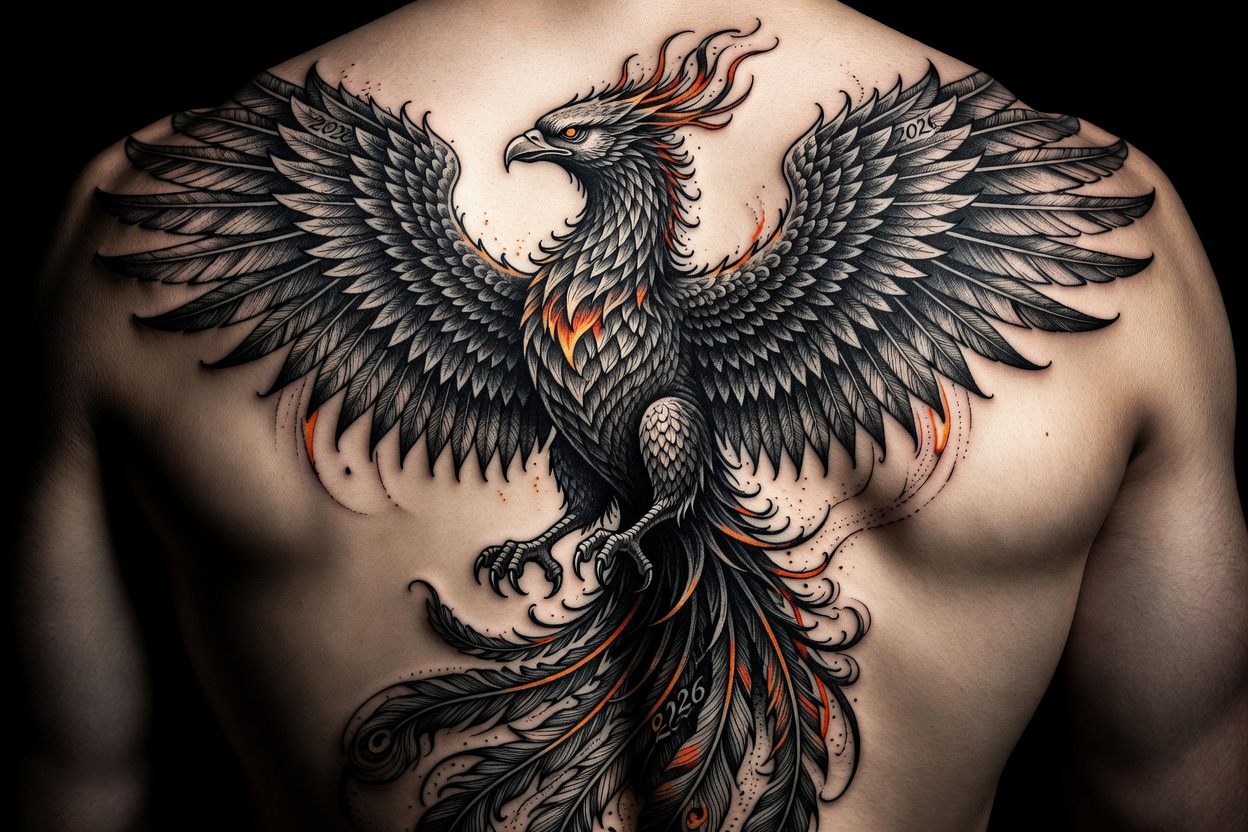
Mythical scenes dominate 2026 back tattoo inspiration. Imagine a phoenix rising across the entire back, wings extending to the shoulders with flames rendered in hyper-detailed shading that incorporates subtle smoke trails blending into surrounding skin. A Norse Yggdrasil tree could stretch roots into the lower back while branches frame the neck, with runes representing personal milestones integrated into the bark texture. Japanese-inspired dragons coiled around clouds offer dynamic movement, their scales catching light differently as the body rotates.
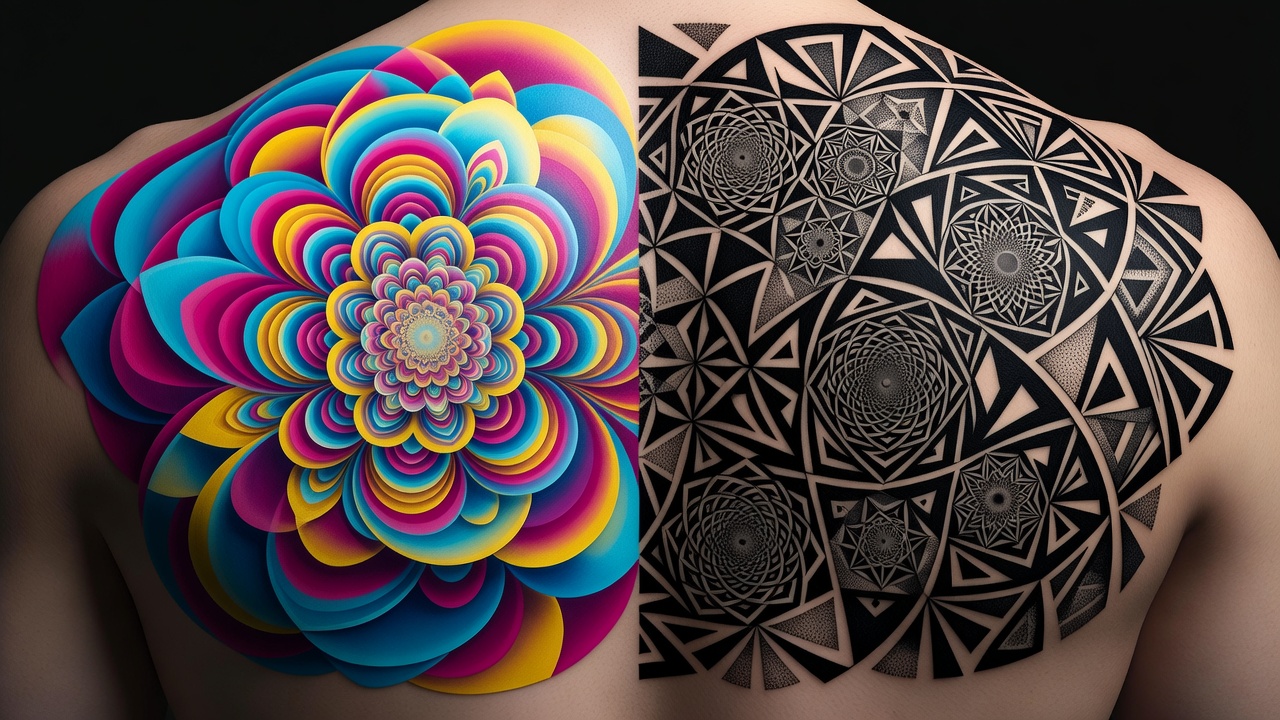
Abstract patterns, meanwhile, feature flowing mandalas or optical illusions that play with negative space. Geometric sacred geometry designs can incorporate Fibonacci spirals that appear to pulse when viewed from certain angles, or layered watercolor-style washes that create depth without literal imagery. These themes allow deep personalization—pair a celestial map with constellation lines tied to meaningful dates or create fluid abstracts that incorporate elements from nature like waves or mountain silhouettes reinterpreted through modern linework.
Color Versus Blackwork Approaches
Color tattoos bring vibrancy to mythical elements, using gradients and highlights for depth that makes creatures appear to emerge from the skin. Blackwork emphasizes bold lines and textures for timeless appeal that photographs well in both color and monochrome. Blackwork often ages better with less fading, making it a practical choice for expansive pieces exposed to sunlight during outdoor activities. Color approaches require more maintenance but deliver striking results when executed with high-quality pigments that hold saturation over decades.
Hybrid styles are rising in popularity, where key focal points receive selective color while surrounding elements remain in black and gray for contrast and longevity. Discuss pigment choices during consultation to match skin tone and lifestyle factors like sun exposure.
Practical Steps for Selecting and Scaling Designs
Follow these steps to ensure your design fits body contours perfectly and translates from paper to skin without distortion:
- Research artists specializing in large-scale work via portfolios on established platforms and schedule consultations to review healed examples of similar back pieces.
- Collaborate on custom sketches that account for spine alignment, shoulder movement, and breathing expansion so elements remain proportionate when the back is in motion.
- Test stencils on skin during consultations to visualize scale and make adjustments before any permanent lines are applied.
- Plan for growth by leaving negative space for future additions, allowing the design to evolve without overcrowding.
- Consider mirror tests and photos from multiple angles to confirm the composition reads correctly from behind and above.
- Factor in body changes such as weight fluctuations or posture shifts that could affect how lines flow over time.
Scaling involves adjusting proportions so elements like eyes, symbols, or patterns remain proportionate across the natural curves of the back. Professional artists use freehand techniques or custom transfer methods to achieve seamless integration.
Real-Client Case Studies
One client transformed a full back with a celestial map featuring constellations tied to birth dates and travel milestones, completed over four sessions with fine linework and subtle dot shading for a three-dimensional starfield effect. Another opted for an upper-back abstract incorporating family crests in blackwork, achieving a balanced, symmetrical result that photographs dramatically and incorporates personal heraldry without overwhelming the composition.
A third client commissioned a mythical scene blending a phoenix and lotus flowers across the full back, using selective color on the flames while keeping the floral elements in black and gray. This hybrid approach allowed the piece to heal cleanly and maintain visual impact even after sun exposure during summer months. Each case involved detailed pre-design discussions to ensure the final artwork reflected the client's story while respecting anatomical realities.
Addressing Pain Levels, Aftercare, and Customization
Pain varies by location, with the spine and ribs being more intense due to proximity to bone and nerve clusters. The upper shoulders often feel more tolerable, similar to a deep muscle massage. Topical numbing creams help manage discomfort, but discuss options with your artist beforehand and test for skin reactions. Aftercare involves gentle cleansing with fragrance-free soap, pat drying, and applying recommended moisturizers several times daily for the first two weeks. Avoid submerging the area in water, tight clothing, or direct sunlight until fully healed.
Customization tips include incorporating meaningful elements like quotes, dates, or symbols into larger motifs through negative space or integrated lettering. Work closely with the artist to refine details that resonate personally while maintaining artistic flow.
For authoritative health guidance on tattoo aftercare, consult resources from Mayo Clinic, CDC, and American Academy of Dermatology.
Common Mistakes to Avoid
Rushing the design phase often leads to regret when proportions feel off once healed. Choosing an inexperienced artist for large work can result in uneven lines or poor healing. Ignoring aftercare instructions increases infection risk and color loss. Always verify artist licensing and review recent client feedback before booking.
FAQ
How long do back tattoo sessions typically last?
Sessions range from 3 to 6 hours depending on detail and client endurance, often spaced weeks apart to allow skin recovery between appointments.
How can I best collaborate with my artist?
Share reference images, discuss symbolism, and remain open to adjustments based on body anatomy for the strongest outcome. Multiple revisions during the planning stage prevent costly changes later.
What is the average healing timeline for large back tattoos?
Initial healing takes two to three weeks, with full skin regeneration and color settling occurring over two to three months. Follow-up touch-ups may be scheduled after six months.
Can back tattoos be covered up if needed?
Most upper-back designs conceal easily under clothing, while full-back pieces may require specific garments. Laser removal remains an option but involves significant time and multiple treatments.
Back tattoos represent a significant commitment that rewards careful planning with lifelong artistic expression and personal meaning.
No comments yet. Be the first!