 Inked Mythos
Introduction: Why Mentorship Matters in 2026 Tattoo Culture
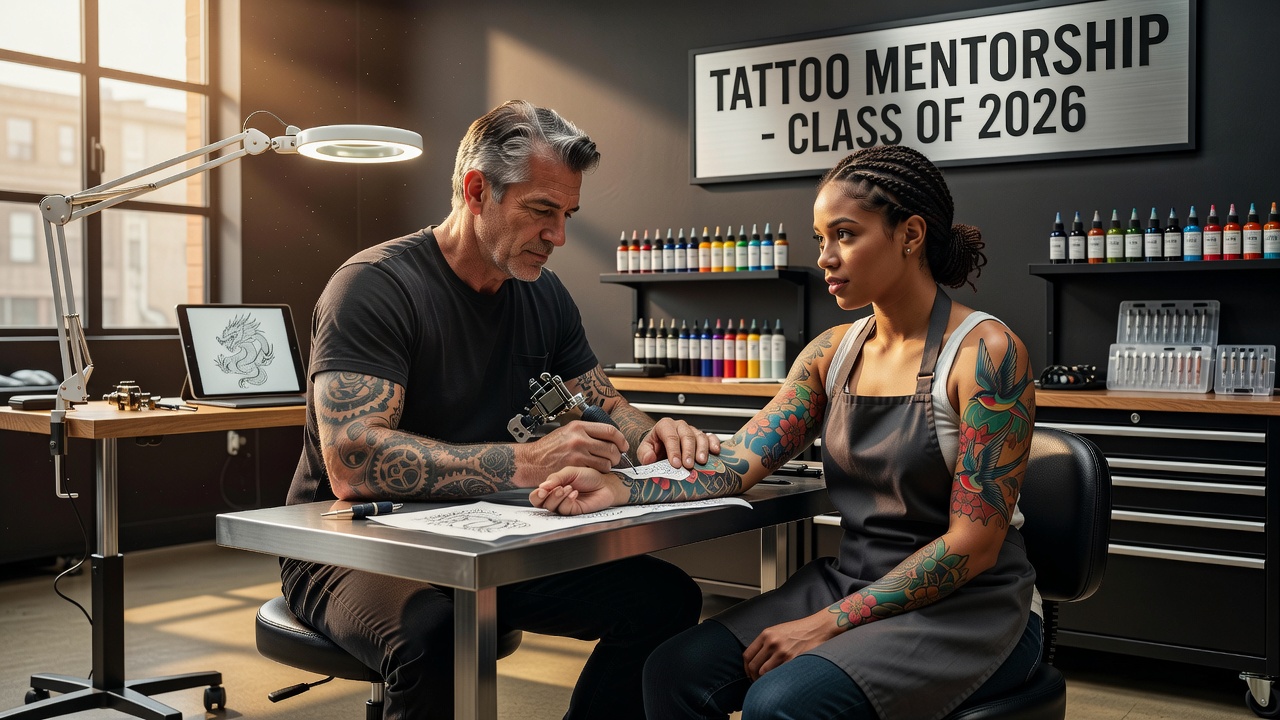
The tattoo industry continues to evolve rapidly in 2026, blending traditional techniques with cutting-edge digital tools and global cultural influences. For aspiring ink artists, guidance from established tattoo legends provides an irreplaceable advantage. This article explores practical ways experienced professionals can mentor newcomers, focusing on skill development, professional growth, and relationship-building. Whether you are a new artist seeking direction or a veteran looking to give back, these insights draw from real industry practices to create meaningful mentorship experiences. In an era where social media amplifies visibility but also increases competition, structured mentorship helps newcomers avoid common pitfalls and accelerate their path to mastery. Legends often stress that technical skill alone is insufficient; understanding client psychology, studio operations, and personal branding is equally vital.
Finding the Right Mentors in the Modern Tattoo Scene
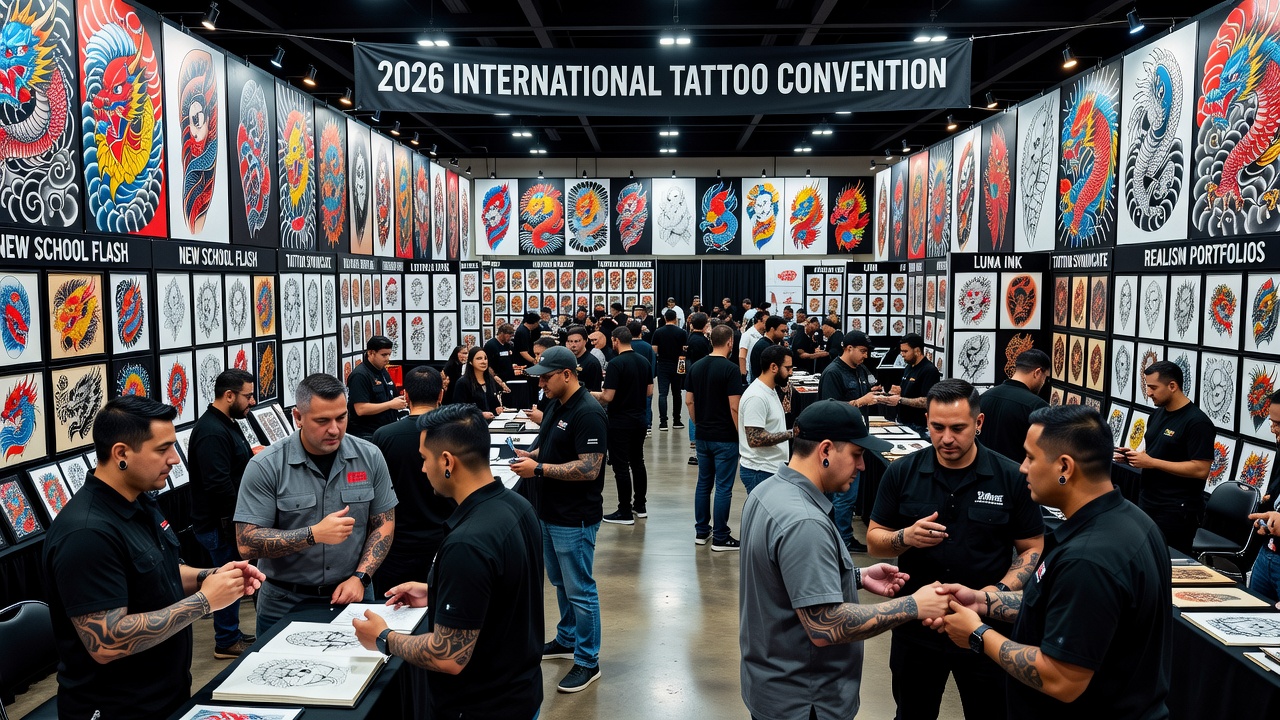
Identifying suitable mentors starts with research and networking. New artists should look for professionals whose artistic style, business approach, and values align with their own goals. Platforms like tattoo conventions, social media communities, and local studios offer initial connections. Legends often emphasize compatibility over fame—seek mentors who demonstrate patience and a willingness to share knowledge openly. Begin by studying portfolios on artist websites and Instagram accounts, noting not just the final pieces but the progression of their work over years. Attend events such as the London Tattoo Convention or similar international gatherings to observe interactions in person. When reaching out, craft messages that reference specific aspects of the mentor’s work rather than generic compliments. This demonstrates genuine interest and increases response rates. Additionally, consider artists who have publicly discussed their own early struggles, as they tend to be more empathetic guides.
Actionable steps include attending industry events, reviewing portfolios thoroughly, and reaching out with personalized, respectful messages. A strong mentor-mentee match accelerates learning curves in areas like line work, color theory, and client management. Cross-reference recommendations from multiple sources, including forums and studio reviews, to ensure the mentor maintains high standards in hygiene and ethics. Resources from health authorities such as the CDC can inform discussions about safe practices during initial conversations.
Communication Best Practices for Effective Guidance
Clear, consistent communication forms the foundation of successful mentorships. Set regular check-ins via video calls or in-studio sessions. Both parties benefit from establishing boundaries early, such as response times and feedback formats. Tattoo legends recommend using structured agendas for meetings to cover technique critiques, career advice, and creative challenges without wasting time. Document agreements in shared notes or simple contracts to prevent misunderstandings later. For example, decide upfront whether feedback will be delivered verbally, through annotated photos, or written reports.
Active listening and constructive criticism are essential. Mentees should prepare questions in advance, while mentors provide specific, actionable feedback rather than vague praise. This approach fosters trust and accelerates professional growth. Role-playing client consultations during sessions can simulate real scenarios, helping mentees build confidence. Legends advise scheduling debriefs after each major project to analyze what worked and what could improve, creating a continuous feedback loop.
Real-World Examples from Successful Tattoo Artists
Many prominent figures in tattooing have shared their mentorship journeys. For instance, artists like those featured in major conventions often credit early guidance from pioneers for their breakthroughs in styles such as realism and neo-traditional work. These examples highlight how structured mentorship helped newcomers navigate challenges like building a client base and mastering hygiene standards. One well-known case involves a mentee who progressed from basic flash designs to custom large-scale pieces within eighteen months under consistent weekly critiques. Another legend describes pairing with an apprentice for joint conventions, where the younger artist handled smaller elements while observing complex compositions. These relationships often evolve into collaborations that benefit both parties long-term. One common thread is the emphasis on long-term relationships that extend beyond technical skills into business acumen and mental resilience.
Setting Up Mentorship Programs: Actionable Steps
Creating formal mentorship programs requires planning. Start by defining objectives, duration, and expectations in a written agreement. Include milestones for skill assessments and portfolio reviews. Tattoo legends suggest incorporating shadowing opportunities, joint client consultations, and creative exercises to build comprehensive experience. Programs can be scaled from informal studio pairings to larger initiatives through artist collectives. Regular evaluations ensure the relationship remains productive for both sides. Break the process into phases: an initial trial period of four to six weeks, followed by quarterly reviews. Use tools like shared digital folders for progress tracking and reference materials. Incorporate guest sessions with other industry professionals to broaden exposure. For studio owners, integrating mentorship into daily operations—such as rotating mentees through different stations—maximizes learning without disrupting workflow.
In-Person Versus Digital Mentoring Formats

Both formats offer unique benefits. In-person mentoring excels at hands-on demonstrations of machine handling and studio workflow. Digital options, including video tutorials and virtual critiques, provide flexibility for global connections and busy schedules. Many 2026 programs combine the two for hybrid success, allowing mentees to receive real-time feedback regardless of location. Comparisons show that in-person builds stronger interpersonal bonds, while digital expands access to legends worldwide. Choose based on logistics, learning style, and specific goals like technique versus business strategy. A hybrid model might involve monthly in-person intensives supplemented by weekly online check-ins, balancing depth with convenience.
Advanced Skill-Building Techniques Through Mentorship
Beyond basics, mentors can guide mentees through advanced practices such as custom stencil creation, color blending under various lighting conditions, and adapting designs for different skin types. Legends often assign targeted exercises, like replicating historical tattoo motifs or developing original flash sheets under time constraints. These drills sharpen precision and creativity simultaneously. Mentees should also learn to analyze competitor work critically while maintaining originality. Integrating safety protocols from organizations like OSHA ensures professional standards remain high throughout training.
Checklist for Mentees: Essential Preparation
- Research potential mentors and prepare a concise portfolio highlighting your strengths and areas for improvement.
- Establish clear goals and timelines before the first meeting.
- Commit to consistent practice and documentation of progress.
- Respect boundaries and communicate openly about challenges such as creative differences.
- Seek feedback on both artistic and professional development aspects.
- Plan for time management by scheduling sessions around your studio commitments.
- Prepare backup questions and examples of past work for every session.
- Track personal development metrics, such as pieces completed per month or client retention rates.
Common Mistakes to Avoid in Mentorship Relationships
New artists frequently rush into pairings without verifying alignment, leading to mismatched expectations. Another pitfall is neglecting to set measurable goals, resulting in unfocused sessions. Mentors sometimes overlook the mentee’s individual learning pace, causing frustration. To prevent these issues, review progress monthly and adjust approaches accordingly. Open dialogue about creative differences early prevents resentment from building.
FAQs: Addressing Common Hurdles
How do I manage time effectively during mentorship?
Prioritize sessions by treating them like client appointments. Break down goals into weekly tasks and use digital tools for tracking progress to avoid overload. Allocate specific blocks for practice, research, and reflection.
What if creative differences arise?
View differences as growth opportunities. Discuss perspectives calmly, focusing on shared objectives like client satisfaction and artistic evolution rather than personal styles. Document agreed compromises for future reference.
Is mentorship worth the commitment for beginners?
Absolutely. Legends consistently report that guided learning shortens the path to mastery and helps avoid costly mistakes in technique and career decisions. Many credit mentorship for their first major breakthroughs.
How long should a typical mentorship last?
Most successful programs span six to eighteen months, depending on the mentee’s starting level and goals. Extensions are common when both parties see ongoing value.
Conclusion: Building Lasting Professional Bonds
Mentorship in 2026 remains a cornerstone of tattoo artistry success. By following these tips from tattoo legends—emphasizing thoughtful selection, strong communication, and adaptable formats—new ink artists can accelerate their careers while contributing to a supportive community. Start small, stay consistent, and nurture these relationships for enduring impact. The bonds formed often lead to lifelong collaborations and industry advancement. Engage with resources from the World Health Organization to reinforce ethical practices throughout your journey.
No comments yet. Be the first!