 Inked Mythos
Introduction: Why 2026 Tattoo Conventions Matter for Career Growth
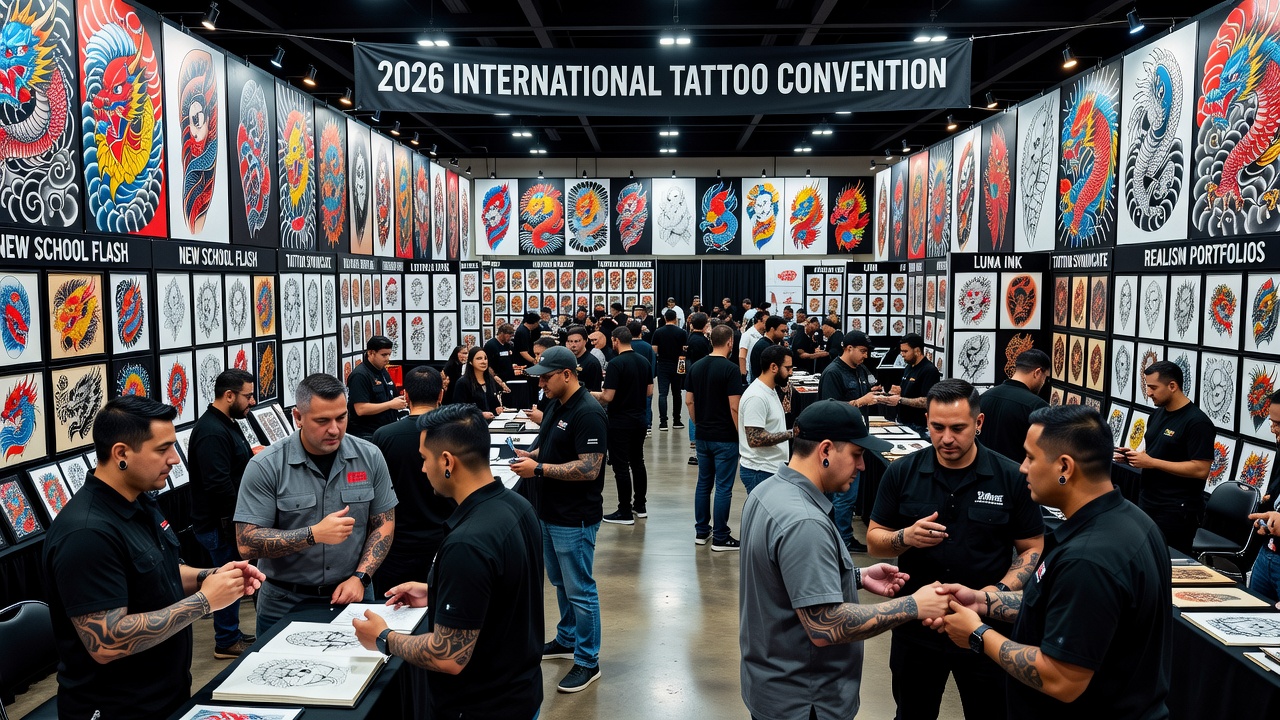
Tattoo conventions serve as vital hubs for ink artists seeking professional development in an increasingly competitive industry. In 2026, these events offer unparalleled opportunities to meet established legends, forge collaborations, and showcase portfolios to new audiences. Whether you are an emerging artist or a seasoned professional, strategic attendance can accelerate network expansion and open doors to vendor deals and guest spots. The tattoo community thrives on personal connections, and conventions compress months of relationship-building into a few intense days. Artists who attend with clear objectives often report expanded client bases, mentorship opportunities, and invitations to international guest spots that would otherwise take years to cultivate.
Successful networking at conventions goes beyond casual conversations. It requires targeted preparation, effective showcasing techniques, and follow-up systems that convert connections into lasting partnerships. This guide explores top events, actionable tactics, and measurable outcomes to help artists maximize their time and resources. By understanding the nuances of different convention formats and applying proven strategies, ink artists can transform these gatherings into pivotal career milestones rather than simple social outings.
Top 2026 Tattoo Conventions Worth Attending
Several flagship events stand out for their scale and industry influence. The London Tattoo Convention draws thousands of attendees from across Europe and beyond, featuring live demonstrations by world-renowned artists alongside panel discussions on evolving techniques. The Milan Tattoo Convention emphasizes artistic innovation with a strong focus on European styles, while the New York Tattoo Convention attracts a diverse mix of traditional and modern practitioners in one of the world's largest art markets. Additional standout events include the Tokyo Tattoo Convention, known for its fusion of cultural influences, and the Los Angeles Tattoo Convention, which often hosts high-profile celebrity guests and brand launches.
Comparing formats helps artists choose events aligned with goals. Large-scale shows provide high visibility but intense competition, whereas smaller regional gatherings allow deeper one-on-one interactions. Researching attendee demographics and past guest lists ensures the best fit for your networking objectives. For instance, conventions with dedicated portfolio review sessions suit artists seeking feedback from legends, while those with extensive vendor halls benefit those exploring supply partnerships. Planning attendance around multiple events in a single year can create a cumulative networking effect, building momentum across regions.
Preparation Tactics Before the Event
Effective preparation starts months in advance. Update your portfolio with recent work, create business cards featuring your social handles, and research attending legends through their recent projects. Develop a concise elevator pitch that highlights your unique style and collaboration interests. Artists who invest time in digital organization often find it easier to share work instantly via tablets or cloud links during rushed moments on the convention floor.
Step-by-step checklist for pre-convention readiness:
- Finalize travel and accommodation bookings early to secure proximity to the venue and reduce daily stress.
- Print high-quality portfolio prints and prepare digital backups on tablets or secure cloud drives for quick access.
- Prepare a targeted list of 10-15 artists and brands to approach, complete with notes on their recent work and potential collaboration angles.
- Review health and safety guidelines from official health resources to maintain professional standards and demonstrate credibility.
- Set measurable goals such as securing three new collaborations or two vendor leads, and create a simple tracking document for post-event review.
- Pack versatile clothing layers, comfortable shoes, and essential supplies like sketchbooks and business card holders to stay agile throughout long days.
- Study the event floor plan and schedule to identify optimal times for approaching specific booths without overwhelming crowds.
Strategies for Showcasing Your Work On-Site
Once at the convention, visibility is key. Position yourself near high-traffic areas or secure a booth if budget allows. Engage passersby with live sketching sessions or quick consultations that demonstrate your technique and personality. Many successful artists set up small display easels or digital frames at their stations to attract attention even when they are engaged in conversations.
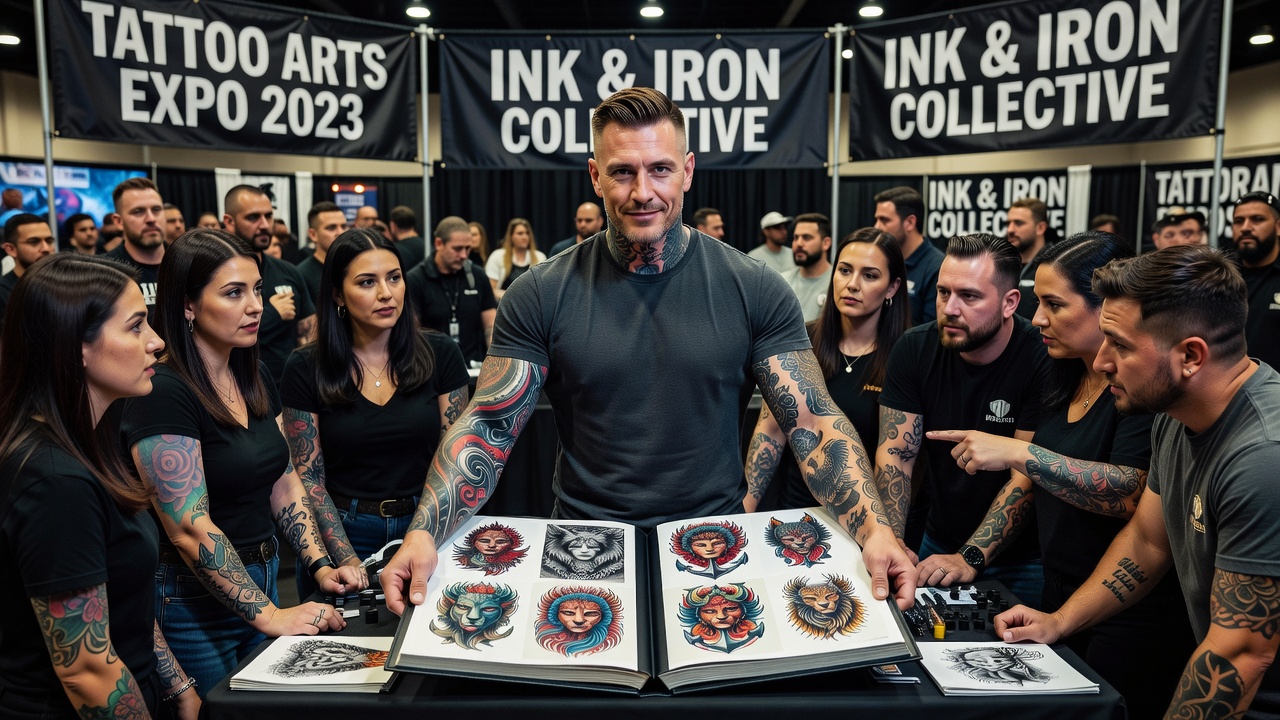
Meaningful conversations often begin with genuine compliments on others' work before transitioning to shared interests. Bring a notebook to capture contact details and specific discussion points for later reference. Timing your interactions matters—approaching artists during slower periods or after they finish demonstrations increases receptiveness. Consider hosting informal mini-workshops at your station to draw in peers and collectors alike, turning passive viewers into active network participants.
Building Meaningful Collaborations
Collaborations thrive on mutual value. Approach legends with clear proposals, such as guest spots or joint flash projects, rather than generic requests for mentorship. Case studies from established professionals reveal that offering something specific—like co-creating a limited edition flash sheet—often opens doors faster than vague networking attempts. One mid-career artist from Chicago secured a multi-city guest spot series after presenting a custom design concept tailored to a legend's upcoming gallery exhibition, resulting in shared social media features that boosted both their followings.
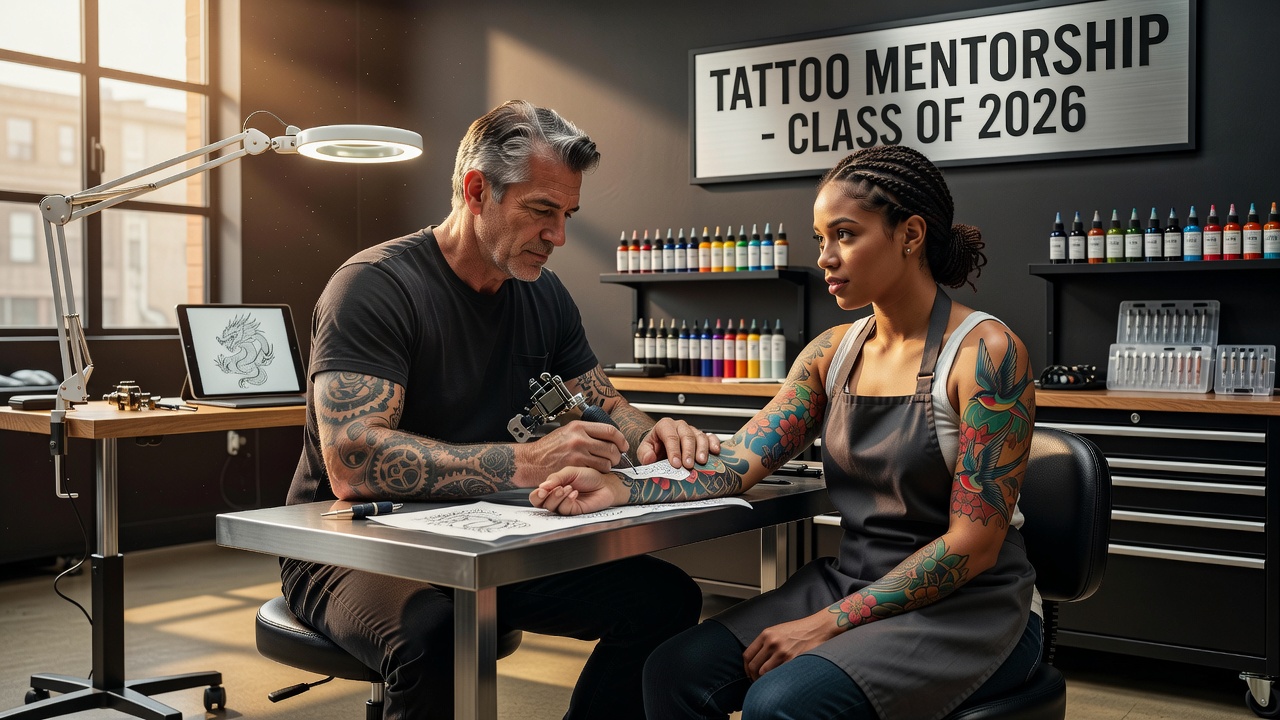
Another example involves a European artist who used convention meetings to launch an online mentorship program with a veteran from the West Coast, leading to quarterly virtual critiques that evolved into paid workshop collaborations. The key lies in listening first and offering solutions that complement the other artist's brand while respecting their time and existing commitments.
Navigating Vendor Opportunities
Vendor booths provide exposure to suppliers and potential clients. Prepare product samples, pricing sheets, and demo materials if selling merchandise or aftercare products. Negotiate booth placement strategically near complementary artists to cross-pollinate audiences and increase foot traffic. Successful vendors often coordinate joint promotions with neighboring booths, such as bundled aftercare kits paired with tattoo flash, to create added value for attendees.
Measuring ROI from Convention Attendance
Track both quantitative and qualitative metrics. Count new followers gained, leads generated, and bookings secured within 30 days post-event. Compare these against attendance costs to evaluate return on investment over multiple conventions. Artists who implement structured follow-up systems typically see 40-60% higher conversion from connections made at events. Maintain a simple spreadsheet logging each contact, the nature of the discussion, and subsequent actions taken to identify patterns that improve future outcomes.
Post-Convention Follow-Up Strategies
The real work begins after the event ends. Within 48 hours, send personalized messages referencing specific conversations and any promised materials. Schedule virtual coffee chats or studio visits to nurture relationships. Many artists create dedicated social media highlight reels from convention footage to keep momentum alive and remind new contacts of their presence. Consistent, value-driven follow-up separates fleeting encounters from enduring professional bonds.
Common Mistakes to Avoid
- Overloading schedules without dedicated networking time, leading to rushed and superficial interactions.
- Failing to personalize outreach after initial contact, which makes follow-up messages easy to ignore.
- Ignoring booth etiquette and hygiene standards that reflect poorly on your professionalism.
- Neglecting to prepare backup plans for technical issues with digital portfolios or payment apps.
- Underestimating the importance of rest between long convention days, which can diminish energy for meaningful conversations.
Frequently Asked Questions
How much should I budget for my first convention?
Focus on travel, booth fees if applicable, and marketing materials. Exact costs vary by location and scale, so research current rates for your target events well in advance.
What is the best way to follow up after meeting someone?
Send a personalized message referencing your conversation within two days, including any promised materials or next steps to keep the dialogue open.
Are virtual elements still part of 2026 conventions?
Many events now include hybrid options for remote portfolio reviews, expanding accessibility for international artists who cannot travel.
How do I handle rejection or limited time from busy legends?
Respect their schedule, leave a concise note or card, and follow up later with a low-pressure message that demonstrates genuine interest in their work.
Conclusion
2026 tattoo conventions represent powerful catalysts for professional growth when approached with strategy and authenticity. By preparing thoroughly, showcasing effectively, and nurturing connections through consistent follow-up, ink artists can build networks that sustain long-term careers. Start planning now to turn these events into milestones of success and lasting community impact.

No comments yet. Be the first!