 Inked Mythos
Introduction to Modern Tattoo Styles in 2026
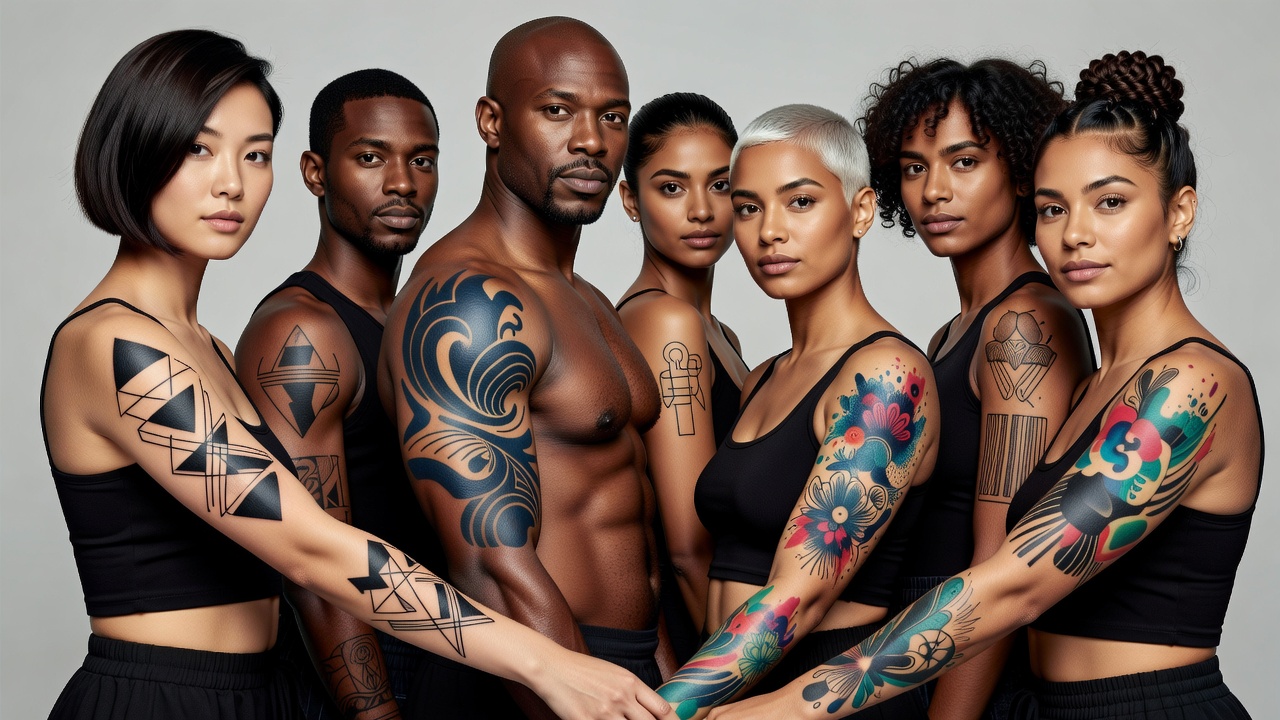
Contemporary tattooing has evolved far beyond traditional motifs, embracing fluid lines, personal narratives, and artistic experimentation. This beginner's guide focuses on core styles like abstract and illustrative work that dominate current trends, helping newcomers distinguish lasting contemporary ink from fleeting fads. Whether you're considering your first piece or refining your collection, understanding these approaches ensures designs that resonate long-term. Modern ink reflects broader cultural shifts toward individuality and self-expression, moving away from rigid symbolism toward fluid, interpretive art forms that speak directly to the wearer's identity and experiences.
Core Contemporary Ink Styles Explained
Abstract Tattoos
Abstract designs prioritize shapes, colors, and movement over literal representation. Artists use geometric forms, watercolor bleeds, and negative space to create pieces that evoke emotion rather than depict objects. This style differs sharply from traditional approaches, which rely on bold outlines and symbolic imagery like anchors or roses. In abstract work, the emphasis lies on composition and how ink interacts with the body's natural curves. Color theory plays a key role here, with artists blending gradients to suggest depth or energy without defined subjects. For example, a portfolio piece might feature intersecting circles in muted tones flowing across the shoulder, creating a sense of motion that changes with posture. Techniques such as dotwork or fine line shading add texture, making each tattoo unique to the skin it adorns. Beginners benefit from starting small with abstract elements to test how the style ages over time.
Illustrative Tattoos
Illustrative tattoos draw from fine art traditions, featuring detailed linework, shading, and storytelling elements. Think botanical studies, surreal portraits, or graphic novel-inspired scenes. Unlike old-school styles with heavy blackwork, illustrative pieces often incorporate delicate gradients and vibrant palettes for a more dynamic, modern feel. Recent artist portfolios showcase how these tattoos blend realism with whimsy, creating wearable art that evolves with the wearer. A common example includes a detailed fox illustration wrapped around the calf, using cross-hatching for fur texture and subtle color washes for atmosphere. This approach allows for narrative depth, where multiple elements tell a story across larger canvases like the back or thigh. Illustrative work excels in customization, letting clients incorporate personal symbols into artistic frameworks without the constraints of traditional iconography.
These styles stand apart from traditional methods by favoring customization and artistic freedom over standardized symbols. CDC guidelines on skin health further underscore the importance of professional application for any contemporary design. Additional resources from Mayo Clinic highlight safe practices that support long-term satisfaction with modern pieces.
Aligning Designs with Your Personal Style
Selecting a tattoo begins with introspection. Review your wardrobe, favorite art, and life experiences to identify themes that feel authentic. For abstract lovers, opt for flowing lines that mirror a minimalist aesthetic. Illustrative enthusiasts might gravitate toward nature or literature motifs. Avoid copying social media trends; instead, collaborate with artists to adapt ideas uniquely to you. Real-world examples from portfolios often show clients transforming personal sketches into custom abstract sleeves or illustrative back pieces that feel timeless. Consider lifestyle integration too—someone in a creative field might choose bold illustrative work on visible areas, while professionals lean toward subtle abstract accents hidden under clothing. This alignment prevents regret and ensures the tattoo enhances rather than clashes with daily life.
Placement Considerations for Modern Tattoos
Placement affects both visibility and how the design ages. Contemporary styles thrive on areas with movement, such as forearms for abstract patterns that shift with gestures or ribs for illustrative narratives that unfold dramatically. Consider lifestyle factors: office professionals may prefer concealable spots like the upper thigh, while creatives embrace visible placements like hands or necks. Always factor in skin texture and future changes—joints and areas prone to stretching require designs with built-in flexibility. For instance, an abstract geometric piece on the inner wrist can be elegant yet discreet, whereas an illustrative landscape across the shoulder blade offers expansive detail without daily exposure. Pain sensitivity also varies by location, with thinner skin areas demanding more preparation and shorter sessions initially.
Fleeting Fads vs. Lasting Contemporary Ink
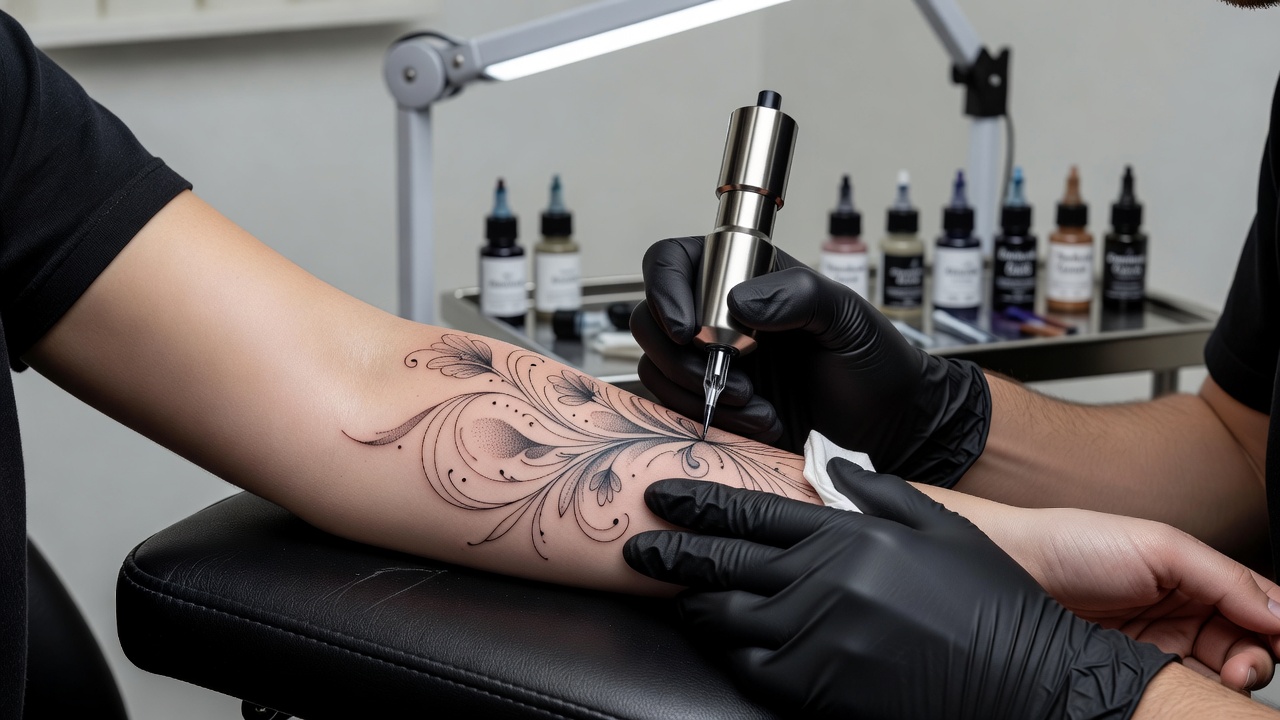
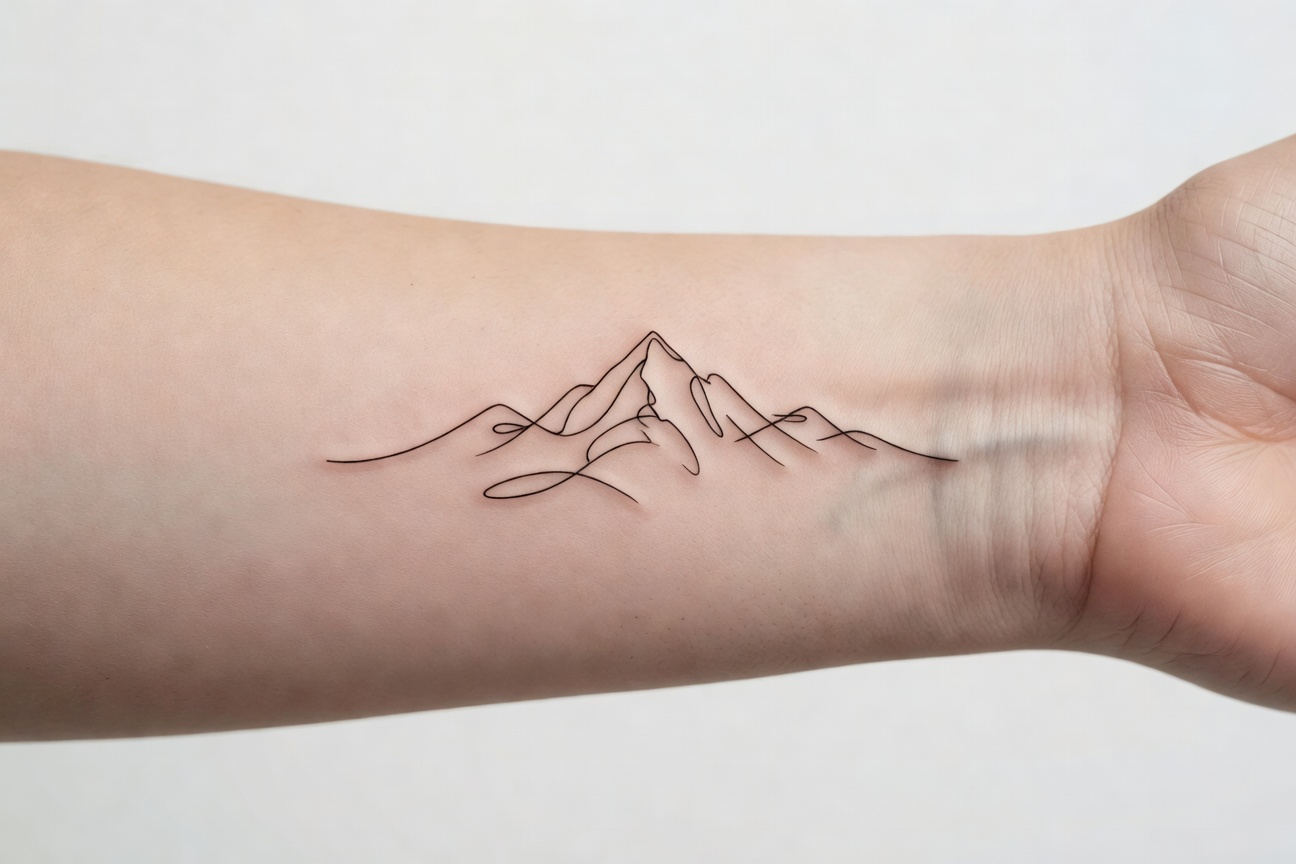
Trends like micro tattoos or specific color palettes can fade quickly in popularity. Lasting contemporary ink focuses on versatile styles such as abstract minimalism or detailed illustrative work that adapt over decades. Compare a single-line drawing trend, which may feel dated soon, against robust illustrative pieces rooted in personal meaning. Portfolios from established artists demonstrate how thoughtful choices endure, while fads often require costly revisions later. To differentiate, evaluate whether a design holds personal significance beyond current aesthetics—abstract forms based on emotions or illustrative scenes from meaningful stories tend to age better than generic motifs popularized online.
Step-by-Step Guide to Consulting Tattoo Artists
- Research portfolios on reputable platforms to find specialists in abstract or illustrative work, noting consistency in line quality and color application across multiple examples.
- Prepare references and mood boards that capture your vision without direct copies, allowing room for the artist's interpretation and expertise.
- Schedule consultations to discuss placement, sizing, and pain tolerance, bringing questions about healing timelines and potential adjustments for body movement.
- Review aftercare protocols and confirm studio hygiene standards, including sterilization processes and ink sourcing for safety.
- Finalize designs collaboratively, allowing the artist creative input for better results, and request mockups or stencils before committing.
This process builds trust and yields superior outcomes compared to rushed decisions. Red flags during consultations include pressure to proceed quickly or lack of customization options.
Common Mistakes Beginners Should Avoid
Many newcomers rush into designs without sufficient research, leading to mismatches with personal style or poor placement. Another frequent error is ignoring aftercare, which can distort even the most intricate illustrative work. Always verify artist credentials and avoid basing choices solely on social media filters. Taking time to review healed examples in portfolios helps anticipate long-term appearance.
Conclusion
Modern tattoos offer profound self-expression when approached thoughtfully. By focusing on abstract and illustrative styles, aligning with personal aesthetics, and prioritizing professional consultations, beginners can invest in ink that remains meaningful. Embrace the journey with research and patience for results that truly last.
FAQ
How painful are modern abstract and illustrative tattoos?
Pain varies by placement and individual tolerance, with bony areas like ribs feeling more intense than fleshy spots such as the upper arm. Sessions typically last 2-4 hours, and artists use techniques to minimize discomfort through breaks and numbing options where appropriate.
What aftercare is recommended for contemporary ink trends?
Follow artist instructions: keep the area clean, apply recommended moisturizers, and avoid sun exposure. Full healing takes 2-4 weeks, with touch-ups possible after that period to maintain vibrancy in illustrative details or abstract gradients.
Can I combine abstract and illustrative elements?
Yes, many artists blend these styles successfully for hybrid designs that feel fresh yet cohesive, such as abstract backgrounds supporting illustrative foreground subjects.
How do I find reputable artists for these modern styles?
Seek recommendations from trusted networks, examine multiple healed portfolio pieces, and ensure the studio follows strict health protocols aligned with health authority recommendations.
No comments yet. Be the first!