 Inked Mythos
Introduction to 2026 Minimalist Tattoo Trends
The tattoo world in 2026 continues to embrace restraint over excess. Minimalist designs featuring fine lines and subtle contemporary ink have surged in popularity among those seeking elegant, personal expressions rather than bold statements. These tattoos prioritize clean aesthetics, negative space, and meaningful simplicity that remain relevant for years. Unlike fleeting trends, they focus on timeless appeal while incorporating modern touches that feel fresh without overwhelming the skin. This approach appeals to a wide audience, from first-time clients to seasoned collectors who appreciate understated beauty that integrates seamlessly into daily life.
Searchers interested in this style often want practical guidance on motifs, placement longevity, and care for delicate work. This guide covers everything from popular single-line art to comparisons with maximalist approaches, helping beginners make informed decisions. The emphasis remains on creating pieces that avoid visual clutter and instead highlight personal narratives through precision and restraint.
The Rise of Minimalist Tattoos and Their Timeless Appeal
Minimalist tattoos have gained traction because they align with broader cultural shifts toward simplicity and intentional living. In 2026, many individuals are moving away from saturated designs that can feel overwhelming. Fine line techniques allow for intricate yet understated expressions, using thin needles to create delicate outlines that mimic sketches or illustrations. This style draws from artistic movements like line drawing and abstract minimalism, translating them onto skin in ways that feel both modern and classic.
The timeless quality comes from avoiding over-saturation. Popular designs steer clear of trendy elements that might date quickly, focusing instead on universal symbols refined to their essence. This makes the tattoos versatile across different life phases, from career changes to family milestones.
Popular Motifs: Single-Line Art and Micro Symbols
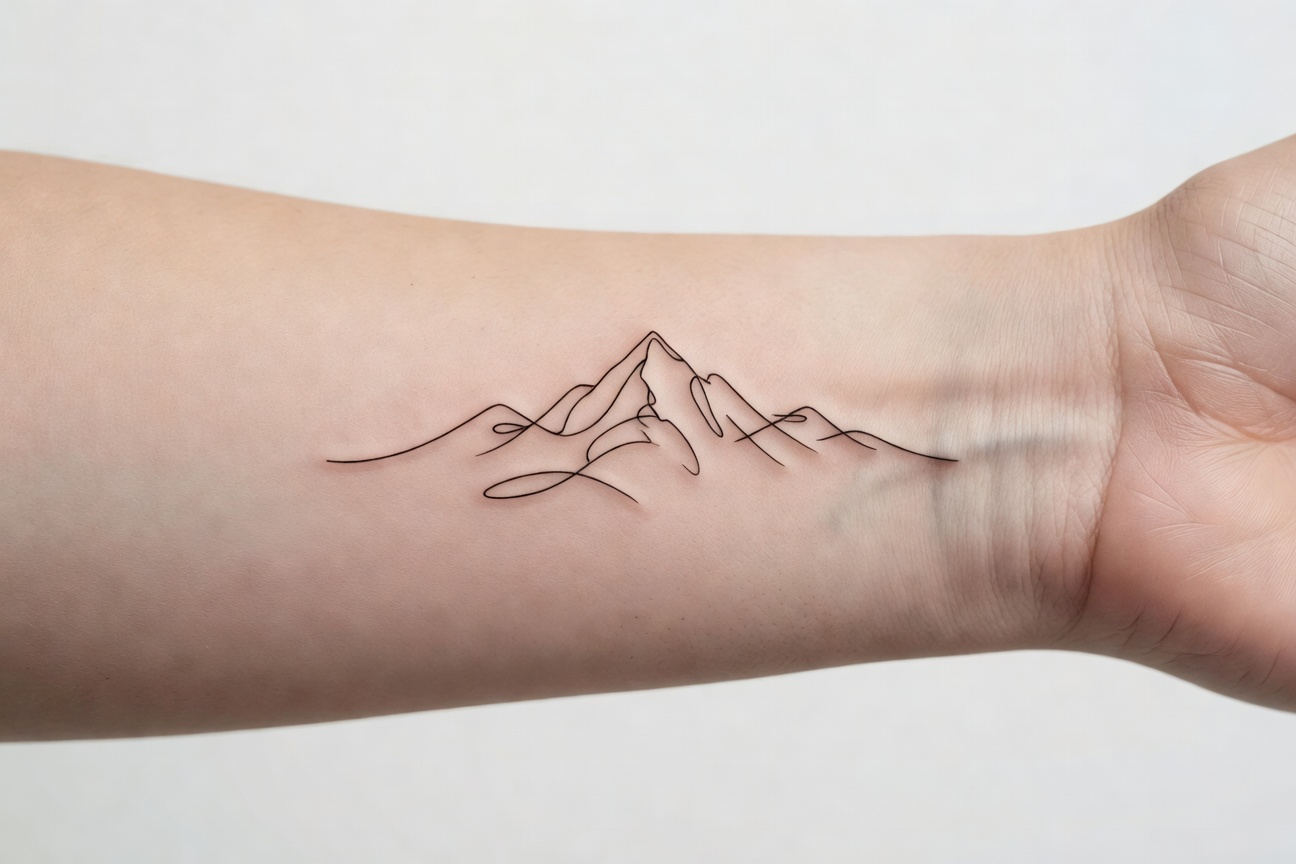
Minimalist tattoos shine through their motifs. Single-line art stands out as a favorite, where an artist creates an entire image using one continuous stroke. Examples include flowing mountain ranges, delicate florals, or abstract waves that symbolize personal journeys. These designs celebrate precision and flow, often placed on wrists or collarbones for subtle visibility. A single-line tree might represent growth, while a continuous wave could evoke calm and resilience.
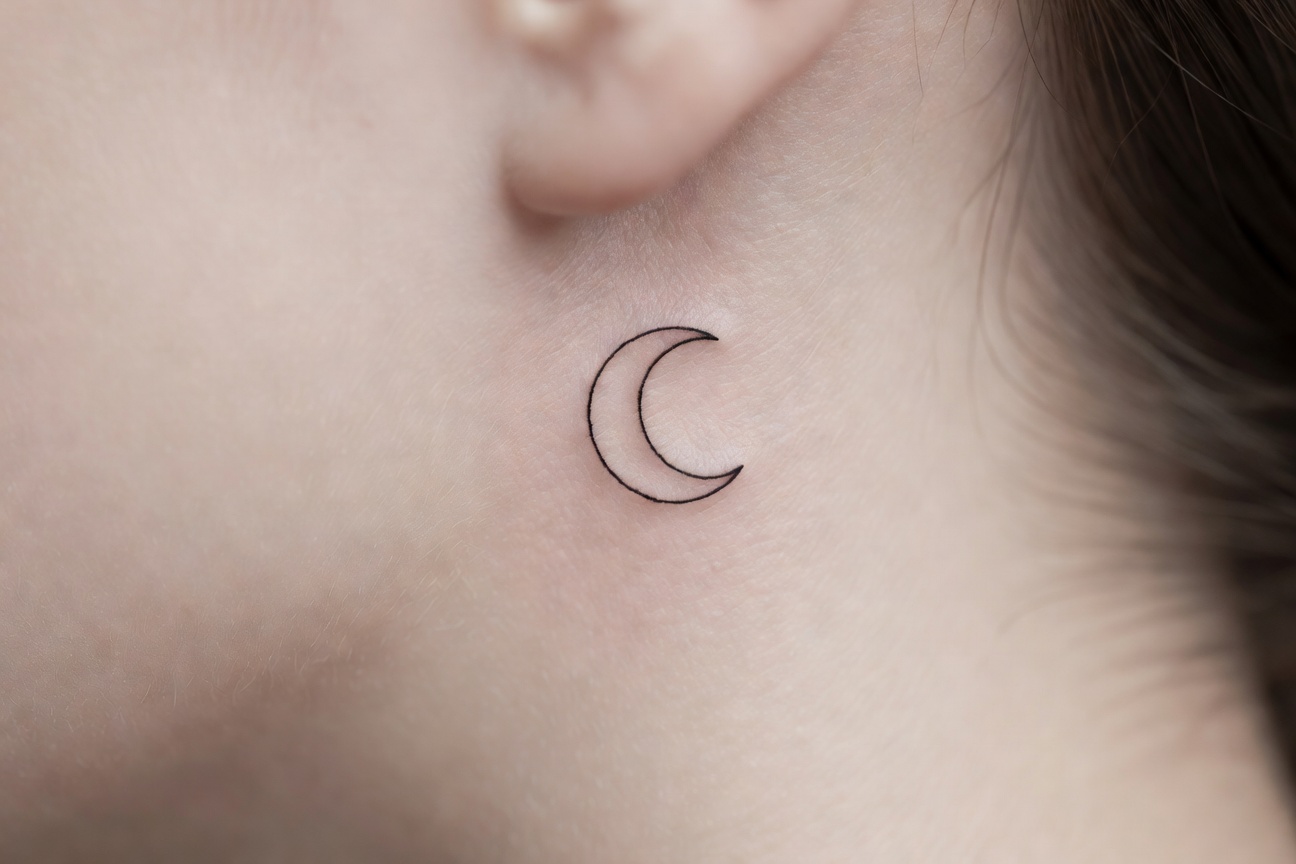
Micro symbols offer another layer of intimacy. Tiny geometric shapes, celestial elements like crescent moons, or minimalist animal outlines fit in spaces as small as a fingertip. They allow wearers to carry private meanings close without drawing attention. Artists refine these with ultra-fine needles to ensure crisp details that hold up over time. Common micro motifs also include small constellations, abstract hearts, or simplified architectural elements like arches that speak to heritage or aspirations.
Minimalist vs Maximalist Styles: In-Depth Comparisons
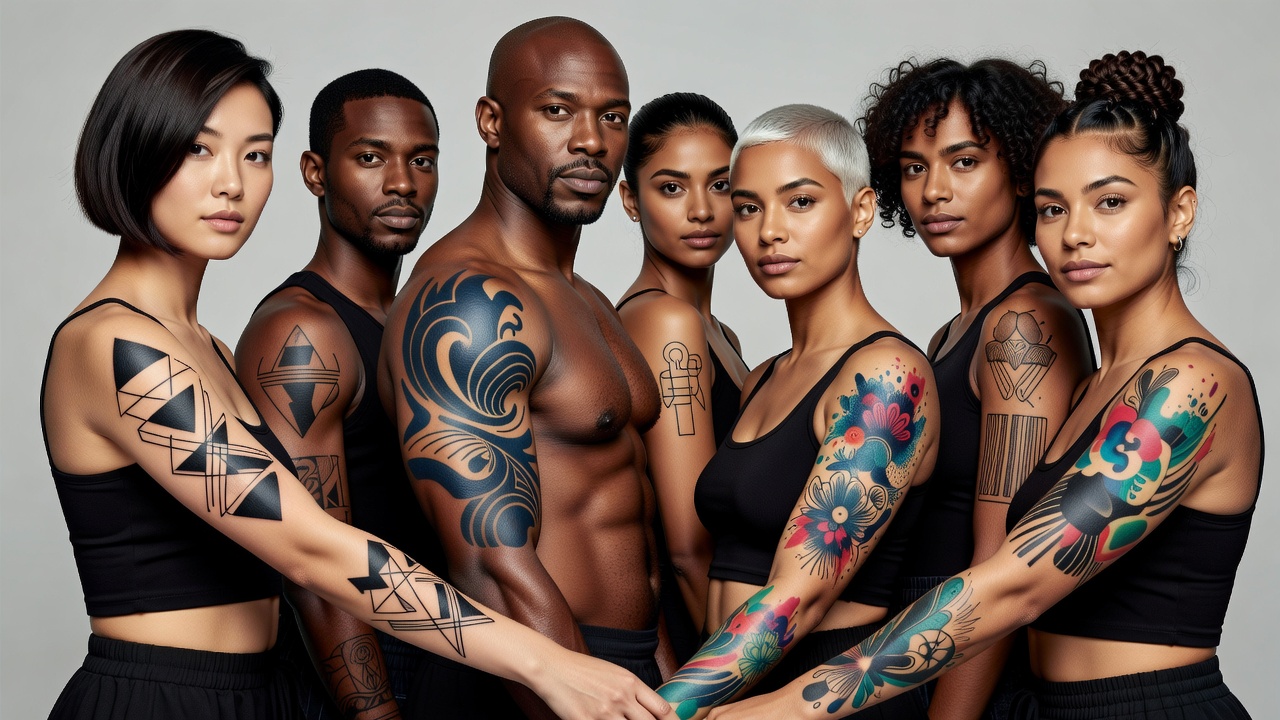
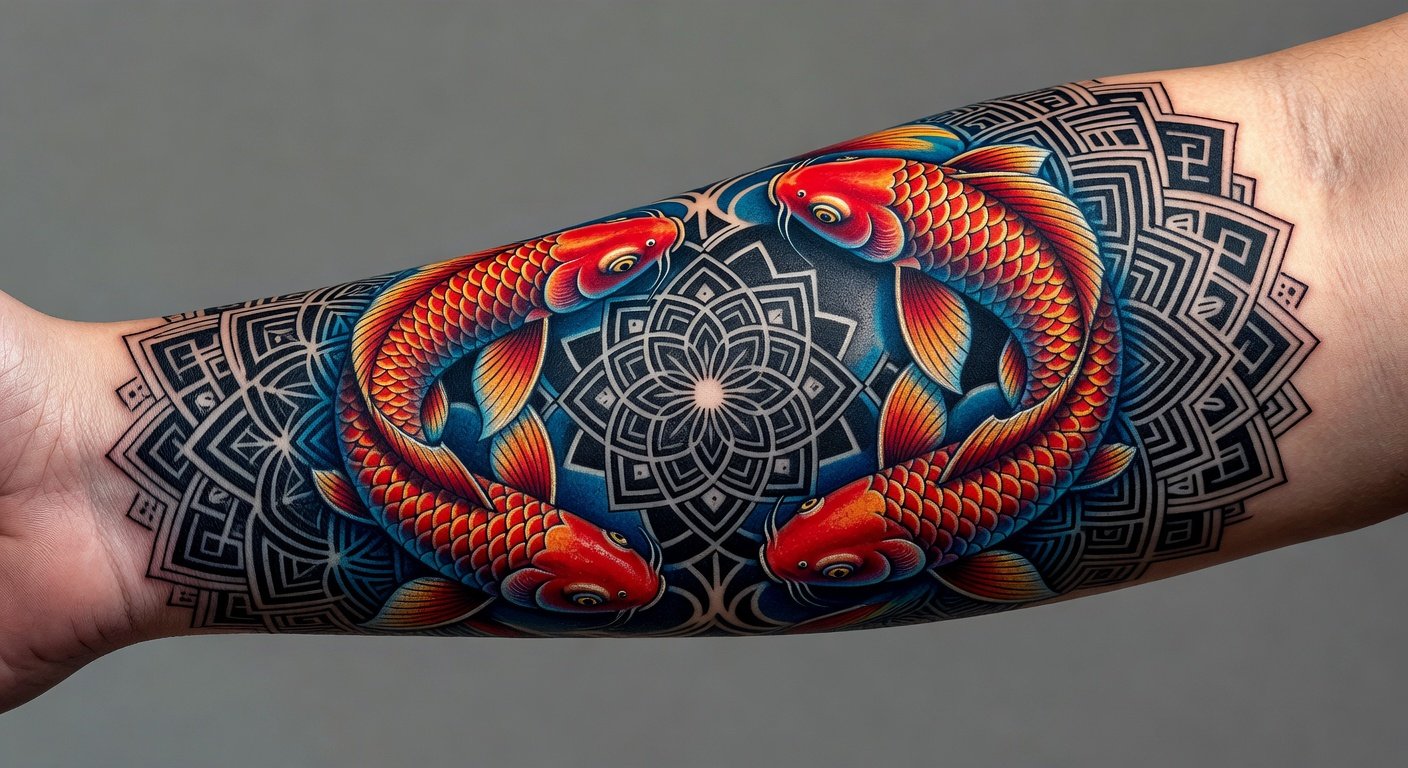
While maximalist tattoos layer bold colors, intricate patterns, and large coverage for dramatic impact, minimalist styles emphasize sparsity and elegance. Maximalist work might cover entire sleeves with vibrant scenes, whereas minimalist pieces use negative space to let the skin breathe. The former can feel energetic and expressive but risks visual fatigue; the latter promotes quiet confidence and versatility across life stages. Maximalist designs often require multiple sessions and bolder pigments that may need more frequent touch-ups, while minimalist fine lines heal faster and maintain clarity with less intervention.
Those drawn to contemporary ink often prefer minimalist approaches for their adaptability. A fine-line piece can complement professional settings or be easily expanded later, unlike dense maximalist designs that demand commitment to a specific aesthetic. The contrast highlights how minimalist tattoos prioritize harmony with the body rather than dominance over it.
Practical Steps for Selecting Placements That Age Gracefully
Placement is crucial for longevity in fine-line work. Areas with less sun exposure and minimal stretching, such as the inner forearm, behind the ear, or ankle, help preserve delicate lines. Avoid high-movement zones like fingers or elbows where ink may blur faster. Consider factors like skin type, lifestyle, and future body changes when deciding.
Here are practical steps to guide the process:
- Assess your daily activities and clothing preferences to choose discreet yet meaningful spots.
- Evaluate skin elasticity in potential areas, favoring those less prone to significant changes over time.
- Consult reference images and discuss proportions with your artist to ensure the design fits naturally.
- Test temporary versions using henna or markers to visualize long-term results before committing.
Consider body changes over decades. Ribcage or upper thigh placements offer discretion but may distort with weight fluctuations. Consulting a professional ensures the design suits your anatomy for enduring beauty. Upper back placements near the shoulder blade provide good canvas space while remaining mostly hidden, and ribcage areas work well for vertical designs that follow natural body contours.
Real Artist Examples and Inspiration Sources
Artists specializing in this niche, such as those featured in international tattoo publications, demonstrate mastery through portfolios of single-line botanical studies or micro celestial maps. Studios in creative hubs like Berlin and Portland showcase how fine lines can evoke emotion with minimal strokes, inspiring clients to opt for personalized variations of classic symbols. For instance, one renowned practitioner creates delicate single-line portraits that capture essence without excess detail, while another focuses on micro geometric patterns inspired by architecture. These examples illustrate how collaboration leads to unique results that feel both contemporary and personal.
Aftercare Tips Tailored to Delicate Contemporary Ink
Proper aftercare protects the precision of minimalist tattoos. Gently clean the area with fragrance-free soap twice daily, then apply a thin layer of recommended moisturizer. Avoid sun exposure, swimming, and tight clothing during the initial healing phase of two to four weeks. For fine lines, extra hydration prevents cracking and maintains sharpness. It is also wise to protect the tattoo from friction and extreme temperatures.
Follow these detailed aftercare practices for optimal results:
- Keep the tattoo covered with a sterile bandage for the first few hours as advised by your artist.
- Wash hands thoroughly before touching the area to prevent infection.
- Apply ointment sparingly to avoid clogging pores while the skin heals.
- Monitor the tattoo daily for signs of unusual redness or swelling.
- Once healed, use broad-spectrum sunscreen regularly to prevent fading.
Resources from Mayo Clinic and American Academy of Dermatology provide additional guidance on skin healing best practices that apply directly to delicate tattoo work. These steps ensure the subtle ink retains its contemporary elegance long-term.
Common Mistakes to Avoid with Minimalist Tattoos
Many beginners rush into designs without considering scale or artist specialization. Overly complex micro elements can lose definition if the artist lacks experience with fine needles. Another pitfall is ignoring aftercare consistency, which can lead to premature fading. Always research portfolios thoroughly and communicate clearly about desired subtlety to prevent designs from becoming busier than intended.
Frequently Asked Questions
How painful are minimalist tattoos?
Pain levels vary by placement and individual tolerance. Fine-line work often involves less trauma than bold shading, making sessions more comfortable, especially in bony areas like the wrist. Sessions tend to be shorter due to simpler compositions.
What affects the longevity of these tattoos?
Longevity depends on placement, sun protection, and skin care routines. Areas with thicker skin and less movement generally preserve fine details better over extended periods.
How do I choose the right artist for subtle contemporary ink?
Look for specialists with extensive fine-line portfolios and positive client feedback on delicate work. Schedule consultations to review healed examples and discuss your vision in detail.
Can minimalist tattoos be expanded later?
Yes, their simplicity allows for future additions without clashing styles, making them ideal for those who want evolving personal collections.
Conclusion: Consulting Artists for Personalized Designs
Minimalist tattoo trends in 2026 highlight the power of subtlety. By focusing on fine lines and thoughtful placement, individuals create ink that feels both modern and enduring. The style supports personal expression through refined details rather than volume. Always consult experienced artists to refine ideas into custom designs that align with your vision and skin. This collaborative approach ensures a piece that ages gracefully while reflecting personal style, resulting in tattoos that continue to resonate for years to come.
No comments yet. Be the first!