 Inked Mythos
Introduction to Bio-Mechanical Tattoo Trends
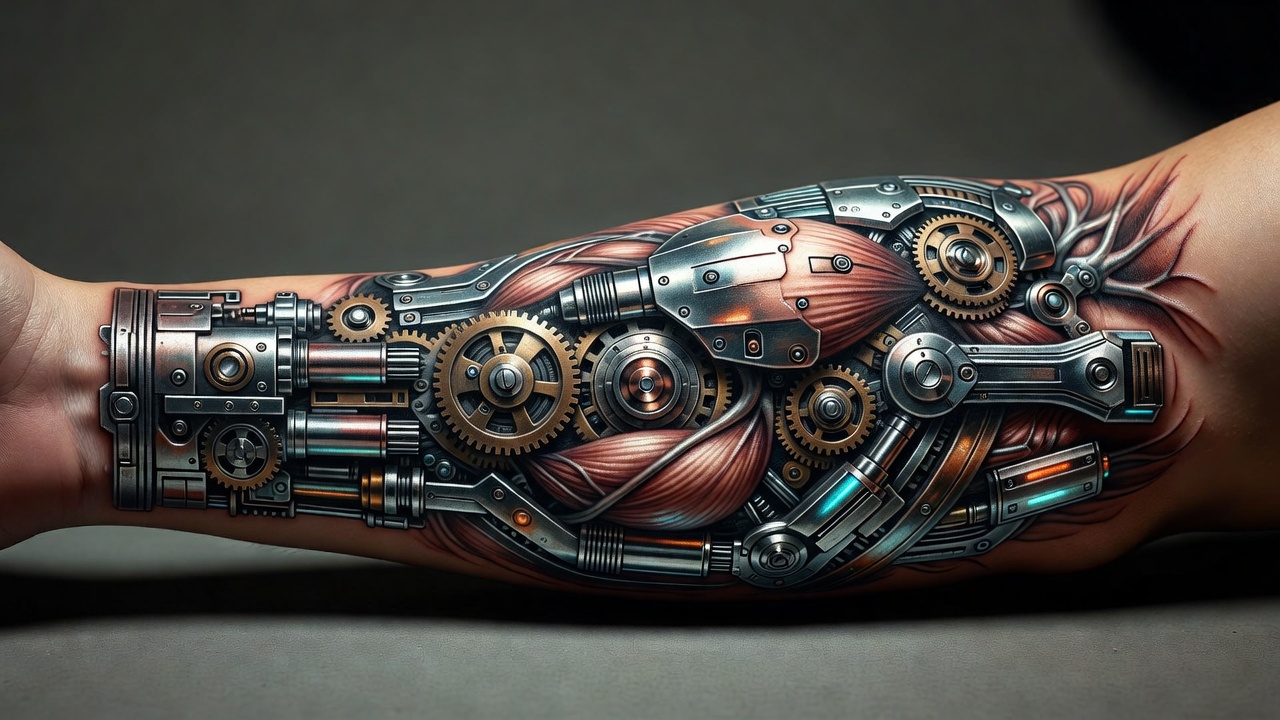
Bio-mechanical tattoos represent a captivating fusion of organic human anatomy and intricate mechanical components, creating a futuristic aesthetic that continues to gain traction in contemporary tattoo culture. This style appeals to individuals seeking designs that evoke both the natural complexity of the body and the precision of machinery. Unlike fleeting trends, bio-mechanical ink offers timeless appeal through its detailed interplay of flesh, bone, and engineered elements such as pistons, wires, and gears. Searchers interested in advanced techniques find value in understanding how these tattoos transcend mainstream styles. They emphasize depth, shading, and realistic textures to simulate exposed machinery beneath the skin. As portfolios from 2026 highlight, the style has evolved with improved tattoo technologies allowing for finer lines and more vibrant contrasts. Enthusiasts often describe the look as a visual narrative of human evolution meeting technological advancement, making it ideal for those who want ink that tells a story beyond simple imagery.
The growing popularity stems from its versatility across body types and its ability to incorporate personal symbolism, such as resilience or innovation. Artists today leverage advanced needle configurations and ink formulations to achieve photorealistic effects that were challenging even a decade ago. This introduction sets the stage for deeper exploration into techniques that deliver striking results.
Origins and Evolution of Bio-Mechanical Designs
The roots of bio-mechanical tattoos trace back to the 1970s and 1980s, influenced by science fiction art and biomechanical concepts popularized in films and illustrations. Artists drew inspiration from the idea of merging human biology with robotic enhancements, creating pieces that feel both alien and intimately personal. Over decades, the style matured from bold outlines to hyper-realistic renderings that incorporate subtle color gradients and negative space for dramatic effect. Early pioneers experimented with industrial motifs drawn from machinery blueprints, adapting them to curve naturally along muscle groups. By the 2000s, digital design tools enabled precise planning of layered elements, transforming the style into a sophisticated art form. Modern interpretations build on these foundations while incorporating current artistic tools like digital sketching software. This evolution allows for greater customization, ensuring each piece reflects the wearer's vision of a hybrid future self. Influences from cyberpunk literature and biomechanical sculpture continue to shape new iterations seen in recent exhibitions.
Popular Motifs: Gears Fused with Anatomy
Among the most striking motifs in bio-mechanical tattoos are gears seamlessly integrated with anatomical features. Imagine biceps revealing interlocking cogs or ribs adorned with metallic plating that mimics skeletal structure. These designs often feature exposed joints where tendons transition into hydraulic lines, producing a visually arresting effect. Other common elements include circuit boards overlaying veins, robotic joints at elbows or knees, and biomechanical skulls where brain matter morphs into processors. Artists frequently use blackwork combined with subtle greys and blues to enhance the metallic illusion. Variations in 2026 portfolios showcase elongated spinal columns morphing into conveyor belts or heart chambers filled with rotating turbines. These motifs allow wearers to express themes of strength through mechanical endurance or the beauty of internal systems. Placement on curved body areas accentuates the three-dimensional quality, making the tattoo appear to shift with movement. 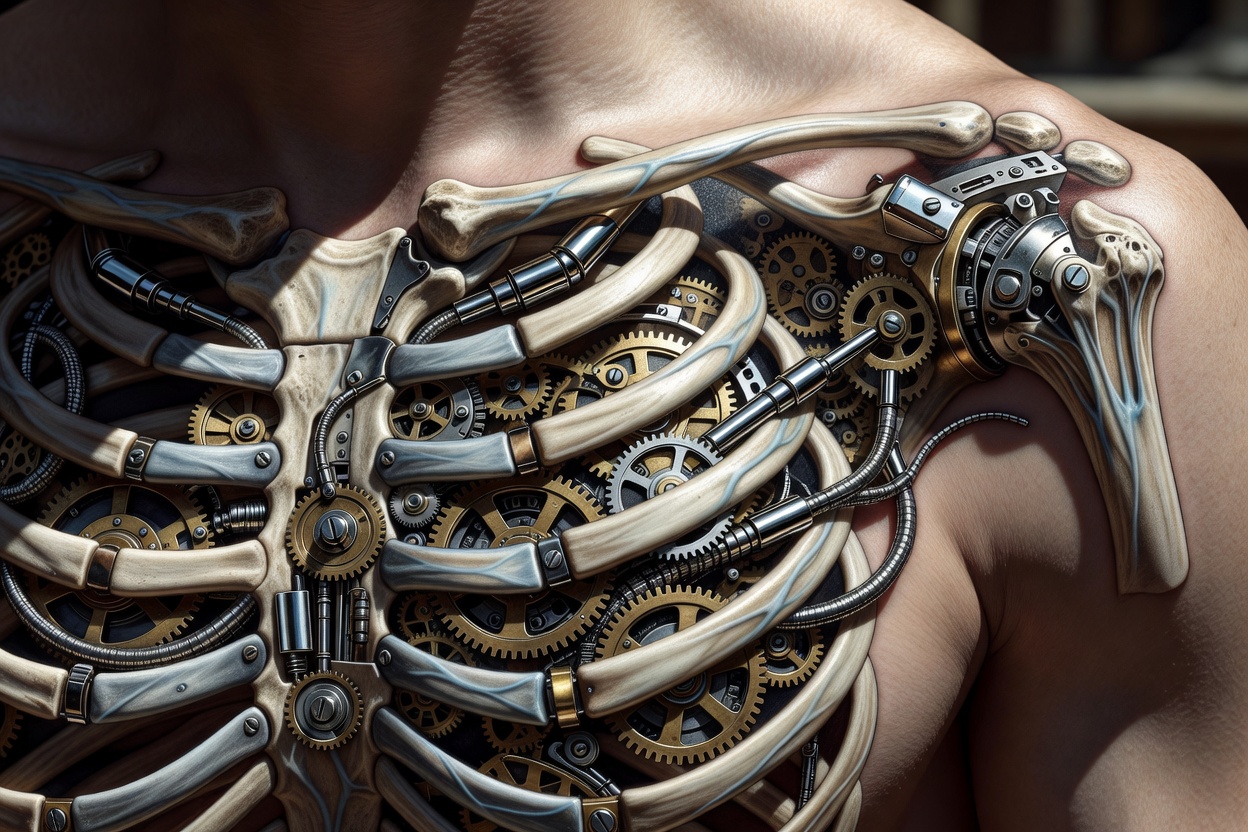
Comparisons to Geometric Tattoo Styles
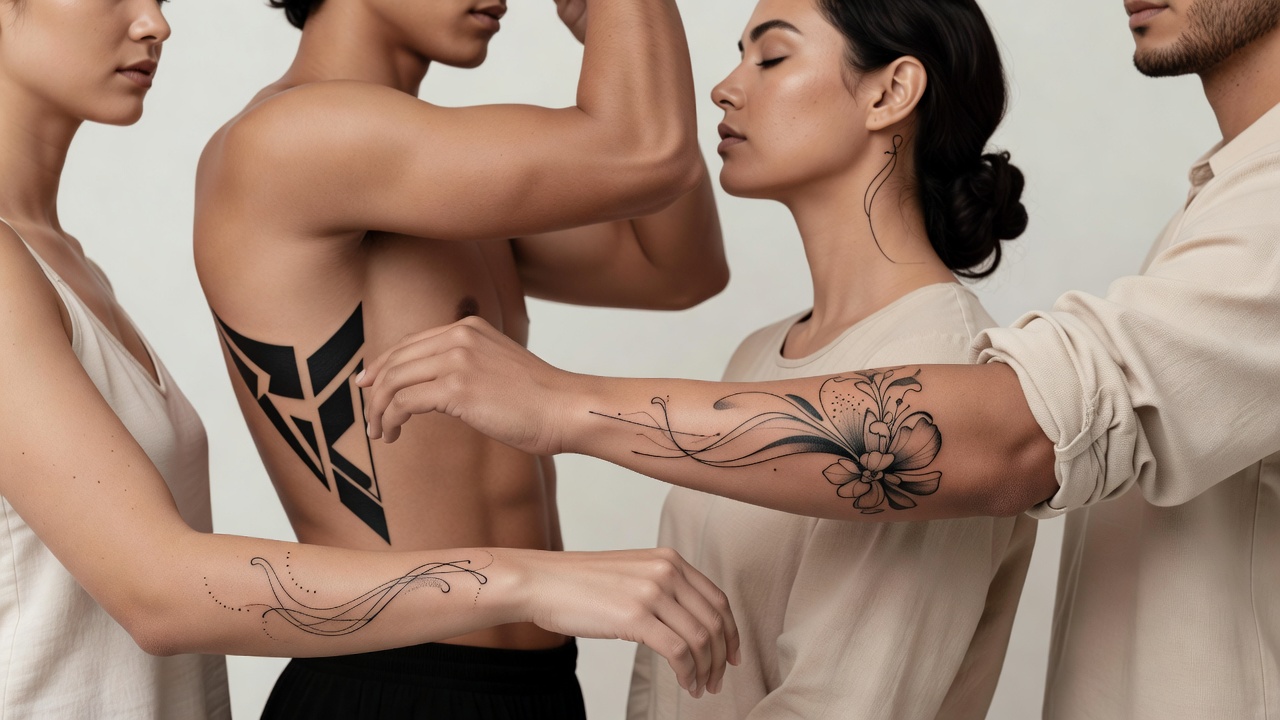
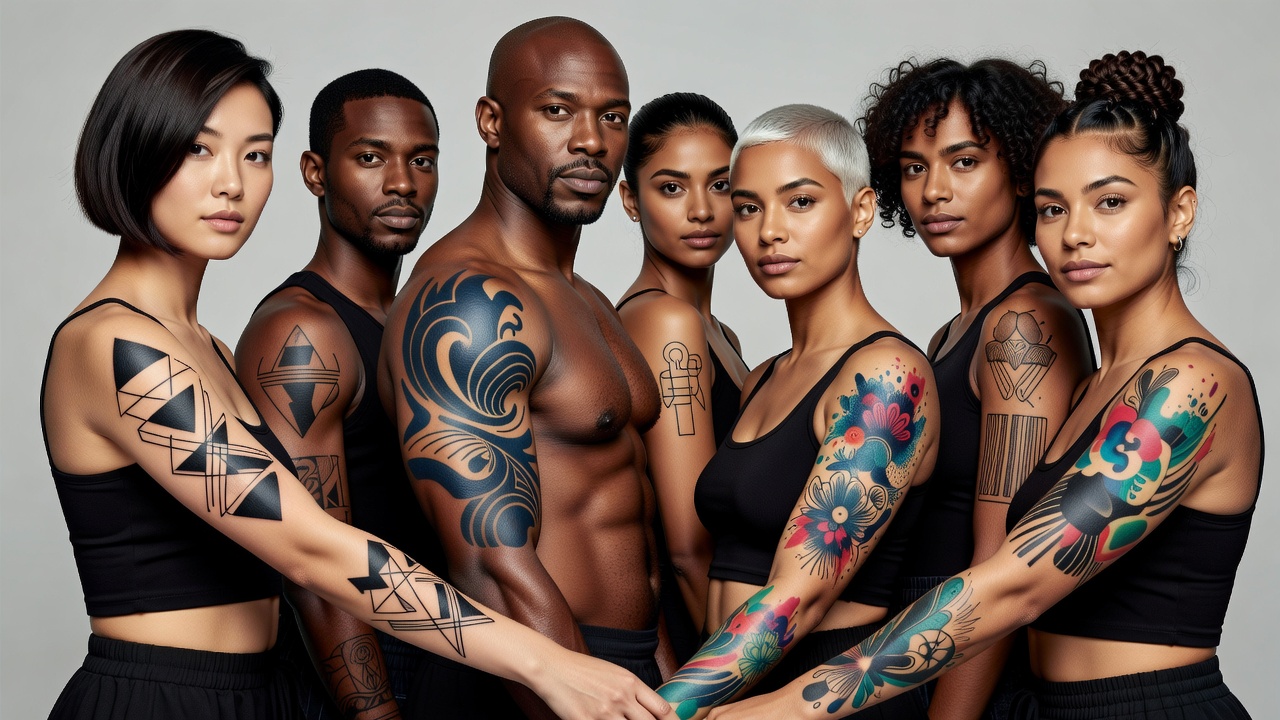
While geometric tattoos rely on precise shapes, symmetry, and abstract patterns, bio-mechanical designs prioritize organic flow merged with industrial detail. Geometric work often feels more minimalist and mathematical, whereas bio-mechanical pieces convey narrative depth through their storytelling of human-machine symbiosis. Those choosing between styles should consider that bio-mechanical tattoos typically require more sessions due to their complexity and shading demands. Geometric tattoos suit quicker applications and bold, clean aesthetics, but they lack the textural realism that defines bio-mechanical art. Bio-mechanical designs excel in creating illusions of depth and motion, appealing to clients who want interactive visual experiences when viewed from different angles. Both styles benefit from skilled line work, yet bio-mechanical approaches demand expertise in anatomical accuracy alongside mechanical precision for cohesive results.
Artist Collaboration Tips for Custom Bio-Mechanical Ink
Successful bio-mechanical tattoos depend on strong collaboration with skilled artists. Begin by researching portfolios specializing in realism and mechanical subjects. Provide reference images from science fiction sources or anatomical studies to convey your concept clearly. Discuss placement early, as skin texture and movement influence how gears and lines will appear over time. Communicate expectations around detail level and color palette during consultations. Many artists recommend multiple revisions of the stencil to perfect proportions before inking begins. This partnership ensures the final result aligns with both artistic expertise and personal intent. Additional tips include sharing lifestyle factors like sun exposure habits, which can affect long-term ink retention in detailed mechanical areas. Schedule follow-up sessions spaced appropriately to allow skin recovery between layers of shading and line work.
Step-by-Step Placement Advice
Placement significantly impacts the impact of bio-mechanical tattoos. Follow these practical steps for optimal results:
- Assess body contours: Select areas like forearms, thighs, or backs where large surfaces allow expansive designs without distortion from natural movement.
- Consider movement: Avoid high-flex zones if intricate gears could warp; instead, opt for stable areas like the upper arm or calf to maintain crisp mechanical details.
- Scale appropriately: Start with smaller elements on wrists and build toward larger compositions on the torso for balanced visual flow that complements body proportions.
- Factor in visibility: Decide between subtle placements hidden under clothing or bold statements on visible skin based on personal and professional contexts.
- Evaluate skin type: Thicker skin areas support heavier shading needed for metallic effects, while thinner skin requires gentler techniques to avoid irritation.
Always consult your artist for adjustments based on your unique anatomy and review mockups in natural lighting before committing.
Healing Challenges and Customization Options
Bio-mechanical tattoos present specific aftercare considerations due to their density and shading. FAQ sections often address common concerns:
How long does healing typically take?
Full healing spans 4-6 weeks, with initial scabbing resolving in 2 weeks. Proper moisturizing prevents ink fallout in detailed areas.
Can designs be customized for longevity?
Yes, artists can incorporate touch-up friendly elements or use durable pigments suited for extended vibrancy. Discuss fade-resistant techniques during planning.
What challenges arise with complex motifs?
Overlapping layers may require staged sessions to manage skin irritation, ensuring crisp mechanical details endure through proper aftercare routines.
For authoritative guidance on skin health during healing, refer to resources from CDC, FDA, and Mayo Clinic.
Techniques, Tools, and Visual Examples from 2026 Portfolios
Contemporary bio-mechanical work employs specialized tools including magnum needles for smooth gradients and fine liners for precise gear teeth. Artists combine traditional hand-poking with machine precision for varied textures that mimic both organic tissue and polished metal. Examples from recent portfolios feature full-sleeve compositions where biomechanical elements wrap continuously around limbs, creating immersive effects under different lighting conditions. Customization often includes adding personal elements like birthdates encoded as serial numbers within the machinery.
Mistakes to Avoid
Common pitfalls include rushing the design phase without sufficient reference material or selecting artists without proven experience in mechanical realism. Over-saturation of ink in one session can lead to blowouts that blur fine details. Always prioritize quality over speed and budget for multiple appointments if the piece spans large areas.
Conclusion
Bio-mechanical tattoos offer a sophisticated avenue for contemporary self-expression, blending artistry with technical precision. By exploring origins, motifs, placement strategies, and artist partnerships, enthusiasts can achieve striking results that stand the test of time. Whether drawing from 2026 portfolio inspirations or personal customization, this style rewards thoughtful planning with enduring visual impact.
No comments yet. Be the first!