 Inked Mythos
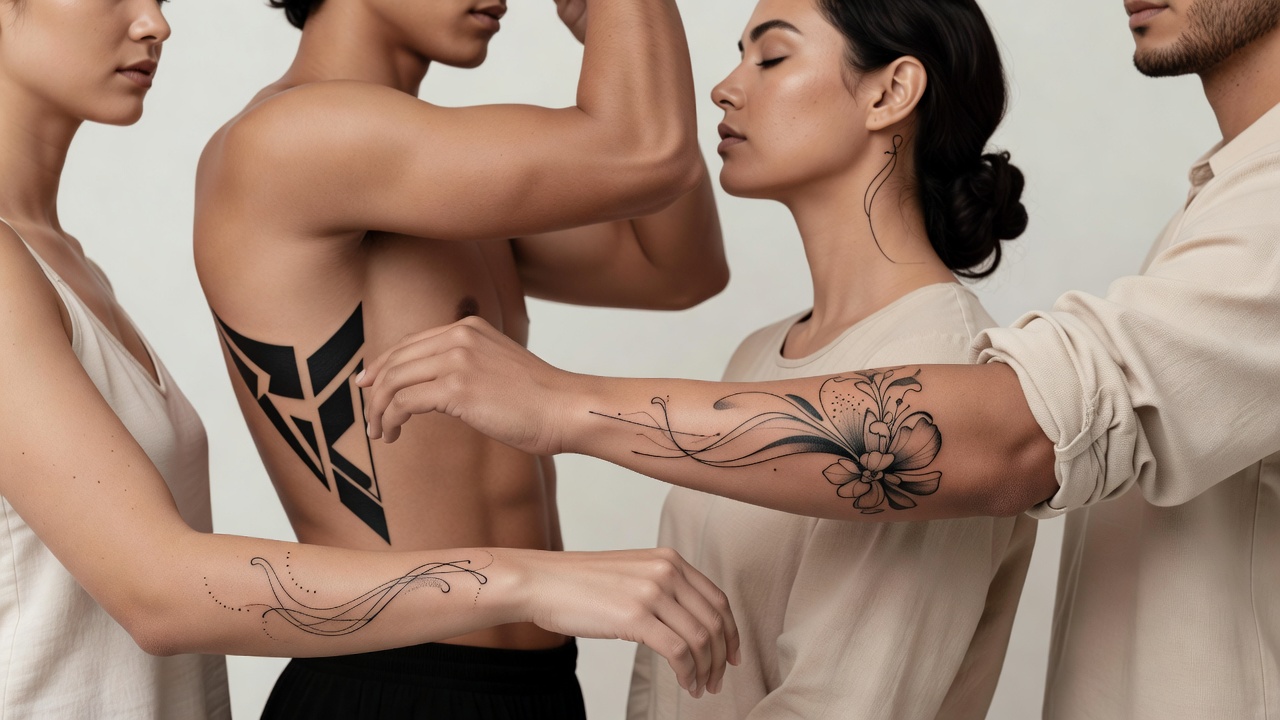
Introduction to Modern Tattoo Placement Decisions
Choosing the right placement for contemporary ink in 2026 requires balancing aesthetic impact with practical realities like healing time, skin movement, and long-term visibility. As tattoo styles evolve toward minimalist lines, geometric patterns, and subtle color gradients, placement becomes even more critical for ensuring the design ages gracefully. This guide provides step-by-step criteria drawn from current industry practices to help you select locations that support lasting results across different body types and lifestyles. Whether you seek bold statements or subtle personal symbols, understanding these factors helps avoid common pitfalls associated with fleeting fads.
Key Factors Influencing 2026 Tattoo Placements
Modern tattoo trends emphasize designs that adapt to the body rather than fighting against it. Visibility plays a major role: some people want pieces that spark conversation, while others prefer discreet options for professional settings. Healing considerations matter because areas with thinner skin or higher friction tend to require more aftercare. Personal expression remains central—placements should reflect your lifestyle and body type for authentic results. Skin type, age, and daily activities further influence outcomes, as contemporary ink often features delicate details that can blur or fade unevenly if placed poorly.
High-Impact Areas: Wrists and Ribs
Wrists offer high visibility for small contemporary motifs like fine-line symbols or abstract shapes. However, constant movement and exposure to elements can accelerate fading, making them suitable for those willing to commit to touch-ups. Ribs provide a larger canvas for flowing designs but involve significant discomfort during the session and longer healing periods due to breathing-related skin shifts. For example, a geometric wave pattern on the ribs can look striking but may require extra protection during sleep and exercise to prevent ink migration.
Discreet Options: Behind the Ear and Inner Arm
Behind-the-ear placements suit delicate contemporary styles such as micro florals or single-word scripts. These areas heal relatively quickly and remain hidden under hair or collars. Inner arm locations allow for slightly larger pieces while staying mostly covered, offering a good middle ground for personal expression without constant public display. Athletes and professionals often choose these spots because they minimize interference with uniforms or formal attire.
Skin Movement and Body Type Considerations
Skin elasticity varies across body types, directly affecting how ink settles over time. Areas like the stomach or thighs experience more stretching, which can distort detailed contemporary work. For athletic builds, placements on the shoulders or calves often maintain integrity better due to consistent muscle support. Always evaluate how your daily movements interact with potential sites. Curvier body types may find the upper back or collarbone more forgiving, while leaner frames benefit from testing tension in areas like the forearm before committing.
- Assess joint proximity—avoid elbows and knees for intricate pieces to prevent cracking.
- Consider fat distribution for smoother healing surfaces and reduced irritation.
- Test skin tension by moving the area during consultation with your artist.
- Factor in weight fluctuations that could impact designs on the torso or hips.
Lifestyle Compatibility Evaluation
Your occupation and hobbies should guide placement choices. Office professionals often favor collarbone or ankle locations that can be concealed. Active individuals benefit from placements on the upper back or calves where clothing provides natural protection during workouts. CDC guidelines on skin health underscore the importance of choosing low-friction zones for faster recovery. Consider how sun exposure in outdoor jobs might affect certain placements, and plan accordingly with protective measures.
Step-by-Step Placement Evaluation Criteria
Follow this structured process to narrow options effectively and achieve enduring contemporary ink:
- Define your visibility goals and professional constraints early in the planning stage.
- Map body movement patterns over a typical week to identify high-stress zones.
- Research healing timelines for shortlisted areas using reliable aftercare resources.
- Consult an artist experienced in 2026 contemporary styles for personalized advice.
- Simulate long-term appearance using temporary transfers or digital previews.
- Review examples of similar placements on various body types for realistic expectations.
Comparing Visibility, Healing, and Expression Trade-Offs
High-visibility placements like the wrist deliver immediate impact but demand more ongoing care to combat fading from daily wear. In contrast, discreet sites behind the ear prioritize subtlety and quicker recovery at the cost of limited size options. Rib tattoos allow expansive designs that express individuality but come with elevated pain and extended downtime. Matching these trade-offs to your priorities ensures the placement enhances rather than hinders your contemporary ink vision.
Healing Timelines and Aftercare by Placement
Healing varies significantly: behind-the-ear tattoos often stabilize within two weeks, while rib placements may take four to six weeks due to movement. Inner arm designs heal in about three weeks with proper bandaging. Always follow artist instructions and monitor for signs of irritation. Incorporating breathable clothing and avoiding submerging the area speeds recovery across all sites.
Visual Case Studies of Popular Contemporary Styles
Successful placements often feature geometric linework on the forearm for balanced visibility or subtle dotwork behind the ear for understated elegance. One case involved a minimalist wave pattern on the ribs that accommodated natural breathing motion without distortion over multiple years. Another highlighted a fine-script quote on the inner wrist that remained crisp after two years with proper care and sun protection. A third example showed a small abstract motif on the ankle that blended well with active lifestyles when covered by socks during intense activity.
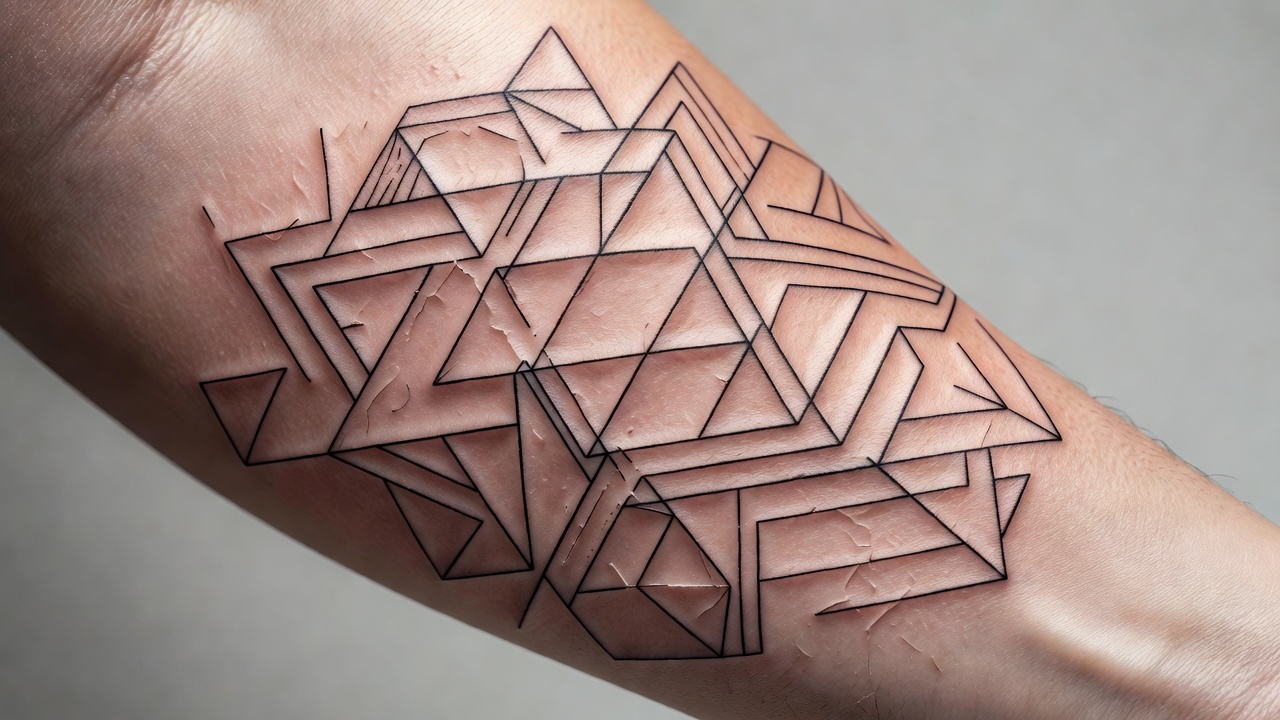
Mistakes to Avoid When Selecting 2026 Tattoo Placements
Common errors include ignoring skin movement, which leads to warped lines in detailed work, or choosing fad-driven spots like the side of the hand that age poorly. Overlooking lifestyle fit can result in regret when professional requirements change. Always prioritize timeless contemporary elements over trendy locations to ensure longevity.
Pain Levels and Long-Term Fading: FAQ
How painful are rib tattoos compared to behind-the-ear placements?
Rib areas rank higher on pain scales due to proximity to bone and constant movement, while behind-the-ear locations typically cause milder discomfort during the session.
Do contemporary tattoos fade faster in high-movement zones?
Yes, wrists and ankles experience more sun exposure and friction, leading to gradual fading that artists can mitigate with strategic ink density and aftercare routines.
What maintenance prevents premature aging of ink?
Regular moisturizing, sun protection, and following professional aftercare extend vibrancy across all placements for years of enjoyment.
Can body type affect long-term tattoo appearance?
Absolutely—elasticity differences mean some placements hold detail better on certain builds, making consultations essential for tailored recommendations.
Conclusion
Thoughtful 2026 tattoo placement decisions prioritize longevity alongside style. By weighing visibility needs, body dynamics, and lifestyle factors through the criteria above, you can select sites that support enduring contemporary ink. American Academy of Dermatology resources and Mayo Clinic skin care information offer additional insights for optimal outcomes. Take time to research and consult professionals to ensure your choice remains satisfying for years ahead.
No comments yet. Be the first!