 Inked Mythos

Understanding Skin Undertones for Modern Tattoo Success in 2026
Selecting the right tattoo colors based on individual skin tones is essential for achieving lasting, vibrant results in contemporary ink. As tattoo trends evolve into 2026, artists and clients focus on personalization to prevent fading and ensure hues complement natural pigmentation. This approach goes beyond generic advice, emphasizing practical testing and palette selection tailored to diverse undertones. Skin undertones—warm, cool, or neutral—play a critical role in how tattoo pigments interact with melanin. Warm undertones often feature golden or peachy hues, while cool tones lean toward pink or blue. Neutral skin balances both. In 2026, advanced color theory helps artists predict how inks will appear over time on melanin-rich skin, where deeper tones can mute certain pigments. Understanding these interactions allows for informed decisions that preserve the integrity of modern designs long after the initial application.
Many clients overlook how environmental factors like sun exposure and lifestyle habits accelerate color shifts. For instance, individuals with higher melanin levels may notice faster breakdown in lighter pigments due to increased absorption. Experts recommend starting with a thorough undertone analysis using professional tools such as spectrophotometers in advanced studios. This foundational knowledge sets the stage for all subsequent choices, from initial design to final healing.
Step-by-Step Skin Tone Testing Protocols
Before committing to a design, follow these consultation protocols to test color compatibility. First, assess the client's full body undertone using natural light and a color wheel reference. This involves examining areas like the inner wrist and jawline to determine base tones accurately. Second, apply temporary pigment swatches on the intended tattoo area and observe for 24-48 hours. During this period, note any color shifts caused by skin chemistry. Third, evaluate under different lighting conditions, including daylight and indoor settings, to simulate real-world viewing. Fourth, document reactions, noting any shifts in vibrancy or undertone interference. Fifth, incorporate digital simulations using tattoo design software to preview long-term outcomes. This methodical process reduces the risk of mismatched results and builds client confidence in the final selection. Artists often repeat testing on multiple body sites because skin thickness varies, affecting how pigments settle.
Saturation Techniques and Lightfastness Comparisons
Saturation techniques involve layering pigments strategically to maintain depth. For lighter skin tones, high-saturation inks create bold statements, while melanin-rich skin benefits from slightly adjusted saturation to counteract absorption. Lightfastness varies across palettes: reds and yellows may fade faster than blues and blacks on certain undertones. Compare professional-grade inks by reviewing manufacturer data on UV resistance, ensuring selections prioritize longevity. In practice, artists mix custom blends to boost stability, such as adding stabilizers to oranges for better performance on warm undertones. American Academy of Dermatology guidelines highlight the importance of pigment quality in minimizing adverse reactions across skin types.
Real Client Case Studies
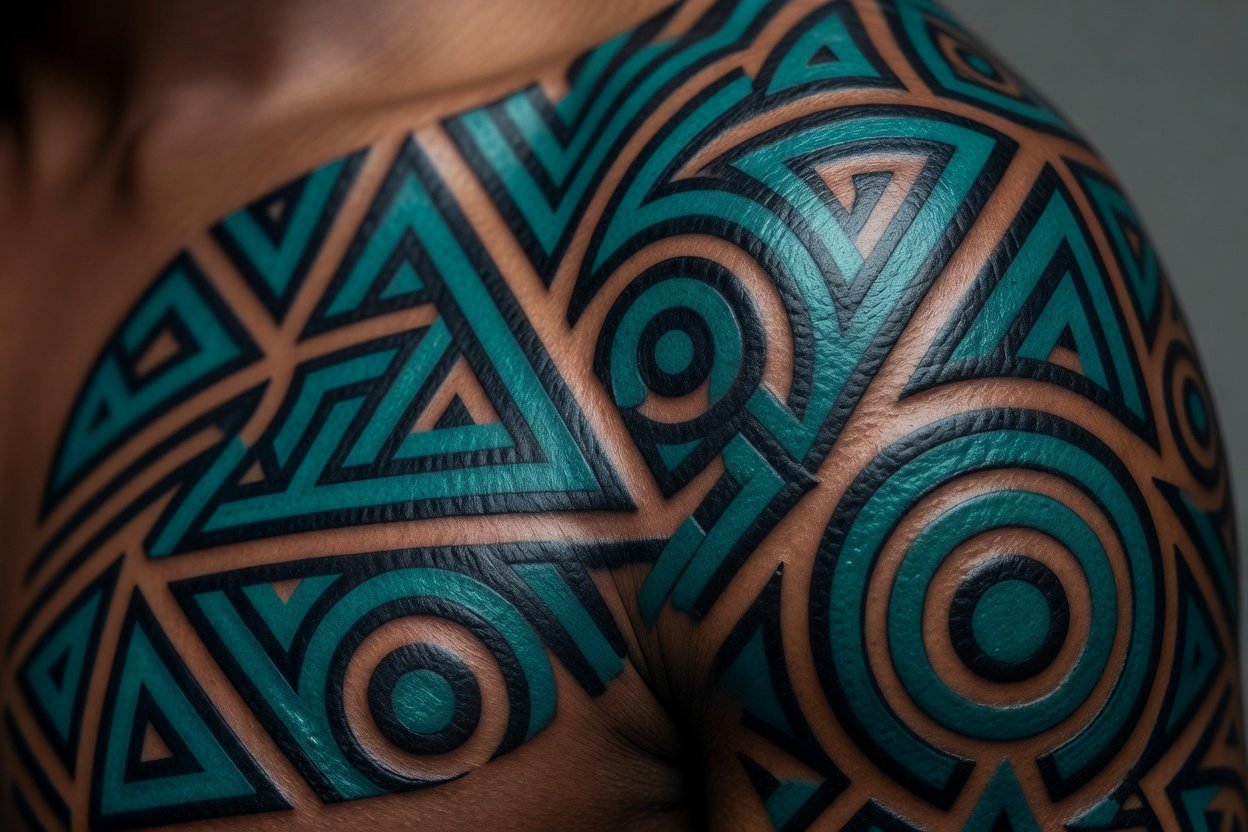
Consider the case of a client with warm, medium-dark skin who sought a contemporary geometric sleeve. Initial testing revealed that standard cyan-based blues dulled quickly, leading to a switch to deeper teal variants with added black stabilizers. After 18 months, the tattoo retained 85% vibrancy. Another example involves a cool-toned client with lighter skin opting for muted earth tones; saturation adjustments prevented the ink from appearing washed out, resulting in a harmonious, timeless piece. A third case study featured a neutral undertone client requesting a vibrant floral back piece. Here, lightfastness comparisons showed that certain purples held better when paired with a base layer of white ink for contrast. Follow-up photos at six months confirmed minimal fading, validating the customized approach. These examples demonstrate how individualized strategies outperform one-size-fits-all methods.
Consultation Checklist for Personalized Ink
- Review client medical history for skin sensitivities or allergies that could affect healing.
- Discuss lifestyle factors like sun exposure, exercise routines, and occupation that affect fading rates.
- Present 3-5 color mockups tailored to undertone using both digital and physical samples.
- Outline aftercare tailored to skin type, including product recommendations and timelines.
- Schedule follow-up assessments at 3 and 6 months to monitor color retention.
- Explain potential touch-up needs and associated timelines based on skin tone data.
- Provide educational materials on pigment interactions with melanin for informed consent.
Common Mistakes to Avoid in Color Selection
One frequent error is ignoring undertone testing altogether, which leads to colors that clash or fade unevenly. Another mistake involves choosing trendy hues without considering lightfastness, resulting in premature dulling on melanin-rich skin. Clients sometimes select overly saturated options for darker tones, causing the ink to appear patchy during healing. Avoiding these pitfalls requires collaboration with artists experienced in diverse skin types and adherence to structured testing protocols.
Maintenance for Modern Ink on Melanin-Rich Skin
Proper aftercare is crucial for longevity. Cleanse gently with fragrance-free products, apply recommended moisturizers daily, and avoid prolonged sun exposure. For melanin-rich skin, incorporate antioxidants to support skin barrier health. Regular touch-ups every 2-3 years help sustain contemporary designs. Additional steps include using broad-spectrum sunscreen daily, even on covered tattoos, and monitoring for any signs of irritation that might signal pigment issues. Centers for Disease Control and Prevention resources on skin health provide further insights into safe tattoo practices.
Before-and-After Examples
Before-and-after documentation helps illustrate success. In one instance, a vibrant rose tattoo on cool undertone skin showed significant color loss in reds after six months without proper testing; the revised version using stabilized pigments maintained integrity. Another before-and-after pair highlighted how a geometric pattern on warm skin shifted from muted to bold with adjusted saturation layers.
Frequently Asked Questions
How do undertones affect color choice?
Undertones influence pigment visibility; testing ensures colors enhance rather than clash with natural tones, preserving vibrancy over years.
What palettes work best for longevity?
Blues, greens, and blacks generally offer superior lightfastness across diverse skin types, while earth tones require careful mixing for optimal results.
Can tattoos fade differently on darker skin?
Yes, deeper melanin can accelerate certain color shifts, making pre-testing essential for predicting outcomes accurately.
How often should touch-ups occur?
Most clients benefit from evaluations every 24-36 months, depending on exposure and skin response.
Are there specific inks recommended for 2026 trends?
Contemporary palettes emphasize stable, custom-mixed colors that account for individual undertones rather than off-the-shelf options.
Conclusion
By prioritizing skin tone-specific strategies, 2026 tattoo enthusiasts achieve ink that remains contemporary and vibrant for years. Consult with experienced artists to apply these methods effectively and enjoy personalized results that stand the test of time.


No comments yet. Be the first!