 Inked Mythos

Introduction: Why Lifestyle Matching Matters for 2026 Tattoos
Choosing a tattoo in 2026 requires more than following trends—it demands careful alignment with your personal routines, career demands, and hobbies. This guide provides actionable steps to evaluate daily activities, skin exposure risks, and long-term maintenance so your ink remains contemporary and comfortable for years. Many people rush into designs inspired by social media without considering how their lifestyle will interact with the tattoo over time, leading to regret or the need for costly cover-ups. By taking a methodical approach, you can ensure your ink enhances rather than hinders your daily life.
Assessing Your Daily Activities and Lifestyle
Begin by mapping how your body moves through a typical week. Active individuals who exercise outdoors face higher sun exposure and sweat, while desk-bound professionals may prioritize discreet placements. Consider hobbies like swimming or weightlifting that stretch skin and affect healing. Document these patterns for two weeks to identify high-impact areas before consulting an artist. For example, someone who cycles daily should avoid lower calf placements prone to sock friction, while a yoga instructor might prefer shoulder designs that remain visible yet protected during sessions. Break down your routine into categories: work hours, exercise frequency, travel habits, and social activities. This inventory reveals patterns that influence placement choices and design complexity.
Skin Exposure Risks and Strategic Placement
Placement directly influences durability. Areas like forearms and calves experience frequent friction and UV rays, accelerating fading. Opt for covered zones such as upper back or ribs for longevity. Always factor in professional dress codes that may require concealment. Mayo Clinic recommends evaluating sun exposure habits as part of any skin decision. Additional risks include repetitive motion in jobs involving heavy lifting or typing, which can distort fine details over time. Test potential spots by applying temporary tattoos and wearing your usual clothing or gear to simulate real conditions.
Matching Fine-Line and Responsive Inks to Active vs Sedentary Lifestyles
Fine-line tattoos suit sedentary routines because they heal with minimal movement stress, yet they risk blurring during intense workouts. Responsive inks that shift subtly under light work well for active lifestyles, maintaining vibrancy through motion. Sedentary clients often thrive with intricate details, while athletes benefit from bolder outlines that withstand repeated stretching. Consider how sweat and friction interact with ink particles; active people may need specialized aftercare products to prevent ink migration. In contrast, those with desk jobs can explore delicate gradients without the same concerns about physical wear.
Color Theory Tips for Different Skin Tones
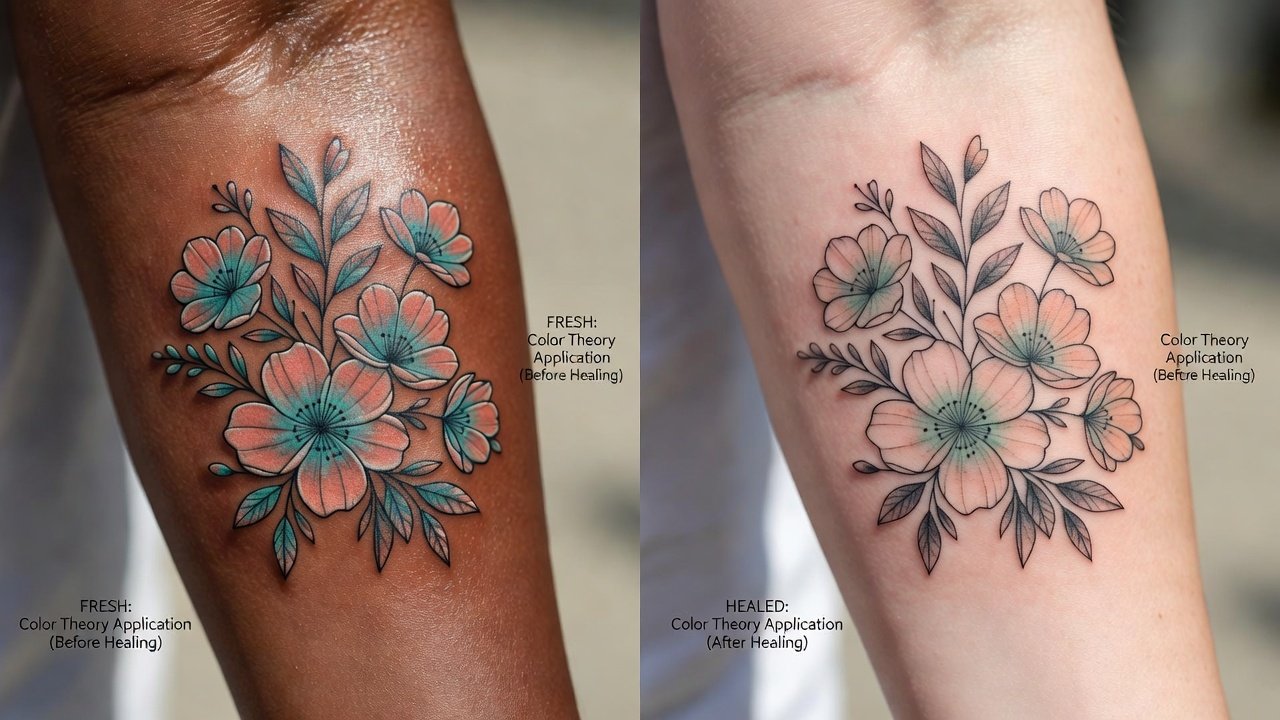
Understanding undertones ensures colors pop rather than clash. Warm undertones pair beautifully with earth tones and golds, while cool undertones favor blues and purples. Test pigments on your skin under natural light before committing. Artists now use digital simulations to preview results across diverse tones. For deeper skin tones, prioritize high-contrast pigments like deep reds or vibrant teals to avoid muddiness. Lighter complexions handle pastels well but require extra sun protection to prevent yellowing. Always request a skin tone consultation where the artist applies sample swatches and photographs them in various lighting conditions.
Real Client Examples: Before-and-After Outcomes
One runner chose a minimalist mountain range on her upper thigh after assessing daily runs; the placement avoided chafing and retained sharp lines two years later. A teacher selected a small geometric pattern on the inner arm that stays hidden during work yet complements his minimalist aesthetic. Another client, a frequent traveler who swims regularly, opted for a responsive color-shift design on the upper back that adapted beautifully to changing light and maintained saturation despite chlorine exposure. A remote worker with a sedentary routine received an elaborate fine-line botanical sleeve on the forearm, enjoying the detail visibility during video calls without professional conflicts. These cases highlight how lifestyle data drives successful, trend-aligned choices and demonstrate measurable improvements in satisfaction when planning is thorough.
Step-by-Step 2026 Tattoo Planning Checklist
- Track weekly activities and note skin stress points for at least 14 days.
- Identify career visibility requirements and hobby-related risks such as equipment contact or temperature extremes.
- Research current 2026 trends such as botanical fine lines and responsive color shifts through reputable artist portfolios.
- Consult skin tone charts with your artist and request multiple lighting tests.
- Review maintenance routines including touch-up frequency and product compatibility.
- Schedule a consultation with mock placement photos and temporary transfers.
- Finalize design only after lifestyle alignment review and a second opinion from a trusted advisor.
- Prepare a post-care schedule that accounts for your specific activity level.
Comparing Durable vs Trendy Tattoo Options
Durable choices like bold blackwork endure physical demands and sun exposure better than delicate trendy pieces. Trendy options such as micro florals require more frequent touch-ups and careful placement. Weigh the trade-off between immediate visual appeal and five-year resilience when deciding. Durable styles often incorporate thicker lines and fewer colors, reducing the chance of blurring, whereas trendy designs may use negative space and gradients that demand higher maintenance. Create a pros-and-cons list for each style you consider, factoring in your age, future career plans, and tolerance for repeat visits to the studio.
Maintenance Needs for Lasting Contemporary Ink
Regular moisturizing and SPF application preserve color. Schedule professional touch-ups every 18–24 months depending on lifestyle intensity. American Academy of Dermatology emphasizes consistent aftercare protocols to prevent premature fading. Active individuals should carry travel-sized sunscreen and use breathable clothing over new tattoos during the first month. Sedentary clients can focus on nightly routines but must still monitor for dryness caused by indoor heating. Track your tattoo’s appearance monthly with photos to catch early signs of fading or distortion.
FAQ: Common Pitfalls to Avoid
What if my job changes after getting the tattoo?
Choose placements that allow easy coverage with clothing, avoiding neck or hand areas unless your industry supports visible ink. Consider how remote work or office shifts might alter visibility needs over a decade.
How do I know if a trend will last?
Focus on personal meaning over fleeting social media popularity; classic elements blended with modern twists age more gracefully. Review historical tattoo trends from the past decade to identify which styles have endured.
Is there extra cost for lifestyle-specific planning?
Most studios include consultation time; budget for potential touch-ups based on activity level rather than upfront fees. Discuss package options that cover multiple sessions if your lifestyle suggests higher wear.
Can I combine multiple trends safely?
Yes, but limit to two or three elements and ensure they share compatible ink types and placement logic to avoid visual conflict as the tattoo ages.
Conclusion
Thoughtful 2026 tattoo planning transforms trends into personalized, enduring art. By evaluating lifestyle factors first, you create decisions that enhance daily life rather than complicate it. Start your checklist today and partner with an artist who values both aesthetics and practicality for results that stand the test of time.

No comments yet. Be the first!