 Inked Mythos

Introduction: Insider Perspectives on 2026 Tattoo Trends
The tattoo industry stands at an exciting crossroads in 2026, where personal storytelling meets cutting-edge artistry. Through in-depth interviews with leading professionals such as Elena Voss of New York and Marcus Hale of London, this article explores emerging modern ink trends, the distinction between enduring designs and fleeting social media fads, and practical advice for anyone planning their next piece. Readers seeking informed decisions will find concrete examples of color choices, placement strategies, and client experiences that highlight how contemporary tattoos can align with long-term personal growth.
Key Predictions from Top Tattoo Artists
Elena Voss, with over 15 years in the field, predicts a surge in adaptive abstract designs that incorporate elements of nature and geometry. These pieces allow for future expansions as life circumstances change. Marcus Hale emphasizes organic motifs drawn from personal heritage, noting that clients increasingly request tattoos reflecting cultural roots without appropriating them. Both artists stress the importance of collaboration, where initial sketches evolve based on skin texture and lifestyle factors. Their insights reveal a broader shift away from one-size-fits-all viral templates toward bespoke creations that feel authentic years later.
Color and Placement Choices in Real Client Examples
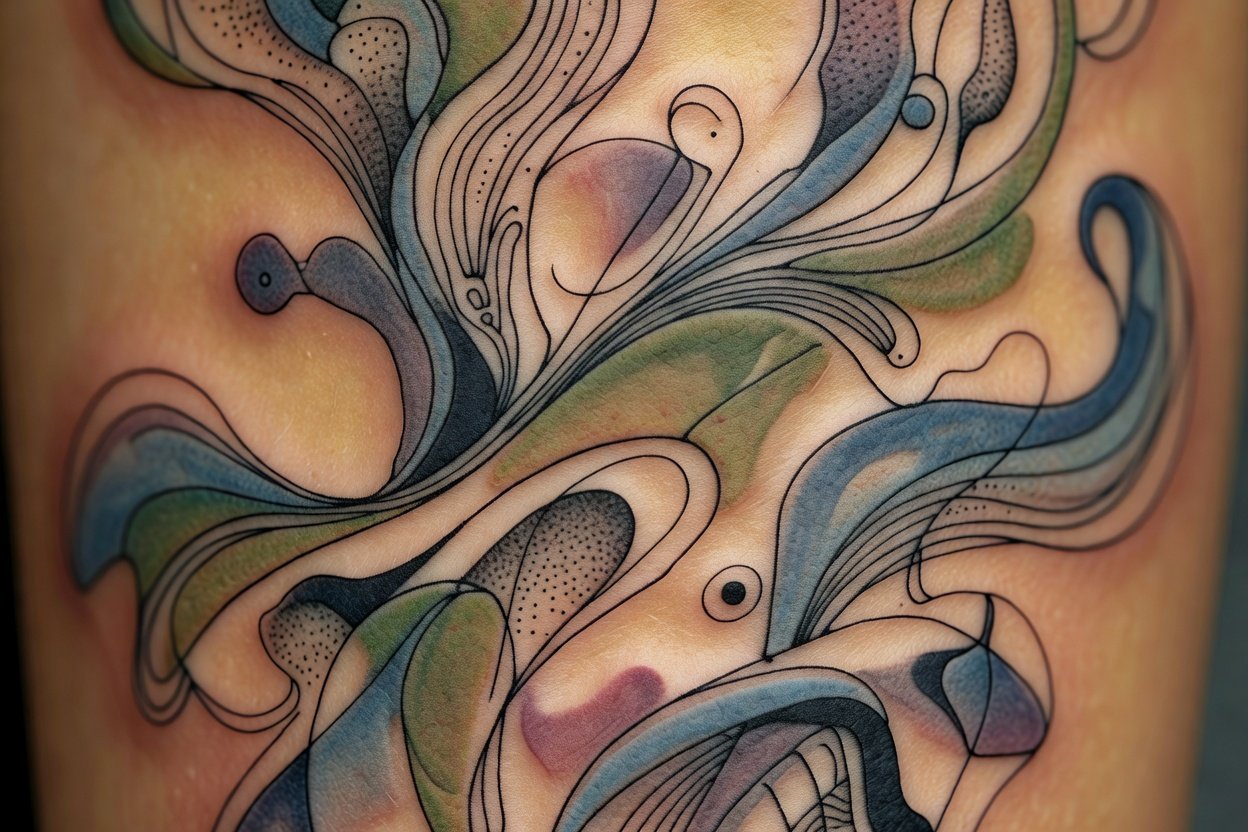
Consider the case of a 32-year-old client who chose a soft watercolor gradient in blues and greens for a forearm placement. The design wrapped subtly around the wrist for daily visibility while remaining professional in workplace settings. On medium to deeper skin tones, the artist selected pigments with higher saturation to maintain vibrancy. Another example involved a minimalist line-art constellation on the ribcage of a client with fair skin. Placement here allowed for easy concealment under clothing yet offered intimate personal meaning. These stories illustrate how placement decisions balance aesthetics, practicality, and skin tone compatibility.
Distinguishing Lasting Designs from Viral Fads
Artists identify several factors that separate enduring tattoos from short-lived trends. Lasting designs typically feature deep personal symbolism, technical adaptability for future additions, and careful consideration of how the piece will age with skin changes. Viral fads, by contrast, often rely on generic icons or phrases popularized online that quickly lose relevance. Voss shared an example of a client who initially wanted a trending celestial symbol but ultimately chose a customized star map based on their birth coordinates and a meaningful travel memory. This pivot created a piece with narrative layers that the client continues to appreciate years later. Hale adds that execution quality matters: precise line work and thoughtful color layering prevent the dated appearance common in rushed viral styles.
Navigating Social Media Influences on Modern Tattoos
Social platforms accelerate trend cycles, often promoting micro-tattoos or specific symbols that gain millions of views overnight. However, artists interviewed caution that designs driven purely by virality frequently lose appeal within months. Voss recommends clients audit their social feeds for recurring personal themes rather than copying popular images. Hale adds that algorithmic promotion favors high-contrast visuals, which can distort expectations about how a tattoo will appear in real life under different lighting. CDC resources on body art safety provide valuable context for those influenced by online communities to prioritize professional studios over trend-chasing shortcuts.
Skin Tone Considerations for Contemporary Designs
Choosing ink that complements diverse skin tones requires technical expertise. On lighter complexions, vibrant colors and delicate lines show crisp detail, but they may require touch-ups sooner. Deeper skin tones benefit from bolder blackwork, earth tones, or strategic negative space to create contrast without fading issues. Artists advise pigment testing sessions and discussing sun exposure habits, as UV rays affect longevity differently across tones. Real-world examples include clients with olive skin opting for muted terracotta palettes that age gracefully, avoiding bright neons that can appear muddy over time.
Practical Steps for Briefing Your Tattoo Artist Effectively
Preparation leads to better outcomes. Follow these steps during consultations:
- Compile a mood board of images reflecting personal stories rather than exact copies of other tattoos.
- Discuss daily lifestyle factors including exercise routines, clothing preferences, and career requirements to guide placement.
- Request multiple iterations of sketches and discuss size scaling for different body areas.
- Address aftercare protocols tailored to your skin type, including recommended products and healing timelines.
- Clarify budget ranges and timeline expectations to align artistic vision with practical constraints.
These steps help artists translate abstract ideas into lasting artwork while avoiding common miscommunications that lead to regret.
Comparing Past Fads with Emerging 2026 Trends
Geometric mandalas and minimalist arrows dominated earlier social media eras but often dated quickly as tastes shifted toward more fluid expressions. In contrast, 2026 points toward evolving designs such as modular florals or constellation maps that clients can expand over decades. Past fads prioritized symmetry and perfection, while future trends celebrate organic imperfections and personal evolution. Hale notes that clients now request pieces referencing life milestones, creating narratives that deepen with age rather than compete with new trends.
FAQ: Selecting Tattoo Styles That Align with Personal Growth
How can I ensure my tattoo reflects long-term values rather than current interests? Focus on symbols with layered personal meaning and consult artists about scalable designs that accommodate future additions.
What role does social media play in decision-making? Use platforms for inspiration only; always cross-reference with professional advice to filter fleeting fads from timeless options.
How do skin tone and placement affect style choices? Test pigment samples and consider body movement; artists can adjust line weight and color saturation accordingly.
Are there risks in following viral trends? Yes, impulsive decisions often result in cover-ups. Thorough consultations reduce this likelihood significantly.
Can tattoos adapt as I grow personally? Modular or expandable designs allow meaningful evolution without starting over.
Conclusion: Making Informed Choices for Your Next Ink
Expert perspectives from 2026 reveal a maturing industry that values authenticity over virality. By understanding color dynamics, placement strategy, skin considerations, and effective briefing techniques, individuals can commission tattoos that remain meaningful for years. Incorporate insights from trusted sources such as FDA guidelines on tattoo inks and WHO health recommendations when planning. Ultimately, the most satisfying modern ink emerges from thoughtful collaboration between client and artist, resulting in designs that tell your unique story with depth and durability.


No comments yet. Be the first!