 Inked Mythos
Introduction to Advanced Tattoo Blending in 2026
Experienced tattoo collectors in 2026 are moving beyond simple designs toward sophisticated fusions that honor timeless motifs while embracing innovative styles. This advanced blending creates depth, narrative richness, and visual impact that stands apart from fleeting trends. By combining the bold symbolism of traditional tattooing with the precision and abstraction of modern techniques, artists and clients alike produce pieces that feel both rooted in history and forward-thinking. The process demands careful planning, technical skill, and an appreciation for how different elements interact on skin over time. This article provides in-depth guidance on achieving standout results through proven methods.
Understanding Traditional and Modern Tattoo Elements
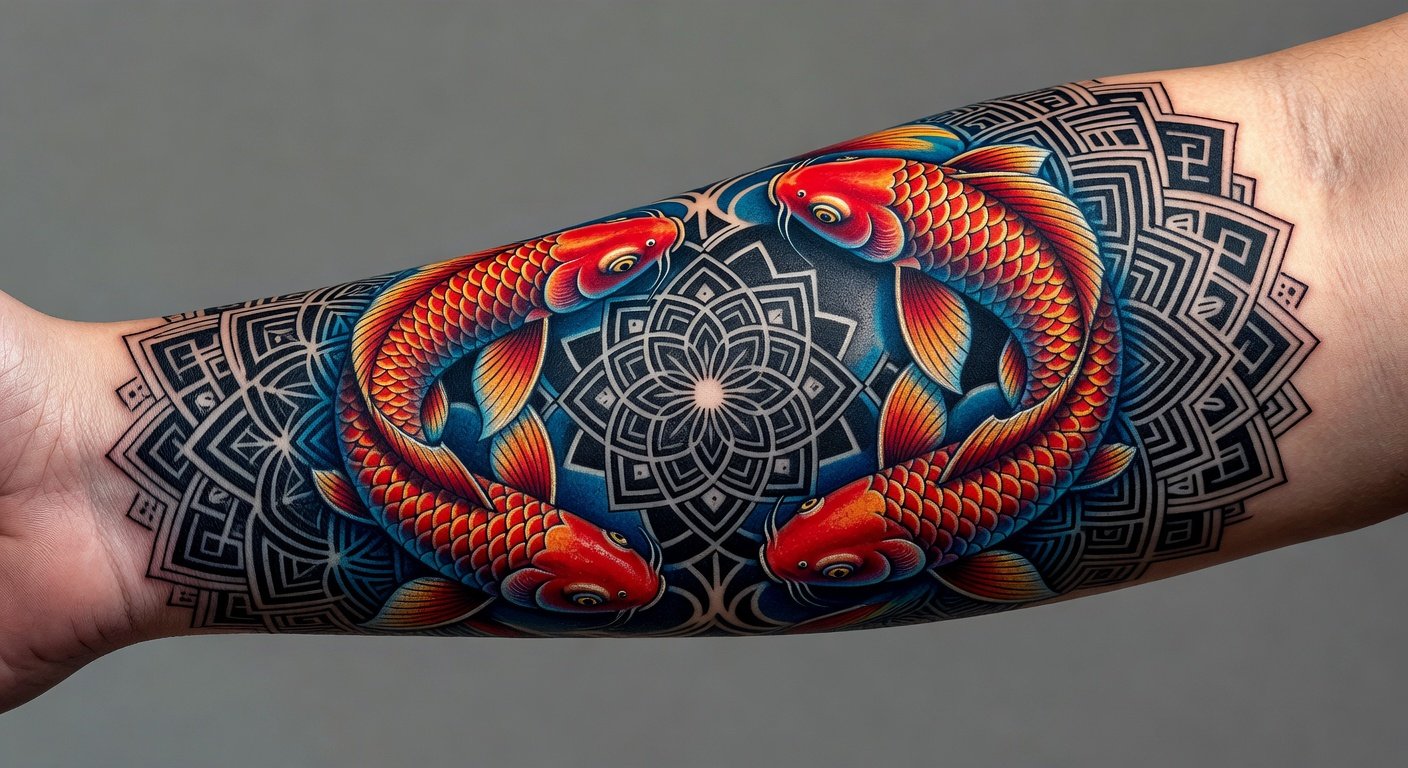
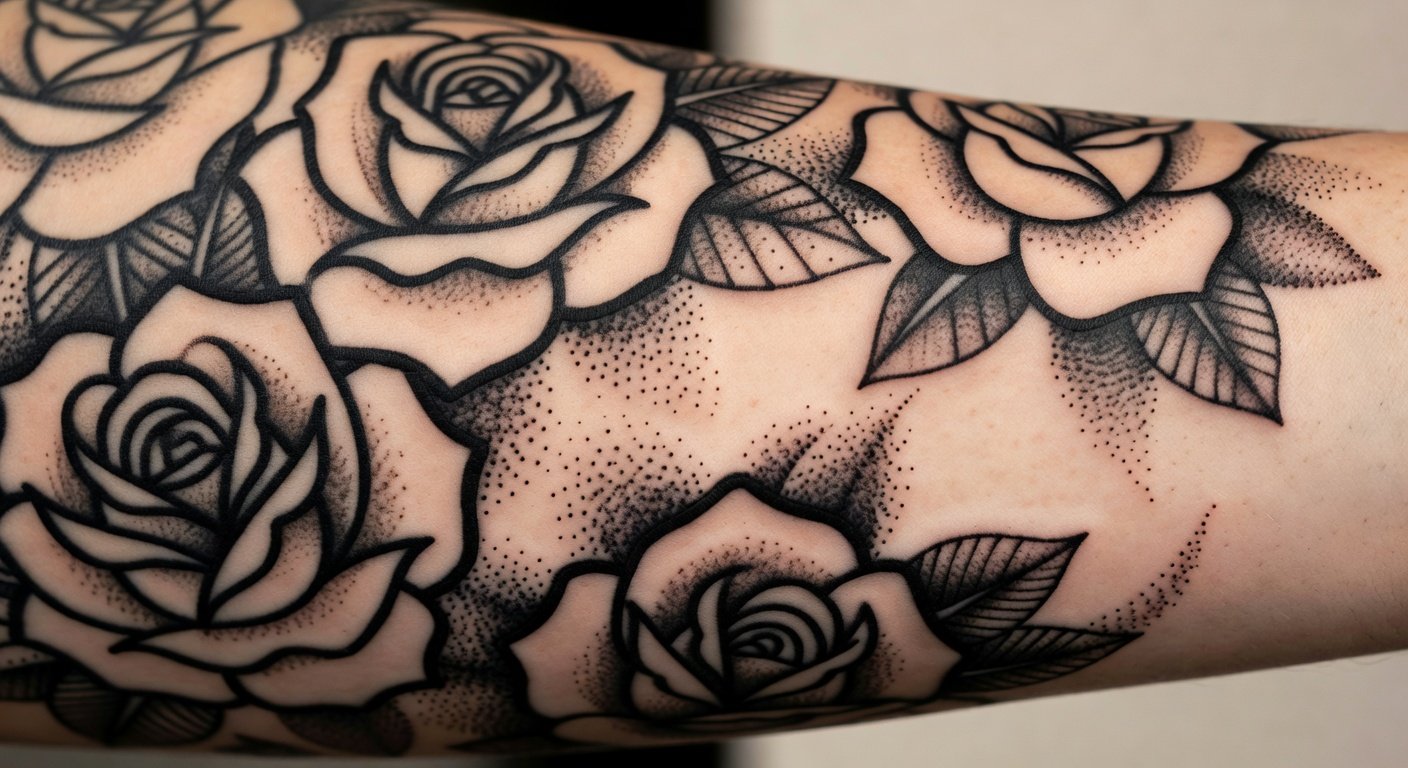
Traditional tattoos often feature strong outlines, limited color palettes like reds, blacks, and yellows, and iconic imagery such as anchors, roses, eagles, or Japanese koi fish. These designs carry deep cultural meanings and emphasize durability through thick lines that hold up well over decades. In contrast, modern styles incorporate fine lines, dotwork, geometric patterns, watercolor effects, realism, and abstract compositions that allow for greater personalization and subtlety. Blending these requires identifying complementary motifs—for instance, pairing a traditional skull with contemporary biomechanical accents—to create harmony rather than visual conflict. Collectors benefit from studying historical references alongside current portfolios to envision cohesive outcomes.
Color Layering Methods for Lasting Impact
Color layering builds dimension by applying traditional bold hues beneath contemporary gradients and highlights. Begin with saturated traditional pigments such as deep reds, navy blues, and solid blacks to establish structure. Then overlay translucent modern tones like soft pastels, metallic sheens, or airbrushed fades that add complexity without overwhelming the base. This technique prevents muddiness and ensures vibrancy over decades by creating optical depth. Artists frequently employ multiple sessions spaced weeks apart to allow layers to settle and heal properly. For example, a traditional rose can receive a base coat of crimson, followed by layered teal and gold accents in subsequent visits to evoke a modern ethereal glow. Collectors report that properly layered blends maintain contrast even after years of sun exposure and skin aging, provided high-quality inks are used throughout.
Utilizing Negative Space Creatively
Negative space serves as an essential bridge between dense traditional elements and airy modern designs. By strategically leaving areas of bare skin within traditional outlines, artists introduce contemporary minimalism, geometric patterns, or even optical illusions that emerge from different viewing angles. This method enhances movement, prevents overcrowding, and allows the skin itself to become part of the artwork. For instance, a traditional anchor motif can incorporate negative space to reveal hidden constellations rendered in fine-line dotwork, producing a piece that feels anchored in maritime history yet cosmically modern. Planning negative space involves mapping the design on paper or digitally first, considering how body contours will interact with the empty regions during movement.
Strategies for Effective Artist Collaboration
Successful fusions demand close collaboration between specialists in different styles. Pair a traditional artist skilled in bold lines and symbolic work with a modern expert in realism, abstract, or illustrative techniques. Begin with joint consultations where both review reference images, discuss symbolic intent, and sketch hybrid concepts together. Clear communication about scale, placement, color harmony, and aftercare expectations prevents mismatched styles or technical errors. Many collectors schedule preliminary sessions with each artist separately before the combined execution to build rapport and refine ideas. Challenges such as differing artistic visions can be mitigated through shared mood boards and iterative feedback loops.
Step-by-Step Session Planning Guide
- Research motifs thoroughly by gathering references from both traditional and modern eras, noting cultural significance and visual compatibility.
- Consult multiple artists for portfolio reviews, style compatibility discussions, and initial concept sketches.
- Finalize placement by considering body movement, future expansions, and how negative space will interact with natural skin folds.
- Schedule sessions with adequate healing intervals of four to six weeks between appointments to allow layers to set.
- Document progress with high-resolution photos at each stage for precise adjustments and to track color evolution.
- Prepare the skin and lifestyle adjustments, such as avoiding sun exposure and certain medications prior to sessions.
Real Client Case Studies: Before and After
One collector transformed a faded traditional dragon tattoo into a modern masterpiece by integrating biomechanical elements around its scales and claws. The before version appeared flat and dated, while the after result added futuristic depth through geometric overlays and subtle shading that made the creature appear three-dimensional. Another client merged old-school nautical stars with contemporary watercolor washes across the shoulder and upper arm. Before-and-after images reveal how negative space now creates the illusion of depth, turning a previously flat design into a dynamic sleeve that shifts with movement. A third case involved blending a traditional Japanese wave pattern with modern mandala dotwork on the calf. The fusion preserved cultural roots while introducing intricate patterns that only become visible up close, resulting in a piece praised for its versatility in both casual and formal settings.
Comparing Durable Versus Fading Blends
Durable blends rely on high-quality inks, proper layering sequences, and strategic use of traditional black outlines to frame modern color fields, resisting fading even after prolonged sun exposure. Fading blends often result from poor ink choices, inadequate layering, or excessive sunlight, causing delicate modern gradients to lose vibrancy faster than bold classics. Factors such as skin type, placement on the body, and lifestyle habits like swimming or tanning further influence longevity. Collectors should prioritize artists who use premium pigments tested for endurance and plan for periodic touch-ups every three to five years to restore balance between the styles without altering the original vision.
Common Mistakes to Avoid in Fusion Tattoos
One frequent error is overcrowding the design with too many competing elements, which reduces visual clarity. Another involves mismatched line weights between traditional bold strokes and modern fine details, leading to an unbalanced appearance. Collectors sometimes neglect to account for skin stretching or aging, resulting in distorted negative space over time. Avoiding these pitfalls requires thorough pre-design consultations and realistic expectations about how the piece will evolve.
Aftercare FAQ for Mixed-Style Tattoos
- How long should I keep the tattoo covered after each session? Follow your artist’s specific instructions, typically 24 to 48 hours with a sterile wrap, then transition to breathable, non-stick dressings changed daily.
- What moisturizer works best for layered ink blends? Fragrance-free, tattoo-specific balms or ointments applied gently twice daily help preserve both bold traditional areas and delicate modern gradients during healing.
- Can sun exposure affect blended colors differently? Yes, modern gradients and lighter shades fade more quickly than saturated traditional hues; always apply broad-spectrum SPF 50+ sunscreen once fully healed.
- When can I schedule a touch-up session? Wait at least six months for complete settling and color stabilization before evaluating and planning any refinements.
- How should I handle itching during the healing process? Resist scratching; instead, use cool compresses or recommended soothing products to manage irritation without damaging layers.
- Are there lifestyle adjustments needed for mixed-style pieces? Avoid heavy exercise, swimming, and tight clothing over the area for the first few weeks to prevent ink displacement or infection.
According to guidance from the Mayo Clinic, proper aftercare significantly reduces infection risks for complex multi-style pieces. The American Academy of Dermatology also emphasizes consistent moisturizing and sun protection for optimal pigment longevity across varied tattoo techniques.
Conclusion
Advanced blending in 2026 empowers collectors to create tattoos that are both deeply personal and artistically progressive. By mastering color layering, negative space utilization, and thoughtful artist collaboration, enthusiasts achieve enduring designs that evolve beautifully with time. Thorough session planning, awareness of durability factors, and dedicated aftercare ensure these fusions remain striking and meaningful for years to come. Whether drawing from centuries-old symbols or cutting-edge aesthetics, the result is a unique expression of individual story and style.
No comments yet. Be the first!