 Inked Mythos
Introduction: The Evolving Landscape of Ink Culture in 2026
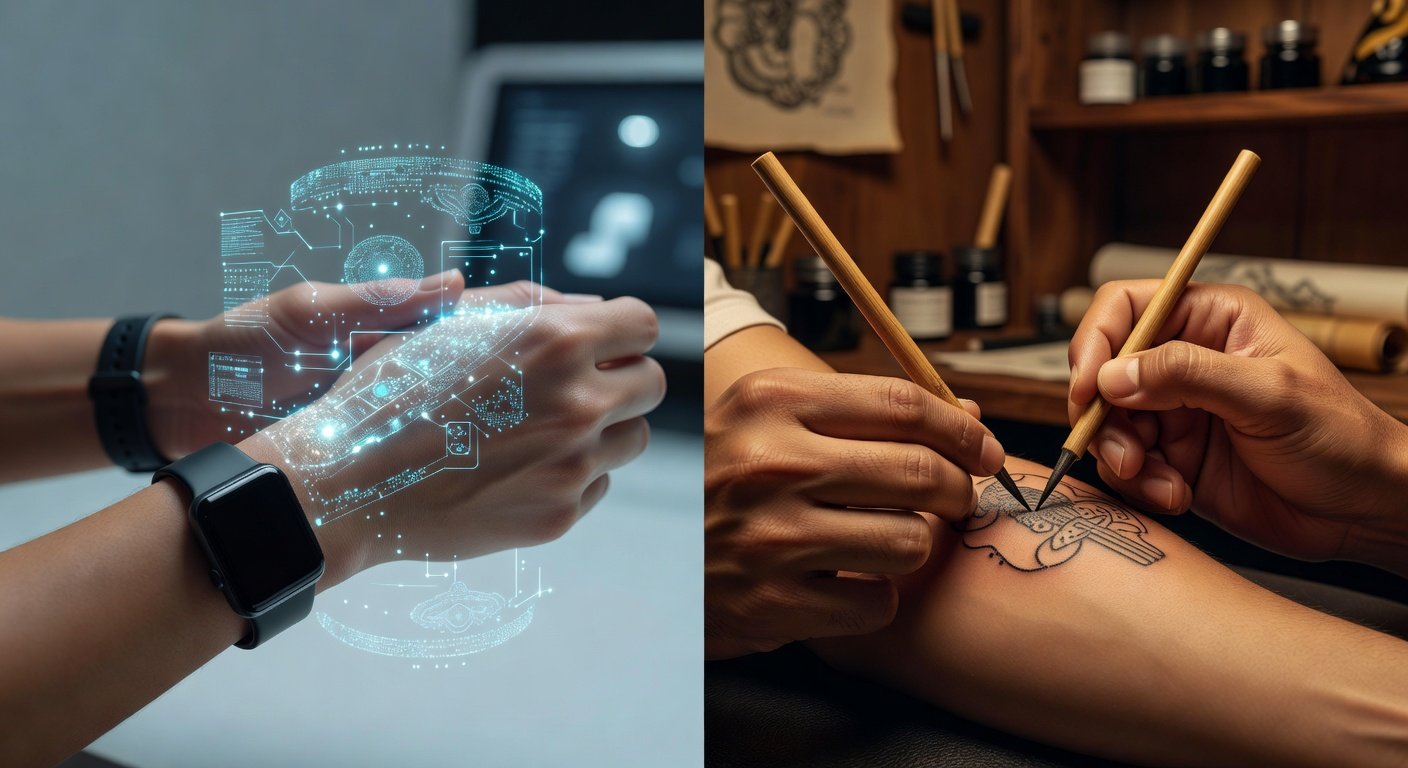
The tattoo world is undergoing a profound transformation in 2026. Digital technologies such as augmented reality previews and AI-generated designs are intersecting with centuries-old hand-poked traditions, creating new conversations within the body art community. This comparison examines how these approaches coexist, compete, and complement each other, helping enthusiasts make informed choices that align with their values, lifestyle, and artistic vision.
Traditional tattoos rely on manual techniques passed down through generations, emphasizing cultural rituals and personal connection. Digital methods leverage software for precision and visualization. Both carry unique strengths that reflect broader shifts in how people approach permanent body art today. As tattoo conventions and online communities grow, the dialogue between these worlds enriches the entire ink culture, offering more options than ever before while preserving the core essence of self-expression through body modification.
Understanding Traditional Tattoo Practices
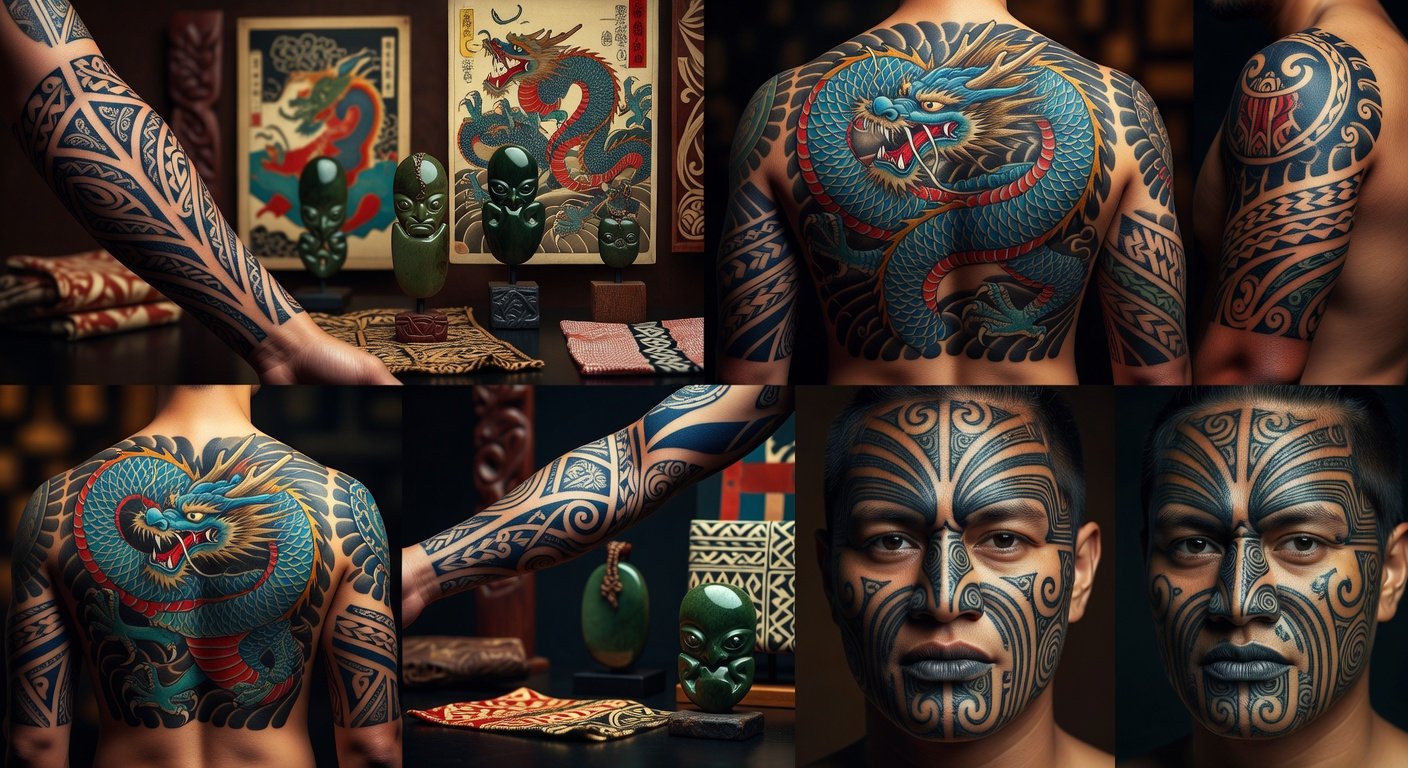
Hand-poked and machine-based traditional tattoos remain deeply rooted in cultural significance. Artists often draw from indigenous techniques, such as those seen in Polynesian or Japanese tattooing, where the process itself holds spiritual weight. These methods foster a direct artist-client bond during long sessions that can span multiple hours or days. The deliberate pace allows for storytelling, where each mark carries ancestral meaning or personal milestones.
Key advantages include the tactile authenticity and the way ink settles naturally into skin over time, creating organic textures that evolve beautifully with age. Community reactions at 2026 tattoo events, including major conventions in cities like London and Tokyo, show strong appreciation for the storytelling aspect of traditional work. Many participants highlight how the slower process encourages mindfulness and deeper reflection on the design's permanence.
The Rise of Digital Tattoo Technologies
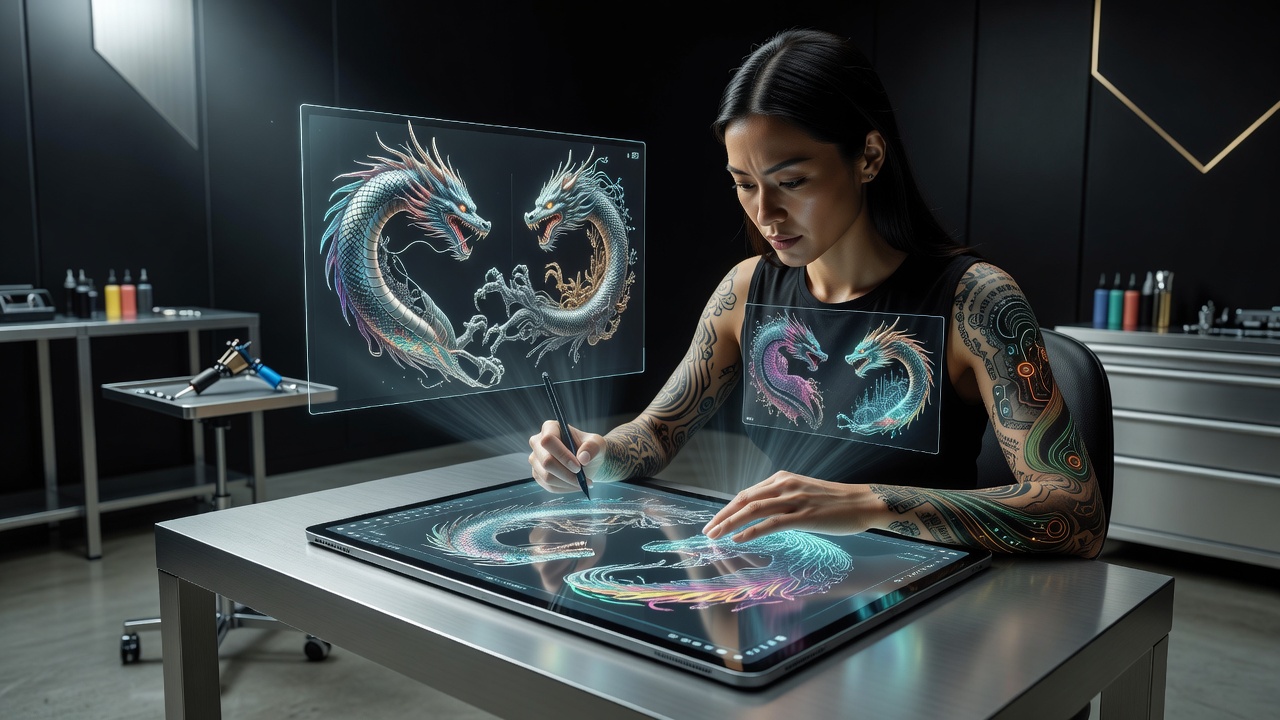
Digital tools are reshaping artist workflows and client expectations. AR apps allow users to project designs onto their bodies in real time, adjusting size, color, and placement before committing. AI platforms generate custom artwork based on prompts about style, symbolism, and placement, often producing dozens of variations in minutes. These innovations reduce uncertainty before the needle touches skin and open doors for individuals who might otherwise hesitate due to visualization challenges.
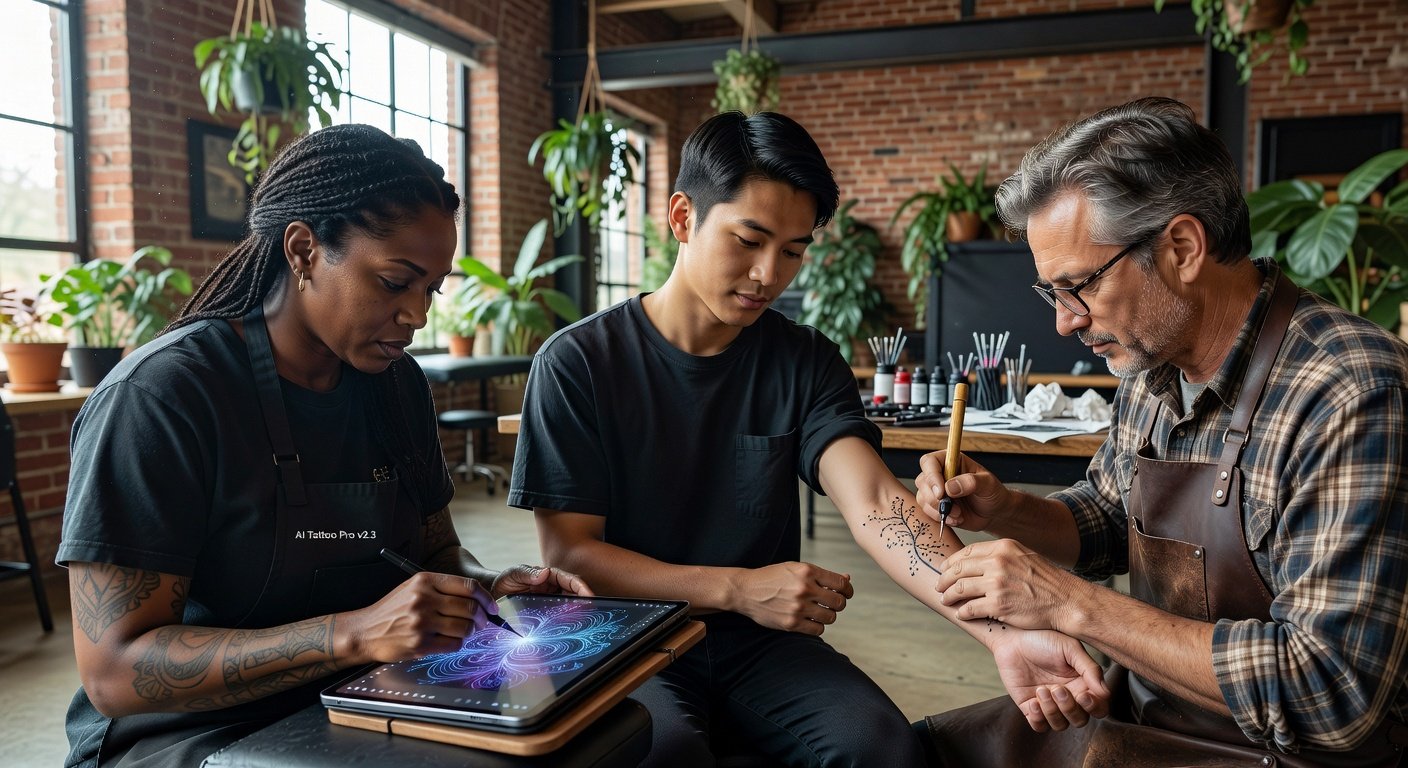
At recent 2026 events, demonstrations of AI-assisted stencils highlighted faster iteration and fewer revisions during consultations. Artists report that clients feel more empowered when they can see realistic simulations under different lighting conditions or body movements. This technological layer complements rather than replaces human skill, allowing traditional artists to incorporate digital drafts into their hand-finished pieces for hybrid results that blend precision with soul.
CDC guidelines on safe tattoo practices continue to apply equally to both digital and traditional approaches, stressing hygiene regardless of technique. Similarly, World Health Organization resources underscore the importance of sterile environments in all body art procedures.
Healing Times and Aftercare Comparisons
Healing varies based on technique rather than technology alone. Traditional hand-poked tattoos often heal in 2–4 weeks because they involve less trauma to the skin layers, allowing for a gentler recovery process that suits sensitive skin types. Machine work, whether digital or traditional, may extend to 4–6 weeks due to deeper saturation and multiple passes required for bold coverage.
Digital designs frequently use precise line work that can promote quicker recovery when combined with modern aftercare products such as specialized balms and breathable wraps. Enthusiasts report fewer touch-ups needed with AI-optimized placements that account for skin movement and natural contours. Practical aftercare remains consistent across methods: keep the area clean, avoid sun exposure, and follow artist-specific instructions for optimal results.
Cost Factors in 2026
While exact pricing fluctuates by location and artist experience, digital consultations often command premium rates for the added technology and time saved in revisions. Traditional sessions may involve longer studio time but can feel more accessible in artist collectives where community support offsets individual costs. The choice often comes down to the value placed on process versus outcome, with many collectors budgeting for multiple sessions regardless of method.
Artist Case Studies from 2026 Events
At the Ink Evolution Expo in Berlin, artist Lena Voss demonstrated an AR preview system that allowed clients to adjust designs on the spot. Her hybrid approach blends AI concepts with hand-finishing for texture that feels both modern and timeless. Clients praised the reduced anxiety around final appearance, especially for large-scale pieces spanning the back or limbs.
Meanwhile, traditional specialist Marco Rivera continues to host hand-poke workshops emphasizing cultural storytelling. Attendees noted how both methods attracted different demographics yet shared respect for longevity and personalization. Another example comes from Tokyo's 2026 Tattoo Summit, where artist Yuki Tanaka integrated AI-generated motifs inspired by ukiyo-e prints into her traditional tebori technique, resulting in pieces that honor heritage while embracing contemporary tools. These case studies illustrate how individual artists are navigating the shift without abandoning their roots.
Mayo Clinic health information on skin procedures provides additional context for understanding how different techniques interact with human biology over time.
Community Reactions and Cultural Significance
Online forums and event panels reveal divided yet respectful opinions. Younger collectors often embrace digital customization for its flexibility and ability to experiment with complex patterns quickly. Elders stress the irreplaceable human element in traditional tattooing, where the physical act of creation builds intergenerational knowledge. Cultural significance persists across both: a digital design can still honor heritage if the motifs are researched respectfully and executed with cultural sensitivity.
The key lies in artist intent and client understanding of symbolism. Many communities now host joint events where digital and traditional artists collaborate, fostering education around appropriation risks and authentic representation.
Practical Steps for Choosing Your Approach
- Research artists who specialize in your preferred style, whether digital or traditional, by reviewing portfolios and healed work photos.
- Use AR tools during consultations to visualize scale and placement from multiple angles and in different outfits.
- Discuss healing expectations and aftercare protocols upfront, including any allergies to common products.
- Attend local 2026 tattoo events to observe live demonstrations and speak directly with practitioners.
- Consider longevity by asking about ink quality, skin compatibility tests, and how designs age on various body areas.
- Review artist hygiene certifications and studio sanitation standards before booking.
- Experiment with temporary versions of digital designs to test emotional resonance over several weeks.
- Budget for potential touch-ups and factor in lifestyle elements like sun exposure or physical activity that affect healing.
Common Mistakes to Avoid
- Rushing decisions based solely on digital mockups without seeing healed examples from the same artist.
- Ignoring cultural origins when selecting designs from AI generators, which can lead to unintended misappropriation.
- Skipping patch tests for sensitivities that affect both methods equally and may cause complications during recovery.
- Choosing an artist based only on speed or price rather than alignment with personal artistic goals.
Future Outlook for Ink Culture
Looking ahead, the integration of digital and traditional methods is likely to deepen. Emerging tools may soon include real-time biometric feedback during sessions or AI that predicts long-term ink behavior based on individual skin data. This evolution promises greater accessibility while challenging artists to maintain the emotional and cultural depth that has always defined tattooing.
FAQ: Longevity, Customization, and More
How long do digital versus traditional tattoos last?
Both can last decades with proper care. Digital precision may reduce fading in fine lines, while traditional saturation often ages gracefully into softer tones that many find appealing as they mature.
Can I customize a design across both methods?
Yes. Many artists now combine AI drafts with hand-poked details for unique results tailored to personal stories and evolving preferences.
Are there differences in pain levels?
Traditional hand-poking tends to feel more consistent but slower, while machine work (digital or otherwise) can vary by speed and needle configuration, sometimes creating sharper sensations in sensitive areas.
What about regret and cover-ups?
AR previews help minimize regret by improving placement decisions. Both styles allow cover-ups, though traditional ink density sometimes requires more sessions for successful concealment.
How do environmental factors influence each approach?
Digital designs can be optimized for specific climates or activity levels, while traditional techniques may incorporate natural pigments that interact differently with varying humidity and sun exposure over time.
Conclusion: Finding Your Place in 2026 Ink Culture
The shift toward digital tools does not erase traditional practices but expands possibilities for self-expression. Whether you prioritize ritual connection or technological precision, understanding the nuances empowers better decisions. The most meaningful tattoos emerge when technology and tradition meet with respect for the skin and the story it carries, ensuring that 2026 marks a chapter of inclusive growth in the global ink community.
No comments yet. Be the first!