 Inked Mythos
AI-Powered Tattoo Designs: Revolutionizing Ink Culture
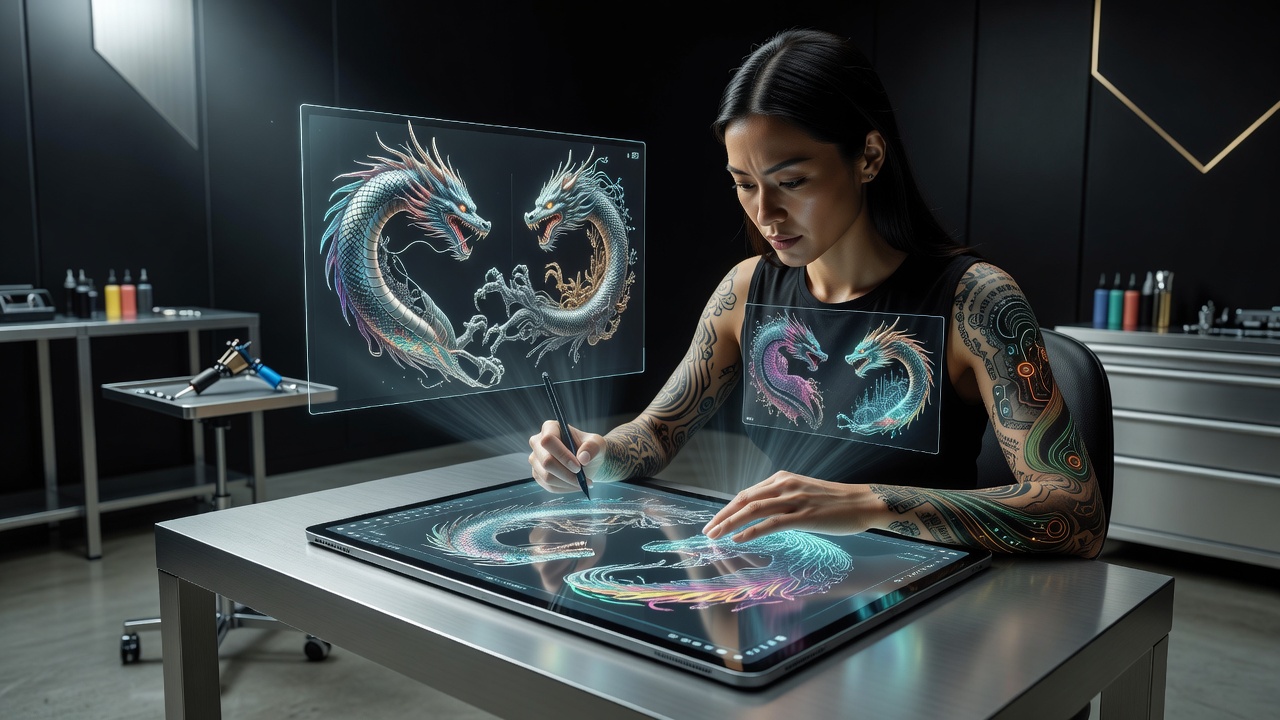
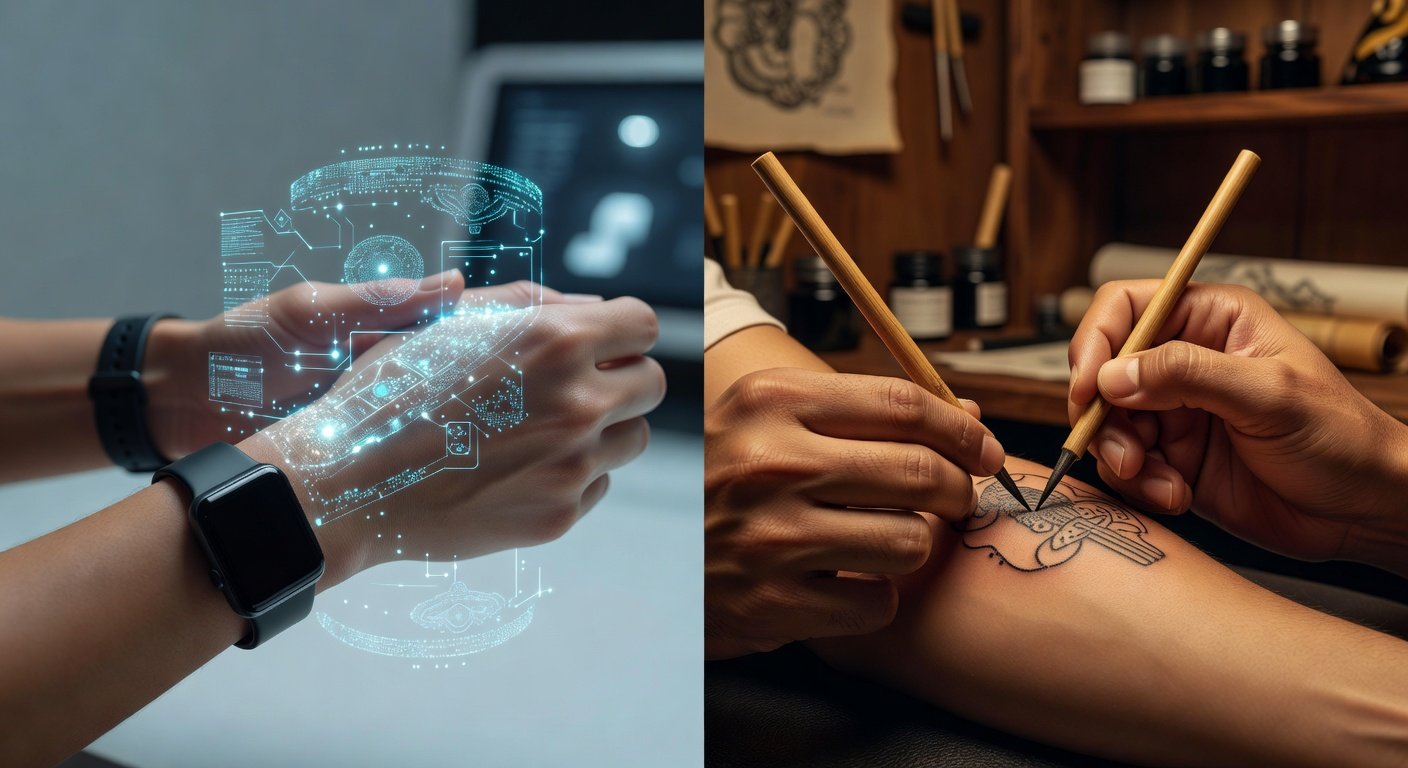
Artificial intelligence is rapidly transforming the world of tattoos, offering new ways for artists and enthusiasts to create personalized body art that feels both innovative and deeply meaningful. From generating intricate patterns inspired by global cultures to refining custom ideas based on individual stories, AI integrates seamlessly with traditional techniques. This evolution fosters greater innovation within ink culture while sparking important discussions around ethics, accessibility, and the enduring value of human creativity. As the body art community embraces these tools, tattoo events worldwide are becoming showcases for hybrid designs that blend machine precision with artistic intuition.
How AI Tools Are Changing Tattoo Design Generation
AI platforms now empower users to input descriptions, reference images, or cultural motifs and receive tailored tattoo concepts in moments. These systems analyze vast datasets encompassing artistic styles, anatomical proportions, color theory, and emerging trends to deliver options that resonate on a personal level. For instance, an artist might prompt an AI for a fusion of Japanese irezumi elements with modern geometric abstraction, resulting in layered proposals that account for skin movement and healing processes. Artists frequently note that AI accelerates the initial ideation phase dramatically, allowing more time for client consultations and the meticulous execution that defines high-quality work.
Integration with traditional artistry stays at the forefront of this shift. Professionals often treat AI outputs as sophisticated sketches rather than final products, layering hand-drawn details, adjusting for unique body contours, or incorporating symbolic elements only a skilled human can intuit. This hybrid method preserves the emotional depth and craftsmanship of handcrafted tattoos while leveraging technology for efficiency and exploration. In practice, many studios now maintain AI-assisted workflows alongside classic tools like stencils and freehand techniques, creating a balanced ecosystem that appeals to both tech-savvy clients and purists.
Step-by-Step Workflow for Using AI Tattoo Apps
Developing an AI-assisted tattoo follows a structured yet flexible process that supports creativity at every stage. Begin by choosing a platform recognized for producing high-resolution, customizable outputs and strong privacy controls. Next, upload reference images or craft detailed textual prompts describing desired themes, such as nature motifs intertwined with personal milestones. Adjust variables including style preferences like realism or minimalism, color schemes, scale, and body placement zones. Generate multiple iterations, then evaluate them against practical factors like visibility and long-term aesthetic appeal. Export the strongest candidate and bring it to a professional consultation, where the artist refines proportions, adds custom shading, and ensures the design aligns with skin type and lifestyle needs.
Additional practical advice includes iterating prompts gradually from broad concepts to specific details, cross-referencing outputs with cultural experts when drawing from heritage symbols, and testing digital mockups on photos of your own skin. This methodical workflow helps clients arrive prepared, reducing revisions and enhancing satisfaction with the final result.
Ethical Considerations in AI-Generated Tattoos
Despite its promise, AI introduces critical ethical questions around originality, consent, cultural respect, and data security. Practitioners must verify that generated motifs honor their sources and avoid unauthorized use of protected traditional designs. UNESCO principles on safeguarding cultural heritage provide valuable guidance here, urging respect for indigenous and regional art forms increasingly relevant to tattoo communities. Data privacy also demands attention, as uploading personal photographs or biometric details to AI platforms requires choosing services with clear, protective policies.
Intellectual property further complicates matters, since AI creations may synthesize existing artworks in subtle ways. Ethical tattooing encourages full transparency about the role of AI so clients can make informed decisions. Health considerations also arise; World Health Organization resources on safe body art practices remind artists to prioritize sterile application techniques regardless of how a design originates. By addressing these issues proactively, the community can adopt AI responsibly without compromising values.
AI vs Human Creativity: A Thoughtful Comparison
AI demonstrates clear strengths in rapid iteration, flawless symmetry, and exploring vast combinatorial possibilities that would take humans far longer to conceive. Human artists contribute irreplaceable qualities such as emotional intelligence, adaptive problem-solving during live sessions, and the ability to translate intangible personal narratives into visual form. A side-by-side evaluation often reveals AI excelling at technical complexity while humans provide narrative richness and spontaneous adjustments based on real-time feedback.
- Speed and volume: AI generates dozens of variations instantly; humans focus on refinement.
- Originality: AI recombines patterns effectively, but humans introduce novel cultural or autobiographical twists.
- Execution safety: Human oversight ensures designs suit individual anatomy and aftercare needs.
- Emotional connection: Live collaboration builds trust that pure AI outputs cannot replicate.
The strongest outcomes emerge from partnership, where AI handles exploration and humans deliver the final artistic vision and technical precision.
Real-World Case Studies from 2026 Tattoo Events
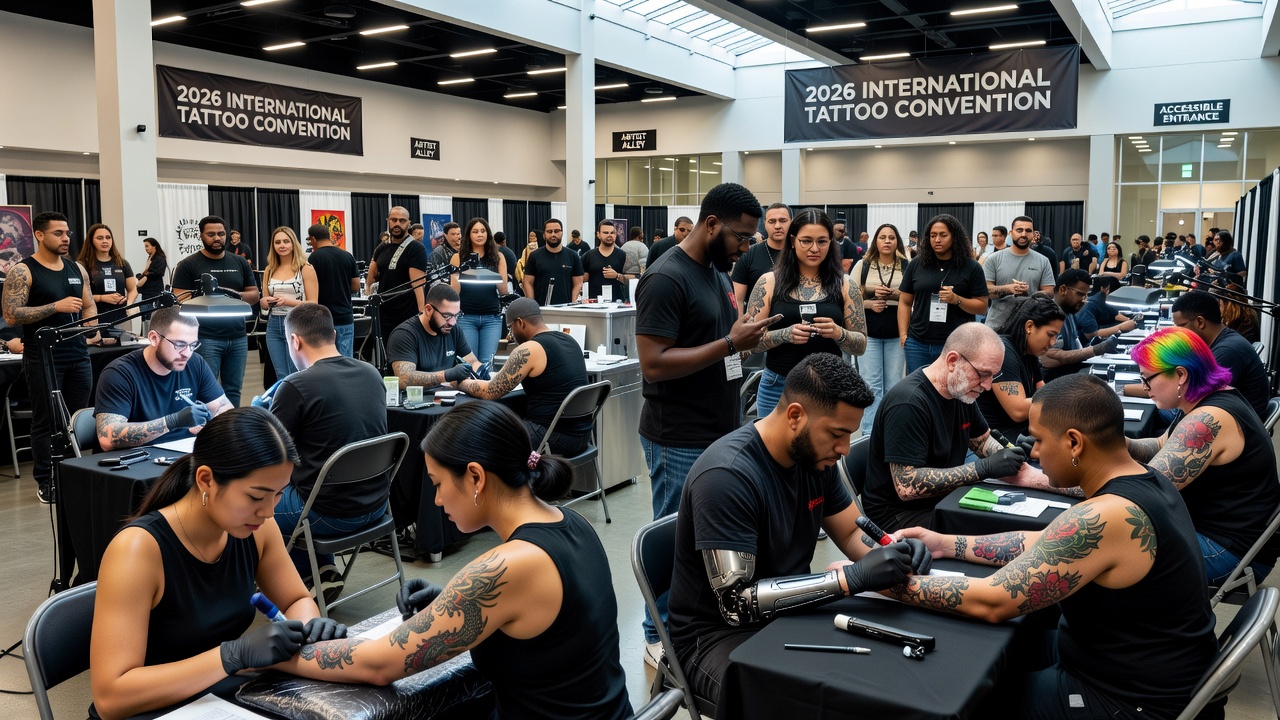
Throughout 2026, prominent gatherings such as the International Tattoo Festival in Berlin and the NYC Ink Expo highlighted AI's growing influence through live demonstrations and collaborative installations. One notable example featured a European studio collective that used generative AI to develop modular sleeve components, enabling clients to preview and combine elements on digital overlays before committing to ink. Attendees praised the speed of customization and the resulting sense of ownership. Another session at the NYC event explored AI-assisted cultural fusion designs, where artists demonstrated rapid prototyping of motifs drawn from diverse traditions while incorporating community feedback for accuracy and respect. 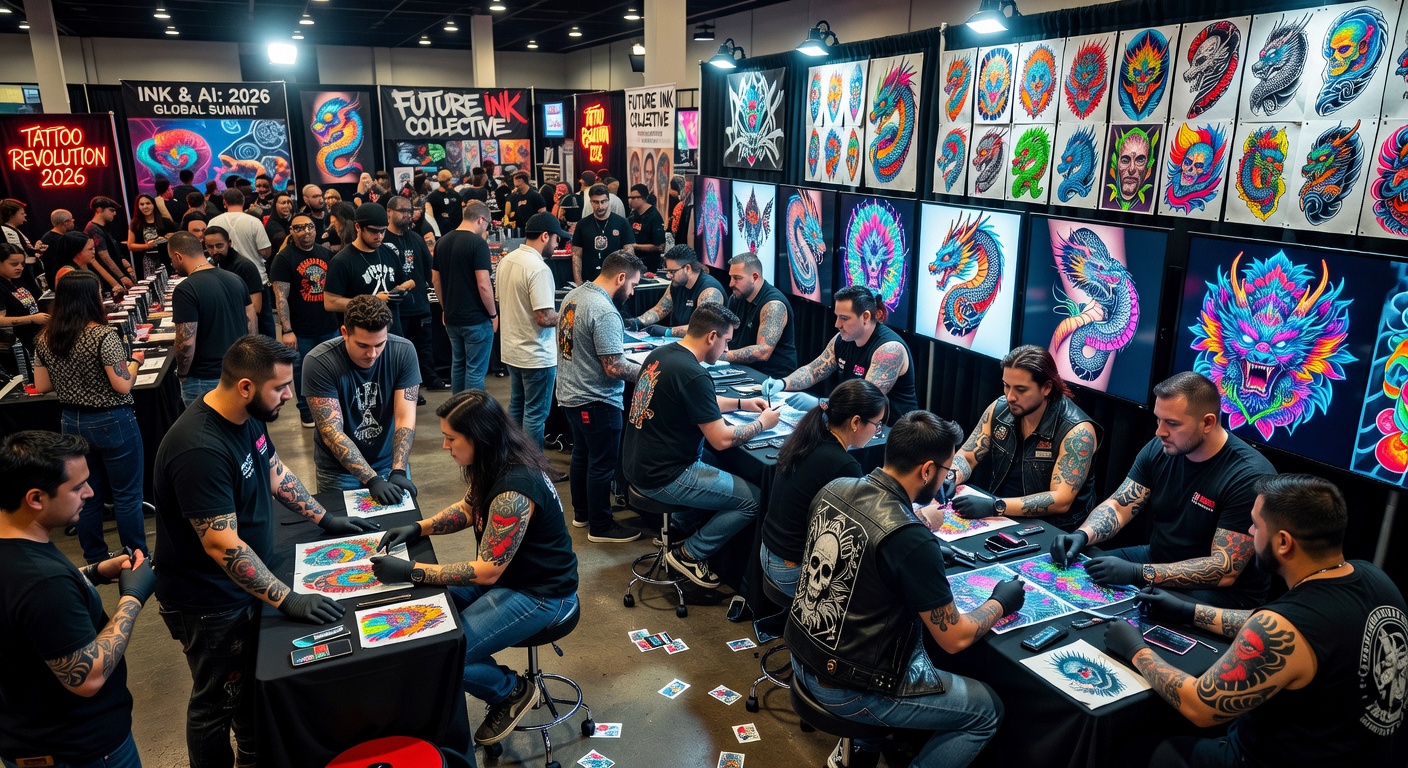
Benefits for Community Collaboration and Personalization
AI expands accessibility by enabling remote ideation and idea-sharing across global networks, allowing individuals in underserved areas to engage meaningfully with tattoo culture. Online communities have begun curating shared prompt libraries and critique forums, transforming what was once a solitary decision into a vibrant collaborative process. Personalization benefits include precise tailoring to body metrics, lifestyle factors, and even projected healing outcomes, resulting in designs that feel uniquely yours. Studios report stronger client relationships when AI serves as a conversational starting point rather than a replacement for dialogue. Overall, these tools strengthen ink culture by democratizing creativity while reinforcing the importance of skilled human application.
Frequently Asked Questions
Is AI tattoo design accessible to beginners?
Absolutely. Leading platforms include user-friendly interfaces with step-by-step guidance and example prompts, making them suitable for newcomers. Professional artists still handle the critical inking phase to guarantee safety and optimal results.
How personalized can AI-generated tattoos become?
Highly personalized. Users can embed specific symbols tied to life events, family heritage, abstract emotions, or even preferred color psychology. Advanced features allow adjustments for line thickness, shading gradients, and placement that match individual anatomy and preferences exactly.
Will AI replace traditional tattoo artists?
No credible evidence suggests replacement. Instead, AI functions as an efficient creative assistant that streamlines early stages, leaving artists to focus on interpretive skill, safety protocols, and the irreplaceable human touch required for meaningful tattoos.
What should clients consider before using AI for cultural designs?
Research thoroughly, consult cultural advisors, and maintain transparency with your artist. This ensures respect for origins while benefiting from AI's exploratory power.
Conclusion
AI-powered tattoo designs mark an exciting chapter in the ongoing story of ink culture, where technology amplifies rather than diminishes artistic expression. Through detailed workflows, ethical awareness, comparative insights, and real event experiences, participants can engage with these tools confidently and creatively. As conventions continue spotlighting collaborative innovations, the community stands to gain deeper personalization, broader accessibility, and stronger connections. Embracing this balanced approach ensures that the revolution in tattoo design remains grounded in respect, skill, and shared human experience.
No comments yet. Be the first!