 Inked Mythos
Introduction to Global Tattoo Traditions
Tattoos have served as powerful markers of identity, status, and spirituality across civilizations for thousands of years. From the sacred markings of Polynesian warriors to the intricate body suits of Japanese yakuza and the protective symbols of Indigenous peoples, these ancient practices continue to shape today's vibrant ink culture. This article examines the historical roots, evolving techniques, and cross-cultural fusions that define modern tattooing while addressing ethical considerations for cultural appreciation. By diving deep into comparisons between Polynesian, Japanese, and Indigenous traditions, readers gain practical insights into how these roots influence contemporary body art communities worldwide. The search for understanding tattoo culture origins often stems from a desire to create meaningful, respectful designs rather than fleeting trends.
Understanding these traditions helps enthusiasts move beyond surface-level aesthetics toward meaningful engagement with body art. Whether you're a collector or an artist, recognizing the ritual significance behind motifs fosters deeper respect within the global community. Historical records show tattoos predating written language in many societies, serving as permanent records of personal and communal stories.
Polynesian Tattoo Practices: Sacred Geometry and Identity
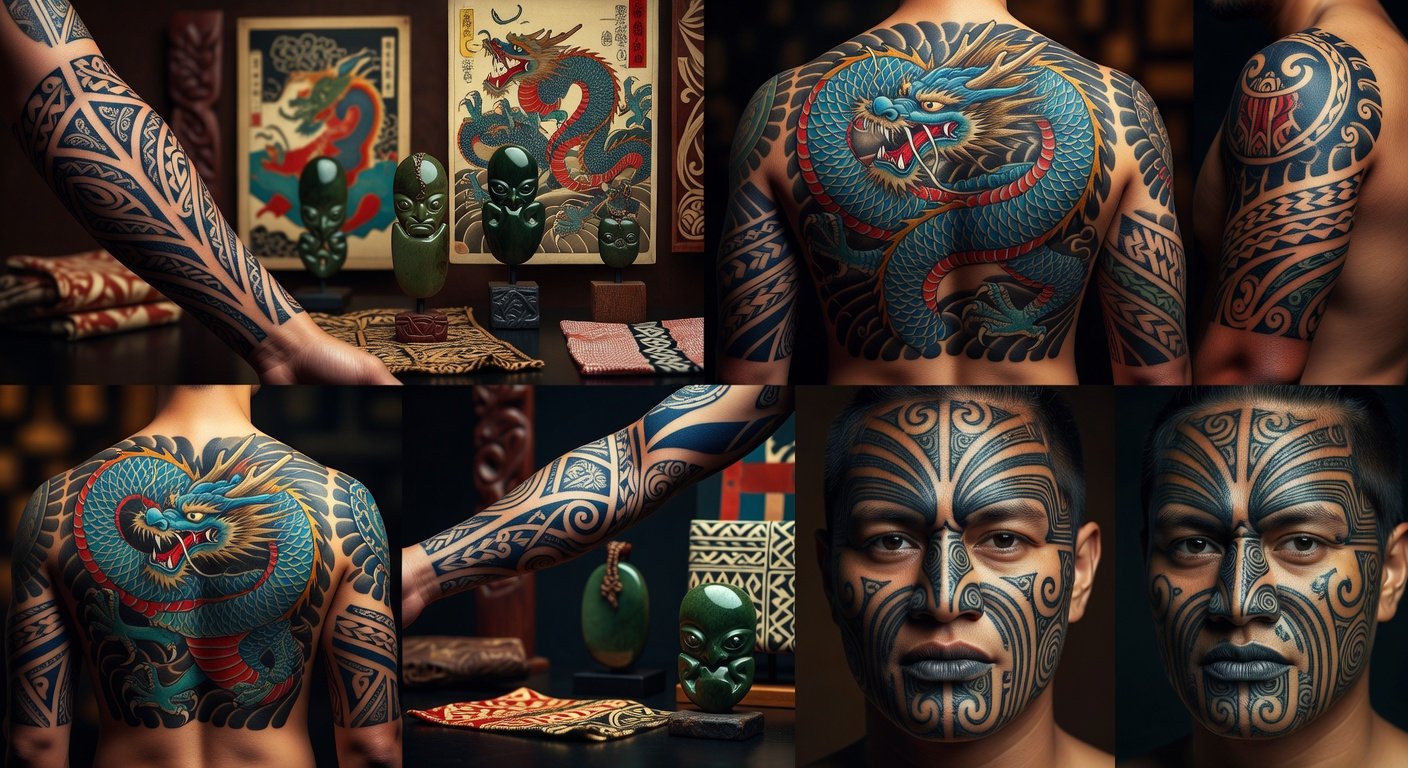
Polynesian tattooing, known as tatau, originated in Samoa and spread across islands including New Zealand, Hawaii, and Tahiti. These designs feature bold geometric patterns such as waves, sharks, and turtles that symbolize family lineage, courage, and connection to ancestors. Historically, the process involved hand-tapped tools made from bone or shell, and was reserved for chiefs or those completing rites of passage. For men, the pe'a covered large portions of the body from waist to knees, representing strength and social standing, while women received the malu on their thighs and legs for protection and fertility. Symbolism runs deep: a spearhead motif might represent warrior strength, while a shell pattern denotes protection. Ritual significance included pain endurance as a test of maturity, often accompanied by chants and community ceremonies that reinforced cultural bonds.
Modern Polynesian tattooing has seen a revival with artists using both traditional tools and electric machines to create hybrid pieces. Clients today seek these designs for personal empowerment, blending them with family crests or nature elements. Practical examples include a full back piece incorporating ocean waves for someone with maritime heritage. This tradition's impact on today's ink culture is evident in the popularity of tribal styles in global studios, though many artists now emphasize education to distinguish authentic motifs from generic copies.
Japanese Tattoo Culture: Irezumi and Narrative Depth
Japanese irezumi evolved from punitive markings in the Edo period to elaborate full-body suits depicting mythological scenes, koi fish, and cherry blossoms. These tattoos often tell stories of resilience and nature's cycles, using tebori hand-poking techniques for texture and shading that machines cannot replicate. Specific symbols carry layered meanings: a tiger represents strength and protection, while peonies symbolize wealth and bravery. Traditionally tied to the yakuza underworld, irezumi now appears in mainstream contexts with artists emphasizing precision and color vibrancy. The ritual aspect involved secrecy and commitment, as full-body suits could require dozens of sessions spanning years, fostering a deep personal bond between artist and client.
In contemporary settings, Japanese techniques influence Western tattooing through detailed shading and large-scale compositions. Artists often adapt these for smaller pieces like forearm sleeves featuring dragons or lotus flowers. This evolution highlights how ritual significance adapts while preserving core symbolism, impacting global trends toward narrative-driven body art that spans multiple sessions.
Indigenous Tattoo Traditions: Protection and Heritage
Indigenous cultures worldwide, from Inuit facial tattoos to Maori ta moko and Native American designs, used ink for spiritual protection, social status, and healing. Maori facial markings, for instance, encode genealogy and achievements through spiral koru patterns created with chisels and pigments from natural sources. Inuit kakiniit markings on women signified milestones like marriage or motherhood, using bone needles and soot-based ink. Native American tribes incorporated animal totems such as eagles or bears for spiritual guidance and clan identity. These practices carried profound ritual weight, often performed during ceremonies with chants and community involvement that marked transitions in life stages.
Symbolism centered on connection to land and spirits, with designs varying by region to reflect environmental elements like mountains or rivers. Modern revivals see Indigenous artists reclaiming these styles to preserve heritage amid colonial histories. Practical applications include facial tattoos for cultural identity in community events, showing how these traditions persist and inspire non-Indigenous artists to approach them with caution and collaboration.
Evolving Techniques Across Cultures
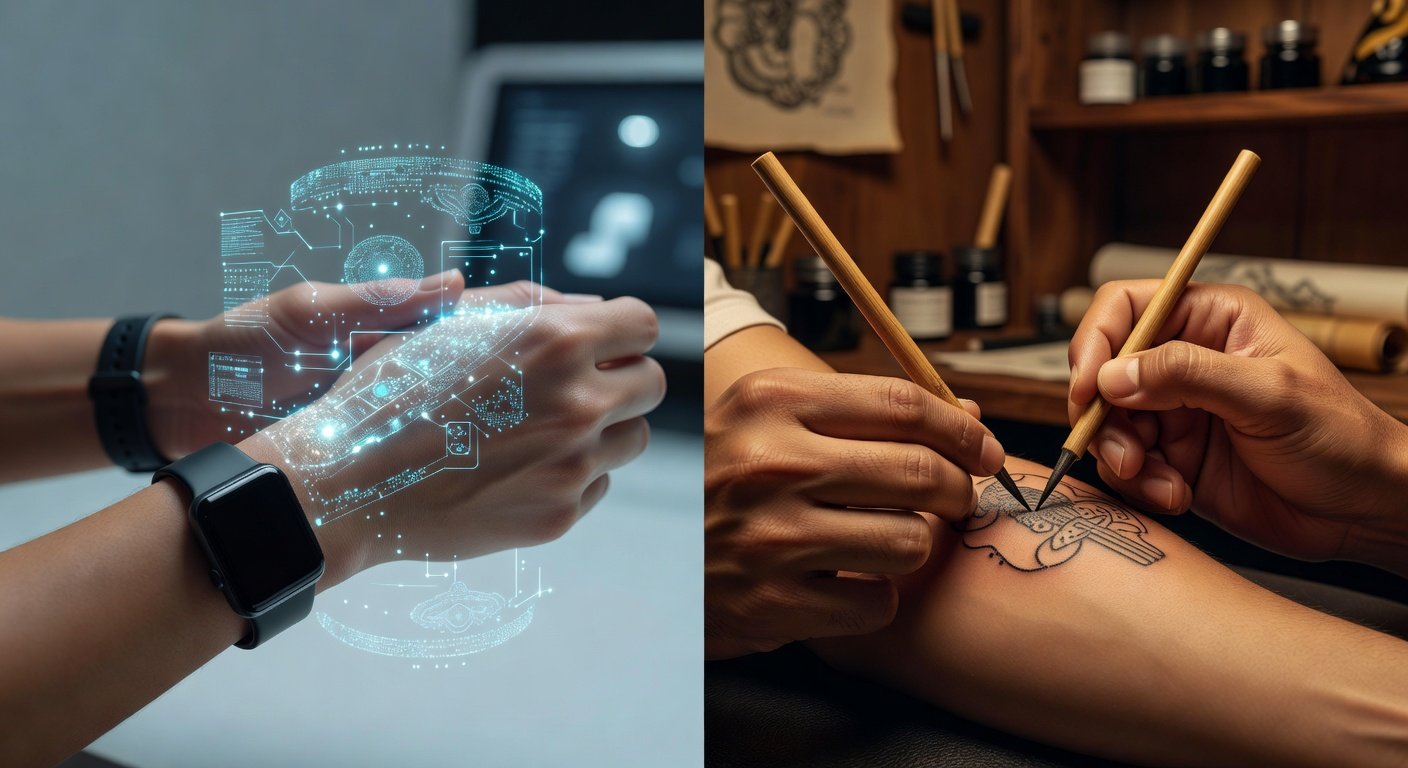
Techniques have evolved from ancient hand-tapping and chiseling to modern electric coils and rotary machines, yet many traditional artists maintain old methods for authenticity. In Polynesia, hand-tap tools create textured lines that heal differently than machine work. Japanese tebori offers unique gradients, while Indigenous methods prioritize natural pigments for skin compatibility. This blend allows for innovative fusions but requires artists to master multiple approaches for client satisfaction.
Cross-Cultural Fusions in Contemporary Ink
Today's tattoo scene thrives on fusions, where Polynesian motifs merge with Japanese linework or Indigenous symbols integrate into minimalist designs. This evolution reflects globalization, with artists traveling and clients seeking personalized narratives. Specific examples include a chest piece combining Maori koru with Japanese waves for someone of mixed heritage, or arm bands featuring Inuit patterns alongside Polynesian turtles. Such blends celebrate creativity but require sensitivity to avoid appropriation.
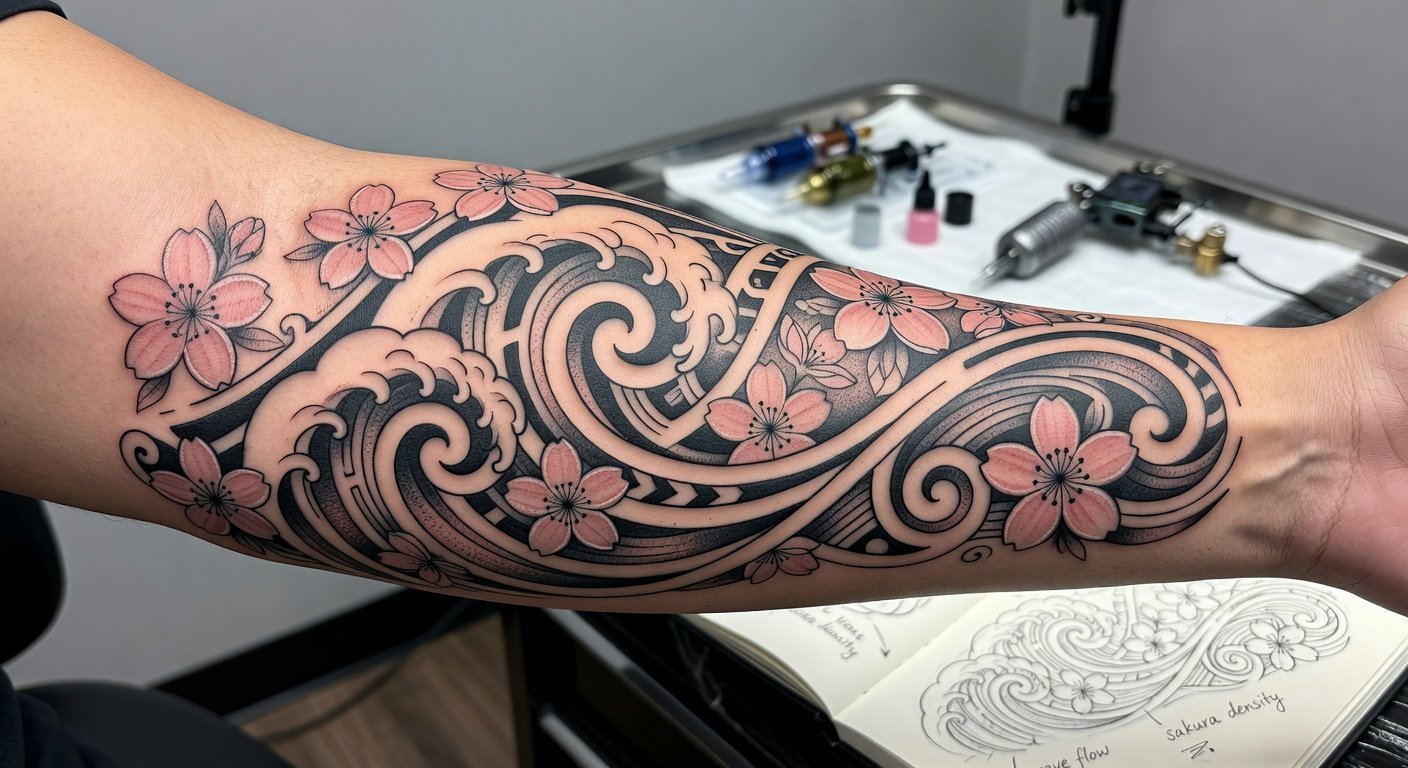
Visual examples often appear in portfolios showcasing how these elements create cohesive stories. The impact on body art communities includes increased demand for custom work that honors multiple heritages, leading to workshops on cultural tattoo history.
Ethical Considerations for Cultural Motifs
Respecting origins means researching symbolism and consulting cultural practitioners. Avoid sacred designs without permission, such as certain Maori patterns reserved for specific lineages. Artists and clients alike should prioritize education to prevent commodification. Case studies show instances where misappropriated designs led to community backlash, underscoring the need for dialogue. Key guidelines include supporting Indigenous-owned studios and learning proper contextual meanings through books or cultural centers. This approach strengthens the body art community rather than diluting traditions.
Artist Spotlights: Tradition-Blending Innovators
Artists like those at renowned studios worldwide demonstrate respectful fusion. For instance, creators merging Samoan tatau with modern realism highlight how techniques evolve through client stories of heritage exploration. Their work often features detailed consultations that honor historical contexts, resulting in pieces that educate viewers. Spotlighting such talents encourages aspiring tattooists to study multiple cultures deeply before innovating, fostering a more inclusive industry.
Actionable Steps for Respectful Incorporation
- Research extensively using museum resources and cultural experts before selecting motifs.
- Choose artists experienced in the specific tradition and discuss intentions openly during consultations.
- Opt for original adaptations rather than direct copies of sacred designs to maintain integrity.
- Support ethical studios that educate clients on heritage and offer transparent processes.
- Document your journey with photos and stories to inspire others toward mindful practices.
- Attend cultural events or workshops to gain firsthand understanding of rituals and meanings.
- Follow up with aftercare that respects traditional healing methods where applicable.
Common Mistakes to Avoid
Many enthusiasts rush into designs without full context, leading to regret. Avoid copying celebrity tattoos that may already misrepresent origins. Never pressure artists into sacred motifs, and steer clear of online templates lacking cultural depth. Instead, invest time in collaborative design sessions for authentic results.
Conclusion
Global tattoo traditions enrich modern ink culture by weaving history, symbolism, and artistry into living canvases. By comparing Polynesian, Japanese, and Indigenous roots, we appreciate their lasting impact and navigate fusions thoughtfully. Embrace these practices with curiosity and respect to contribute positively to the worldwide body art community.
FAQ: Preserving Cultural Integrity in Body Art
How can I ensure my tattoo respects cultural origins? Consult with cultural advisors and select motifs with personal relevance rather than generic copies, always verifying meanings through primary sources.
Are there specific techniques to study for authentic results? Explore hand-tapping methods from Polynesia or tebori from Japan through reputable workshops and apprenticeships with master artists.
What resources help with ethical tattoo decisions? Visit Britannica for historical overviews and Metropolitan Museum of Art collections on global body art.
How do modern fusions differ from traditional practices? Fusions often prioritize aesthetics over ritual, but respectful ones incorporate storytelling elements from multiple cultures with artist guidance.
No comments yet. Be the first!