 Inked Mythos
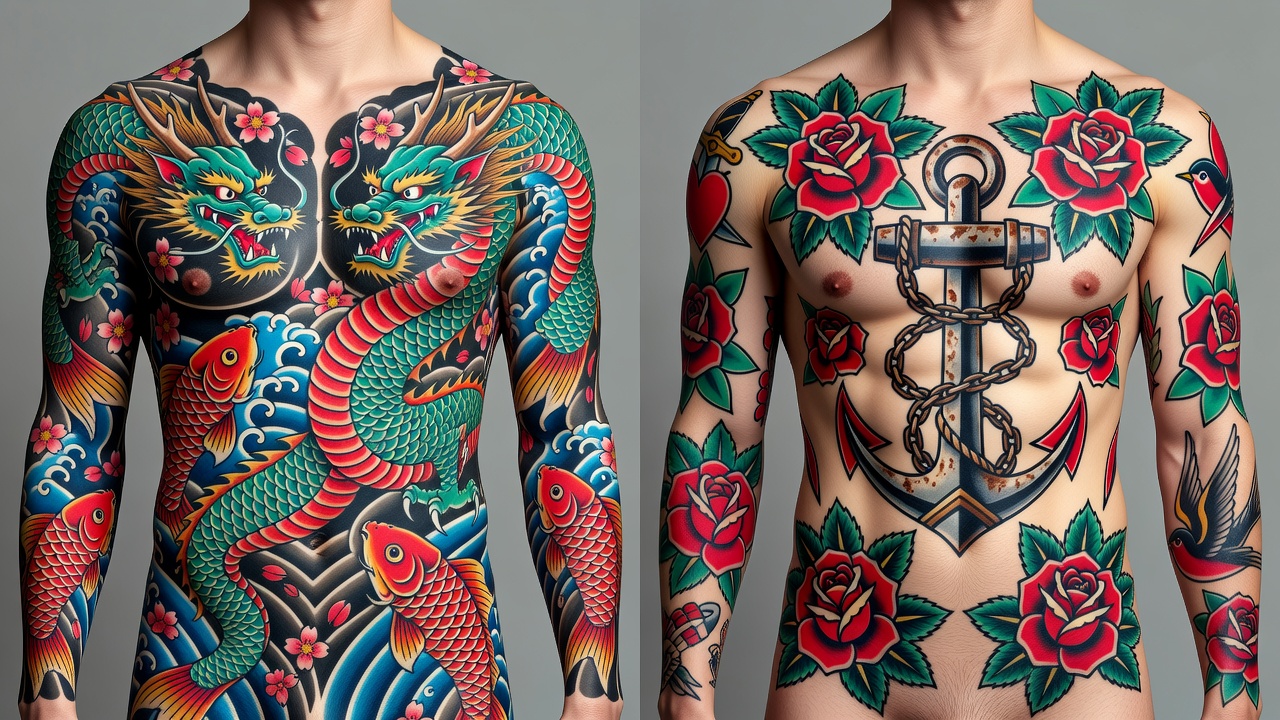
Introduction to Irezumi and Western Tattoo Traditions
Tattooing carries deep cultural roots across the globe, with Irezumi representing centuries-old Japanese practices and Western styles reflecting diverse influences from Europe and the Americas. In 2026, enthusiasts continue to explore these traditions for their distinct aesthetics and meanings. This comparison examines how each evolved independently while highlighting opportunities for respectful appreciation. Understanding these differences helps individuals make informed decisions about body art that aligns with personal values and cultural contexts. The growing interest in global tattoo heritage has led to more cross-cultural dialogues, making this topic especially relevant for modern seekers of meaningful ink.
Historical Origins of Irezumi
Irezumi traces its roots to Japan's Edo period, initially used for marking criminals before evolving into an art form among laborers and outlaws. By the 18th century, intricate full-body suits emerged, drawing from ukiyo-e woodblock prints. These designs incorporated mythical creatures and natural elements, symbolizing resilience and personal narratives. Over time, the practice faced bans but persisted underground until legalization in the modern era. Historical records show that Irezumi became associated with specific social classes, including firefighters and gamblers who valued its protective qualities. This underground resilience shaped its secretive and highly skilled transmission through master-apprentice relationships that continue today.
Historical Origins of Western Tattoos
Western tattooing gained prominence through sailors and explorers in the 18th and 19th centuries, influenced by Polynesian and Native American customs encountered during voyages. Early designs featured anchors, hearts, and eagles, often tied to military service or personal milestones. The 20th century saw commercialization through flash art in parlors, leading to diverse substyles like old school and new school. European traditions added heraldic symbols and religious iconography, while American developments emphasized bold lines and vibrant colors suited to quick application in port cities. This evolution reflects broader societal shifts toward individualism and self-expression in the West.
Key Symbolism Distinctions
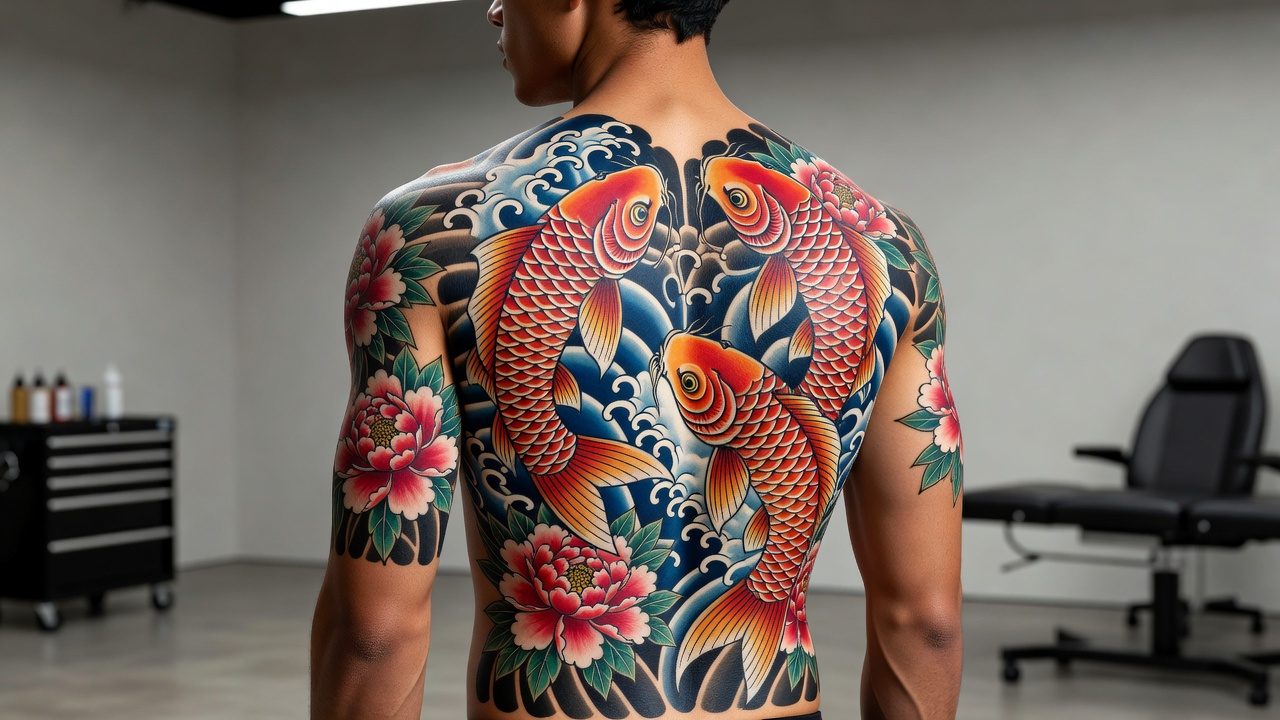
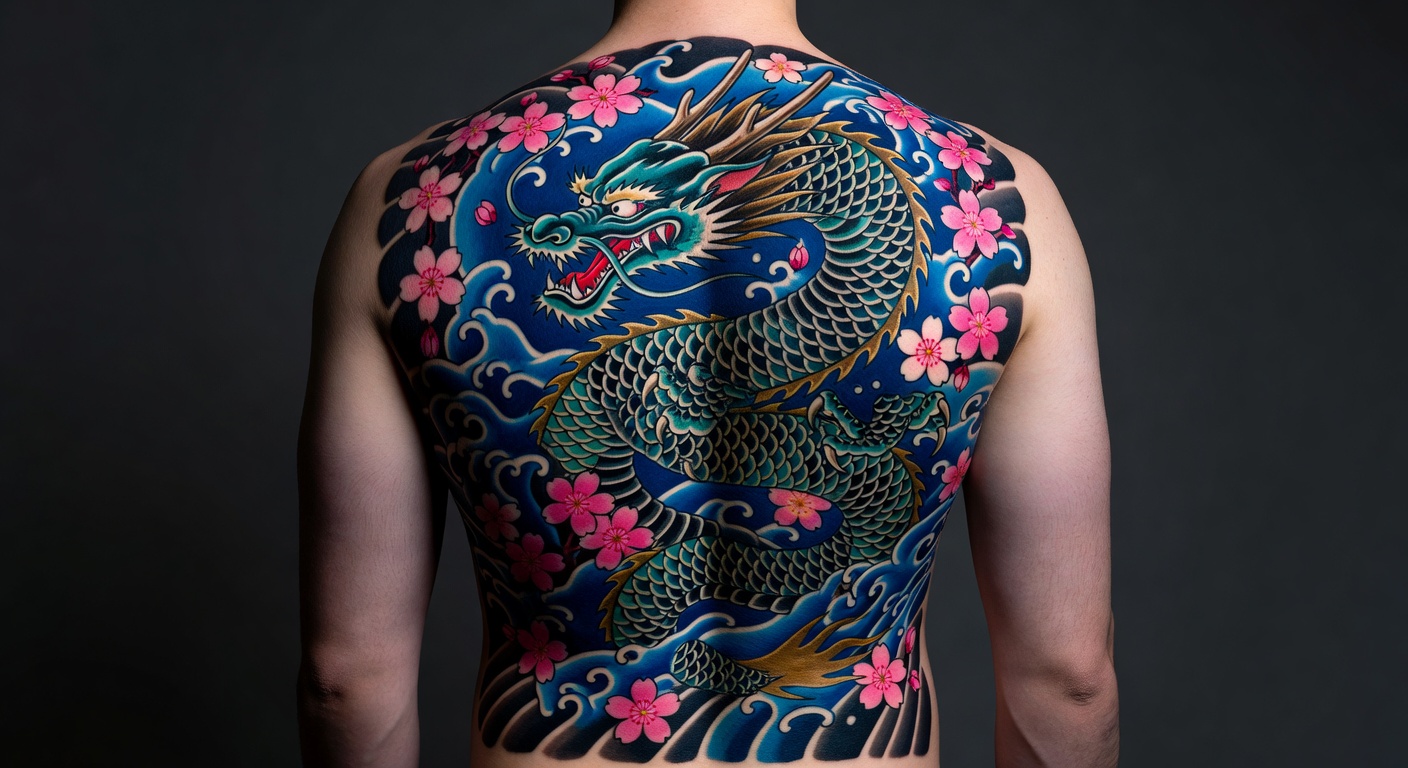
Irezumi symbolism emphasizes harmony with nature and folklore. Dragons denote power and wisdom, while koi fish represent perseverance. Peonies and cherry blossoms evoke fleeting beauty and strength. In contrast, Western tattoos often convey individualism, with motifs like skulls for mortality, roses for love, and nautical themes for adventure. These differences stem from cultural contexts: collective storytelling in Japan versus personal expression in the West. For instance, an Irezumi tiger might symbolize courage within a larger narrative sleeve, whereas a Western eagle could stand alone as a mark of freedom. Exploring these layers reveals how each tradition encodes values unique to its origins.
Traditional Ink Techniques and Application Methods
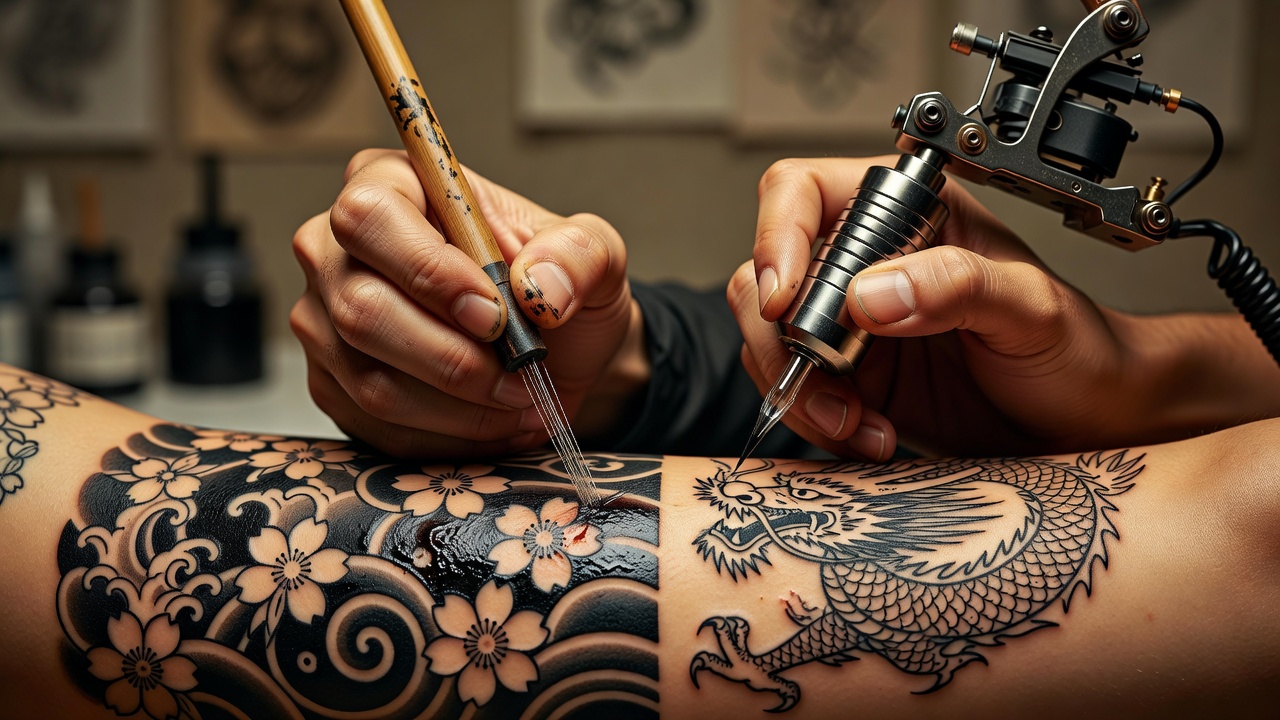
Irezumi relies on tebori, a hand-poked method using bamboo or metal tools to insert ink manually. This slow process allows for precise shading and gradients, often requiring multiple sessions over months. Western methods historically used rudimentary needles but shifted to electric machines by the late 19th century, enabling faster outlining and coloring. Both have evolved with modern sterilization, yet traditionalists preserve hand techniques for authenticity. Variations include the use of sumi ink in Irezumi for rich blacks and gradients, compared to the wider color palettes common in Western work. Contemporary artists sometimes combine approaches, but purists emphasize the meditative quality of hand methods versus the efficiency of machines.
Pain Tolerance Expectations and Healing
Tebori in Irezumi tends to produce deeper, more intense sensations due to repetitive hand pressure, often described as burning or scraping. Western machine work can feel like rapid buzzing, varying by needle configuration. Healing timelines differ slightly, with Irezumi's layered approach sometimes extending recovery. Individuals should research artist experience and aftercare protocols suited to each style. Preparation tips include staying hydrated, avoiding alcohol beforehand, and discussing numbing options where appropriate. Real-world accounts from clients highlight that Irezumi sessions may last longer per sitting but allow for breaks, while machine sessions proceed more continuously. Proper aftercare, such as specialized ointments and avoiding sun exposure, remains critical for both to prevent complications.
Societal Acceptance Levels Today
In 2026, both traditions enjoy broader acceptance in global societies, though regional nuances persist. Japan maintains conservative views on visible Irezumi due to historical yakuza associations, limiting public display in some settings. Western tattoos appear more normalized in professional environments across Europe and North America, supported by shifting workplace policies. Resources like Britannica provide further context on evolving cultural perceptions. In cities like Tokyo, discreet placements are preferred, whereas in Los Angeles or London, full sleeves are increasingly common in creative industries. Recent surveys indicate growing tolerance, yet legal restrictions on tattoo visibility in certain professions remain a consideration for those planning larger pieces.
Real-World Examples of Fusion Attempts
Artists worldwide blend elements, such as incorporating Japanese motifs into American traditional frameworks. Notable examples include hybrid sleeves featuring koi alongside nautical stars. Successful fusions respect origins by consulting cultural experts and avoiding direct appropriation. These experiments demonstrate how traditions can inspire without erasing heritage. Famous collaborations, such as those seen in international tattoo conventions, showcase pieces where Western bold outlines frame delicate Irezumi shading. Clients often share stories of traveling to Japan for authentic tebori accents added to existing Western work, creating personal narratives that bridge cultures thoughtfully.
Practical Advice for Choosing Between Styles
Consider your lifestyle, pain threshold, and desired symbolism when deciding. Research artists specializing in each tradition through portfolios and consultations. Start with smaller pieces to test compatibility. Respect cultural boundaries by learning meanings beforehand. For deeper insights, explore collections at The Met. Additional guidance includes evaluating long-term visibility needs and consulting multiple studios. A step-by-step approach helps: first define your goals, then match them to stylistic elements, and finally verify artist credentials via reviews and healed work examples.
- Assess body placement for visibility and healing ease, such as choosing less exposed areas for Irezumi suits.
- Budget for multiple sessions typical in traditional work, planning for extended timelines.
- Verify studio hygiene standards regardless of style, prioritizing licensed professionals.
- Connect with communities sharing similar cultural interests through forums and events.
- Review aftercare products recommended specifically for dense blackwork versus color-heavy designs.
Conclusion
Understanding Irezumi and Western tattoos enriches appreciation for their unique paths. Whether drawn to intricate Japanese narratives or bold Western icons, informed choices foster meaningful body art that lasts a lifetime.
FAQ: Common Misconceptions About Authenticity and Cultural Respect
Is it disrespectful for non-Japanese people to get Irezumi? Respect comes from education and collaboration with knowledgeable artists rather than ethnicity alone. Many practitioners welcome dedicated learners who commit to proper technique and symbolism study.
Are Western tattoos less traditional than Irezumi? Both hold rich histories; authenticity depends on technique and intent, not origin. Western styles trace back centuries through maritime and folk traditions that parallel the depth found in Japanese methods.
Can fusion tattoos honor both cultures? Yes, when created thoughtfully with input from practitioners of each tradition. Successful examples often involve phased creation where elements are balanced to avoid dominance of one style over the other.
How do I verify an artist's expertise in traditional techniques? Request to see healed examples, ask about training lineage, and observe studio practices that align with cultural standards for each tradition.
No comments yet. Be the first!