 Inked Mythos
Introduction to Irezumi's Enduring Global Impact
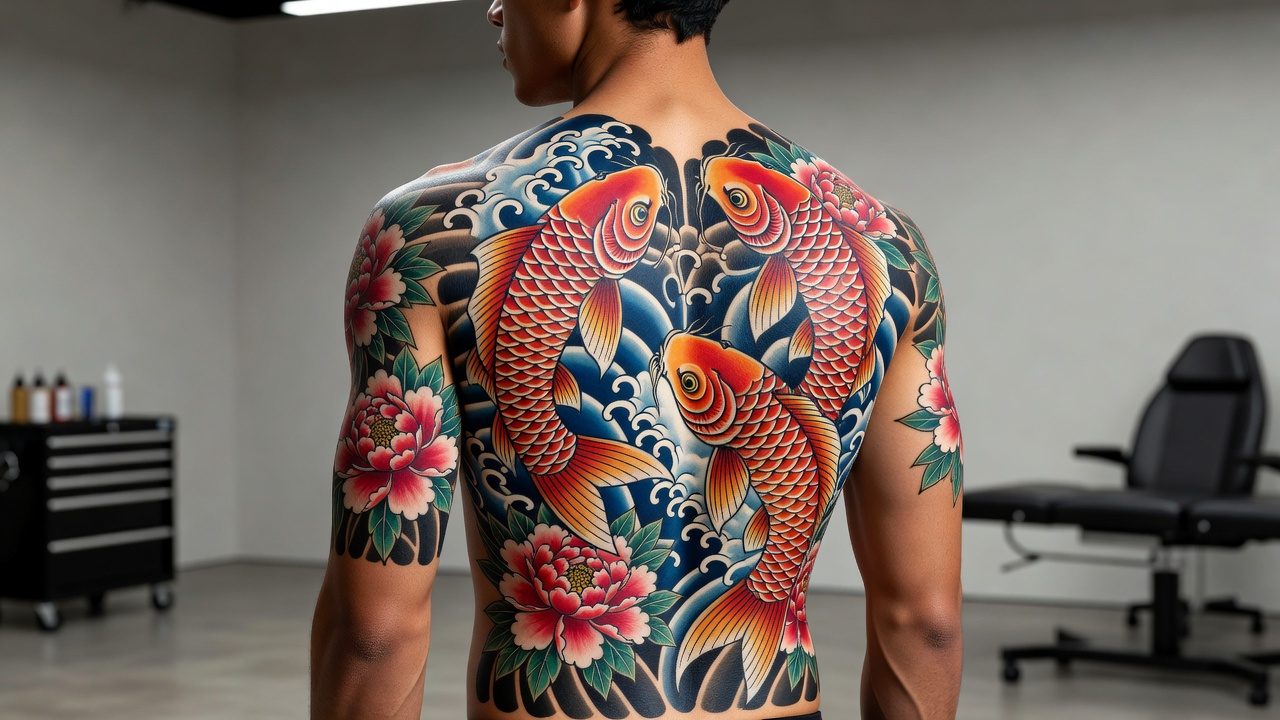
Irezumi, the intricate Japanese tattooing tradition characterized by bold lines, vibrant colors, and symbolic motifs drawn from nature and mythology, has profoundly influenced international tattoo culture. In 2026, this influence manifests in fusion styles that blend Japanese aesthetics with local traditions, reflecting a broader movement toward culturally informed body art. Artists and collectors worldwide are embracing irezumi elements while navigating questions of authenticity and respect. The search for global fusion trends highlights growing interest in how irezumi diffused from Japan through historical trade routes and modern media. This diffusion has led to respectful adaptations that honor origins while creating new expressions across continents.
Understanding irezumi requires recognizing its roots in storytelling through skin. Each element, from the flowing water to the fierce dragons, carries layered meanings that artists must preserve when adapting them internationally. In 2026, demand for these designs continues rising as collectors seek meaningful, large-scale work that tells personal stories within traditional frameworks.
Historical Diffusion of Irezumi Beyond Japan
Irezumi originated in Japan's Edo period as both decorative and punitive art. Its spread accelerated in the 19th century via sailors and later through pop culture exports like anime and film. By the late 20th century, Western tattoo artists began incorporating irezumi motifs into sleeve designs and back pieces. In 2026, digital platforms accelerate this exchange, allowing real-time collaboration between Japanese masters and international studios. The historical journey also includes periods of prohibition in Japan that forced the art underground, strengthening its mystique and appeal abroad.
Comparisons with other indigenous traditions reveal parallels and distinctions. For instance, irezumi's narrative flow differs from the geometric precision of Polynesian tattooing or the facial markings of Maori moko. Understanding these differences helps artists avoid superficial borrowing. Additional context comes from museum collections that document early exchanges, such as those preserved at institutions dedicated to Asian art history.
Notable International Case Studies
One prominent example is a Brazilian artist collective in São Paulo that merges irezumi koi fish with Amazonian river symbols, creating hybrid sleeves that celebrate both heritages. The project involved consultations with Japanese tattoo masters via video calls and resulted in a traveling exhibition shown in three countries. In Europe, a London studio has adapted irezumi peony motifs into Victorian-inspired designs, resulting in popular gallery exhibitions that drew over 5,000 visitors in early 2026. Australian practitioners have fused irezumi dragons with Aboriginal dot patterns, producing large-scale works exhibited at cultural festivals in Sydney and Melbourne.
Further afield, a studio in Vancouver has integrated irezumi waves with Pacific Northwest indigenous raven imagery, producing collaborative pieces that emphasize environmental themes. These case studies demonstrate successful cross-cultural dialogue when artists consult cultural experts and obtain proper permissions. Each project typically spans six to eighteen months, allowing time for research, sketching, and multiple sessions.
Emerging Motifs in 2026 Traditional Ink
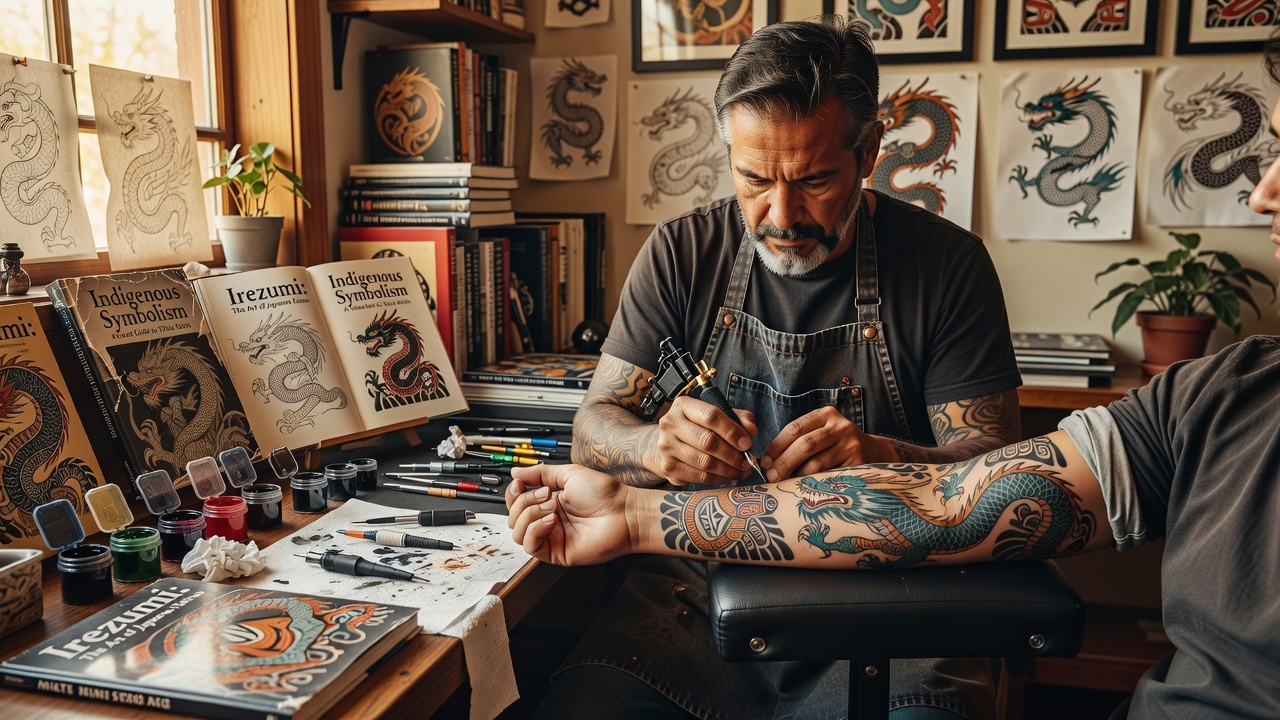
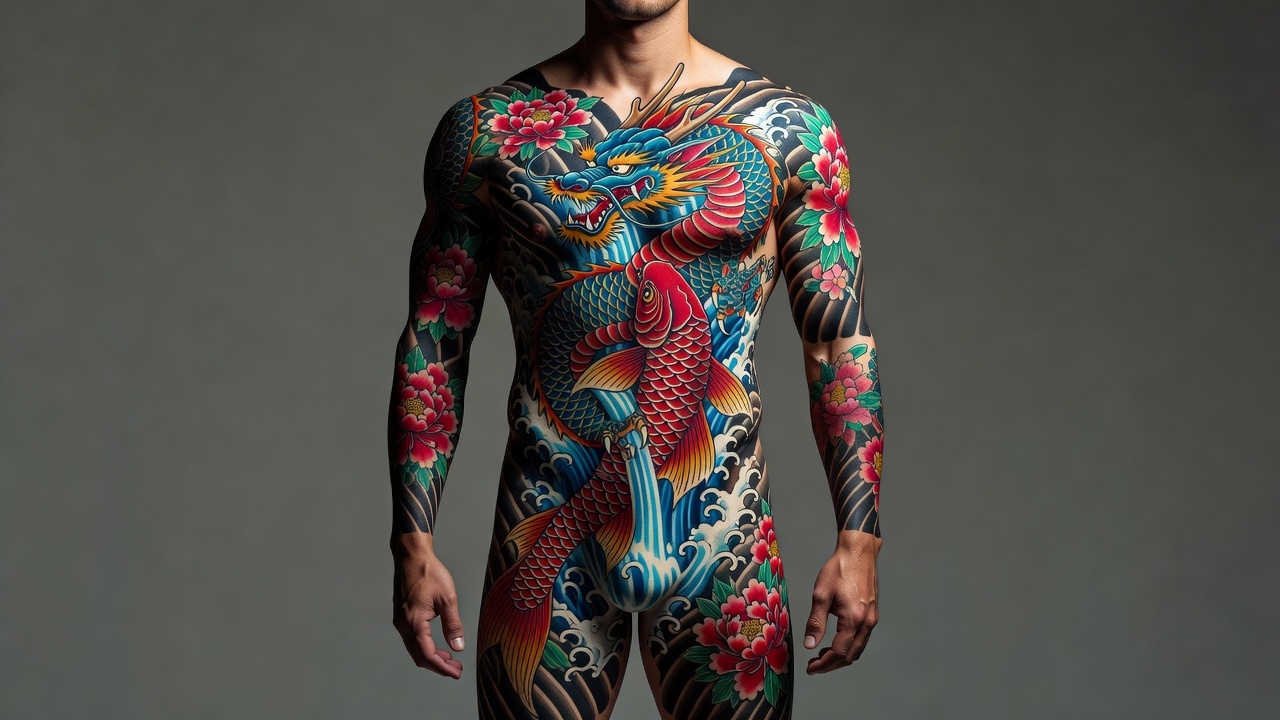
New motifs include stylized waves incorporating global water symbols and mythical creatures reimagined with regional flora. Collectors favor subtle placements such as inner forearms or calves for smaller irezumi-inspired pieces. Full-body suits remain prestigious but are adapted into modular formats allowing piecemeal collection. Popular additions in 2026 feature lotus flowers combined with cherry blossoms to represent resilience across cultures, as well as phoenixes paired with local birds of prey. These emerging designs often appear in black-and-gray versions for clients preferring less color saturation while retaining the structural integrity of classic irezumi composition.
Practical Steps for Authentic Style Blending
- Research deeply: Study primary Japanese sources and consult living irezumi practitioners through established networks or apprenticeships. Allocate several months to reading translated texts and viewing museum archives.
- Collaborate respectfully: Partner with artists from source cultures for guidance on symbolism, ensuring motifs align with personal narratives rather than aesthetic trends alone.
- Document intent: Maintain journals explaining personal connections to chosen motifs, which can later inform conversations with tattoo artists and help preserve cultural context.
- Start small: Begin with single elements before committing to larger compositions, testing how the design interacts with body movement and lifestyle.
- Seek education: Attend workshops on cultural tattoo history offered by reputable institutions, and review resources from organizations focused on heritage preservation.
- Support origin communities: Purchase prints, books, or attend events hosted by Japanese tattoo associations to give back to the living tradition.
- Review progress iteratively: Schedule regular check-ins with mentors to refine designs and address any emerging concerns about representation.
Common mistakes to avoid include using sacred symbols without context or mass-producing designs that strip away meaning. Artists should prioritize education over speed and always verify that client intentions match the depth required for meaningful work.
Comparisons with Other Indigenous Tattoo Traditions
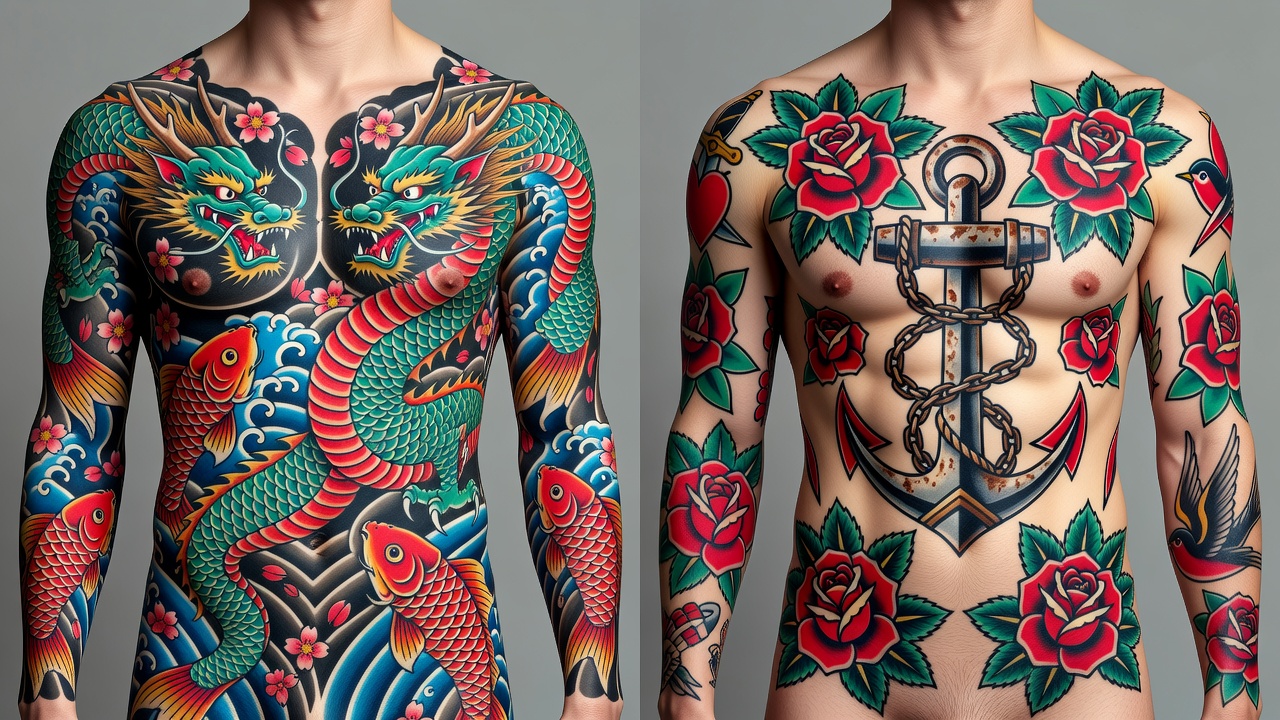
Unlike the bold, story-driven irezumi, Inuit tattoos often emphasize spiritual protection through minimalist lines applied with bone tools in traditional contexts. Southeast Asian traditions like Thai Sak Yant focus on sacred scripts and blessings performed by monks. Irezumi stands out for its emphasis on full-body harmony and seasonal symbolism, offering a template for cohesive large-scale work that many global artists now emulate. Museum exhibitions frequently highlight these contrasts, showing how different cultures approach permanence and narrative on the body. Additional insights appear in anthropological studies that compare placement rules and color palettes across regions.
Trend Forecasting and Cultural Sensitivity in 2026
Forecasts for the remainder of 2026 point toward increased hybridity with sustainable ink practices and digital design tools that allow precise motif scaling. Collectors are also requesting more educational components, such as certificates of cultural consultation included with finished tattoos. This evolution reflects a maturing market that values process as much as the final result.
Conclusion
Irezumi's influence in 2026 underscores a maturing tattoo community that values depth over trend-chasing. By following respectful practices, artists and collectors contribute to a vibrant, inclusive global ink culture that honors origins while fostering innovation.
FAQs on Cultural Sensitivity and Trend Forecasting
How can I incorporate irezumi without appropriation?
Focus on personal meaning, consult experts, and support Japanese artists directly through commissions or educational purchases. Avoid copying existing work exactly and instead develop original interpretations under guidance.
What trends will dominate 2027?
Expect further fusion with digital art influences, sustainable ink practices, and modular suit designs that accommodate evolving lifestyles. Interest in cross-cultural botanical motifs is also projected to grow.
Are there size or placement guidelines?
Traditional irezumi favors flowing coverage across large areas; adapt based on body shape, pain tolerance, and lifestyle. Smaller pieces work well on limbs while maintaining compositional balance.
How long does a respectful irezumi fusion project typically take?
Most collaborative projects require six to twenty-four months, including research, multiple tattoo sessions, and follow-up consultations to ensure cultural accuracy.
No comments yet. Be the first!