 Inked Mythos
Introduction to Advanced Irezumi Techniques
Irezumi, the traditional Japanese tattoo art form, has evolved far beyond its historical roots into a sophisticated practice blending ancient symbolism with modern precision. In 2026, enthusiasts and artists seek depth in techniques that honor cultural heritage while adapting to contemporary expressions. This comprehensive guide explores the nuances of traditional ink mastery, providing practical insights, detailed comparisons, and real-world examples for those pursuing skilled application beyond basic tutorials. Whether you are a professional tattoo artist or a dedicated collector, understanding these advanced methods ensures tattoos that carry lasting meaning and technical excellence.
Historical Evolution of Traditional Ink Methods
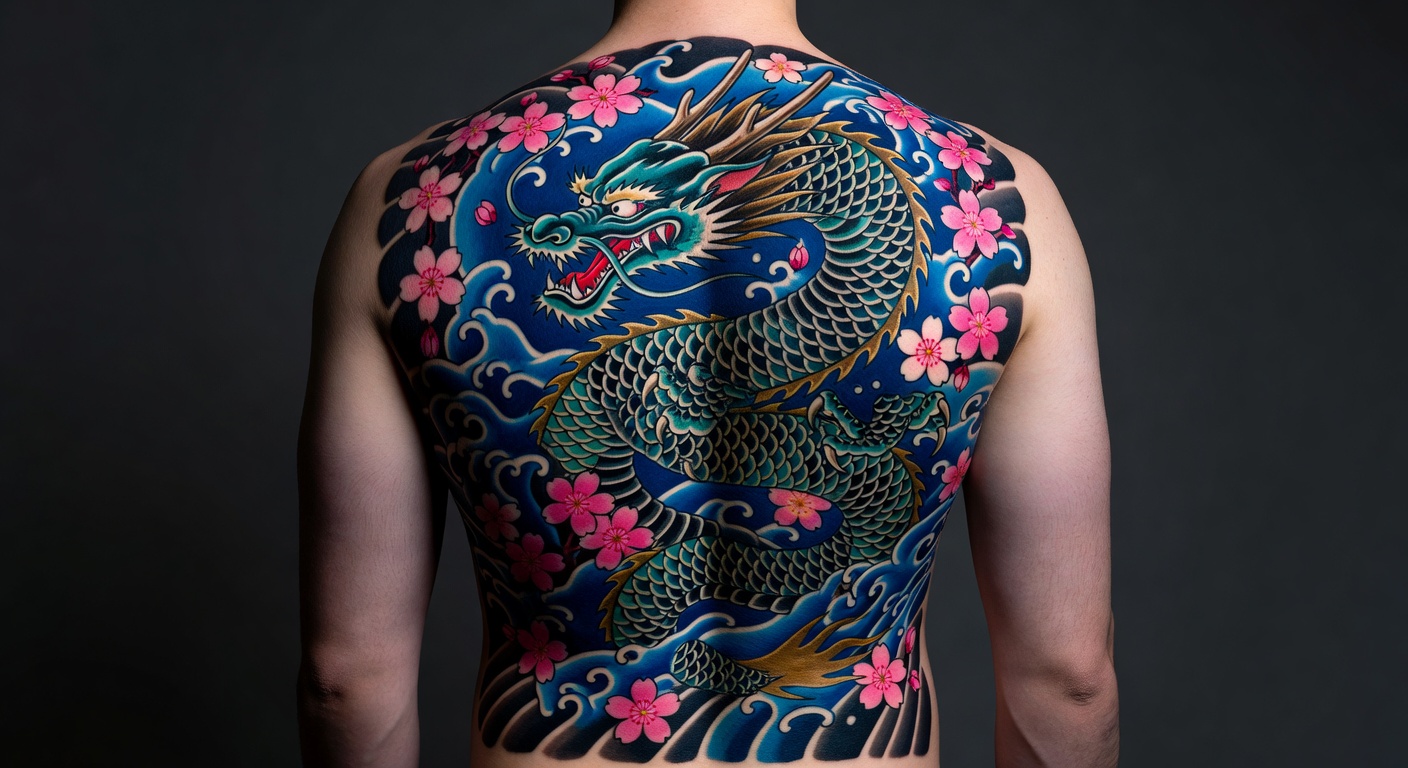
The origins of irezumi trace back to the Edo period, where it served as both punishment and personal expression among laborers and outcasts. Early techniques relied on simple bamboo sticks and natural pigments derived from plants and minerals, creating bold but limited designs. During the Meiji era, government bans pushed the art underground, yet masters refined their methods in secret, developing intricate patterns like the full-body suits known as horimono. Post-World War II, irezumi experienced a revival as Western influences met traditional practices, leading to hybrid styles that incorporated photography references for greater accuracy. In the late 20th century, the introduction of synthetic inks improved safety and color range while preserving the aesthetic of hand-crafted work. Today, practitioners draw from these foundations to create enduring works that resonate with global audiences, studying historical woodblock prints by artists like Kuniyoshi to inform modern compositions. This evolution highlights a continuous thread of respect for symbolism, where motifs such as dragons represent power and koi fish embody perseverance.
Key developments include the refinement of ink formulations and application rituals that enhance longevity and vibrancy. Britannica offers extensive resources on the cultural history underpinning these evolutions, while Metropolitan Museum of Art provides visual archives of period artifacts that inspire current techniques.
Integration of Shading and Layering for Symbolic Depth
Advanced shading techniques allow artists to imbue irezumi with layered meanings, such as representing life's impermanence through subtle gradients. Layering involves multiple passes of ink to build texture, creating visual narratives that evolve with the wearer's story. For instance, a background of clouds might use soft bokashi shading to suggest movement, while foreground elements receive denser applications for contrast. This method requires precise needle control or machine settings to avoid over-saturation, which can blur symbolic details over time. Practitioners often study anatomy to place layers where skin stretches least, preserving clarity in areas like the shoulders or thighs. 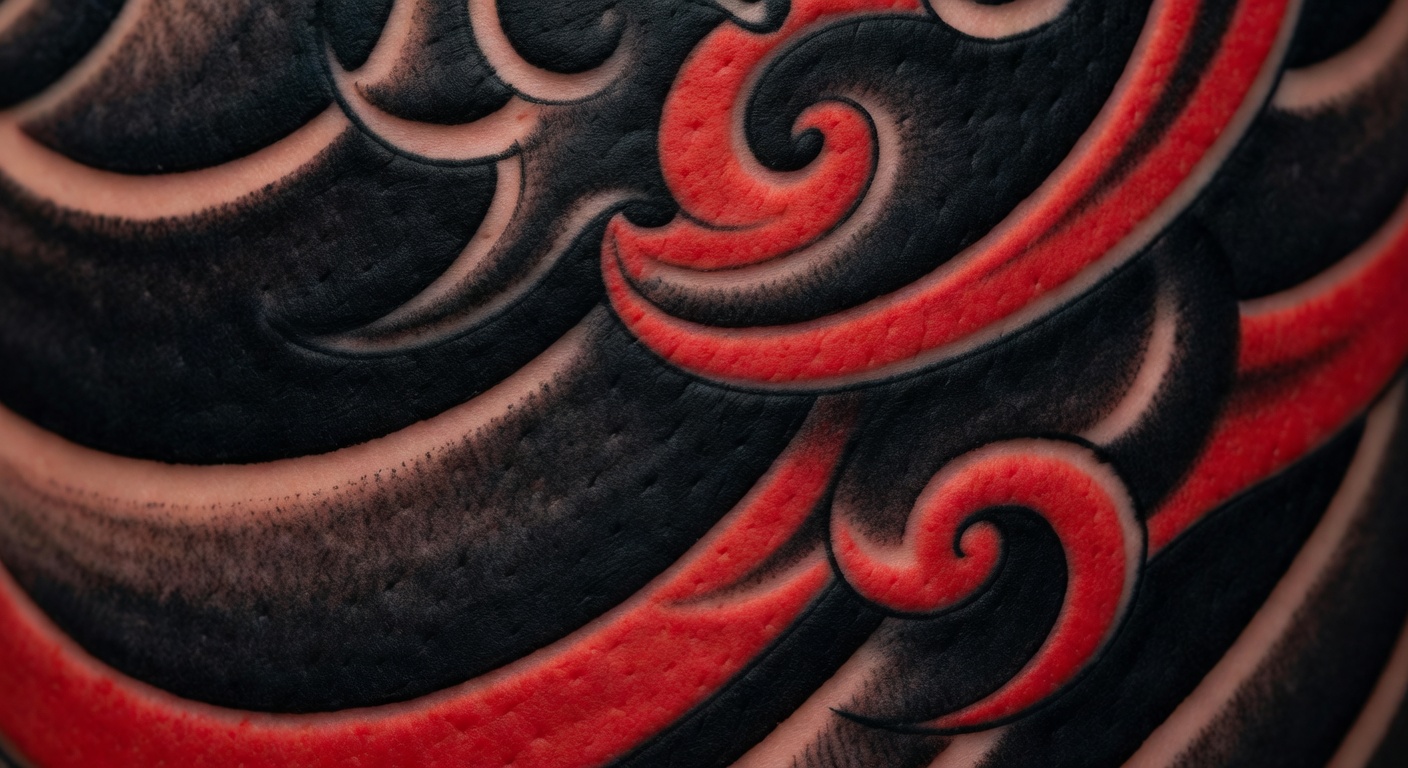
Real-world examples include fusing traditional waves with modern geometric overlays, where shading creates depth that symbolizes the interplay between nature and human will. Artists recommend starting with lighter washes and building up over sessions spaced weeks apart, allowing skin to heal and reveal how layers interact under different lighting conditions.
Machine vs Manual Approaches: A Detailed Comparison
While traditional tebori (hand-poking) remains revered for its tactile connection, modern machines offer consistency in large-scale works. Manual methods excel in fine line work and cultural fidelity, whereas machines facilitate quicker sessions with controlled depth. The choice often depends on design scale, client pain tolerance, and desired finish. Tebori produces a unique texture from irregular ink deposits that many view as more authentic, but it demands exceptional stamina from both artist and client. Machines, particularly rotary models, allow for even pigment distribution ideal for expansive backgrounds. Hybrid approaches combine both: using machines for bold outlines and tebori for delicate shading. Key factors include healing times, with manual work sometimes requiring longer recovery due to deeper tissue impact, and color retention, where machine precision can yield more uniform results across skin tones.
- Tebori advantages: Organic feel, superior for micro-details, strong cultural resonance.
- Tebori disadvantages: Slower process, higher physical demand, steeper learning curve.
- Machine advantages: Efficiency for large pieces, adjustable speeds, consistent saturation.
- Machine disadvantages: Potential for less nuanced texture, risk of mechanical uniformity.
Many 2026 studios experiment with wireless machines calibrated specifically for Japanese-style needles to bridge these worlds effectively.
Case Studies: Contemporary 2026 Fusions with Global Motifs
Renowned practitioners like those influenced by Horiyoshi III have merged irezumi with Western motifs, such as incorporating Celtic knots into dragon scales or Aztec patterns into peony backgrounds. One notable 2026 case involved a client blending Japanese oni demons with Norse runes, achieved through careful shading that transitioned motifs seamlessly across the torso. Another example features a full sleeve fusing irezumi cherry blossoms with Indigenous Australian dot-work elements, where layering techniques created optical illusions of depth. These fusions require extensive research to avoid cultural clashes, often involving consultations with historians. Artists report that such projects take 20-40 hours across multiple appointments, emphasizing patience in building symbolic cohesion. These case studies highlight successful integrations that maintain authenticity while appealing to diverse clients seeking personalized yet respectful expressions.
Practical Steps for Building Custom Designs
Begin with client consultations to align personal narratives with traditional symbols. Sketch iterations on paper before digital refinement, followed by skin tests for ink compatibility. Incorporate feedback loops to refine shading and layering. Step one involves deep symbol research using reference books and museum collections to ensure accuracy. Next, create scaled stencils that account for body curvature, testing placements with temporary markers. During application, monitor skin response closely, pausing for breaks if needed. Post-session care includes specific aftercare protocols like avoiding moisture for defined periods and using barrier creams. Final steps encompass follow-up sessions for touch-ups and color enhancements, typically scheduled four to six weeks apart. Documenting each phase with photographs helps track progress and informs future adjustments.
- Research cultural symbols thoroughly using primary historical sources.
- Collaborate on mood boards that mix traditional and client-inspired elements.
- Apply test patches for adaptation and observe reactions over 48 hours.
- Finalize with multiple sessions for depth, spacing them to allow full healing.
- Review and iterate based on how the tattoo settles into the skin.
Tips for Maintaining Cultural Authenticity
Authenticity demands respect for Japanese heritage, avoiding appropriation through education and collaboration with masters. Always credit sources and seek mentorship when exploring fusions. Avoid generic online designs; instead, commission original work. Study the philosophical underpinnings, such as the yakuza associations historically tied to irezumi, to inform respectful practice. Smithsonian Magazine features articles on global tattoo traditions that provide broader context for ethical considerations. Regular self-reflection and community engagement help sustain integrity in an increasingly international field.
Examples from Renowned Practitioners
Artists such as Shige and contemporary 2026 innovators demonstrate mastery by blending classic motifs with personal twists, resulting in tattoos that tell profound stories across skin canvases. For example, one practitioner in Tokyo specializes in subtle color gradients that mimic ukiyo-e prints, while another in New York focuses on large-scale back pieces incorporating client life events into traditional frameworks. These professionals stress continuous learning through apprenticeships and international workshops.
FAQ: Addressing Common Challenges
How long does irezumi ink typically last?
With proper care, irezumi can endure for decades, though factors like sun exposure affect vibrancy. Annual touch-ups may be needed after ten years for optimal appearance.
What about skin adaptation issues?
Individual skin types vary; professional artists recommend patch testing and gradual sessions to minimize reactions. Oily or sensitive skin may require specialized inks and extended healing protocols.
How can ink longevity be maximized?
Consistent moisturizing, UV protection, and avoiding weight fluctuations help maintain line integrity and color saturation over time.
What challenges arise with global motif fusions?
Balancing visual harmony while respecting origins often requires iterative design sessions and cultural advisors to prevent misinterpretation.
Conclusion
Mastering advanced irezumi techniques in 2026 requires balancing tradition with innovation, ensuring each piece carries cultural weight and personal significance. By applying these methods thoughtfully, artists and enthusiasts create tattoos that stand as timeless testaments to skill and respect.
No comments yet. Be the first!