 Inked Mythos
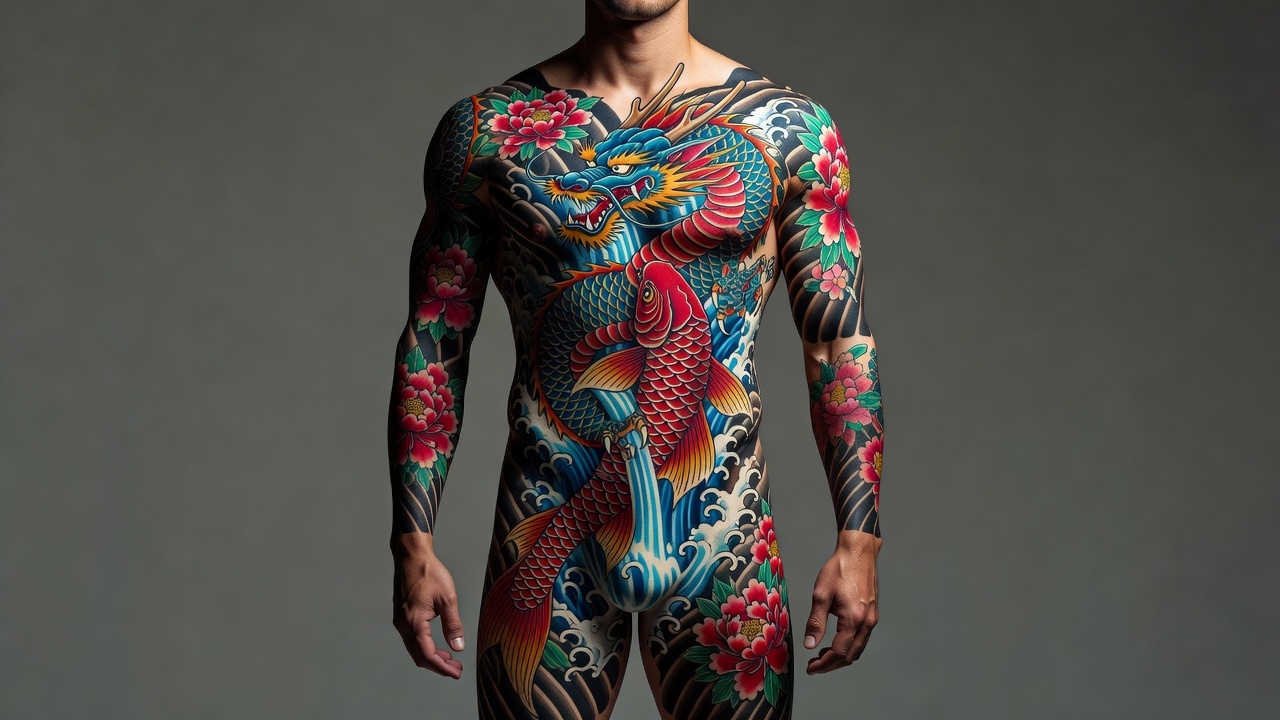
Japanese irezumi has long transcended mere decoration, evolving into profound visual narratives etched into skin. In 2026, seekers of cultural tattoos increasingly pursue designs that encapsulate life journeys, ancestral wisdom, and personal transformation. This narrative-driven approach aligns perfectly with the growing demand for symbolic body art that honors tradition while reflecting individual stories. Rather than choosing isolated symbols, modern clients commission full compositions that read like chapters from a personal epic, where every scale on a dragon or petal on a flower contributes to an overarching tale of resilience, love, or redemption.
The Historical Roots of Storytelling in Irezumi
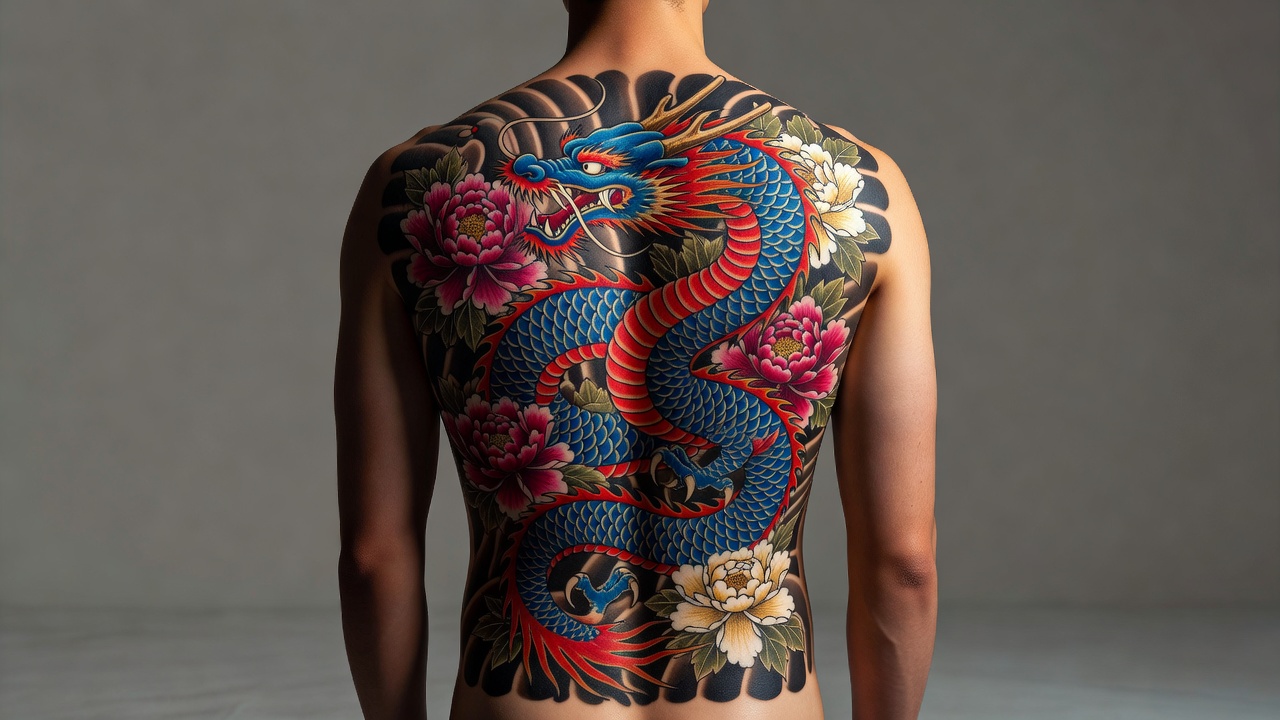
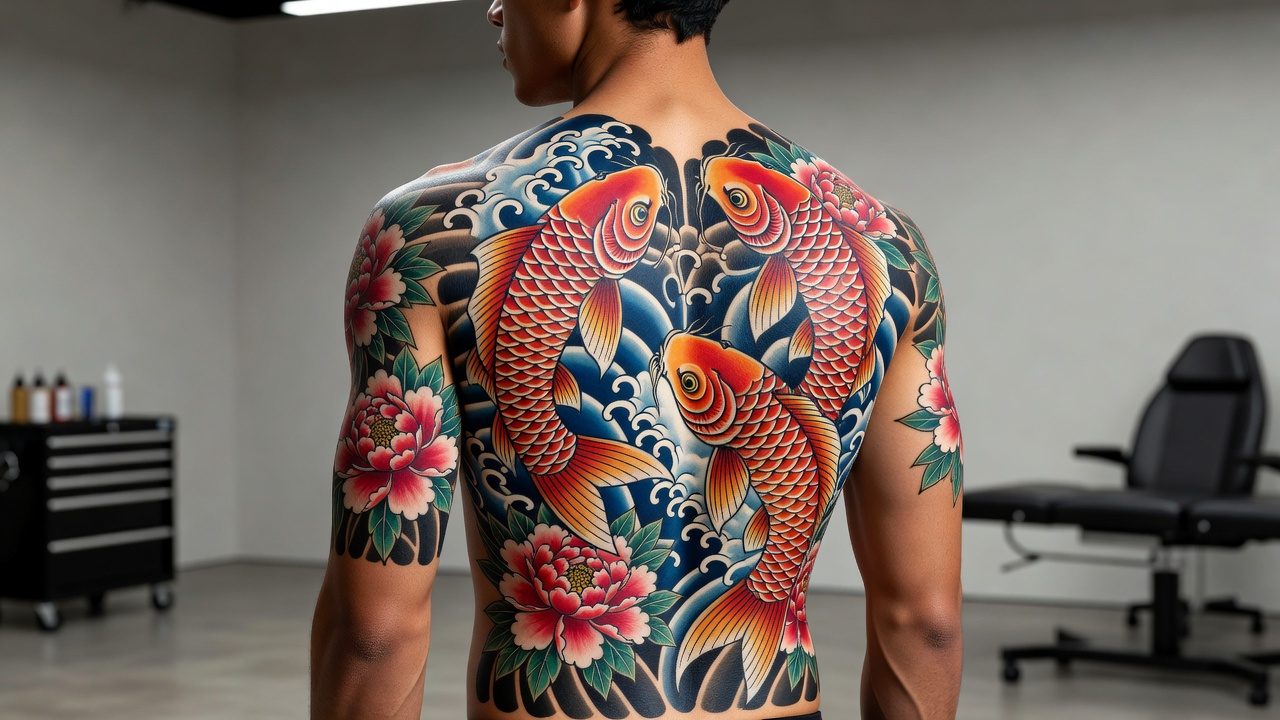
Irezumi originated in Japan during the Edo period, where tattoos served as both punishment and later as markers of identity among laborers and outlaws. Over centuries, the practice incorporated elements from ukiyo-e woodblock prints, transforming the body into a living canvas of folklore. Motifs such as koi fish battling waterfalls or dragons entwined with peonies were never random; they conveyed resilience, prosperity, and the balance of power and beauty. Today, artists reference these historical layers to create pieces that feel timeless yet contemporary. The evolution continued into the Meiji era when irezumi was briefly suppressed, only to resurface in underground communities before gaining international recognition in the late twentieth century. Scholars at institutions like The Metropolitan Museum of Art have documented how irezumi parallels literary traditions, with full-body suits functioning as chapters of epic tales drawn from kabuki plays and classical literature.
Folklore-Inspired Motifs as Life Journey Symbols
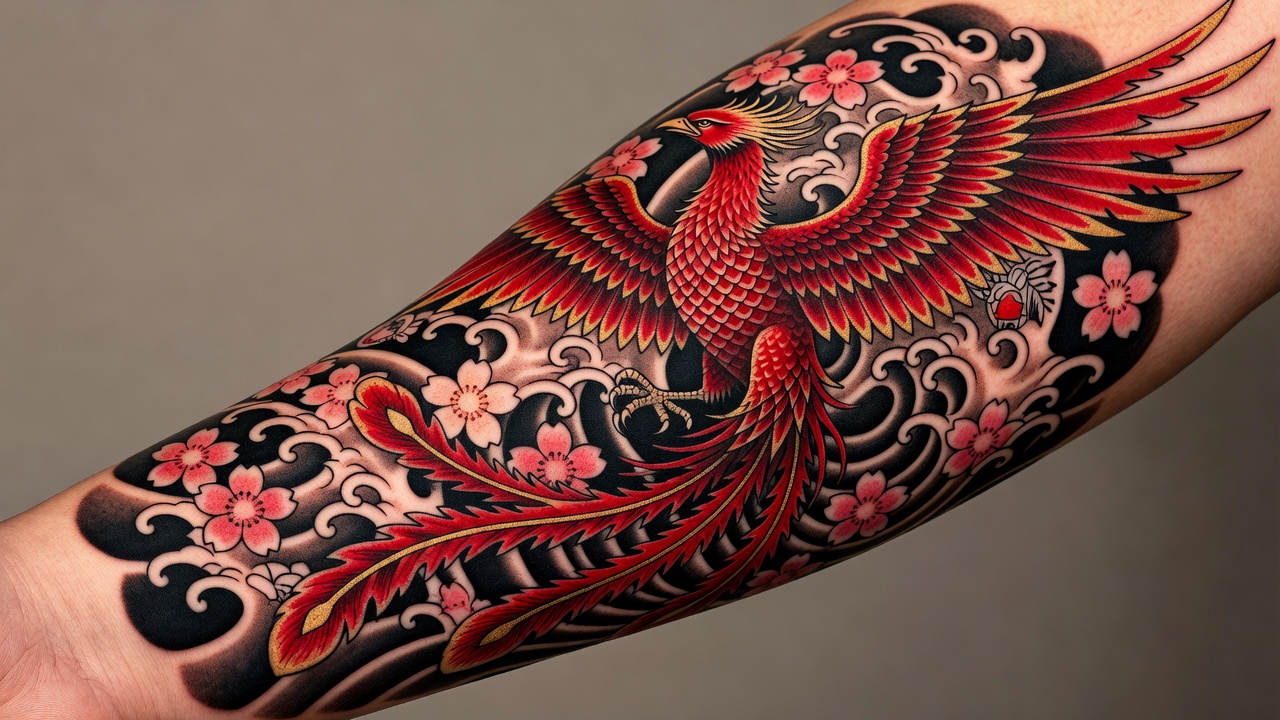
Many clients commission irezumi that mirror personal milestones through classic Japanese legends. A phoenix rising from flames might represent recovery from adversity, while a tiger in bamboo signifies quiet strength amid challenges. These choices draw from centuries-old stories found in kabuki theater and Shinto mythology, allowing wearers to externalize internal transformations. Additional popular motifs include the kirin, symbolizing good fortune after hardship, and the hannya mask, which can illustrate emotional duality when paired with softening cherry blossoms. Real-world examples include a client who integrated a nine-tailed fox across her back to symbolize navigating complex career shifts, each tail representing a distinct life phase. Another features a Hannya mask transitioning into cherry blossoms, illustrating the journey from anger to acceptance after personal loss. A third documented case involved a full sleeve depicting the legend of Momotaro the peach boy, with the client mapping his own adoption story onto the peach, dog, monkey, and pheasant companions.
Integrating Personal Symbolism into Traditional Designs
Successful narrative irezumi blends canonical motifs with bespoke elements. Artists begin consultations by mapping the client’s biography onto traditional iconography. A mountain range might incorporate birth dates as hidden numerals in the clouds, or family crests could appear within wave patterns. Step-by-step guidance for developing your own story-based design includes the following practical process:
- Reflect deeply on pivotal life events and core values you wish to honor, writing a short narrative outline of three to five key chapters.
- Research primary motifs through reputable cultural archives and select those whose traditional meanings resonate with your outline.
- Collaborate with an irezumi specialist to sketch narrative flow across body contours, ensuring the design reads coherently when the body moves.
- Incorporate subtle personal markers such as favorite flowers or meaningful kanji without overwhelming the composition.
- Review the full design in multiple sessions to ensure visual and emotional coherence before any ink is applied.
This methodical process ensures the final tattoo reads as both ancient legend and modern memoir, creating layers of meaning that reveal themselves over time.
Real-World Examples of Narrative Irezumi Pieces
One striking example is a collector’s back piece that tells the complete story of the Heike Monogatari through intertwined waves, fallen warriors, and ghostly apparitions. Another client commissioned a chest-to-thigh suit featuring the journey of a wandering monk, with each temple gate representing a decade of the wearer’s spiritual growth. These pieces demonstrate how irezumi can function as wearable autobiography when executed by skilled hands.
Choosing the Right Artist and Preserving Cultural Authenticity
Authenticity requires respect for Japanese tattoo lineage. Seek artists trained in tebori or those mentored within traditional studios. Avoid mixing unrelated cultural symbols that dilute the narrative integrity. When personalizing, maintain the hierarchical structure typical of irezumi—larger figures anchoring the piece with supporting elements flowing around them. Resources such as Britannica provide excellent overviews of these artistic conventions for further study. Clients should also consider travel to Japan for consultations or work with diaspora artists who maintain direct lineage connections.
Aftercare Practices for Long-Lasting Narrative Tattoos
Preserving the clarity of storytelling elements demands diligent aftercare. Use fragrance-free moisturizers daily, protect the tattoo from prolonged sun exposure, and schedule touch-up sessions every five to seven years depending on lifestyle factors. Proper care ensures that fine details like individual scales or petal veins remain legible decades later, keeping the narrative intact.
Conclusion
Irezumi narratives offer a powerful medium for cultural tattoos that speak across generations. By grounding personal stories in time-honored Japanese motifs, individuals create enduring art that honors both heritage and self. Approach the process thoughtfully to craft a piece that continues to unfold meaning over a lifetime.
FAQ
How do I ensure my irezumi design respects Japanese traditions?
Work exclusively with artists specializing in irezumi who follow historical conventions and avoid cultural appropriation through careful motif selection and ongoing education about symbolism.
Can I combine multiple folklore stories in one piece?
Yes, skilled artists often weave complementary legends together, provided the overall composition maintains narrative flow and visual harmony across the body’s natural lines.
What body placement best supports storytelling?
Full sleeves or back pieces allow sequential reading of the tale, while smaller areas suit focused single-chapter motifs that still carry deep personal resonance.
How long does the design consultation process typically take?
Most narrative irezumi projects require three to six consultation sessions spread over several months to refine the story arc and ensure cultural accuracy before tattooing begins.
No comments yet. Be the first!