 Inked Mythos
Introduction to Irezumi and Its Spiritual Depths
Irezumi, the traditional Japanese art of tattooing, carries profound spiritual significance that extends far beyond decorative body art. Rooted in centuries-old practices, these intricate designs often symbolize protection, personal transformation, and connection to the divine. In 2026, interest in authentic irezumi continues to grow as seekers explore cultural tattoos that honor heritage while reflecting inner journeys. The art form blends meticulous craftsmanship with deep philosophical undertones drawn from Shintoism, Buddhism, and folklore, making each piece a living talisman rather than mere ornamentation.
Unlike modern Western tattoos, irezumi integrates motifs drawn from nature, mythology, and religious beliefs. Practitioners view the body as a canvas for storytelling, where every line and color choice contributes to an energetic narrative. This article delves into lesser-known spiritual dimensions, key symbols, historical context, and practical guidance for meaningful choices, providing readers with the depth needed to approach this tradition respectfully and intentionally.
Historical Origins of Sacred Symbolism in Irezumi
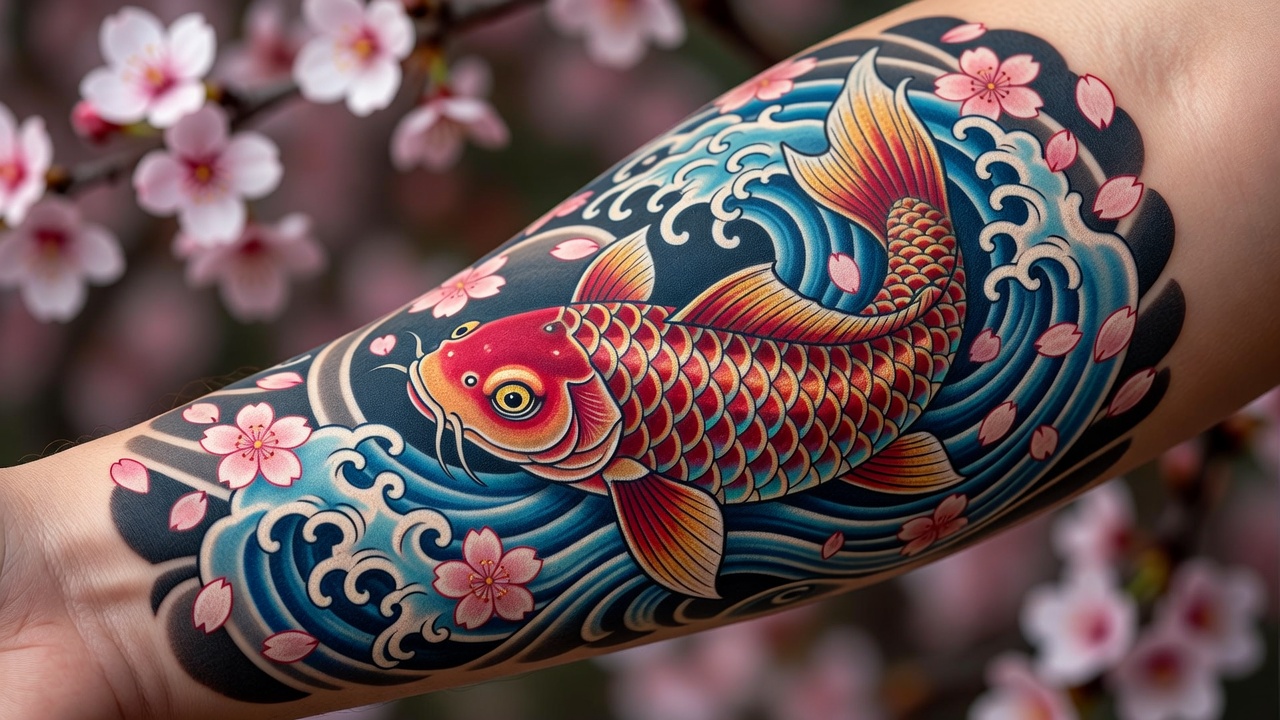
The practice of irezumi dates back to the Jomon period but evolved significantly during the Edo era when it became associated with both outlaws and spiritual warriors. Many designs served as talismans against evil spirits or markers of resilience through hardship. Sacred elements like the koi fish represent perseverance through adversity, drawing from legends of fish transforming into dragons after swimming upstream against powerful currents.
Buddhist influences introduced motifs such as the lotus flower, symbolizing purity rising from murky waters, while Shinto traditions emphasize harmony with nature through waves, cherry blossoms, and tigers. These symbols were not chosen lightly; they were believed to imbue the wearer with spiritual power and protection. During the Meiji period, irezumi faced suppression due to modernization efforts yet persisted underground, preserving its sacred essence. By the 20th century, it reemerged as a celebrated form of cultural expression, influencing global tattoo communities.
Key Motifs Beyond Common Designs
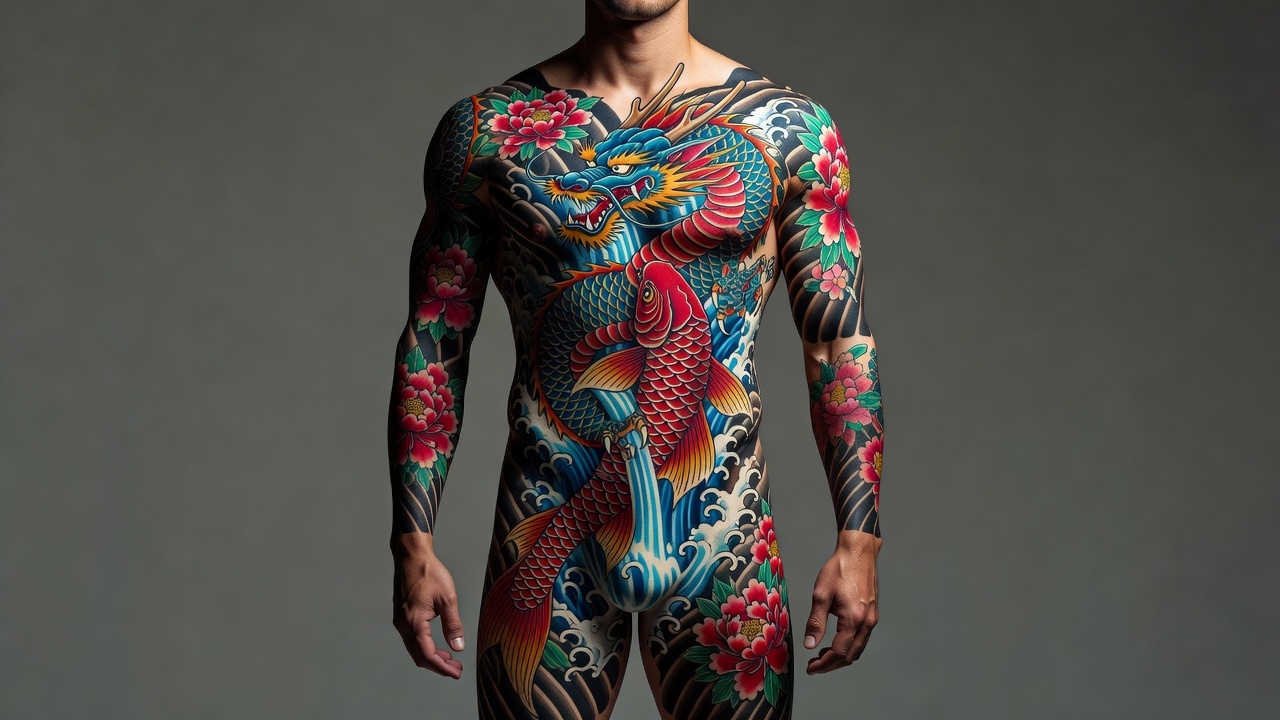
While dragons and koi are well-known, lesser-explored motifs include the peony for prosperity and bravery, or the Hannya mask representing complex emotions like jealousy transformed into wisdom. The phoenix embodies rebirth, making it ideal for those navigating life transitions. Additional symbols such as the carp scaling waterfalls signify overcoming obstacles, and the maple leaf reminds wearers of life's impermanence.
- Water and Waves: Symbolize life's flow and adaptability, often framing larger pieces for spiritual balance and continuous energy movement across the skin.
- Snakes: Represent protection and renewal, tied to ancient guardian spirits that ward off misfortune during challenging times.
- Maple Leaves: Evoke the transient nature of existence, encouraging mindfulness and appreciation for fleeting moments.
- Chrysanthemums: Stand for longevity and imperial heritage, frequently used in designs honoring ancestors or personal endurance.
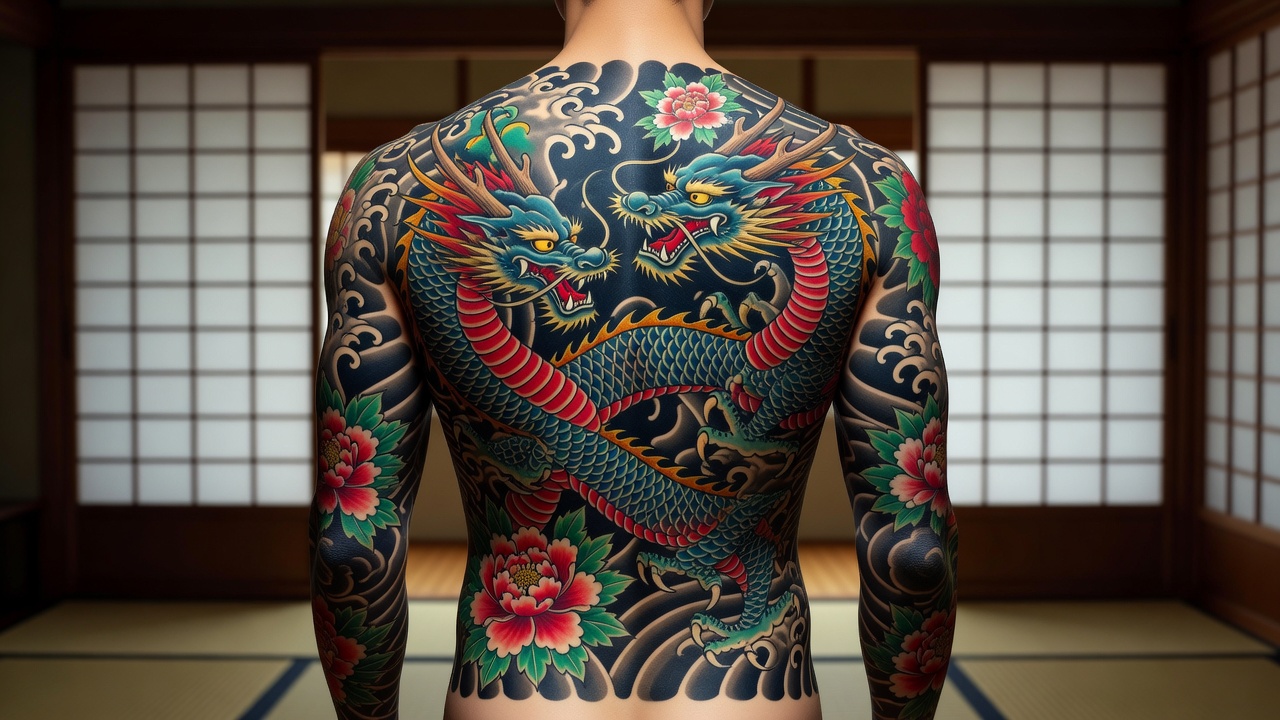
These elements are typically combined in full-body suits called 'suits' that tell a cohesive spiritual narrative, flowing seamlessly from shoulders to ankles in harmonious compositions.
Evolution of Irezumi into 2026
By 2026, irezumi has adapted with modern tools while preserving traditional techniques like tebori hand-poking. Artists now blend digital planning with ancient motifs, allowing for personalized spiritual expressions that respect cultural authenticity. Global awareness has led to hybrid styles, yet purists emphasize using only licensed practitioners familiar with historical meanings. Online communities and apprenticeships help transmit knowledge, ensuring motifs retain their original spiritual potency amid contemporary interpretations.
Learn more about tattoo history from Britannica. This evolution also includes greater emphasis on sustainability, with natural inks gaining popularity among those seeking eco-conscious spiritual connections.
Comparisons with Other Global Tattoo Traditions
Irezumi differs markedly from Polynesian tattoos, which focus on genealogy and status through geometric patterns, or Maori ta moko that encode personal and tribal identity in facial and body markings. In contrast, Thai Sak Yant tattoos incorporate Buddhist prayers for protection, similar to irezumi's talismanic qualities but using sacred script and geometric yantras applied in ritual ceremonies.
Native American traditions often feature animal spirits for guidance, paralleling irezumi's use of mythical creatures like dragons and tigers. Indian mehndi offers temporary spiritual adornment for rituals, highlighting how irezumi stands out for its permanence and narrative depth across large body surfaces. These comparisons underscore the importance of cultural context when selecting designs that align with personal spirituality.
Real-World Examples of Meaningful Placements
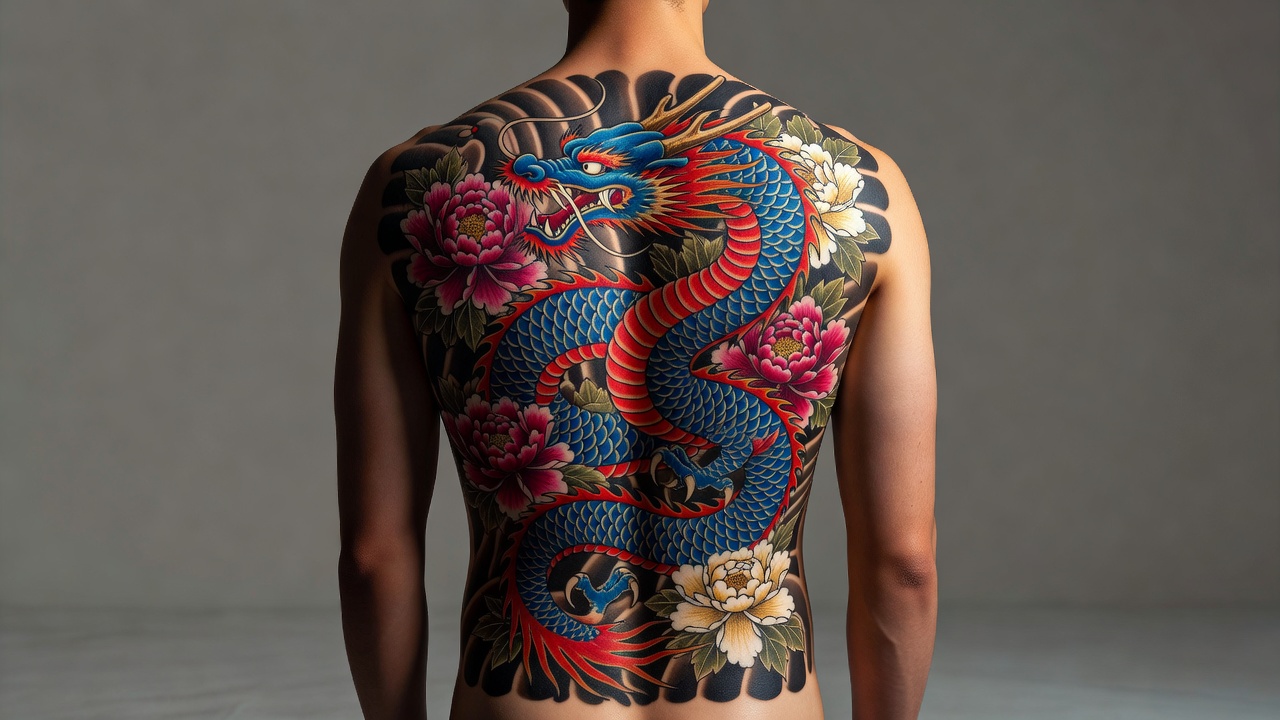
Placement in irezumi is spiritually significant. The back represents strength and protection, ideal for large dragon designs that wrap around the spine for energetic alignment. Arms and legs often host flowing elements like waves to symbolize life's journey and resilience in daily movement. Chest placements near the heart emphasize emotional or spiritual core values, such as a lotus for inner peace and enlightenment.
One example involves a client choosing a tiger on the thigh for courage during recovery from illness, aligned with Shinto warrior spirits that provide ongoing protection. Another features a phoenix wrapping around the ribcage to mark personal rebirth after loss. A third client placed a series of peonies and waves along the forearm to represent professional growth and adaptability in a new career path, creating a daily reminder of perseverance.
Steps for Selecting Spiritually Aligned Designs
- Reflect on personal intentions and research motif meanings deeply through reputable cultural sources before any consultation.
- Consult a knowledgeable irezumi artist who understands cultural context and can advise on authentic symbolism and placement harmony.
- Consider body flow and how designs interact with movement for energetic harmony, ensuring the tattoo supports rather than disrupts natural energy lines.
- Start small with a single motif before committing to larger pieces, allowing time to integrate the spiritual experience gradually.
- Ensure respect by avoiding appropriation—opt for authentic sources, support traditional artists, and avoid trendy dilutions that strip meaning.
Explore Japanese art influences at The Met. Taking these steps helps create tattoos that serve as lifelong spiritual companions.
Mistakes to Avoid When Pursuing Irezumi
Common pitfalls include rushing into designs without understanding symbolism, leading to mismatched energy. Another error is selecting flash art from non-traditional sources that lack depth. Always verify artist credentials and avoid mixing incompatible motifs that disrupt the intended spiritual narrative.
Conclusion
Irezumi offers a pathway to spiritual expression through cultural tattoos rich in tradition. By honoring origins and selecting with intention, practitioners in 2026 can connect deeply with this living art form, fostering personal growth and cultural appreciation.
FAQ on Respecting Traditions
How can I ensure my irezumi design respects Japanese culture? Work with artists trained in traditional methods and study symbolism thoroughly beforehand through verified resources.
Is it appropriate for non-Japanese people to get irezumi? Yes, when approached with education, respect, and avoidance of sacred or restricted motifs without proper guidance from cultural experts.
What should I avoid when choosing motifs? Steer clear of gang-associated symbols and prioritize personal spiritual resonance over aesthetics alone to maintain authenticity.
How long does a traditional irezumi session typically last? Sessions can span multiple hours or years for full suits, emphasizing patience as part of the spiritual commitment.
Can irezumi be combined with other tattoo styles? While possible, it is best kept pure to preserve the integrity of its sacred meanings unless guided by an experienced master.
No comments yet. Be the first!