 Inked Mythos
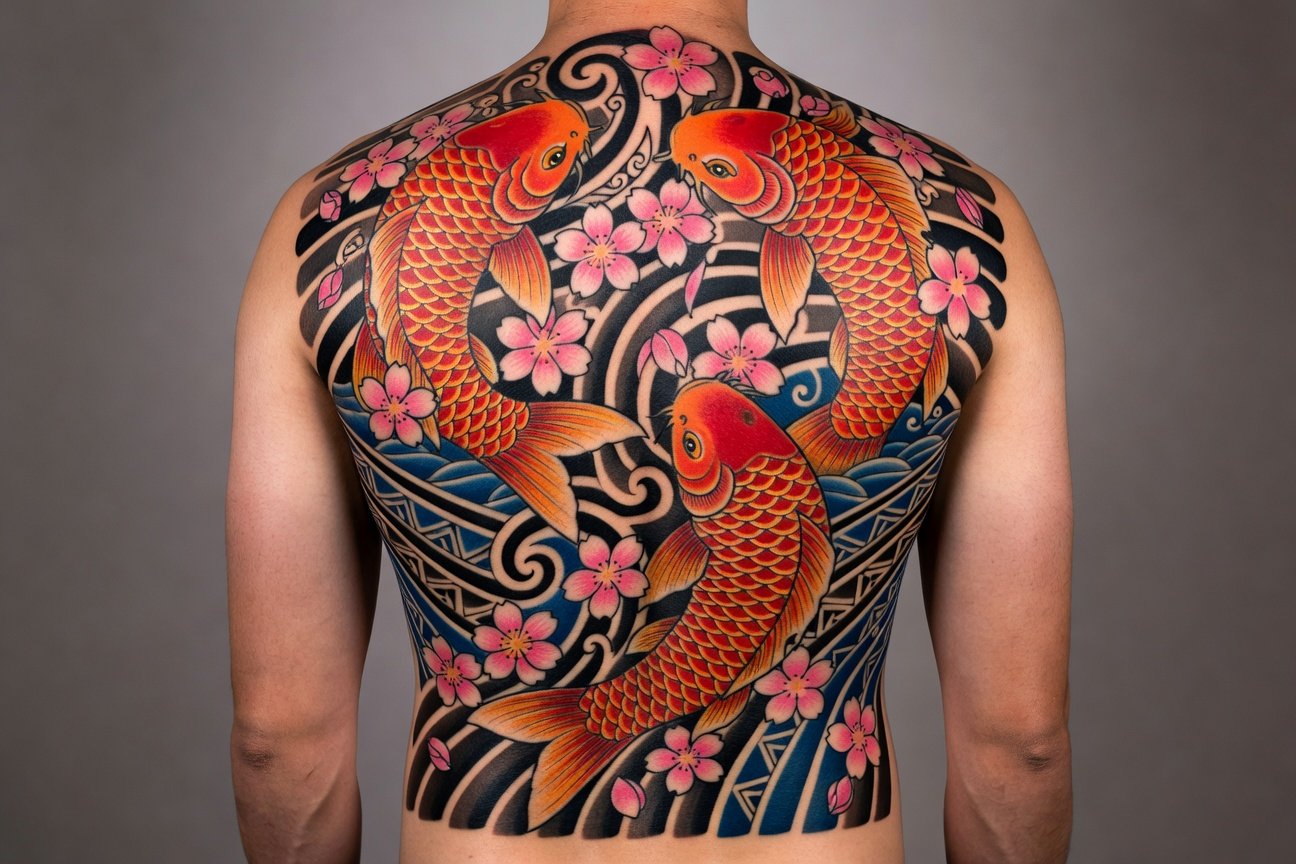
Introduction to Irezumi and Cross-Cultural Tattoo Fusions
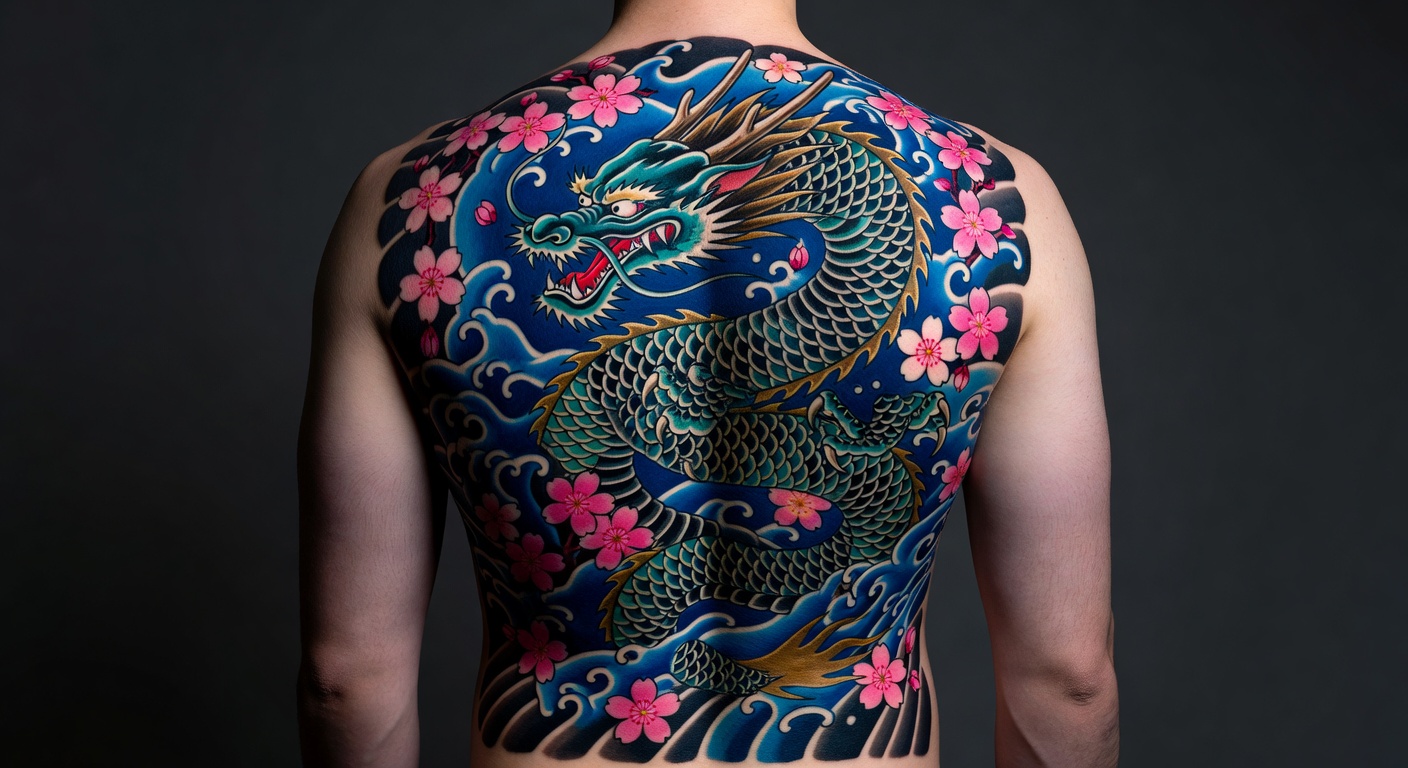
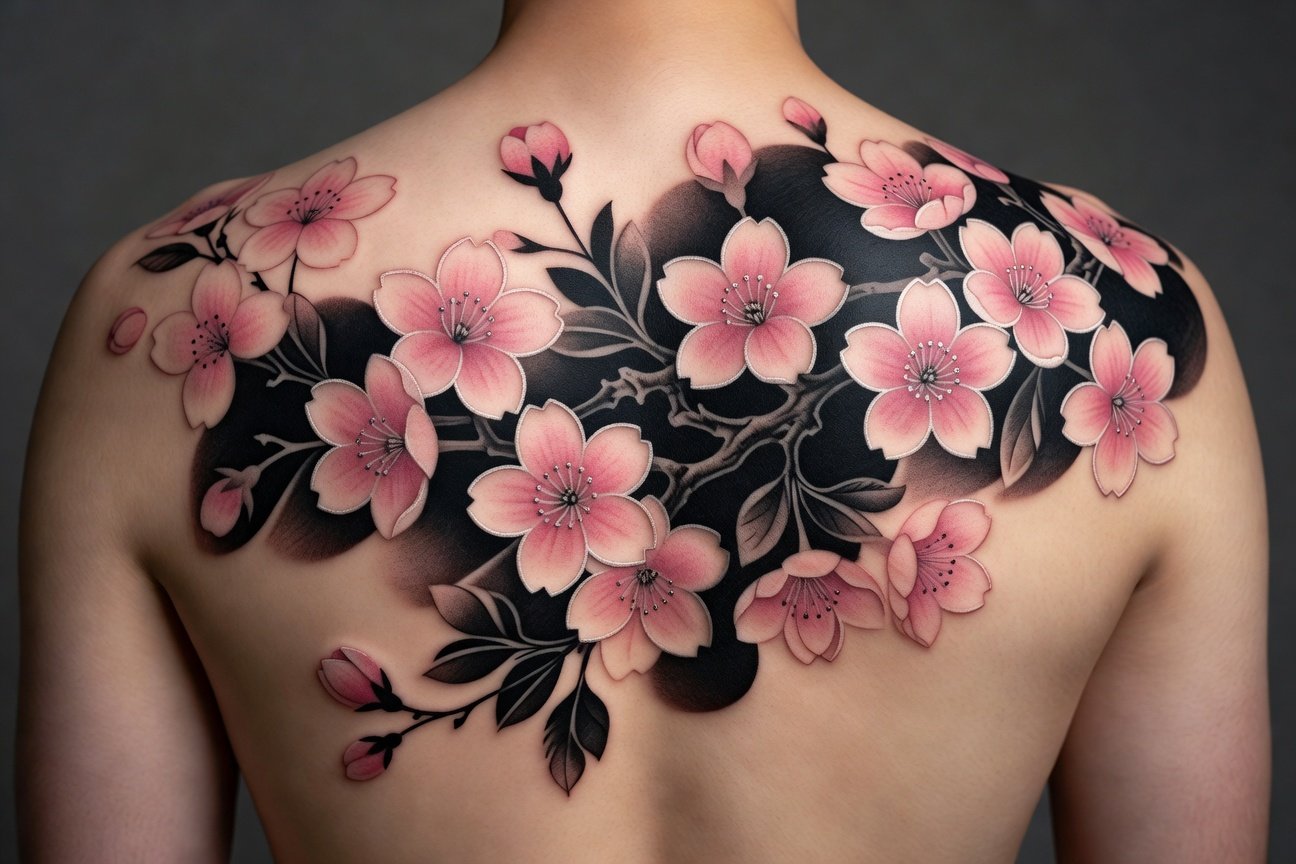
Irezumi, the traditional Japanese art of tattooing featuring bold lines, vibrant colors, and symbolic motifs like koi fish, dragons, and cherry blossoms, continues to evolve in 2026. Artists worldwide are integrating irezumi elements with diverse cultural tattoo styles through careful, respectful fusions rather than appropriation. This approach honors the deep histories of each tradition while adapting to contemporary aesthetics and personal narratives. The growing interest stems from a desire to connect with heritage in meaningful ways amid increasing globalization and cultural exchange.
The search for evolving tattoo history and cross-cultural appreciation drives interest in these blends. In an era of global connectivity, enthusiasts seek designs that preserve authenticity while reflecting multicultural identities. Fusion tattoos allow individuals to express layered personal stories, such as combining ancestral symbols from multiple heritages. This article explores historical influences, ethical frameworks, real-world artist examples, and actionable planning strategies to guide respectful fusions that stand the test of time.
Historical Influences of Traditional Ink on Modern Designs
Irezumi traces its roots to Edo-period Japan, where it served as both punishment and artistic expression. Over centuries, it absorbed influences from Chinese and Korean tattoo practices before developing its distinct aesthetic of full-body suits and flowing compositions. In the modern era, these elements have traveled globally, merging with indigenous styles from the Pacific, Americas, and beyond through migration, trade, and artistic exchange.
Early 20th-century sailors and travelers carried irezumi motifs to Polynesia and Southeast Asia, sparking initial hybrid experiments that laid groundwork for today's fusions. By the 1980s and 1990s, tattoo conventions facilitated exchanges between Japanese masters and Western artists, leading to innovative cross-pollinations. Today in 2026, digital platforms accelerate this dialogue, enabling precise adaptations of motifs such as irezumi waves combined with Celtic knotwork or Native American thunderbirds. Museums like the Metropolitan Museum of Art document these evolutions in their collections of East Asian art, highlighting how traditional techniques inform contemporary practice.
These fusions thrive when grounded in research. Understanding the original cultural meanings—irezumi's emphasis on resilience and nature—ensures modern designs retain symbolic integrity rather than becoming superficial decoration. Historical texts and archives reveal how irezumi adapted foreign influences itself, providing a model for ethical blending today. For broader context on tattoo evolution, resources from Britannica offer insights into global ink traditions spanning millennia.
Ethical Considerations for Cultural Blending
Respect forms the cornerstone of any successful fusion. Artists and clients must prioritize consent, education, and collaboration with cultural representatives. Key principles include avoiding sacred symbols without permission and ensuring the final design does not distort original meanings or commodify traditions. In practice, this means investing time in learning the stories behind each motif before incorporating it.
Consultation with elders or cultural experts helps navigate sensitivities around specific designs. Documentation of the research process also demonstrates good faith and can serve as a reference for future projects. In 2026, many studios now require clients to submit a short cultural context statement before booking fusion sessions, fostering accountability across the industry. This step prevents misunderstandings and builds trust between all parties involved.
Common pitfalls include treating motifs as interchangeable fashion statements or rushing the design process without sufficient background knowledge. Instead, successful blends maintain visual hierarchy that lets each tradition breathe while creating a cohesive whole. Artists often recommend starting with smaller test pieces to explore compatibility before committing to larger works.
Examples from International Artists
Leading practitioners demonstrate how thoughtful fusions succeed across continents. Brazilian artist Paulo Oliveira merges irezumi koi with Amazonian geometric patterns, creating sleeve designs that honor both riverine symbolism and Japanese flow through layered shading and color gradients. In New Zealand, Maori-Irish artist Hana Ropata incorporates traditional ta moko elements alongside irezumi peonies, emphasizing ancestral strength through precise line intersections and negative space.
European studios in Berlin and Barcelona frequently host guest artists from Japan, resulting in back pieces that fuse irezumi bodysuit layouts with Scandinavian runic borders. These collaborations often appear at international tattoo festivals, showcasing live work that highlights mutual respect and technical mastery. One standout example involves a Canadian artist blending Pacific Northwest formline art with irezumi tigers, using negative space to echo both traditions' emphasis on spirit animals and natural power.
Additional cases include Australian artists fusing irezumi lotus flowers with Aboriginal dot patterns to represent personal journeys of growth, and South African tattooists combining irezumi dragons with Zulu beadwork motifs for protective symbolism. Clients report deeper personal connections when the design process includes storytelling sessions with cultural advisors, leading to tattoos that feel like living narratives rather than static images. These examples underscore the importance of ongoing dialogue in 2026's tattoo scene.
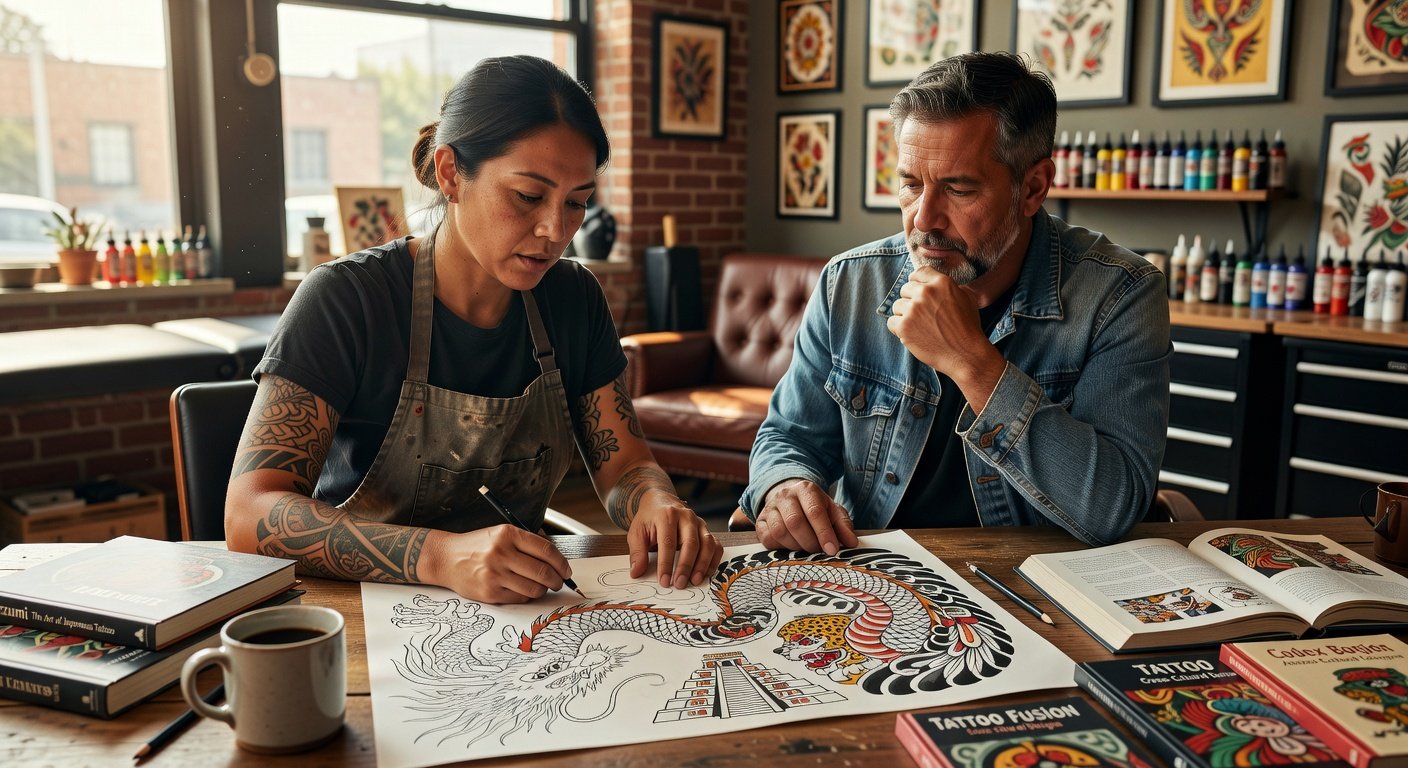
Step-by-Step Fusion Planning Tips
Planning a respectful irezumi fusion requires methodical preparation to avoid common errors. Follow these practical steps for a successful outcome:
- Research each cultural component thoroughly using museum archives, academic sources, and direct community input to understand symbolism and taboos.
- Identify core motifs from irezumi and the secondary tradition that share thematic resonance, such as water elements or protective figures, ensuring thematic alignment.
- Consult a primary artist skilled in irezumi alongside a specialist from the other culture for collaborative input on composition and technique.
- Sketch preliminary concepts that allocate visual weight proportionally to avoid dominance by one style, iterating based on feedback loops.
- Review the design with cultural liaisons and revise based on feedback, documenting changes for transparency.
- Schedule sessions allowing adequate healing time between cultural elements to maintain line clarity and color vibrancy.
- Prepare aftercare routines tailored to the blended inks and skin types involved, consulting professionals for personalized advice.
- Document the entire process for personal reflection and future reference, including photos and notes on decisions made.
These steps help transform abstract appreciation into tangible, meaningful artwork that respects origins while allowing creative expression. Additional considerations include budgeting for multiple consultations and selecting studios experienced in multicultural projects.
Frequently Asked Questions
Is it respectful to combine irezumi with other cultural tattoos?
Yes, when done through education, collaboration, and avoidance of sacred symbols without permission. Focus on shared themes rather than direct replication, and always seek guidance from knowledgeable sources within each culture.
How long does a typical fusion tattoo take to complete?
Timeline varies by size and complexity. Large back pieces often require multiple sessions spanning several months to allow proper healing and refinement between stages of the design.
What should I look for when choosing an artist for a fusion piece?
Seek artists with demonstrated experience in both traditions, strong portfolios of collaborative work, and transparent consultation processes that include cultural research and client education components.
Can fusion tattoos incorporate modern color palettes?
Contemporary palettes can enhance traditional inks provided the core line work and shading techniques remain authentic to each originating style, preserving the integrity of historical methods.
What are common misconceptions about irezumi fusions?
Many assume fusions are inherently disrespectful, but when executed with research and consent, they celebrate interconnected human stories. Another misconception is that they dilute traditions, whereas skilled artists often strengthen them through thoughtful adaptation.
Conclusion
Irezumi's integration with global tattoo traditions in 2026 represents an exciting chapter in the ongoing story of ink as cultural dialogue. By emphasizing historical context, ethical practice, and structured planning, enthusiasts can create designs that celebrate heritage while embracing innovation. Whether through artist collaborations or personal research, the path forward prioritizes authenticity and mutual respect, ensuring these fusions contribute positively to the rich tapestry of tattoo culture worldwide.
No comments yet. Be the first!