 Inked Mythos
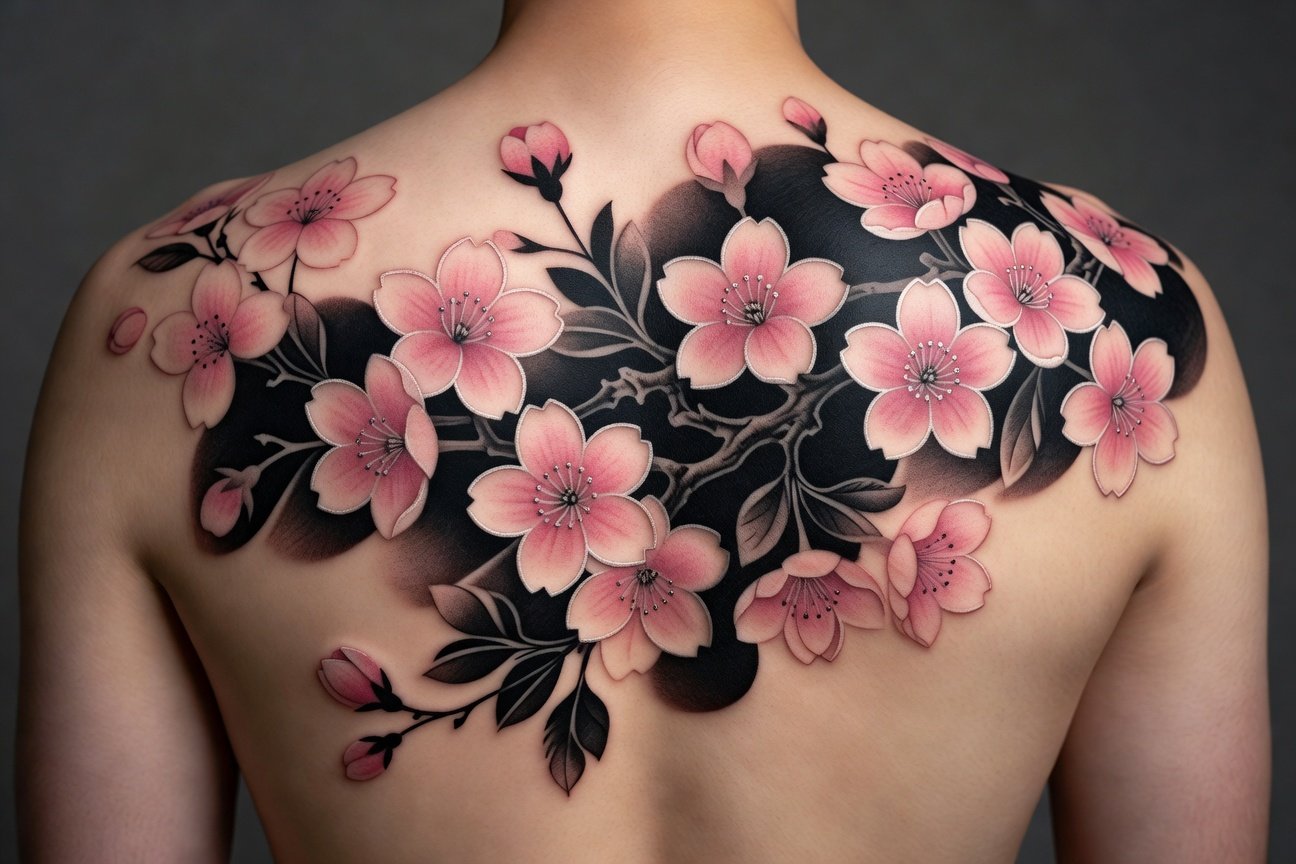
Introduction to Cherry Blossom Irezumi
Cherry blossoms, known as sakura in Japan, hold a special place in irezumi, the traditional Japanese tattoo art form that dates back centuries. These delicate flowers symbolize the fleeting nature of life, resilience, and renewal. In 2026, artists continue to innovate while honoring centuries-old techniques, blending heritage with modern aesthetics for meaningful body art that resonates with clients worldwide. Irezumi originated in the Edo period and evolved through various social contexts, from marking social status to expressing personal narratives. Cherry blossoms stand out for their emotional depth, often chosen to represent personal stories of change and strength. This article explores every facet of incorporating sakura into irezumi designs, providing practical guidance for those considering such meaningful ink.
Historical Background of Irezumi and Sakura Motifs
The practice of irezumi has deep roots in Japanese culture, initially used for decorative and punitive purposes before becoming a celebrated art form among certain communities. Cherry blossoms entered tattoo iconography during the 18th and 19th centuries, drawing inspiration from ukiyo-e woodblock prints that captured the ephemeral beauty of spring. These motifs quickly became popular because they encapsulated core Japanese philosophical ideas about life's impermanence. Over time, sakura designs evolved from simple outlines to complex, multi-layered compositions that could span entire limbs or torsos. Today, enthusiasts study historical references to ensure authenticity in their chosen artwork.
The Profound Symbolism of Sakura in Japanese Heritage
Cherry blossoms embody transience because they bloom briefly each spring before falling to the ground in a shower of petals. This mirrors Buddhist concepts of impermanence and encourages acceptance of life's natural cycles. In irezumi, a single petal or full branch can convey acceptance of life's cycles, reminding the wearer that beauty exists even in endings. Resilience appears in the flower's ability to thrive despite harsh winters, making it a powerful motif for overcoming adversity, loss, or personal challenges. Renewal themes connect to seasonal rebirth, symbolizing hope and fresh starts. Many wearers select cherry blossom irezumi after major life events like career shifts, relationships, or personal growth milestones. These tattoos serve as daily reminders of beauty in brevity and the strength found in moving forward.
2026 Design Innovations in Cherry Blossom Irezumi
Contemporary artists incorporate subtle gradients and micro-shading for hyper-realistic petals that appear to flutter on the skin. New color palettes mix traditional hues with metallic accents that catch light dynamically, creating depth and movement. Fusion styles pair sakura with geometric patterns or minimalist line work for clients seeking subtle yet profound designs. Digital design tools now allow precise previews, helping clients visualize how ink ages on skin over decades. Some studios experiment with UV-reactive inks that add a modern twist visible under specific lighting, though traditionalists prefer classic applications. These innovations respect cultural origins while appealing to a global audience interested in personalized expressions of heritage.
Style Variations and Traditional Ink Color Palettes
Classic tebori hand-poked styles deliver soft, organic edges ideal for sakura clusters that mimic natural petal fall. Machine work offers sharper details for larger compositions spanning backs or sleeves. Color choices typically include soft pinks, deep reds, and muted greens for leaves and branches. Black and gray versions provide elegant contrast for those preferring monochrome aesthetics that age gracefully. Artists often layer translucent washes to achieve the luminous quality of real blossoms under sunlight. Clients may request variations such as wind-swept branches or clustered blooms to match their personality and body shape.
Optimal Body Placements for Cherry Blossom Tattoos
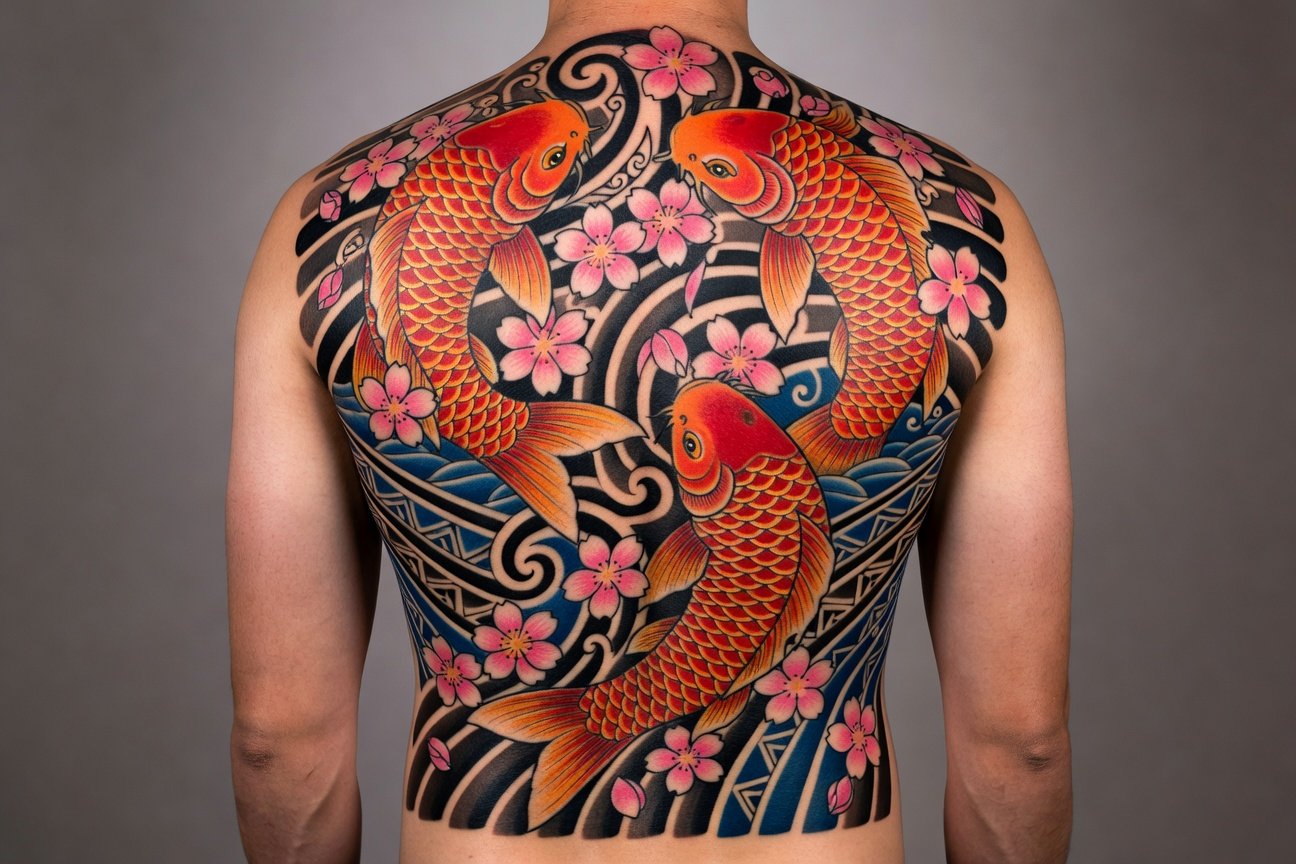
Back pieces allow expansive scenes with falling petals across the shoulders and down the spine, creating dramatic visual impact. Rib cages suit intimate, curving branches that follow natural body lines and remain partially hidden for personal meaning. Forearms and calves offer visible yet versatile spots for smaller motifs that can be expanded later. Placement should consider how skin stretches and ink settles over time, especially in areas prone to movement. Larger designs benefit from torso or thigh locations where the artist has ample canvas for intricate details and negative space.
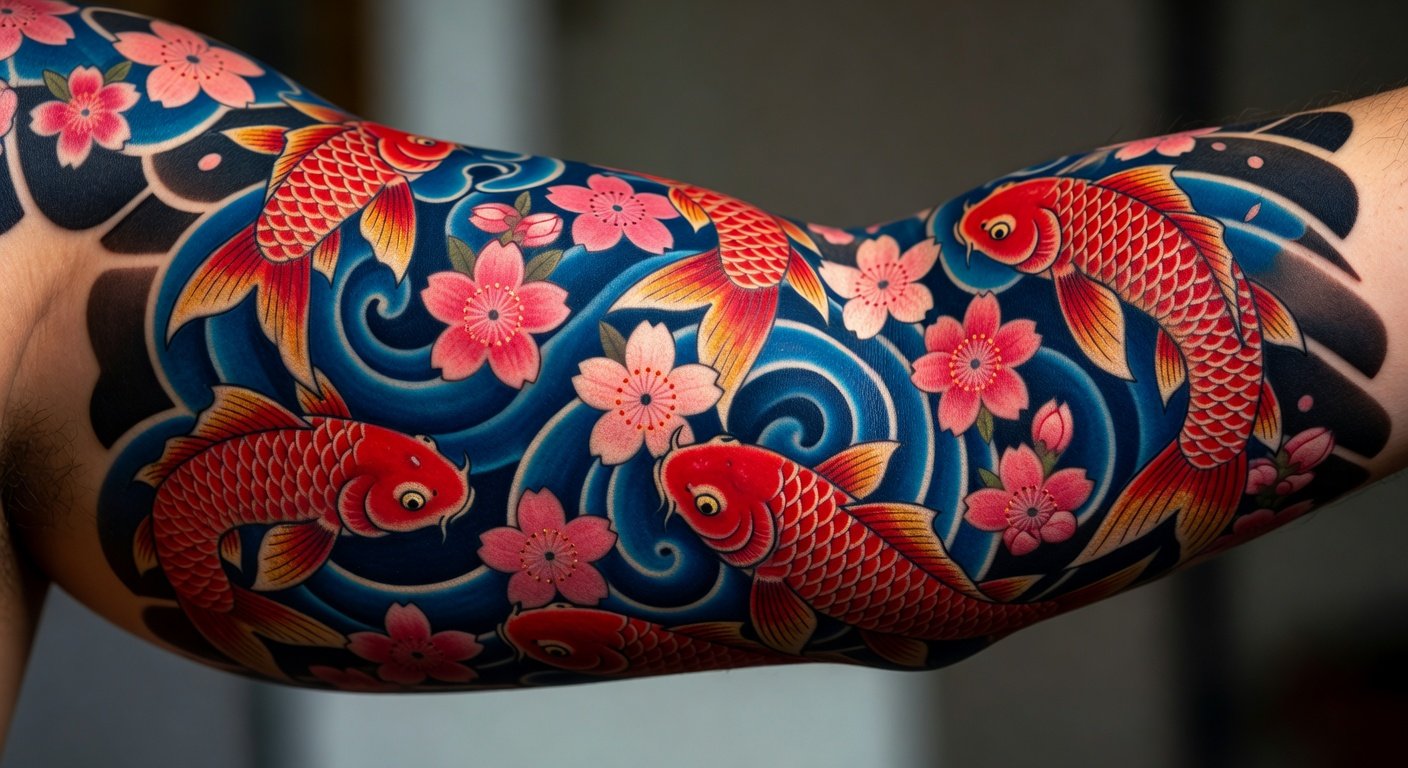
Blending Cherry Blossoms with Other Irezumi Motifs
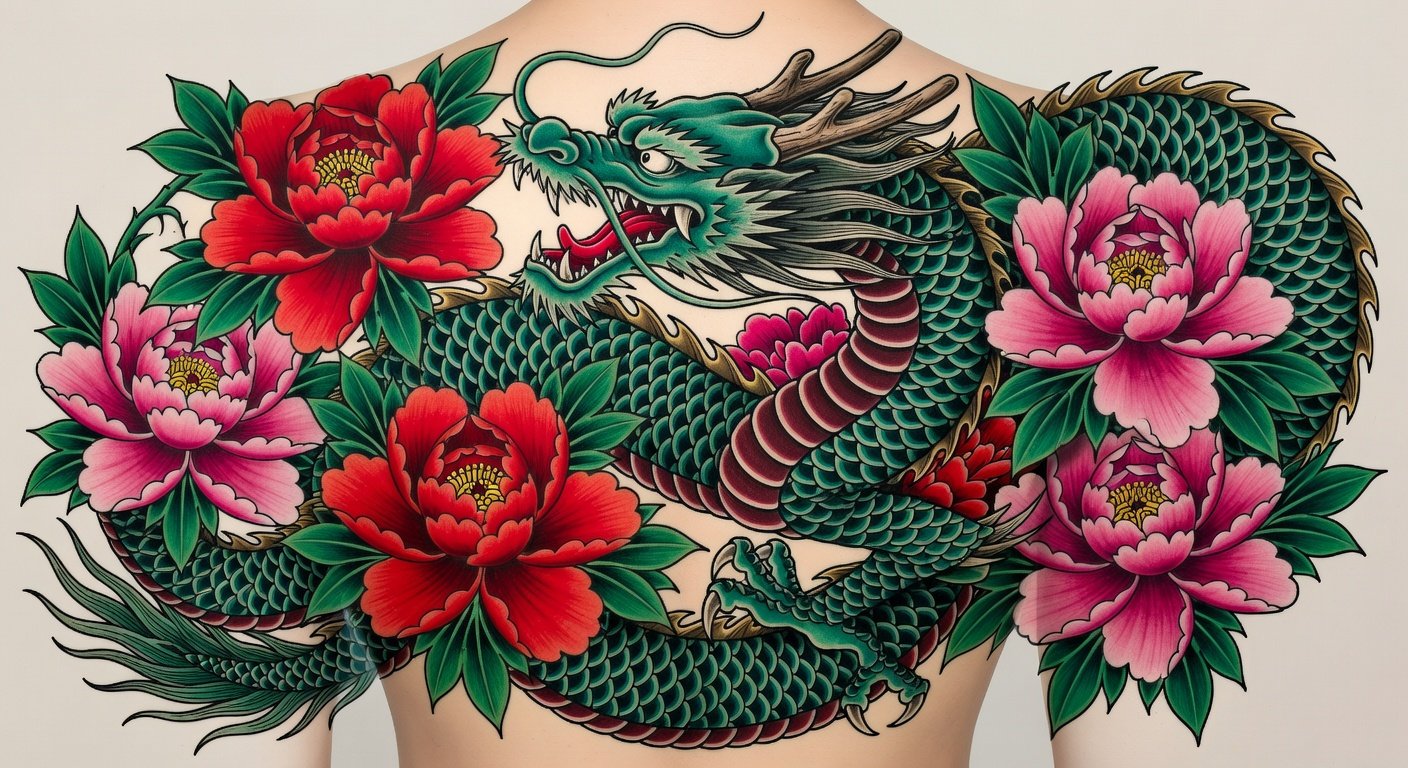
Sakura pairs beautifully with koi fish to represent perseverance and good fortune, creating stories of struggle leading to transformation. Dragons add power and protection, while waves symbolize life's constant flow and challenges. Peonies often join for themes of prosperity, honor, and romantic love. These combinations create layered narratives unique to each wearer, allowing for deeply personal interpretations. For example, a design might show blossoms emerging from stormy waters to illustrate hope after difficulty.
Real-World Tattoo Examples and Client Stories
One client chose a half-sleeve featuring cherry blossoms intertwined with a rising phoenix, marking recovery from illness and symbolizing rebirth. Another opted for a delicate neck piece with scattered petals that represents the loss of a loved one and the ongoing journey of healing. A full-back composition with sakura and temple elements served as a tribute to Japanese ancestry for a third-generation descendant. These examples highlight how individual stories shape the final artwork, turning generic motifs into powerful personal talismans.
Comparisons to Similar Floral Designs in Other Cultures
Compared to Western rose tattoos, sakura designs emphasize subtlety and philosophical depth over bold romantic statements. Unlike lotus motifs common in South Asian traditions that focus on purity and enlightenment, Japanese cherry blossoms highlight impermanence and seasonal change. Peony tattoos in Chinese-influenced styles often convey wealth and status, whereas sakura remains tied to humility and the acceptance of fleeting moments. Understanding these distinctions helps clients select designs that align with their intended message and cultural respect.
Practical Steps for Selecting Respectful, Authentic Artwork
First, research artists who specialize in traditional Japanese techniques and have documented experience with irezumi heritage. Second, schedule consultations to discuss personal meaning, symbolism, and how the design fits your body. Third, review portfolios for consistent line quality, color theory, and attention to historical accuracy. Fourth, verify studio hygiene standards and aftercare protocols. Fifth, consider multiple sessions for larger pieces to allow proper healing between stages. Always prioritize studios with strong reputations for cultural sensitivity.
Common Mistakes to Avoid When Commissioning Sakura Irezumi
Avoid choosing flash designs without personalization, as they may lack the depth that makes irezumi meaningful. Do not rush the artist selection process; experienced practitioners often have waiting lists. Steer clear of over-saturating the design with too many elements, which can dilute the sakura's elegant simplicity. Ensure proper sizing relative to body area to prevent distortion as the tattoo ages.
Aftercare and Long-Term Maintenance
Proper aftercare begins immediately after the session with gentle cleaning and moisturizing using recommended products. Avoid sun exposure during healing to preserve color vibrancy. Long-term, apply sunscreen regularly and schedule touch-ups every few years if needed. Clients who follow these steps enjoy artwork that remains crisp and colorful for decades.
Conclusion
Cherry blossom irezumi remains a timeless choice that connects wearers to Japanese heritage while allowing personal expression. With thoughtful planning and respect for tradition, these tattoos become cherished symbols of life's beauty and strength. Whether you seek a small accent or an elaborate full-body piece, understanding the symbolism and process ensures a result that feels authentic and enduring.
Frequently Asked Questions
How should I care for a new cherry blossom irezumi tattoo?
Follow your artist's specific instructions, which usually include keeping the area clean, applying fragrance-free moisturizer, and avoiding tight clothing or submerging in water during the initial healing phase of two to four weeks.
What cultural considerations matter when choosing sakura ink?
Respect the tradition by collaborating with knowledgeable artists who understand historical context. Learn the symbolism beforehand to ensure your design reflects genuine appreciation rather than fleeting trends.
Where can I find skilled irezumi artists?
Seek specialists through established tattoo conventions, verified portfolios, or cultural resources such as Japan Travel. Always verify experience with traditional methods before committing.
How do cherry blossom designs age over time?
With proper care and occasional touch-ups, sakura tattoos maintain their vibrancy. Fading occurs naturally but can be minimized through sun protection and quality ink choices.
Can I combine cherry blossoms with modern elements?
Yes, many 2026 designs successfully blend traditional sakura with contemporary touches like geometric accents, provided the core cultural respect remains intact.
No comments yet. Be the first!