 Inked Mythos
The Timeless Allure of Dragon Motifs in Irezumi
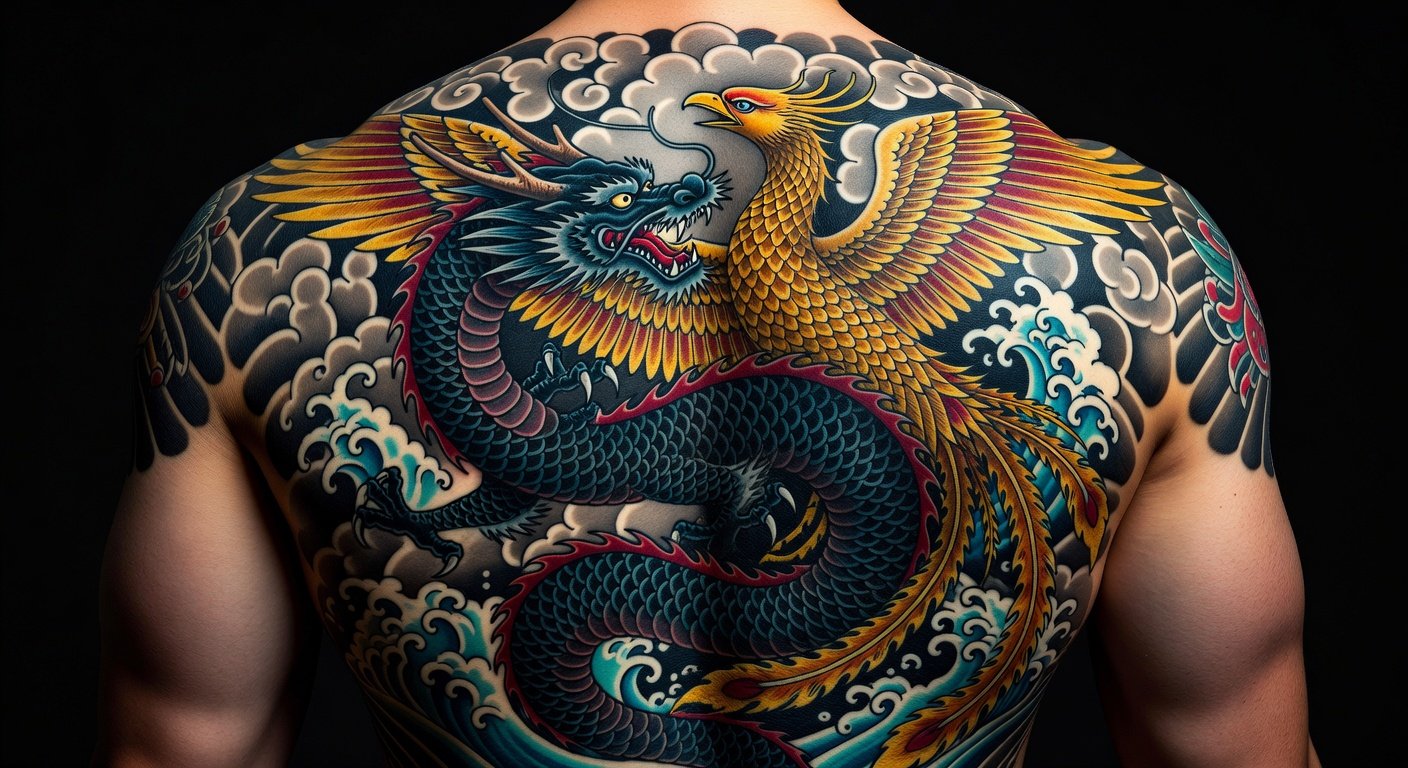
Dragons have long captivated imaginations worldwide, but in Japanese irezumi—the traditional art of full-body tattoos—they hold a particularly revered place. Irezumi dragons symbolize power, wisdom, and protection, weaving through the skin like mythical guardians. Originating from ancient folklore, these serpentine beasts embody the ryū, or imperial dragons, distinct from their Western fire-breathing counterparts. This article delves into their symbolism, tattooing history, classic techniques, and how skilled artisans are evolving irezumi for modern tastes in 2026 while honoring cultural roots.
Irezumi isn't just ink; it's a narrative etched into the flesh, often covering the entire torso in a horimono (body suit). Dragons frequently anchor these expansive designs, coiling around koi fish, cherry blossoms, or waves to tell stories of perseverance and transformation.
Historical Roots of Dragons in Irezumi
The history of irezumi traces back over 12,000 years to Japan's Jōmon period, where clay figurines bore tattoo-like markings. By the Edo period (1603–1868), tattoos evolved from decorative punishment marks for criminals to badges of honor among firefighters (machi-bikeshi) and later the yakuza underworld. Dragons entered irezumi prominently during this era, inspired by Chinese mythology imported via Buddhism.
Criminal associations led to a 1872 government ban, driving irezumi underground. Post-WWII, it resurged globally, but in Japan, stigma persists. For deeper historical context, explore the evolution on Wikipedia's Irezumi page.
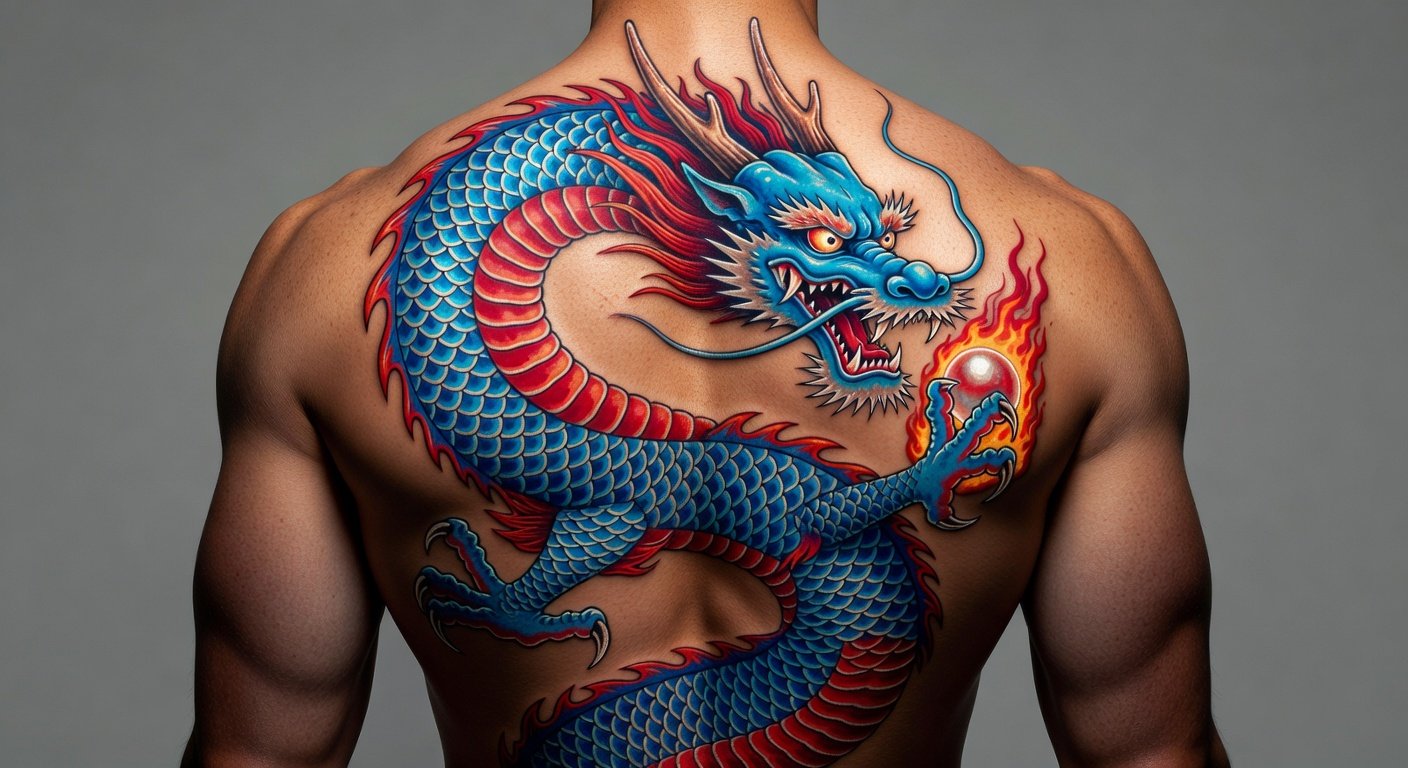
Classic dragon designs feature elongated bodies with three claws (imperial style), flowing whiskers, and pearl-clutching jaws—symbols drawn from Shintō lore where dragons control water and weather.
Symbolism: Layers of Meaning in Dragon Tattoos
In irezumi, dragons aren't mere decoration; they're profound symbols:
- Power and Strength: Coiling dynamically, they represent unyielding force against adversity.
- Protection: Often positioned over vital areas, warding off evil spirits.
- Transformation: Paired with koi (symbolizing perseverance), echoing the legend of the dragon gate where carp ascend waterfalls to become dragons.
- Balance: Yin-yang duality, blending ferocity with benevolence.
Female dragons might appear more ethereal, while males are bolder—tailoring symbolism to the wearer's life story. For tattoo enthusiasts, understanding these layers ensures respectful adoption beyond aesthetics.
Classic Irezumi Techniques: The Art of Tebori
Traditional irezumi relies on tebori (hand-poking), using charcoal-based sumi ink and bundled needles. Artisans, or horishi, spend months on a single back piece, layering colors from black outlines to vivid reds and blues derived from natural pigments.
Dragon scales are meticulously shaded with karakusa (arabesque) patterns, claws rendered in fine lines for texture. Sessions occur in dimly lit parlors, accompanied by the rhythmic tapping of the teki-bori tool. This labor-intensive method contrasts modern machines but yields unparalleled depth.
Key techniques include:
- Boshin: Outlining the bold contours.
- Kake: Filling with color gradients.
- Shading (bokashi): Soft transitions mimicking fur or mist.
Modern Adaptations: Irezumi Meets 2026 Trends
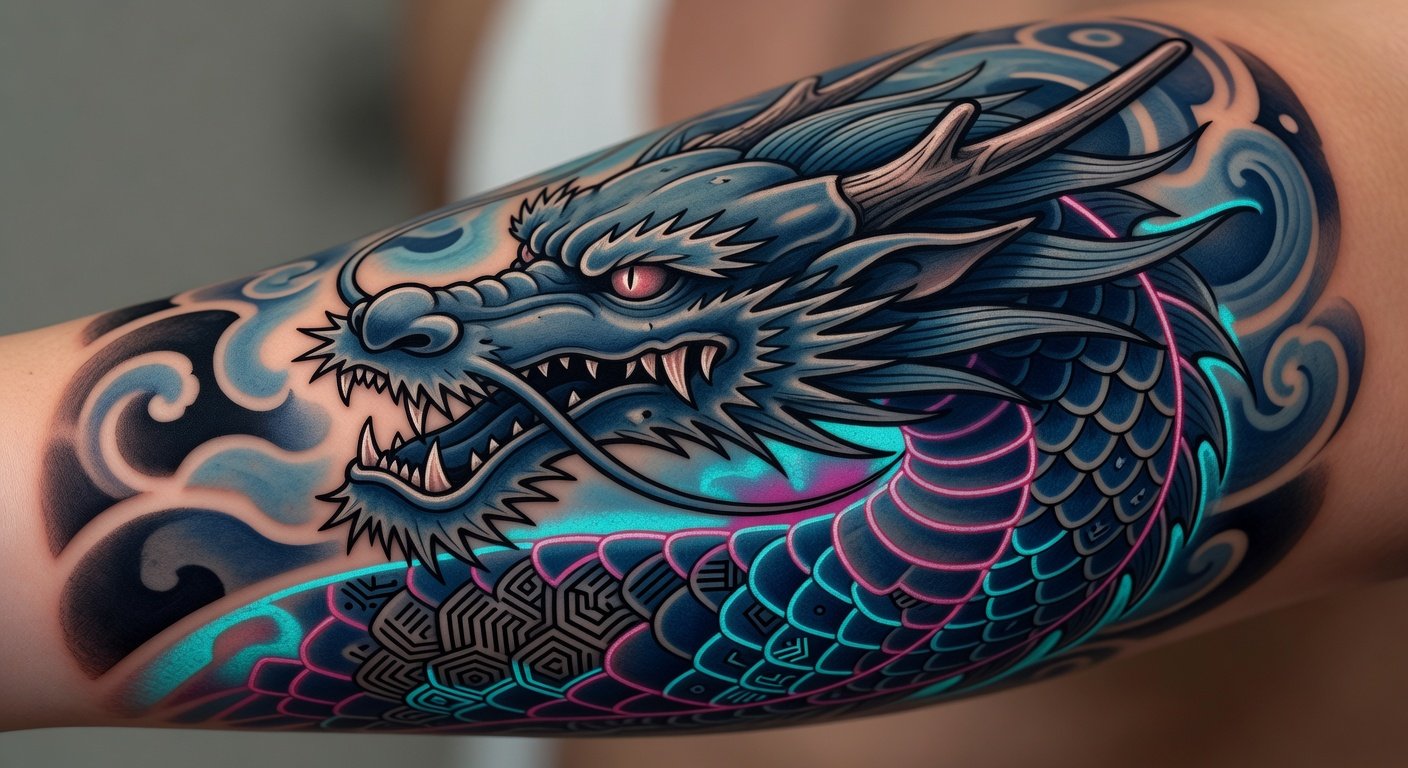
In 2026, neo-irezumi thrives, blending tradition with contemporary flair. Artisans like Horiyoshi III's successors use electric needles for precision while mimicking tebori textures. Neo-traditional styles shrink dragons for sleeves or thighs, incorporating surrealism—think dragons with cyberpunk neon accents or biomechanical armor.
Sustainability drives change: vegan inks and hypoallergenic formulas replace sumi. Digital design software aids pre-sketches, ensuring symmetry on curved bodies. Yet, authenticity reigns; top studios mandate cultural consultations to avoid appropriation.
For global appeal, Western fusion emerges: dragons entwined with Celtic knots or minimalist linework. Check Britannica's overview of tattoo evolution at Britannica for broader insights.
Real-World Examples of Iconic Dragon Irezumi
Legendary pieces include Jake Adelstein's yakuza back tattoos, documented in his books—massive azure dragons battling amid storms. Modern icons: Horitomo's collaborations with celebrities, like a sleeve dragon on Post Malone fusing irezumi with American traditional bold lines.
In Japan, the annual Yokohama tattoo convention showcases hybrids: a 2025 winner featured a ryū emerging from a glitch-art portal, preserving scale intricacy. Internationally, studios like Tokyo's Queen's Tattoo export designs, with artists like Horiyoshi IV mentoring global talents.
Respectful Design Tips for Dragon Tattoo Enthusiasts
Getting inked demands respect:
- Research Artisans: Seek irezumi specialists via the Metropolitan Museum of Art's Asian art resources for inspiration, then certified horishi.
- Personalize Thoughtfully: Align symbolism with your journey—add waves for life's turbulence.
- Placement Matters: Back for epic scale; arm for visibility.
- Avoid Trends: Steer clear of cartoonish dragons; opt for authentic motifs.
- Cultural Sensitivity: Discuss yakuza connotations; many opt for non-criminal narratives.
Budget for multi-session work—quality trumps speed.
Embracing the Dragon's Legacy
Dragon irezumi bridges ancient myth and futuristic expression, a testament to tattooing's enduring evolution. Whether full-body epic or subtle nod, it invites wearers to embody the dragon's spirit: fierce, wise, eternal. As 2026 unfolds, this art form promises bolder innovations without losing its soul.
No comments yet. Be the first!