 Inked Mythos
Introduction to Two Iconic Tattoo Traditions
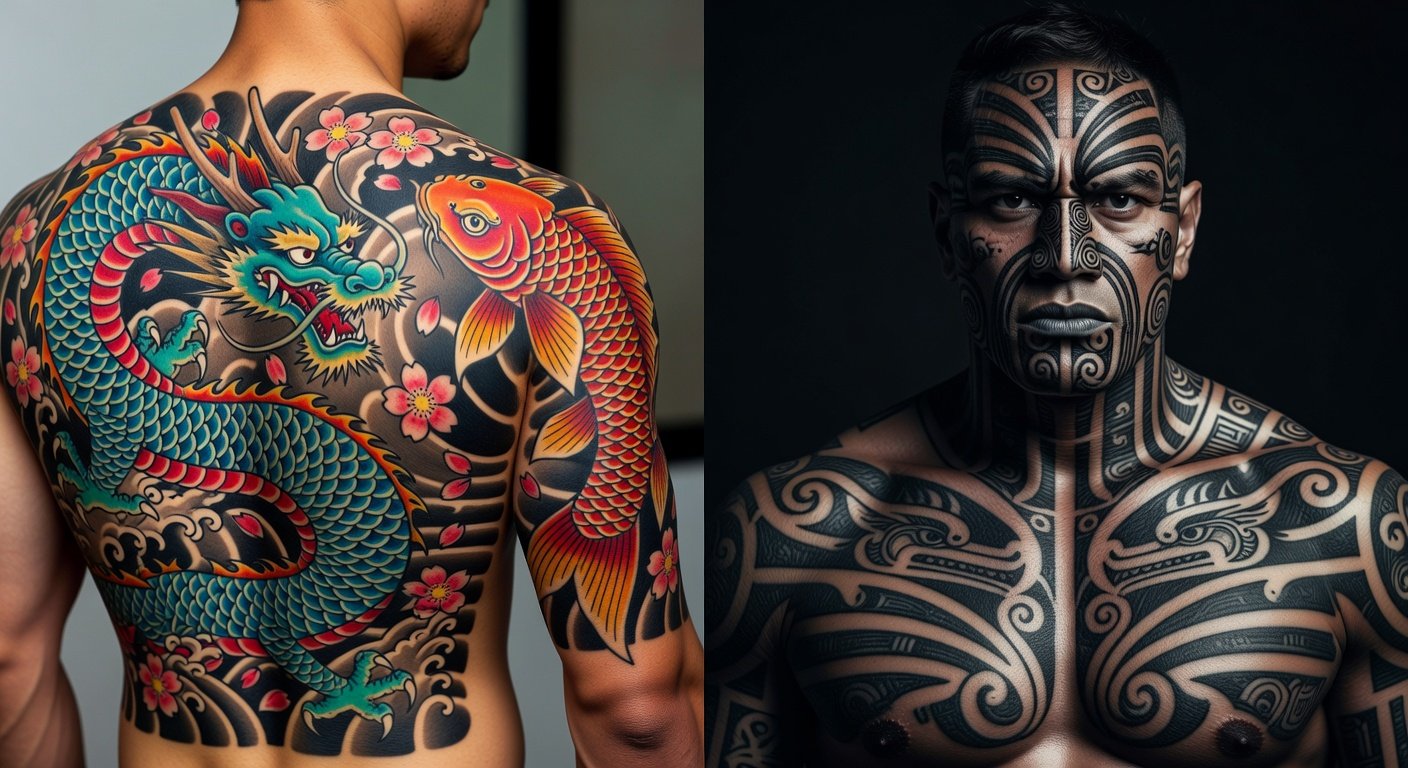
Japanese irezumi and Maori ta moko tattoos represent some of the world's most profound body art forms, each deeply rooted in history, spirituality, and identity. While irezumi evokes intricate dragons and cherry blossoms across full-body suits, ta moko features bold, spiraling motifs carved into the skin to tell personal and genealogical stories. This comparison dives into their historical origins, symbolic meanings, traditional techniques like tebori and ta moko, cultural significance, and the exciting fusion trends emerging in the 2026 global tattoo scene.
These tattoos aren't mere aesthetics; they're living archives of cultural heritage. As tattoos gain mainstream popularity, understanding their authentic roots helps enthusiasts appreciate respectful modern interpretations.
Historical Origins of Japanese Irezumi
Irezumi, often called traditional Japanese tattoos, traces back over 2,000 years. Archaeological evidence from the Yayoi period (300 BCE–300 CE) shows simple markings, but the art flourished during the Edo period (1603–1868). Criminals were tattooed as punishment, evolving into decorative full-body suits (horimono) among firefighters (bomberu) and laborers who admired their resilience.
Despite a 1871 government ban associating tattoos with yakuza crime syndicates, irezumi persisted underground. Post-WWII, it gained global intrigue through woodblock prints by artists like Utagawa Kuniyoshi, influencing Western perceptions. Today, for deeper insights, explore the Britannica entry on irezumi.
Historical Origins of Maori Ta Moko
Maori ta moko, the sacred art of facial and body tattooing from New Zealand's indigenous Polynesians, dates to around 1000 CE with Polynesian migration. Unlike decorative tattoos, moko was a rite of passage, signifying status, genealogy, and achievements. Legends credit the god Uetonga with inventing the technique using a fishbone chisel.
Captain Cook's 18th-century journals first documented moko for Europeans, but colonization brought suppression via missionary influences and the 19th-century Tohunga Suppression Act. Revival began in the 20th century, with the Maori Renaissance preserving the practice. Learn more from New Zealand's official history site at Te Ara Encyclopedia.
Symbolic Meanings in Irezumi and Ta Moko
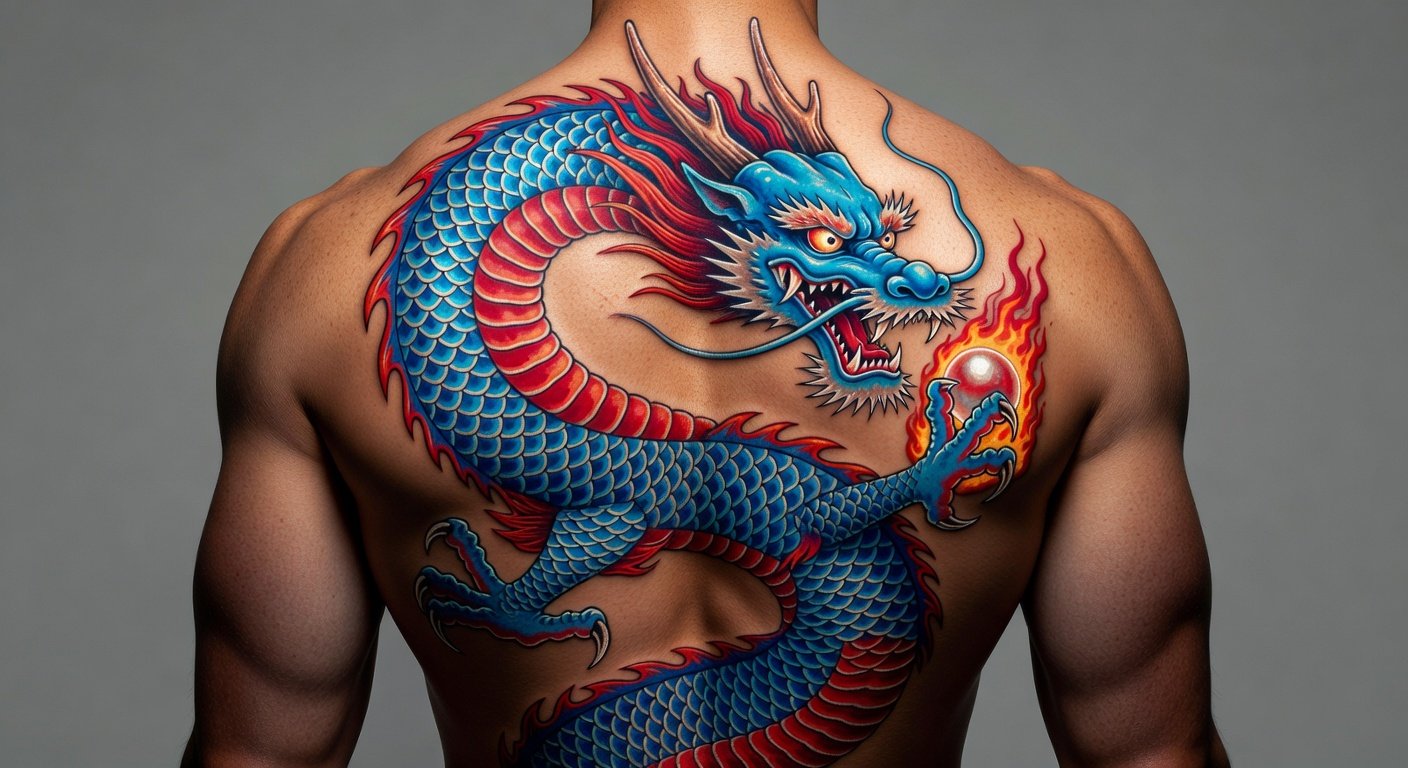
Irezumi symbolism draws from nature, mythology, and folklore. Dragons represent power and wisdom; koi fish symbolize perseverance (as they swim upstream to become dragons); cherry blossoms evoke life's transience; tigers ward off evil. Backgrounds like waves or clouds add elemental balance, creating narrative 'suits' that cover torsos, arms, and legs.
- Dragon (Ryu): Imperial strength and good fortune.
- Phoenix (Hou-ou): Rebirth and harmony.
- Peonies: Wealth and bravery.
Maori ta moko, by contrast, is hyper-personal. Each koru spiral denotes new life or ancestry; manaia guardians bridge human and spiritual realms; pukana eyes signify fierce challenge. Facial moko for men (chakau) covers from forehead to chin, encoding whakapapa (genealogy); women receive chin moko (moko kauae) symbolizing authority.
- Koru: Unfurling fern frond for growth.
- Hei-tiki: Fertility and ancestral protection.
- Rauru spiral: Personal knowledge and strength.
While irezumi is metaphorical and expansive, ta moko is biographical and territorial—unique to the bearer.
Traditional Techniques: Tebori vs. Ta Moko
Japanese tebori ('hand-poked') uses a bundle of silk-wrapped needles (tsubaki) tapped by a mallet (teki). Master horishi artists layer ink in sessions lasting hours, building color depth through subtle shading (bokashi). This labor-intensive method, sans electric machines, yields organic lines and suits taking years.
Maori ta moko employs uhi chisels from albatross bone or uku (dark pigment from burnt caterpillar fungus). The tohunga (expert) carves grooves, packing ink with a mallet—painful, scarring, and permanent. Modern revivals use safer pigments, but traditional moko kauae remains chisel-based for authenticity.
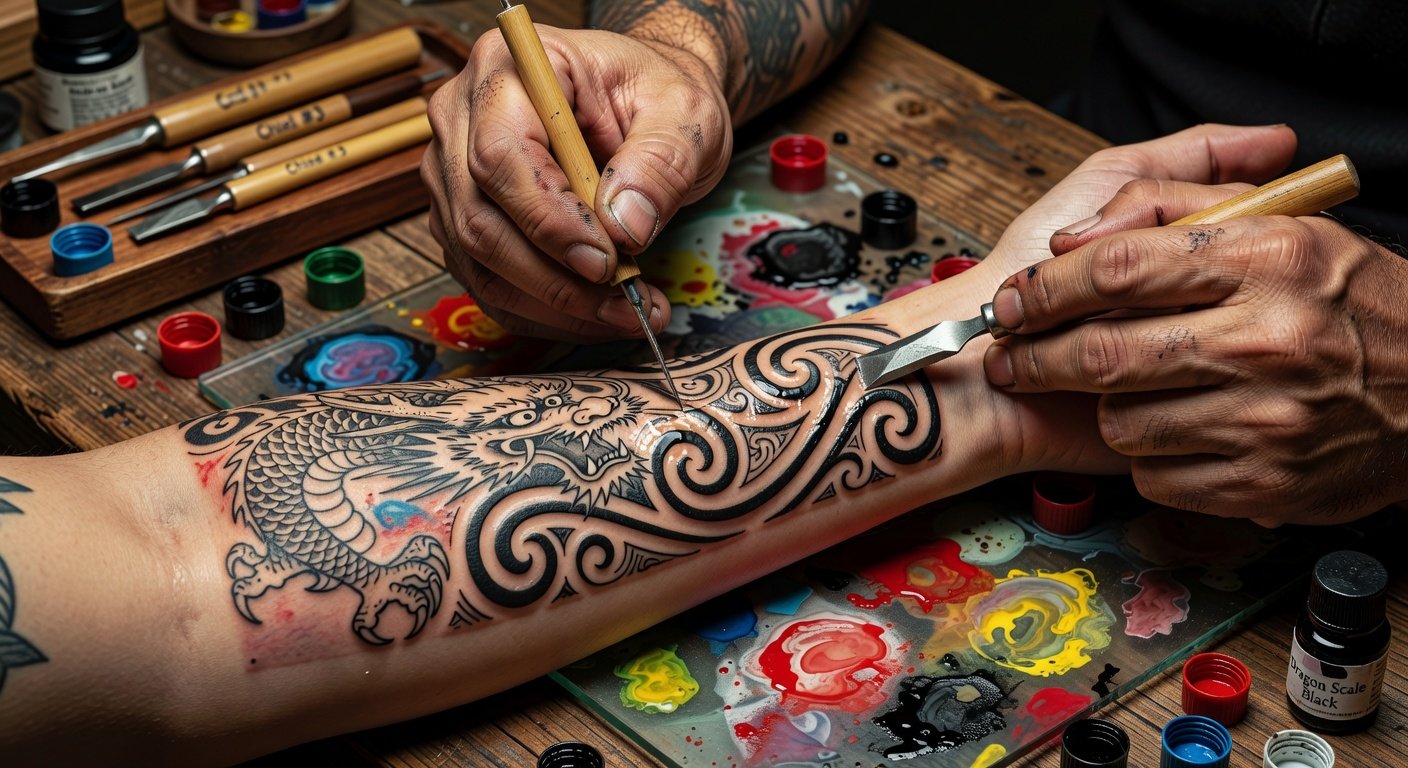
The chisel's scarring in ta moko contrasts tebori's smooth embedding, reflecting their philosophies: irezumi adorns the body; moko transforms it.
Cultural Significance Today
Irezumi embodies wabi-sabi imperfection and perseverance, once stigmatized but now celebrated in Japan via festivals like the Osaka Tattoo Convention. Yakuza influence lingers, requiring discretion in onsens (baths).
Ta moko asserts Maori identity amid colonization's scars, protected under the Treaty of Waitangi. It's taboo for non-Maori without permission, emphasizing cultural gatekeeping. Both arts combat appropriation, urging education over imitation.
Emerging Fusion Trends in the 2026 Global Tattoo Scene
By 2026, tattoo fusion thrives as artists blend irezumi's fluidity with ta moko's geometry. Neo-traditional hybrids feature koru-infused dragons or manaia koi, popular in urban studios from Tokyo to Auckland.
Real-world examples include New Zealand's Gordon Toi Hatfield, merging moko with Japanese motifs for Pacific clients. Japan's Horiyoshi III disciples experiment with Polynesian elements, while international artists like Auckland's Moana Maniapoto showcase blended sleeves. In LA and London, studios like Sacred Geometry Tattoo offer 'Pacific Irezumi'—tebori-applied ta moko patterns.
Social media accelerates this: Instagram reels of hybrid sessions garner millions of views, with AR apps previewing fusions. Ethical collaborations, like Maori-Japanese artist residencies, ensure respect. For broader trends, the Smithsonian's tattoo coverage highlights global evolutions.
These trends democratize access while honoring origins, appealing to Gen Z seeking meaningful ink.
Conclusion: Timeless Art in a Modern World
Irezumi and ta moko, from ancient chisels to fusion canvases, remind us tattoos transcend skin—they're cultural time capsules. Whether pursuing traditional or blended styles, prioritize artists versed in heritage. In 2026, this dialogue enriches the global tattoo renaissance, bridging East and Pacific worlds through ink.
No comments yet. Be the first!