 Inked Mythos
What is Irezumi? A Brief History
Irezumi, the traditional Japanese tattooing art, dates back centuries and carries deep cultural significance. Originating from ancient practices, it evolved through periods like the Edo era, where full-body suits became symbols of status among firefighters and later the yakuza. Unlike Western tattoos, irezumi emphasizes flowing, narrative designs that cover large body areas, often telling stories of strength, protection, and mythology.
For a deeper dive into its origins, check out the detailed overview on Wikipedia's Irezumi page.
Key Motifs: Dragons, Phoenixes, and More
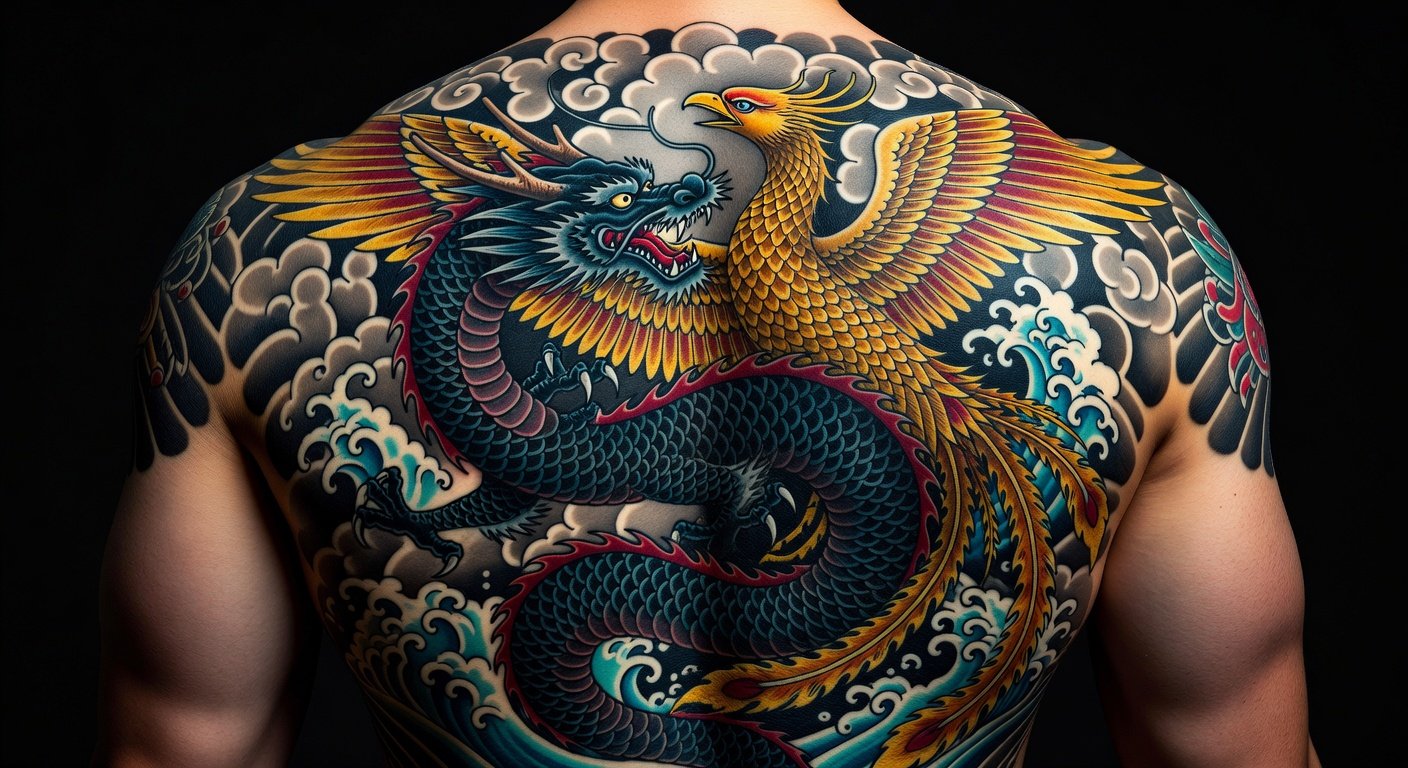
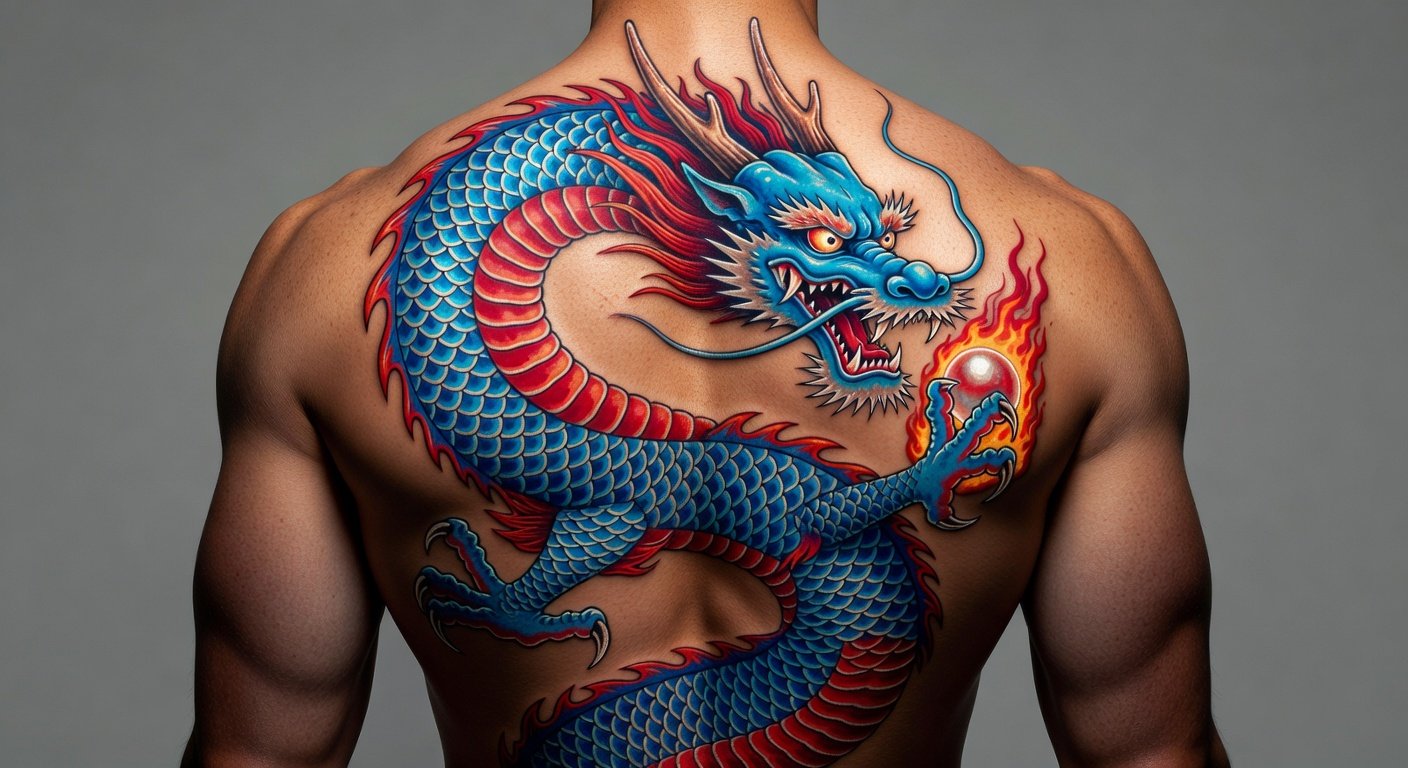
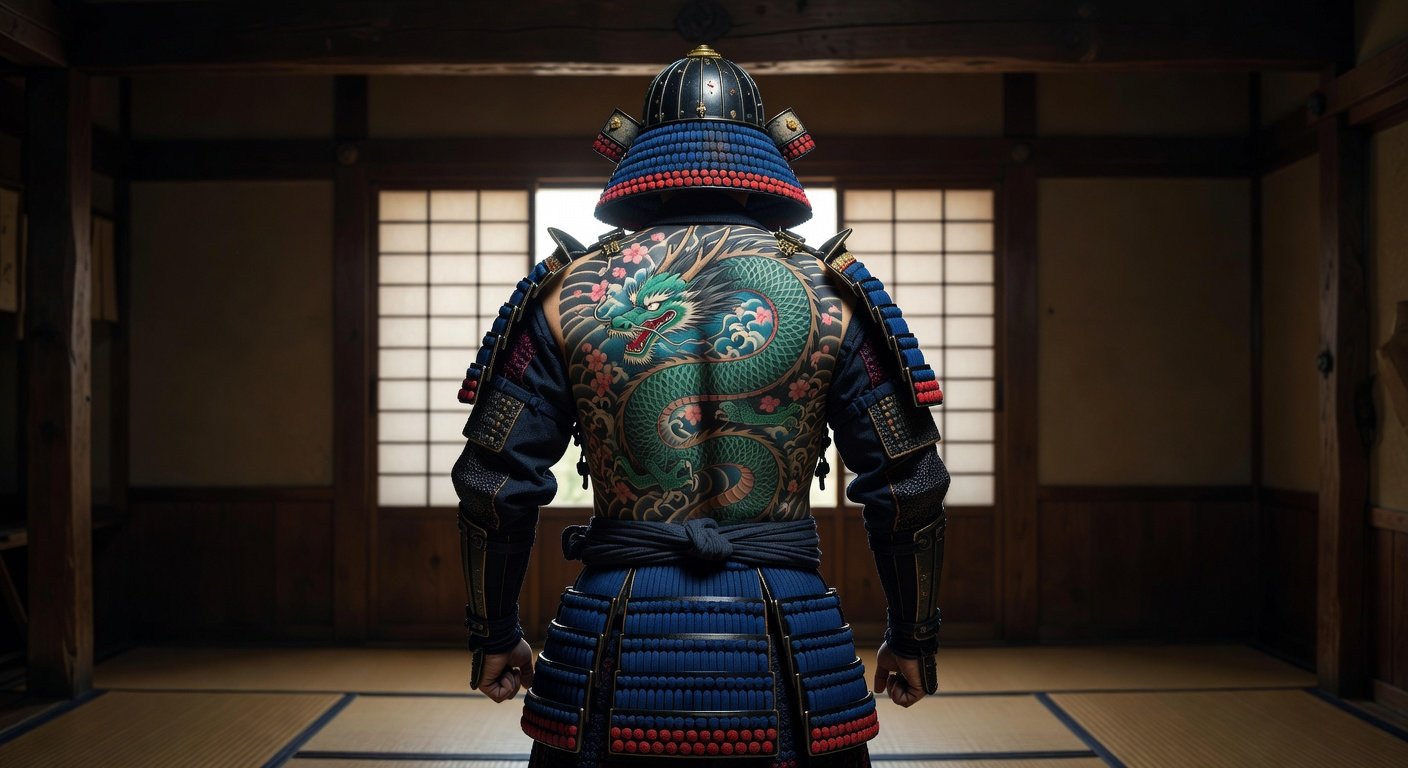
Central to irezumi are iconic motifs rich in symbolism. Dragons (ryu) represent power, wisdom, and control over natural elements, often depicted coiling dynamically with scales and claws. Phoenixes (ho-o) symbolize rebirth, immortality, and harmony, their fiery plumage blending with clouds and waves for balance.
Other common elements include koi fish for perseverance, cherry blossoms for life's transience, and tigers for courage. These aren't random; each carries yokai (spirit) lore, making your tattoo a personal emblem.
Traditional Ink Techniques: Tebori and More
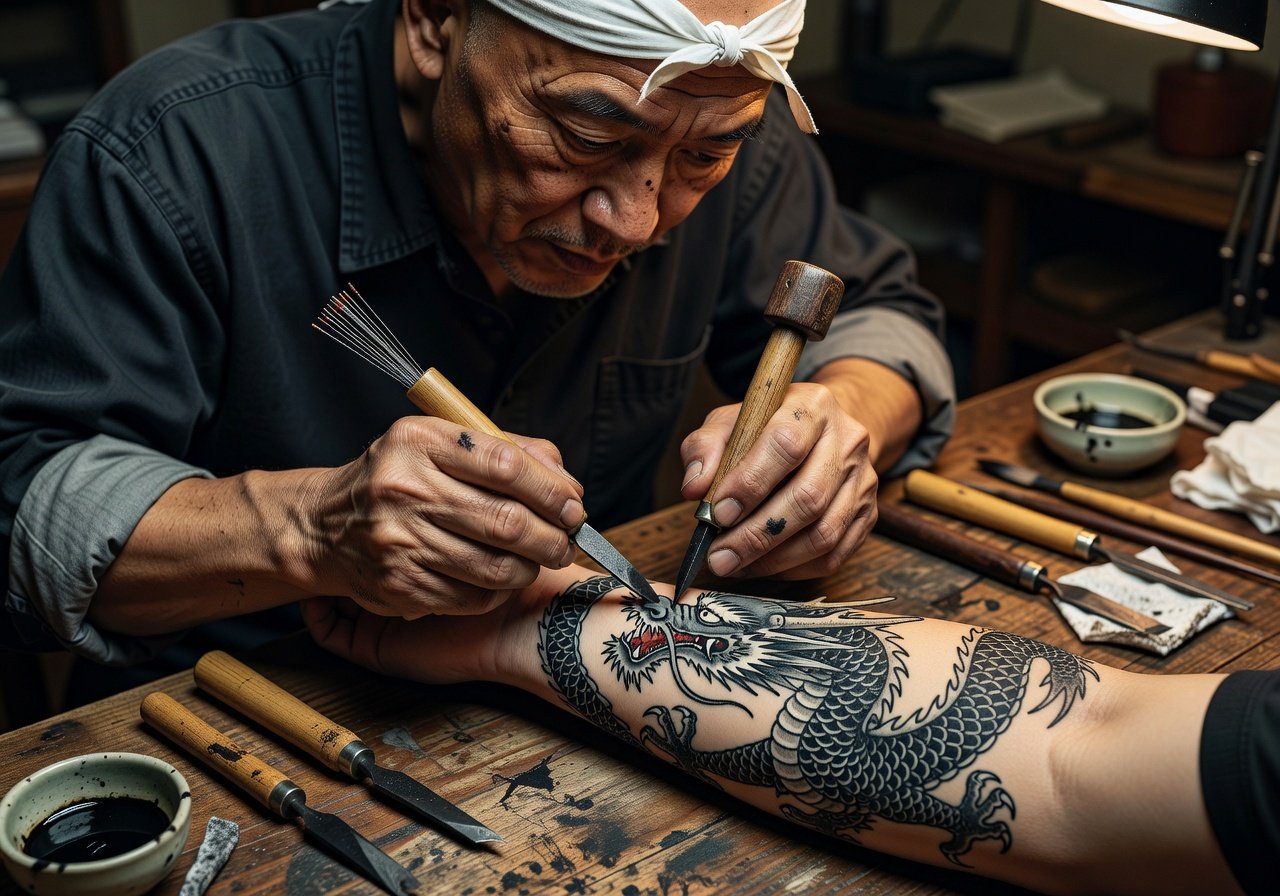
Authentic irezumi uses tebori (hand-poking), where artists manually insert ink with chisels and mallets for textured depth unattainable by machines. This method, rooted in ukiyo-e woodblock prints, creates bold outlines and subtle shading. Modern hybrids blend tebori with machines for accessibility, but purists stick to handwork.
Explore tattoo artistry evolution via Britannica's tattoo history.
Step-by-Step Guide to Selecting Your Design
- Research Symbolism: Study motifs' meanings. Dragons ward off evil; pair with waves for overcoming adversity. Avoid superficial choices—ensure it resonates personally.
- Understand Body Placement: Irezumi suits flow from back to arms/legs. Back pieces suit large motifs; sleeves for arms. Consider lifestyle—visible or concealed?
- Sketch and Customize: Work with artists on bespoke designs. Traditional rules like imbalanced asymmetry add dynamism; personalize with birth elements.
- Assess Size and Sessions: Full suits take 50+ hours over years. Start small, like a dragon forearm, to test commitment.
- Prioritize Authenticity: Seek designs from historical references, not generic flash.
Cultural Respect: Essential for Modern Wearers
Irezumi's yakuza ties once stigmatized it in Japan, but globalization demands respect. Avoid full-body without cultural ties; consult elders or texts. Personalization tempers tradition—add modern twists like subtle colors while honoring origins. Tattoos aren't fashion; they're lifelong vows to the art's spirit.
Finding Reputable Artists in 2026
- Credentials Check: Look for Horimono masters trained in Japan, with tebori certification. Platforms like Instagram evolve with VR consultations by 2026.
- Portfolio Review: Demand irezumi-specific work, not eclectic styles. Visit studios in Tokyo (e.g., Asakusa) or global hubs like NYC's Horiyoshi III lineage.
- Reviews and Hygiene: Read forums, verify bloodborne pathogen certs. 2026 trends: AI design previews, but human touch reigns.
- Trials and Consults: Book stencil trials. Ethical artists educate on aftercare, using sumi ink for fade resistance.
For global tattoo standards, reference WHO's infection control guidelines.
Personalization for the Modern Era
Blend tradition with self: A phoenix rising from personal ashes, or dragon guarding family crests. Women adapt with smaller, elegant placements. By 2026, sustainable inks and AR try-ons enhance choices. Commit thoughtfully—irezumi transforms skin into canvas, soul into legend.
Embrace this guide to ink authentically, respecting heritage while crafting your story.
No comments yet. Be the first!