 Inked Mythos
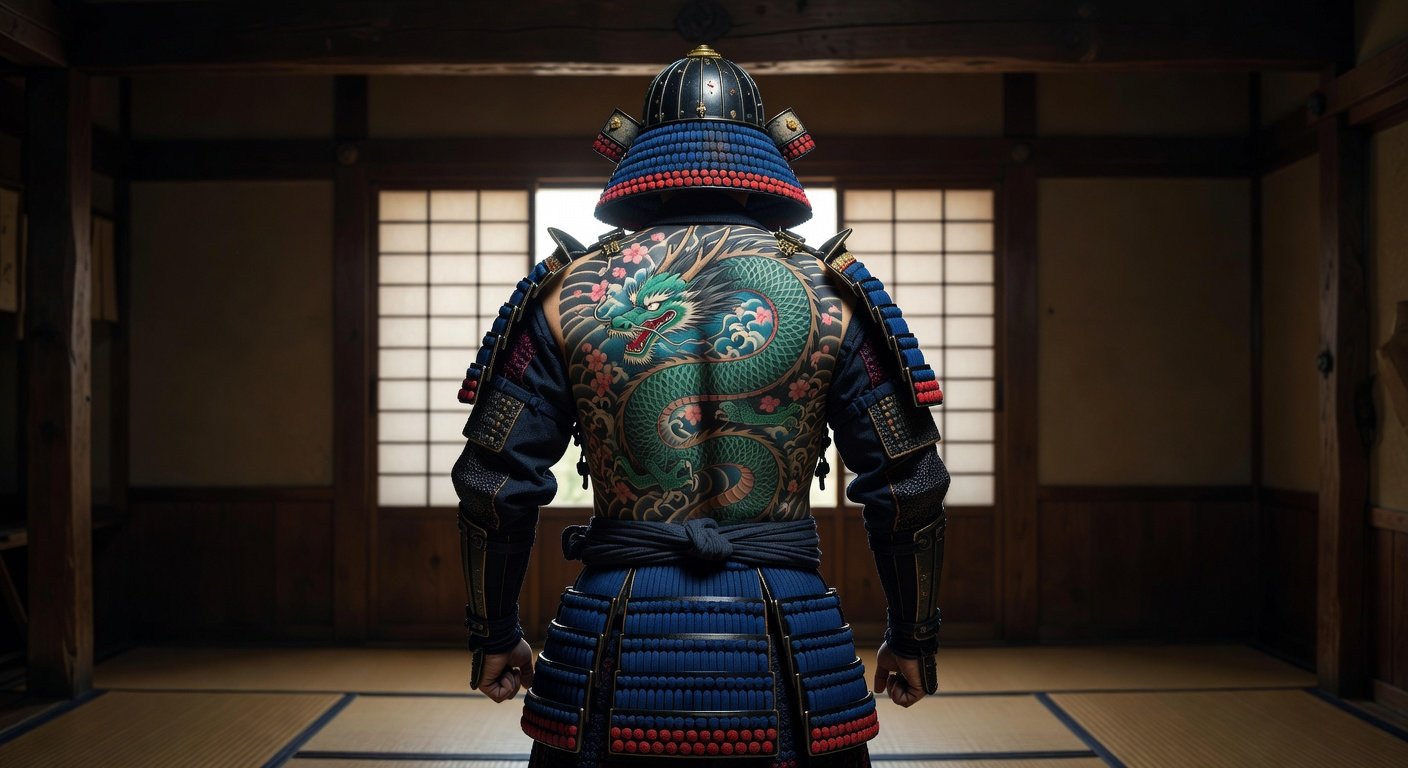
The Ancient Origins of Irezumi in Samurai Culture
Irezumi, the traditional Japanese form of tattooing, boasts a history stretching back over a millennium. Its roots are deeply intertwined with samurai culture during Japan's Edo period (1603–1868). Samurai warriors adorned their bodies with intricate tattoos as symbols of strength, loyalty, and spiritual protection. These markings were not mere decorations; they served as talismans against evil spirits and badges of honor earned through bravery in battle.
Historical records suggest irezumi predates the samurai, with evidence from the Yayoi period (300 BCE–300 CE) showing simple tattoos for spiritual or punitive purposes. However, it was during the Edo era that irezumi evolved into a sophisticated art form. Criminals were forcibly tattooed as punishment, but skilled artisans transformed this into a celebrated craft among the yakuza underworld and brave firefighters known as ebisuboshi.
For deeper insights into tattooing's global history, check out the authoritative overview on Britannica's tattooing page.
Key Traditional Ink Techniques of Irezumi
Irezumi artists, or horimono-shi, employ time-honored hand-poking methods passed down through generations. The hallmark technique is tebori, using a bundle of sharpened steel rods called kesho or maki, dipped in ink and tapped into the skin with a metal bar called a teki. This labor-intensive process can take months or years for a full-body suit, producing bold lines and subtle shading unmatched by machines.
Another technique, tsubushi, involves shading with bamboo sticks for a textured, dotted effect resembling storm clouds or waves. Inks were traditionally made from sumi (carbon black from pine soot) mixed with water and gelatin, creating the signature deep black hue with iridescent blue undertones.
Iconic Irezumi Symbols and Their Meanings
- Dragons (Ryū): Emblems of power, wisdom, and control over natural elements; often coiled around the body for protection.
- Koi Fish: Represent perseverance and transformation, inspired by the legend of koi swimming upstream to become dragons.
- Cherry Blossoms (Sakura): Symbolize the fleeting beauty of life and samurai impermanence.
- Lions and Tigers: Guardians against evil, showcasing ferocity and nobility.
- Waves and Wind Bars: Illustrate life's turbulence and the winds of fate, foundational background elements.
These motifs draw from ukiyo-e woodblock prints, blending mythology, nature, and folklore into narrative body art.
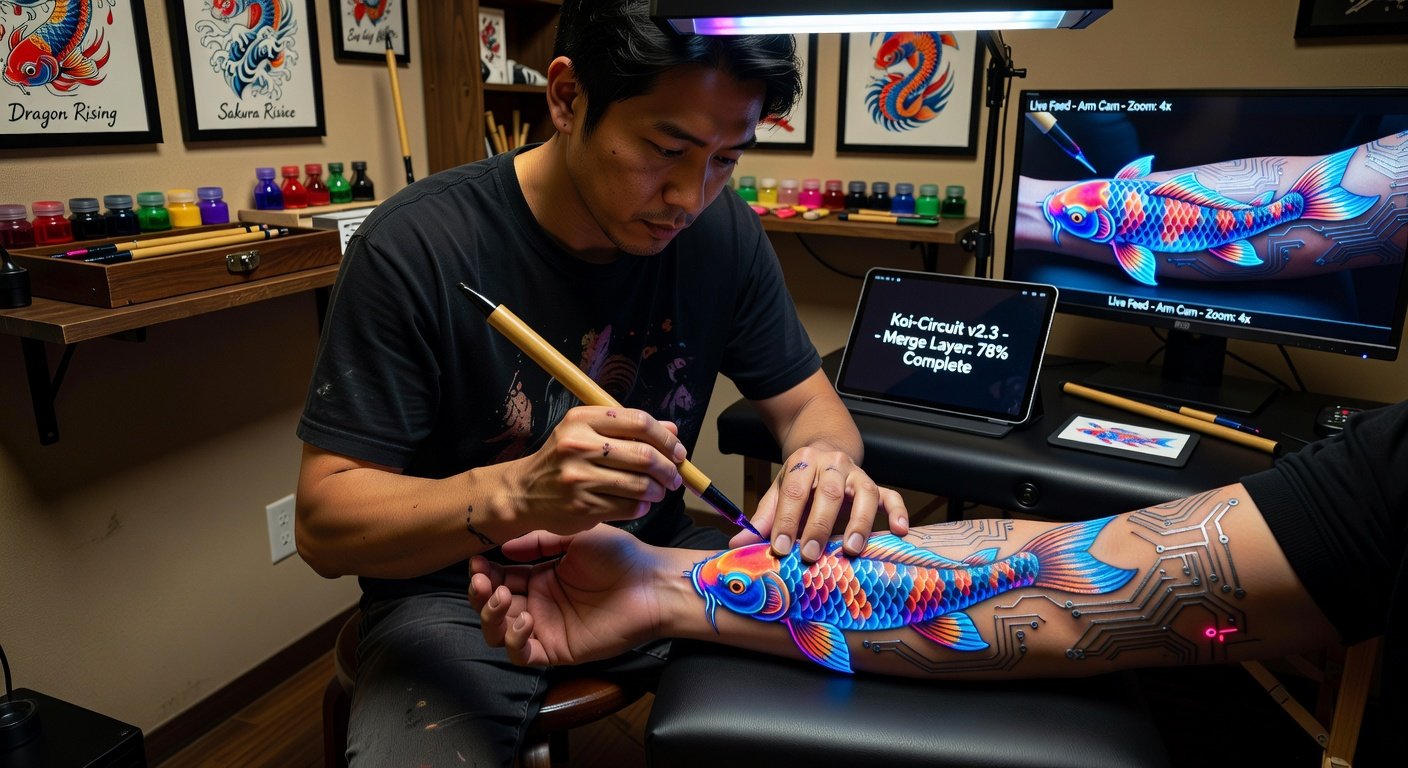
From Taboo to Triumph: Irezumi's Resurgence in 2026 Global Culture
Post-WWII, irezumi faced stigma due to yakuza associations, leading to bans in public baths and pools. Yet, globalization and pop culture—think anime, films like Tattoo, and celebrities—sparked revival. By 2026, irezumi influences tattoo conventions worldwide, from Tokyo's annual events to Western studios adopting tebori.
Explore Japanese art collections featuring irezumi influences at the Metropolitan Museum of Art.
Modern Ethics and Technology in Irezumi-Inspired Tattoos
Today's cultural tattoos inspired by irezumi prioritize ethics and innovation. Artists source vegan, organic inks free from animal-derived ingredients, addressing animal welfare concerns. Cultural sensitivity is paramount; non-Japanese practitioners collaborate with masters to avoid appropriation, often obtaining permissions or certifications.
Technology accelerates evolution: UV-reactive inks glow under blacklight for dynamic effects, while laser removal advancements allow regret-free experimentation. AI design tools generate custom layouts blending traditional symbols with personal stories, speeding ideation without diluting authenticity. Nano-pigments ensure hypoallergenic, long-lasting color retention, and 3D printing prototypes tattoos before inking.
Ethical studios emphasize consent, aftercare education, and mental health support, transforming irezumi from underground art to mainstream empowerment.
8 Influential Trends Blending Irezumi Tradition with Contemporary Artistry
Here’s a listicle of 2026's hottest trends fusing irezumi heritage with modern flair:
- Neo-Irezumi Minimalism: Simplified symbols like lone koi or cherry branches in fine-line blackwork for subtle elegance.
- Biomechanical Fusion: Dragons merging with cybernetic gears, appealing to sci-fi fans.
- UV Glow Irezumi: Traditional motifs that illuminate at nightclubs, blending mystique with tech.
- Watercolor Waves: Soft, blended oceanic patterns echoing wind bars with painterly effects.
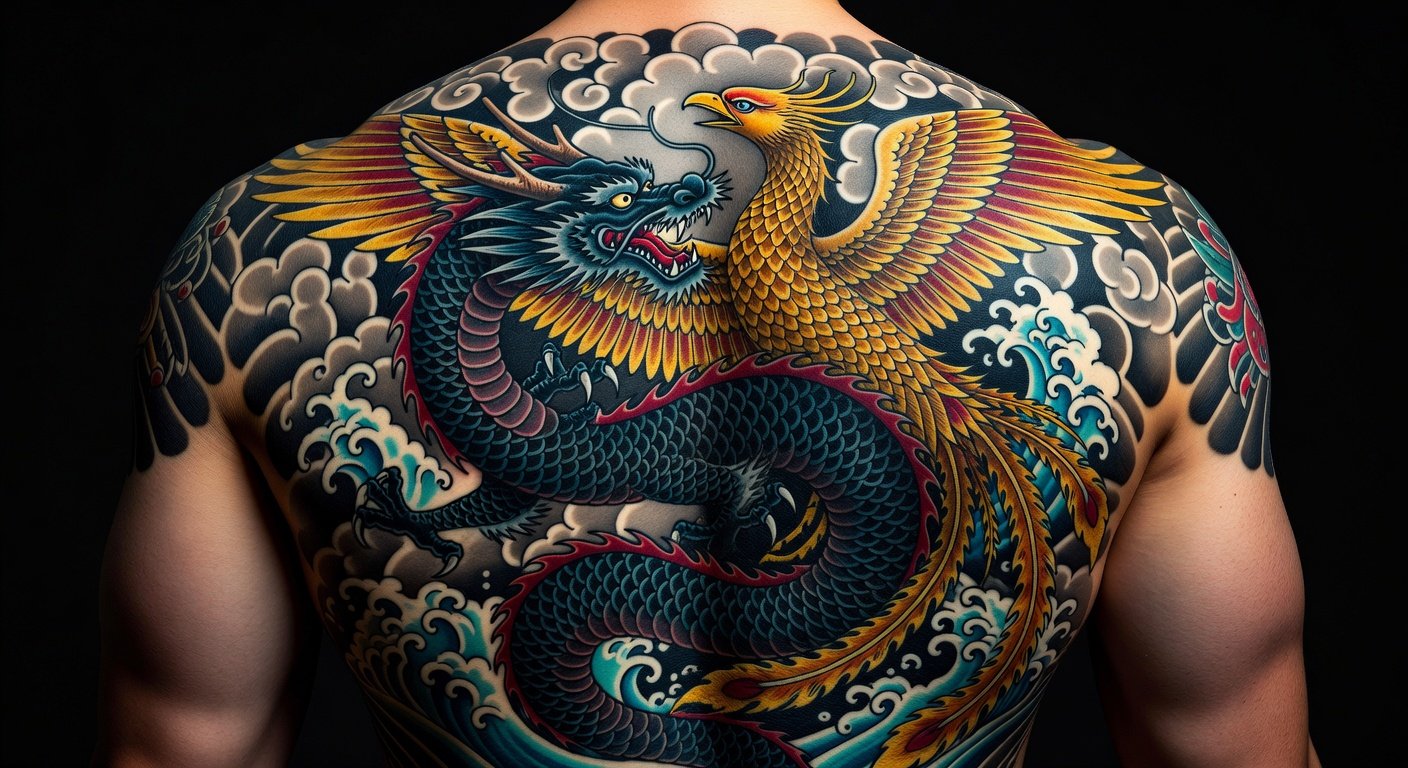
- Gender-Fluid Phoenix: Reimagined birds rising from ashes, symbolizing personal rebirth.
- Eco-Inked Nature Suits: Sakura and tigers with hyper-realistic flora using plant-based pigments.
- AR-Interactive Tattoos: Scannable irezumi that animate via apps, revealing hidden stories.
- Collaborative Global Bodysuits: Multi-artist pieces combining Japanese tebori with Polynesian or Celtic elements ethically.
These trends showcase irezumi's adaptability, proving its timeless appeal in a diverse world.
The Future of Irezumi: A Global Legacy
As irezumi crosses borders, it evolves while honoring roots. From samurai battle scars to 2026 runway statements, this art form inspires self-expression worldwide. Whether you're eyeing your first koi or a full back piece, irezumi reminds us: true beauty lies in stories etched in skin.
No comments yet. Be the first!