 Inked Mythos
Introduction to Viking Rune Tattoo Symbols
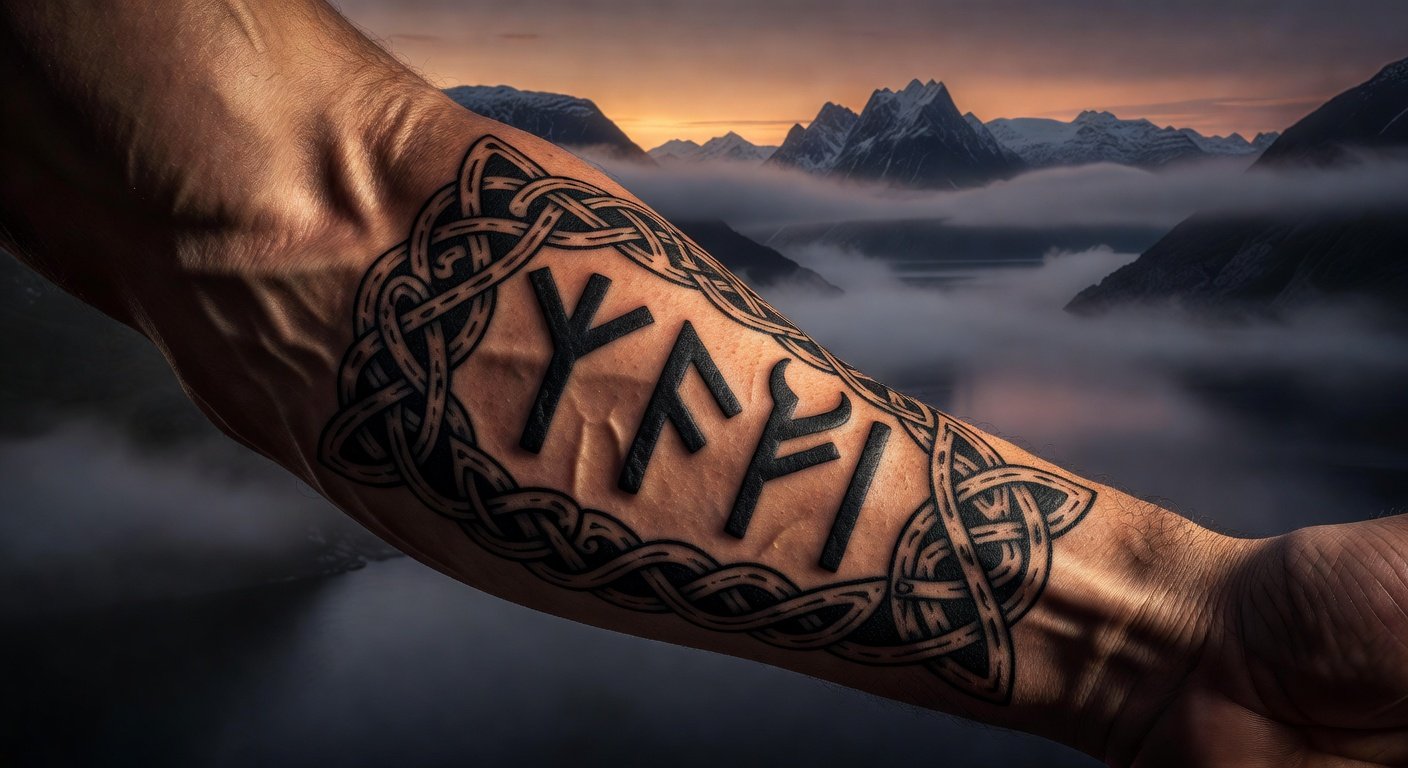
Viking rune tattoo symbols draw from the ancient Elder Futhark alphabet used by Norse peoples over a millennium ago. These glyphs carried profound spiritual and practical significance, representing concepts like protection, prosperity, and destiny. In 2026, they remain popular in body art for enthusiasts seeking symbols of strength, fate, and spirituality. This guide examines their origins and contemporary appeal.
Runes originated in Germanic and Scandinavian cultures around the 2nd century CE. They served not only as a writing system but also as magical tools in rituals. Today, people choose rune tattoos to connect with this heritage while expressing personal values.
10 Key Rune Tattoo Symbols and Their Meanings
Here are ten essential runes with historical context and modern tattoo inspirations.
1. Algiz – Protection and Defense
Historically, Algiz symbolized elk or divine protection against harm. Vikings used it in amulets for safeguarding warriors. Modern interpretations emphasize boundaries and intuition. Tattoo designs often feature bold, upward-pointing antler shapes with geometric accents.
2. Fehu – Wealth and Abundance
Fehu represented cattle and material prosperity in Viking society. It embodied success through hard work. Contemporary wearers see it as a symbol of financial growth and gratitude. Designs incorporate flowing lines with gold-ink highlights for a luxurious feel.
3. Tiwaz – Justice and Honor
Linked to the god Tyr, Tiwaz stood for victory through fairness. It guided legal and moral decisions. In tattoos, it appears as an arrow-like form, often paired with scales for added symbolism of balance.
4. Ansuz – Wisdom and Communication
Ansuz connected to Odin and divine inspiration. It aided poets and leaders in conveying truth. Today it inspires creative expression; artists render it with raven motifs for a mystical touch.
5. Raidho – Journey and Rhythm
This rune signified travel, both physical and spiritual. Vikings invoked it for safe voyages. Modern tattoos use it to mark life transitions, with wheel or path designs enhancing the theme.
6. Kenaz – Knowledge and Creativity
Kenaz meant torch or illumination, representing insight and skill. It fueled craftsmanship. Current designs blend it with flames for artistic souls seeking inspiration.
7. Gebo – Partnership and Exchange
Gebo embodied gifts and balanced relationships. It promoted harmony in alliances. Tattoo versions often appear as intersecting lines, popular for couples or friendship ink.
8. Wunjo – Joy and Harmony
Wunjo symbolized pleasure and well-being after hardship. It celebrated victory. Vibrant, curved interpretations make it a favorite for positive-energy tattoos.
9. Hagalaz – Disruption and Transformation
Hagalaz represented hail and sudden change, teaching resilience. Vikings saw it as a catalyst for growth. Edgy, shattered-glass styles appeal to those embracing life's challenges.
10. Berkano – Growth and Fertility
Berkano linked to the birch tree and nurturing forces. It supported new beginnings. Soft, organic designs with leaves suit those marking personal evolution.
Traditional vs Contemporary Rune Tattoo Designs
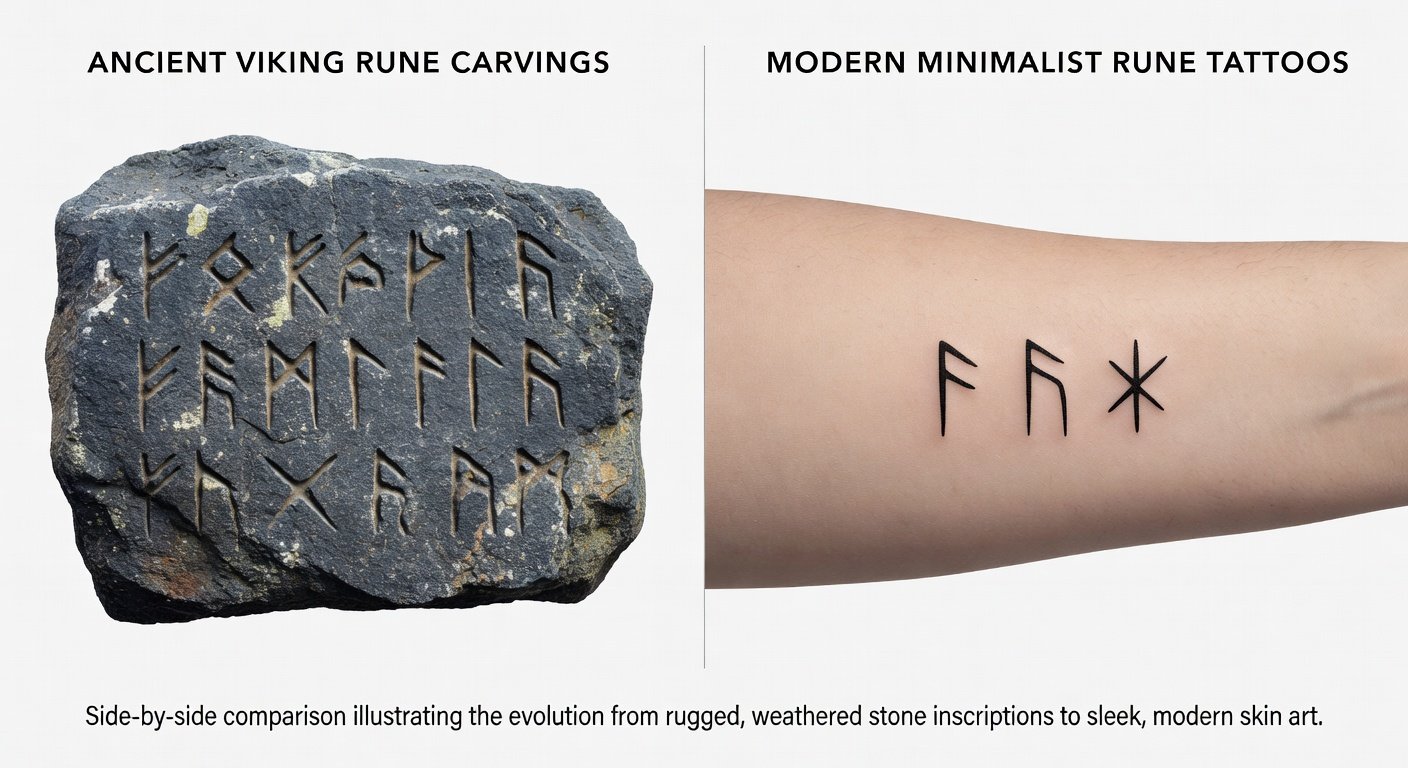
Traditional Viking runes appeared in stark, angular carvings on stone and wood, emphasizing raw power. Contemporary versions soften edges, add color gradients, or merge with Celtic knots and minimalist lines. Traditional approaches preserve authenticity, while modern takes allow personalization for 2026 aesthetics like geometric fusion or watercolor effects.
Step-by-Step Guide to Selecting Your Personal Rune
- Reflect on your core values or current life phase—protection, growth, or justice?
- Research rune meanings thoroughly using reliable historical sources.
- Consult a knowledgeable tattoo artist experienced in Norse symbolism.
- Consider combining runes thoughtfully to avoid conflicting energies.
- Test designs through temporary transfers before committing to ink.
- Ensure cultural respect by understanding the rune's original context.
This process helps create a tattoo that resonates deeply with your journey.
Real-Life Examples from Tattoo Artists
Artists like those at renowned studios often share client stories of Algiz tattoos providing emotional armor during tough times. One creator described a Fehu piece on a client's chest as a daily reminder of entrepreneurial success. These examples highlight how runes blend personal narrative with ancient power.
FAQs on Rune Tattoos: Sizing, Placement, and Sensitivity
What sizes work best for rune tattoos?
Small runes suit wrists or fingers for subtlety, while larger pieces on the back or chest allow intricate details. Placement depends on visibility preferences and body contours.
How do I approach cultural sensitivity?
Approach runes with respect for Norse heritage. Avoid trivializing sacred symbols; research and collaborate with artists who honor the tradition. Resources from institutions like Britannica provide accurate historical context.
Are there recommended placements?
Popular spots include forearms for strength symbols and ribs for personal fate runes. Always prioritize comfort and aftercare.
Conclusion
Rune tattoo symbols continue to captivate in 2026 as bridges between Viking legacy and personal spirituality. By understanding their depths, you can select ink that truly empowers. Whether drawn to protection or transformation, these timeless glyphs offer strength and meaning for years ahead. For further reading on ancient scripts, explore The Metropolitan Museum of Art collections.
No comments yet. Be the first!