 Inked Mythos
Introduction to Dragon Tattoo Symbolism
Dragon tattoos have captivated people across cultures for centuries, embodying powerful themes of strength, protection, and personal transformation. In 2026, these designs continue to evolve, blending ancient traditions with contemporary aesthetics. This guide delves into the contrasting Eastern and Western origins of dragon symbolism, helping readers understand historical roots while offering practical advice for meaningful ink. Whether you are drawn to the serpentine grace of Asian dragons or the majestic power of European ones, understanding the layers of meaning ensures your tattoo resonates on a deeper level. Many enthusiasts seek these designs not just for visual appeal but as lifelong reminders of personal growth, resilience, and cultural heritage. Exploring the symbolism helps avoid superficial choices and fosters authentic expression.
Eastern Dragon Symbolism: Ancient Roots in Asia
Eastern dragons, particularly those from Chinese, Japanese, and Korean traditions, are revered as benevolent creatures associated with wisdom, prosperity, and natural forces like water and weather. Unlike their Western counterparts, they are often serpentine, wingless, and symbolize good fortune rather than destruction. Historical evidence traces these motifs back thousands of years in imperial art and folklore. In Chinese culture, the dragon is one of the twelve zodiac animals and represents the emperor's divine mandate, rain-bringing abilities, and balance between yin and yang. Japanese dragons, influenced by Chinese lore but adapted locally, often guard temples and embody the spirit of rivers and seas. Korean variants emphasize harmony and protection of the kingdom. Those seeking tattoos inspired by these origins often choose flowing, elongated forms that convey protection and spiritual growth. For example, a client might incorporate lotus flowers to signify purity emerging from adversity or koi fish to represent perseverance, creating layered narratives within a single piece.
Color and Element Symbolism in Eastern Designs
Colors carry specific meanings: red for luck and vitality, blue for calmness and water elements, gold for prosperity and nobility. Artists frequently integrate clouds, waves, or pearls to enhance these associations, turning the tattoo into a dynamic story of elemental power.
Western Dragon Symbolism: Legends of Power and Challenge
Western dragons, rooted in European mythology, typically appear as winged, fire-breathing beasts that guard treasure or challenge heroes. They symbolize raw power, danger, and the triumph over adversity. Medieval legends, such as those in Arthurian tales or Norse sagas, portray them as formidable foes representing chaos that must be overcome. In Celtic traditions, dragons link to ancient earth energies and guardianship of sacred sites. Over time, these creatures evolved in literature from villains in fairy tales to complex symbols of inner strength in modern fantasy. In contemporary Western contexts, dragon tattoos often signify personal strength, overcoming obstacles, or fierce independence. This interpretation appeals to individuals navigating life's battles, with designs emphasizing muscular builds and dramatic wings. A common example is pairing a dragon with a sword or shield to highlight victory themes.
Historical Evolution in Western Art
From illuminated manuscripts of the Middle Ages to Renaissance paintings, Western dragons shifted from purely malevolent to sometimes noble guardians. This evolution influences today's tattoo artists who blend gothic details with vibrant shading for dramatic effect.
Stylistic Differences: Serpentine vs. Winged Designs
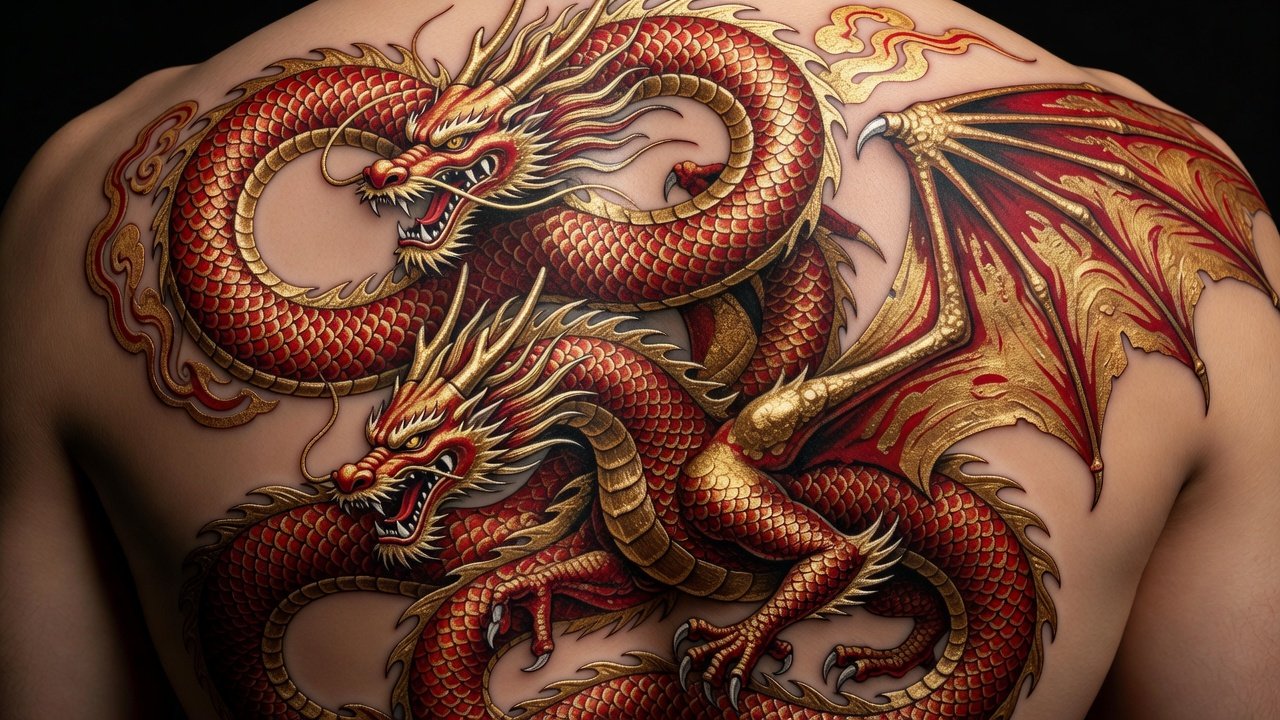
The visual contrast between Eastern and Western dragon tattoos is striking. Eastern styles feature sinuous bodies, intricate scales, and vibrant colors like red, gold, and blue, often incorporating clouds or waves. Western designs favor bold outlines, fiery elements, and dynamic poses with spread wings. Many artists in 2026 blend these aesthetics for hybrid tattoos that merge fluidity with intensity. Placement choices further enhance resonance—Eastern dragons suit long, vertical body areas like the spine or arm for their flowing nature, while Western winged versions work well on broader canvases such as the chest or back. Blackwork techniques can create bold Western silhouettes, whereas delicate line work suits Eastern subtlety. 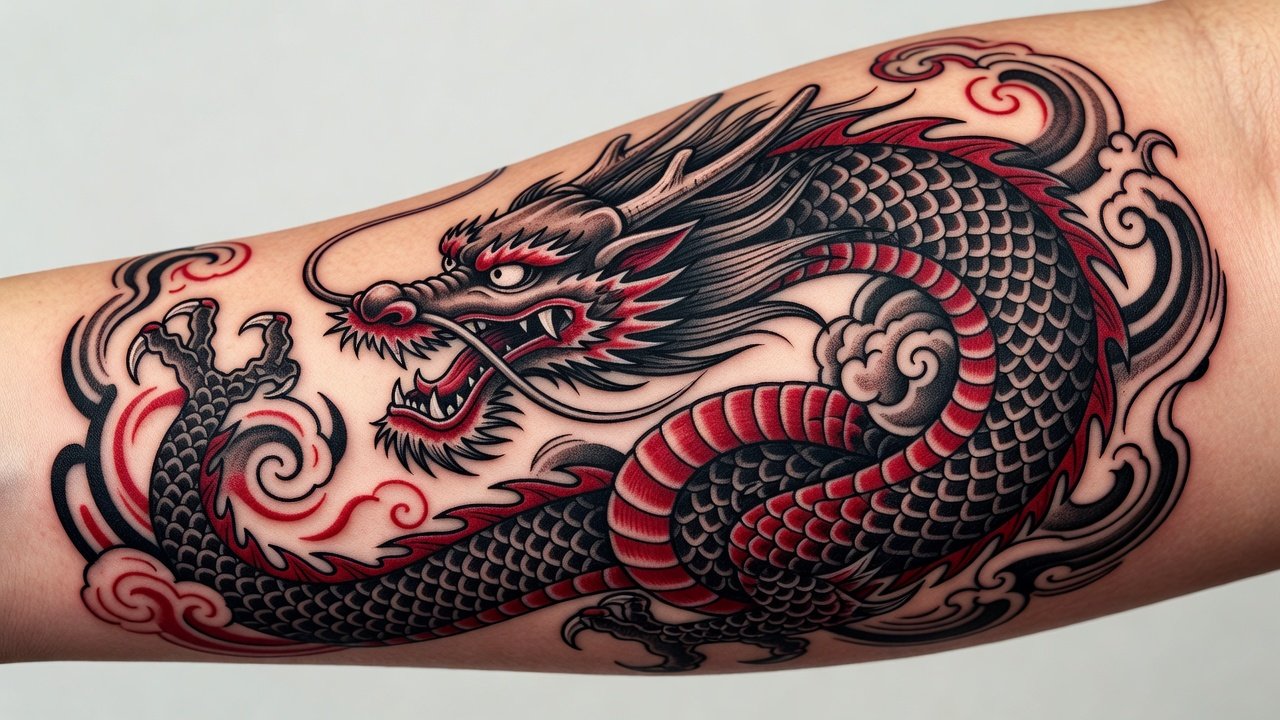
Recommended Placements for Symbolic Resonance
Selecting the right placement amplifies a dragon tattoo's meaning. Consider these options:
- Forearm or sleeve: Ideal for visible daily inspiration, symbolizing personal power in Eastern traditions. A full sleeve allows narrative progression from shoulder to wrist.
- Back or shoulder: Perfect for large Western designs representing protection and strength, providing ample space for wings and tails.
- Ribcage or thigh: Offers private symbolism for transformation themes, allowing intricate details without constant visibility.
- Calf or ankle: Smaller Eastern motifs here can represent grounded stability and journey through life.
Consulting with artists ensures the design fits the body's contours naturally, accounting for movement and skin elasticity over time.
Modern Fusion Trends for 2026
Contemporary trends show increasing fusion of Eastern and Western elements, creating unique pieces that reflect multicultural identities. Artists experiment with neo-traditional techniques or minimalist line work. Popular motifs include dragons interacting with other symbols like phoenixes for balance or geometric patterns for modernity. Watercolor effects add ethereal qualities to Eastern-inspired pieces, while realistic shading brings Western dragons to life. These fusions allow wearers to honor multiple heritages or express hybrid personal stories.
Artist Case Examples and Cultural Respect
Renowned tattoo artists like those specializing in Japanese irezumi or Celtic-inspired work provide case studies. For respectful choices, research origins thoroughly. Steps to select culturally appropriate ink include: studying historical references from museums, avoiding sacred symbols without context, and collaborating with artists from the represented culture. One example involves a Japanese-trained artist creating a dragon that incorporates client-specific elements like birth flowers while maintaining traditional proportions. Another case shows a Western artist consulting historians to accurately depict scale patterns from medieval bestiaries.
Learn more about global art history from Britannica, museum collections at The Met, and cultural explorations via Smithsonian Magazine.
Practical Steps for Choosing Your Dragon Tattoo
To maximize personal meaning while honoring origins, follow these steps: First, reflect on your core intention—protection, transformation, or power—and match it to Eastern or Western themes. Second, research artists whose portfolios align with your vision and cultural sensitivity. Third, discuss size, color palette, and any additional elements during consultation. Fourth, consider long-term factors like aging ink and lifestyle visibility. Fifth, prepare for aftercare routines that preserve vibrancy, such as moisturizing and sun protection.
FAQs on Avoiding Appropriation and Maximizing Meaning
How do I avoid cultural appropriation? Focus on personal meaning, consult cultural experts or artists from the tradition, and steer clear of direct copies of sacred icons without permission or understanding.
What makes a dragon tattoo transformative? Pairing it with elements representing your journey, such as mountains for stability or flames for renewal, enhances symbolism and creates a unique narrative.
Are there size recommendations? Larger pieces allow more detail but consider pain tolerance, healing time, and body placement; smaller designs work for subtle daily reminders.
How long does the process typically take? Sessions range from single sittings for small pieces to multiple appointments for elaborate fusions, depending on complexity and artist availability.
Conclusion
Dragon tattoos offer profound layers of meaning when approached with respect and intention. Whether drawing from Eastern harmony or Western resilience, thoughtful design choices in 2026 can create lasting personal symbols of power and transformation that evolve with the wearer over a lifetime.
No comments yet. Be the first!