 Inked Mythos
Understanding Script Tattoo Symbolism
Script tattoos use elegant lettering to convey personal stories, values, and emotions through carefully chosen words and phrases. Unlike purely symbolic imagery, text-based designs allow for precise communication of ideas such as resilience, love, heritage, or life philosophies. In 2026, meaningful body art trends continue to prioritize authenticity, with script tattoos serving as wearable affirmations that resonate on both personal and cultural levels. Beginners often start by identifying core experiences or beliefs they wish to honor permanently on their skin.
The power of script lies in its dual nature: it functions as both visual art and readable message. This combination creates layered symbolism that can evolve in meaning over a lifetime. For instance, a phrase chosen during a period of transition may later represent growth and reflection when viewed years afterward. Understanding this depth helps individuals move beyond trendy designs toward tattoos that hold enduring personal significance.
Popular Font Styles and Their Symbolism
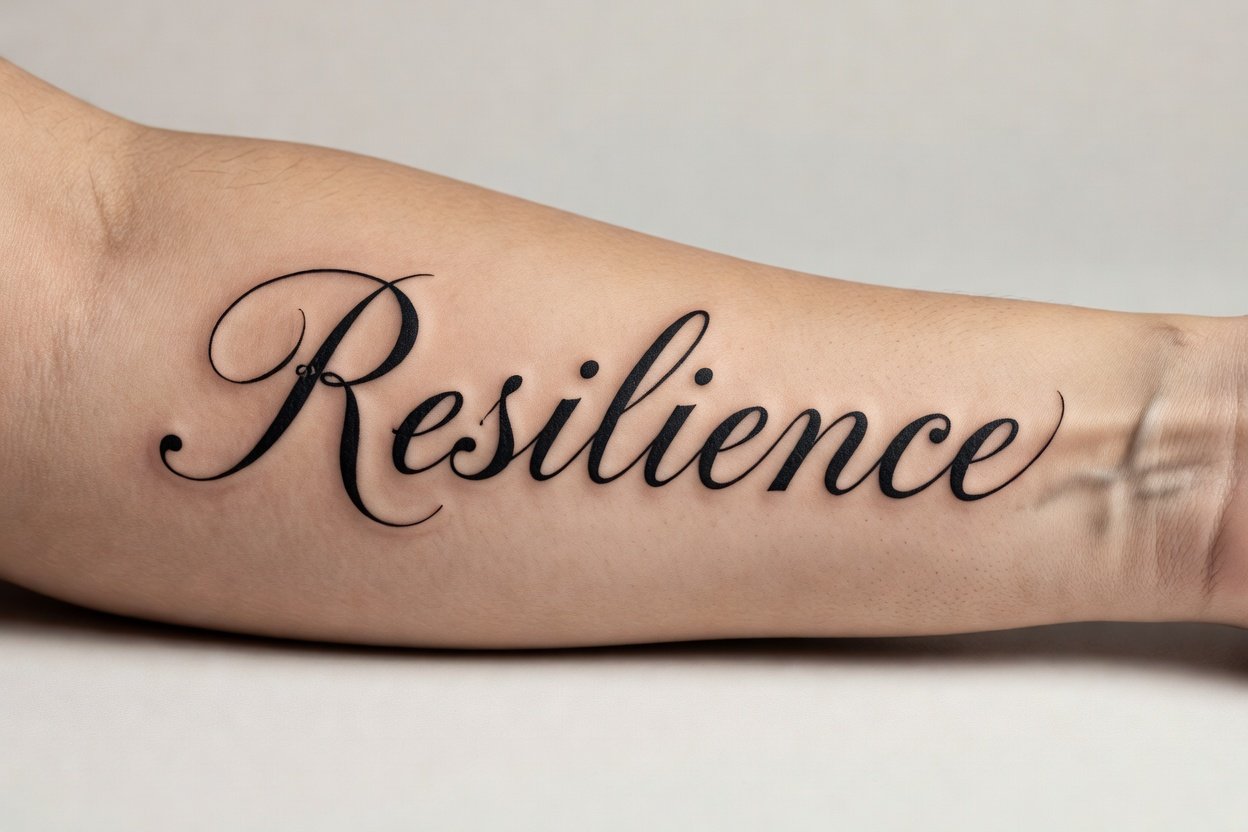
Font selection is central to the overall symbolism of a script tattoo because different styles evoke distinct emotional responses and historical associations. Cursive and flowing scripts often symbolize fluidity, romance, and personal journey, making them suitable for quotes about love or self-discovery. In contrast, bold serif or block lettering conveys strength, stability, and determination, ideal for motivational phrases or names of loved ones.
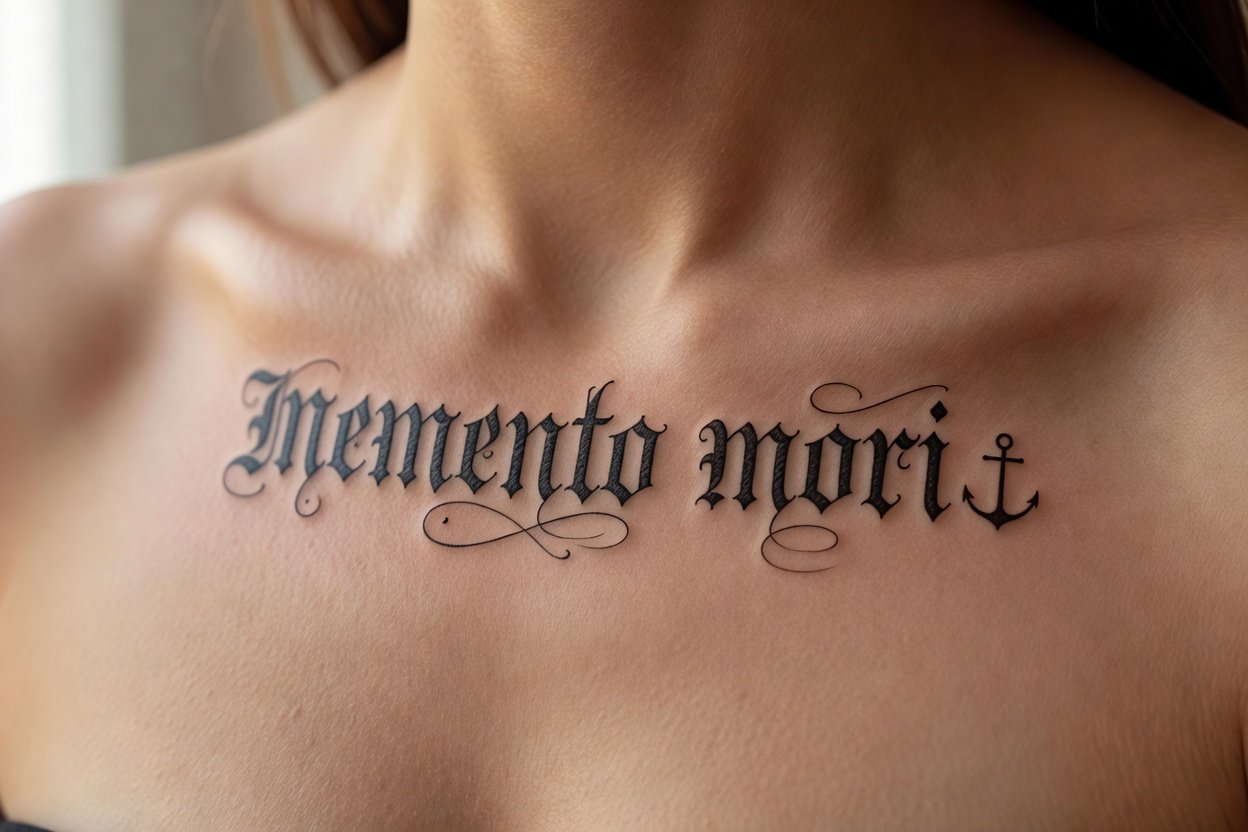
Gothic or Old English fonts carry connotations of tradition, mystery, and permanence, frequently chosen for memorial tattoos or expressions of cultural heritage. Minimalist sans-serif styles align with modern aesthetics, emphasizing clarity and simplicity while allowing the words themselves to take center stage. Handwritten script styles add intimacy by mimicking the wearer's own penmanship, creating a deeply personal connection that printed fonts cannot replicate.
Artists frequently recommend testing multiple font weights and spacings because fine lines can lose definition over time while overly ornate scripts may become difficult to read at smaller sizes. Combining fonts within a single design, such as pairing a delicate cursive with a strong capital letter, can further enhance symbolic contrast between vulnerability and power.
Strategic Placement for Enhanced Meaning
Placement decisions significantly influence both the visibility and deeper symbolism of script tattoos. Areas like the inner forearm or wrist allow daily personal interaction with the text, reinforcing its message as a constant reminder. Ribcage or spine placements offer more private symbolism, representing inner strength or hidden resilience that only the wearer and close confidants see.
Collarbone and behind-the-ear locations provide subtle yet elegant options for shorter phrases, while larger back or thigh scripts accommodate longer quotes or poetry. Body areas with minimal skin stretching, such as the upper arm or ankle, help preserve text legibility across decades. Movement considerations matter too; joints and areas subject to frequent flexing require careful font sizing to prevent distortion.
Many people choose placements that align with the phrase's meaning, such as heart-adjacent scripts for emotional themes or foot placements for journey-related quotes. Professional consultation ensures the design respects both anatomy and intended symbolism.
Cultural Nuances and Avoiding Common Pitfalls
Script tattoos often incorporate words from various languages, adding rich cultural layers when executed respectfully. Sanskrit mantras, Latin proverbs, or Japanese kanji can deepen symbolism by connecting the wearer to philosophical traditions. However, accurate translation and cultural context are critical to avoid unintended meanings or appropriation. Consulting native speakers or linguistic experts prevents embarrassing errors that could undermine the tattoo's intended message.
Common pitfalls include selecting fonts that age poorly, ignoring spacing between letters, or choosing phrases without considering long-term personal relevance. Overly small text may blur within five to ten years, while trendy calligraphy styles can feel dated quickly. Skin tone also affects ink visibility, with certain colors and line weights performing better on diverse complexions.
Researching historical tattoo practices through authoritative sources like the Britannica provides valuable context on how lettering has carried symbolic weight across cultures for centuries.
Real Examples of Transformative Script Designs
One individual chose the phrase "This too shall pass" in elegant cursive along the inner bicep after overcoming a major health challenge. The flowing script symbolized both the temporary nature of hardship and the continuous flow of life. Another example involved a family motto rendered in gothic lettering across the upper back, later enhanced with subtle negative space to represent generational strength.
A multilingual design featured an English affirmation paired with its Spanish translation on the ribcage, honoring bilingual heritage while creating visual symmetry. These real-world cases demonstrate how script tattoos can mark transformative moments and evolve alongside the wearer.
Step-by-Step Selection Process
- Begin with deep personal reflection on values, memories, or aspirations you want to embody permanently.
- Research multiple phrasing options across languages, verifying translations with experts for accuracy and nuance.
- Experiment with font mockups applied temporarily to your skin to assess visual impact and readability in different lighting.
- Evaluate placement options based on lifestyle, visibility preferences, and how the area may change with age or movement.
- Collaborate with a reputable artist experienced in lettering to refine spacing, sizing, and integration with any additional elements.
- Review the final stencil on skin before committing, ensuring every detail aligns with your symbolic intentions.
Comparisons to Minimalist and Negative-Space Approaches
Script tattoos provide explicit narrative that minimalist line art or icon-only designs often lack, yet they can incorporate negative space for visual lightness and depth. Negative-space techniques allow lettering to appear integrated with the skin itself, enhancing the sense of permanence and subtlety. In comparison, pure minimalist approaches prioritize negative space and clean lines for abstract meaning, while script adds concrete verbal layers that resonate immediately with the wearer and observers.
Hybrid designs blending script with minimalist icons create balanced symbolism, offering both readable text and visual metaphors without overwhelming the composition.
Aftercare and Longevity Considerations
Proper aftercare directly impacts how well script details remain legible over time. Keeping the tattoo moisturized, avoiding sun exposure, and following artist instructions help preserve fine lines. Regular touch-ups every several years can refresh fading areas, particularly for delicate scripts on high-movement body parts.
Choosing high-quality ink and an experienced artist familiar with script longevity reduces the risk of blurring or color shifts, ensuring the symbolic message stays clear for decades.
2026 Trends in Meaningful Script Body Art
Emerging trends include micro-script hidden within larger designs, multilingual combinations that reflect global identities, and integration with sustainable or vegan ink options. Personalization through custom fonts derived from handwriting or historical documents adds unique authenticity. These approaches allow script tattoos to feel both timeless and contemporary, resonating with individuals seeking genuine self-expression in an era of mass-produced art.
Frequently Asked Questions
How does readability change over time with script tattoos?
Fine or thin-lined scripts may experience slight blurring after ten or more years, especially in areas with frequent movement. Artists often suggest slightly bolder weights or strategic spacing to maintain clarity long-term.
Are multilingual script options advisable for symbolism?
Yes, when translations are verified by experts. Multilingual designs add cultural depth and personal resonance, though they require careful research to ensure accurate meaning across languages.
Can text pair effectively with icons for layered meanings?
Absolutely. Icons provide visual symbolism while script delivers explicit verbal messages, creating multifaceted designs that communicate on multiple levels without clutter.
What size works best for long phrases?
Longer phrases typically require larger placements such as the back, thigh, or forearm to ensure readability. Smaller areas suit short words or single powerful terms.
Conclusion
Script tattoos offer profound opportunities for authentic self-expression when designed with attention to symbolism, cultural respect, placement, and longevity. By following thoughtful selection processes and staying informed about current trends, individuals create body art that remains meaningful across years and life stages.
No comments yet. Be the first!