 Inked Mythos
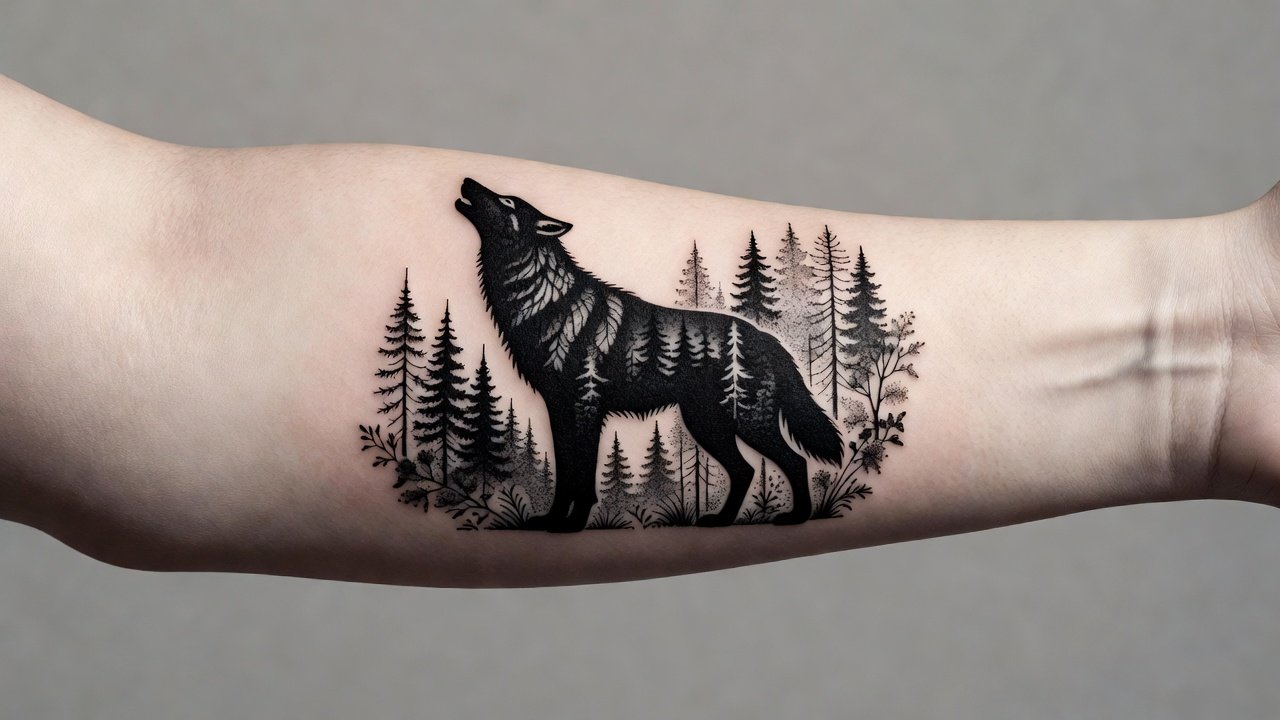
Understanding Negative Space in Tattoo Design
Negative space in tattoos refers to the deliberate use of uninked skin to form shapes, symbols, or images. This technique transforms empty areas into powerful elements like animals, runes, or abstract forms, creating layered meanings that reveal themselves upon closer inspection. In 2026, minimalist yet meaningful body art continues to dominate trends, with negative space allowing for subtle storytelling that resonates deeply with wearers seeking personal symbolism. The approach draws from fundamental design theory where absence defines presence, making tattoos interactive experiences rather than static images.
Unlike traditional filled tattoos that rely on solid ink coverage, negative space designs emphasize contrast and negative areas to define positive imagery. This approach requires precise planning to ensure the empty space reads clearly as a symbol from various distances and angles. Many enthusiasts appreciate how these tattoos evolve visually over time as skin tones interact with the surrounding ink.
Core Design Principles for Negative Space Tattoos
Successful negative space tattoos start with strong silhouettes. Artists begin by sketching the primary shape in reverse, ensuring the surrounding negative areas enhance rather than distract. Key principles include high contrast between inked and uninked regions, balanced composition, and scalability for different body sizes. For example, a negative space wolf might emerge from the uninked outline against a lightly shaded forest, creating depth without overcrowding the canvas.
Step-by-step creation involves initial concept sketches on paper, testing with cutouts to simulate skin contours, digital mockups using software to preview results, and finally stencil application on the body. Artists often incorporate fine lines, stippling, or subtle gradients around the negative space to guide the eye without filling it directly. Practical examples include starting with simple geometric forms before advancing to complex animal silhouettes or rune integrations. Mistakes like uneven spacing can be avoided by measuring proportions repeatedly during the design phase.
Cultural Influences on Negative Space Techniques
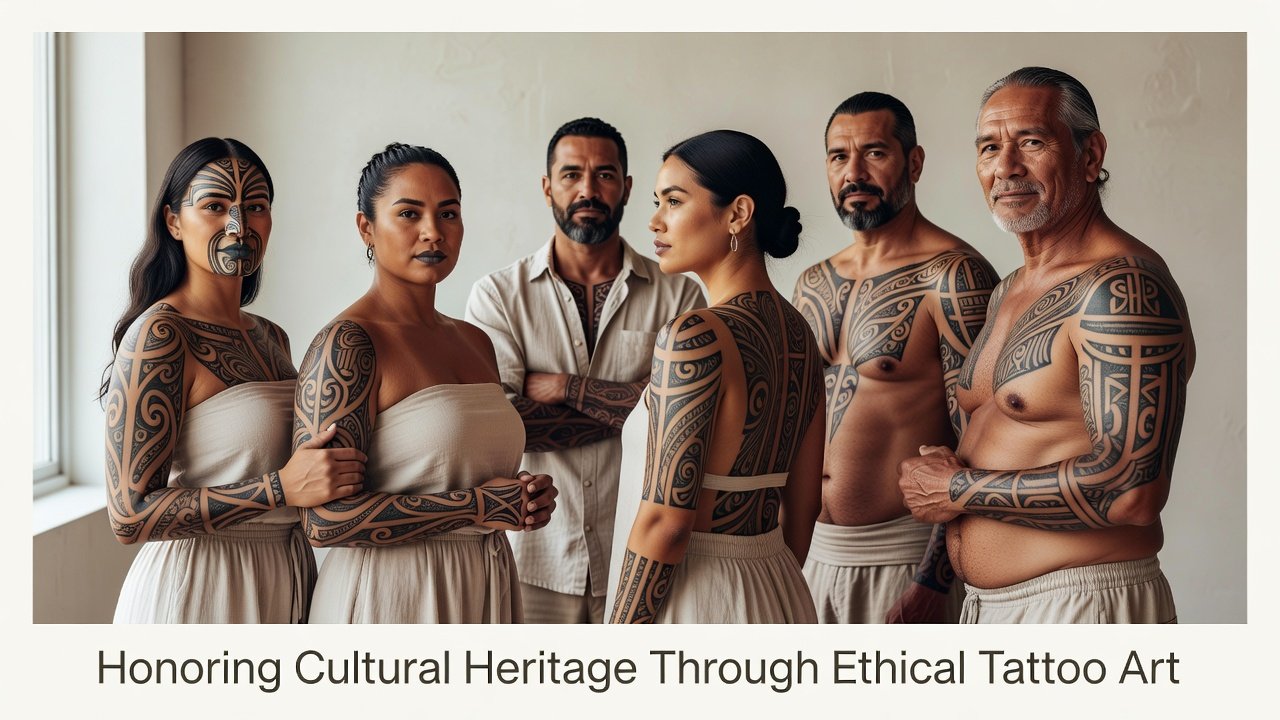
Negative space has roots in various traditions. Indigenous art forms, such as those seen in Metropolitan Museum of Art collections, often use voids to represent spiritual elements or ancestral connections. In modern tattooing, influences from Japanese irezumi and Polynesian designs adapt negative space for contemporary symbolism, allowing abstract runes or animal totems to carry ancestral weight while fitting modern aesthetics.
Additional cultural layers come from Eastern philosophies where emptiness symbolizes potential, seen in minimalist brushwork traditions. Western adoption often blends these with abstract art movements. These cultural adaptations emphasize respect and research, ensuring designs honor origins while fitting personal narratives. Exploring resources like Britannica entries on symbolic art can provide deeper historical context for informed choices.
Comparing Negative Space to Traditional Filled Tattoos
Traditional tattoos pack dense ink for bold visibility, while negative space offers subtlety and versatility. The former may age with ink spread over decades, whereas negative space relies on skin tone for longevity, often appearing fresher and more defined. Placement flexibility is greater with negative space, suiting smaller body areas where heavy filling feels overwhelming or disproportionate.
- Visibility: Negative space excels in low-light or distant views through shape recognition, creating optical illusions.
- Healing: Less ink typically means faster recovery and lower risk of complications like blowouts.
- Customization: Easier to incorporate personal elements like hidden dates or initials in voids for private meaning.
- Maintenance: Negative space designs often require fewer touch-ups as they age gracefully with natural skin changes.
Practical Placement Examples on the Body
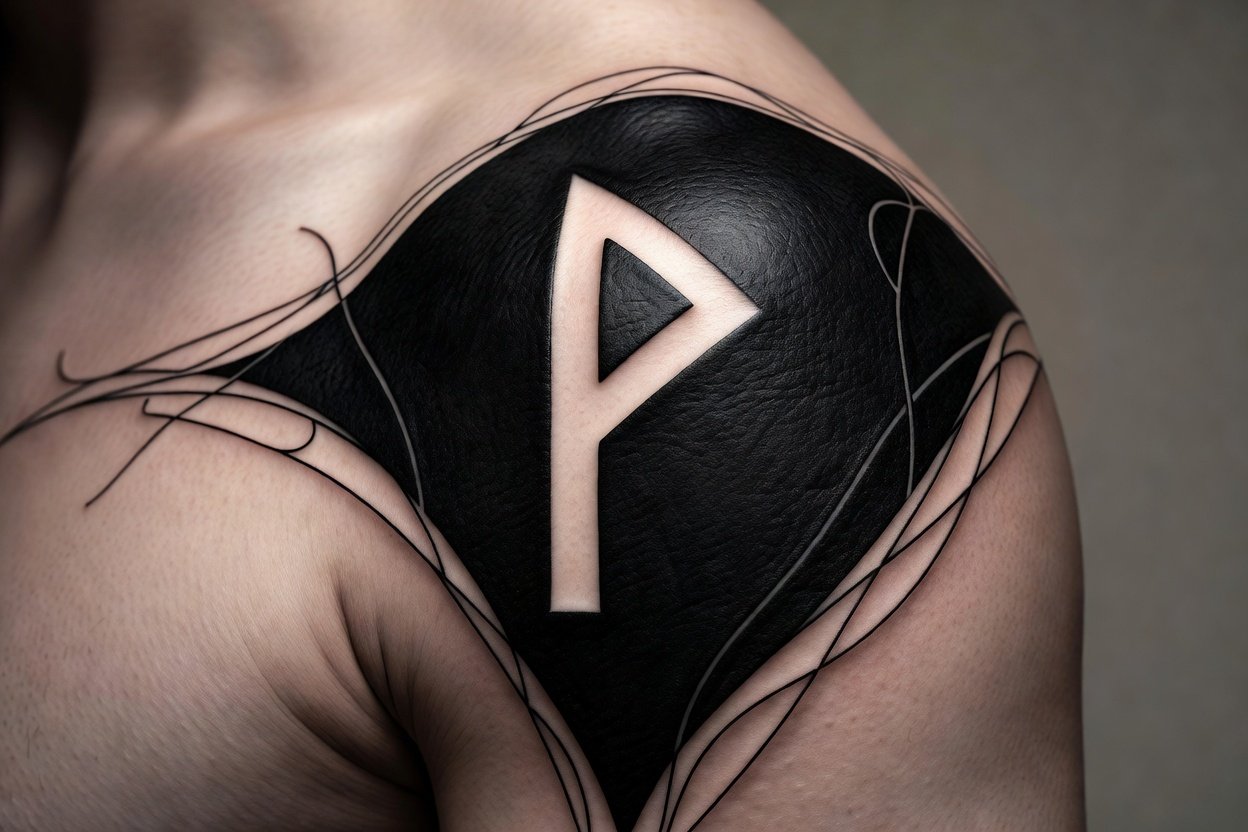
Forearms and wrists suit elongated symbols like runes, where negative space flows with natural contours and remains visible during daily activities. Ribs and sides allow larger abstract shapes, such as birds in flight formed by uninked sky against shaded clouds, ideal for private yet expansive storytelling. Shoulders provide canvas for circular designs like mandalas using negative centers, creating focal points that move with the body. Behind the ear or ankle works for tiny, intimate symbols visible only to the wearer or close companions.
Additional placements include the spine for vertical negative space figures like trees or serpents, and the chest for symmetrical abstract forms that frame the heart area symbolically. Each location demands consideration of skin elasticity, hair growth, and sun exposure to preserve the negative space clarity long-term.
Real Artist Case Studies and 2026 Trends
Artists specializing in geometric minimalism report rising demand for negative space in 2026, blending it with micro-tattoos for hidden meanings. One case involved a client requesting a negative space phoenix on the back, where flames formed from surrounding shading told a story of rebirth and resilience through carefully balanced voids. Another featured runes on the collarbone, with negative space spelling initials only noticeable at certain angles, incorporating cultural elements from Norse traditions.
A third example showcased an abstract negative space fox on the calf, using surrounding dotwork to suggest movement and environment. Trends favor hybrid styles combining negative space with light watercolor accents or precise dotwork for added dimension, keeping designs fresh, symbolic, and aligned with minimalist yet impactful body art preferences throughout the year.
Actionable Tips for Collaborating with Tattoo Artists
Start by researching portfolios focused on negative space examples to ensure stylistic fit. Bring reference images and mood boards detailing desired symbolism, but remain open to artist input on skin flow, proportion adjustments, and longevity considerations. Discuss multiple sessions for complex pieces and request stencil tests on skin before committing to ink. Communicate symbolism clearly to avoid misinterpretation during execution, and schedule follow-ups for any necessary touch-ups as the piece heals and settles.
Additional steps include preparing questions about aftercare specific to negative space preservation, such as moisturizing routines that maintain skin contrast. Review artist licensing and hygiene standards, and consider bringing a friend for support during longer sessions. These collaborative practices lead to results that fully capture the intended powerful symbolism.
FAQ: Avoiding Common Pitfalls in Negative Space Tattoos
How do I prevent overcomplicating the design? Limit elements to one primary symbol and two supporting details maximum. Test readability by viewing sketches from multiple distances and angles before finalizing.
What if the negative space doesn't show clearly after healing? Choose high-contrast skin areas and avoid prolonged sun exposure; consult your artist promptly for minor adjustments or enhancements.
Are there body areas where negative space fails? High-movement zones like elbows or knees can distort shapes over time—opt for stable, flatter areas instead for optimal results.
How can I ensure cultural accuracy in rune or animal symbols? Research origins thoroughly and discuss with the artist to incorporate authentic elements respectfully without appropriation.
What aftercare mistakes should be avoided? Skipping moisturizer or picking at scabs can blur edges; follow professional guidelines strictly for crisp negative space retention.
Mastering negative space elevates tattoos from simple decoration to profound personal art forms, aligning perfectly with evolving 2026 preferences for intentional, minimalist expression that carries deep, lasting meaning.
No comments yet. Be the first!