 Inked Mythos
Introduction to Tattoo Pain in 2026
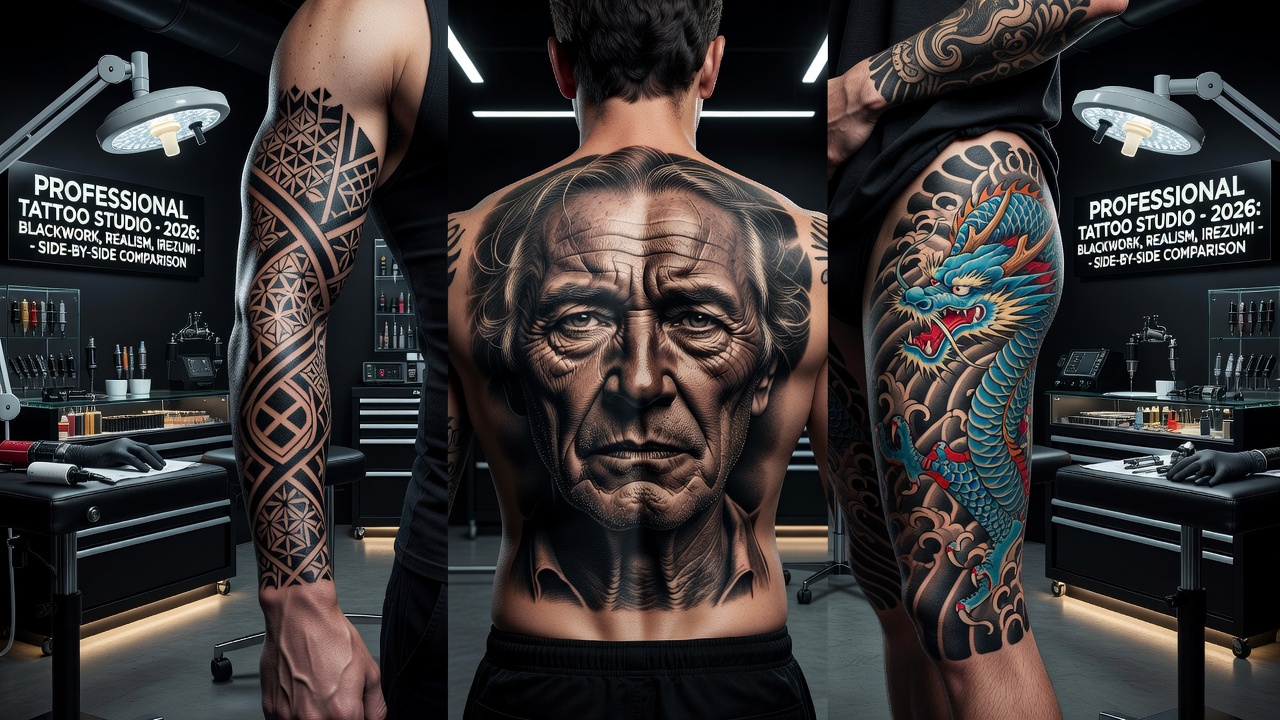
Getting a tattoo represents a meaningful personal decision, and researching discomfort levels beforehand allows for better preparation and realistic expectations. This comprehensive guide explores pain factors across blackwork, realism, and irezumi styles, examining influences such as needle depth, session length, body placement sensitivity, and style-specific techniques. Clients in 2026 benefit from understanding these variables to make informed choices that align with their tolerance and lifestyle. Tattoo pain is highly individual, yet patterns emerge based on artistic methods and anatomical considerations. By breaking down each style with practical examples and advice, this article supports a smoother tattoo experience from consultation to healing.
Many prospective clients search for comparisons because pain remains one of the biggest concerns before booking an appointment. Factors like hydration, rest, and mental preparation interact with the physical elements of tattooing, creating a holistic picture of what to anticipate during and after the process.
Key Factors Influencing Tattoo Pain
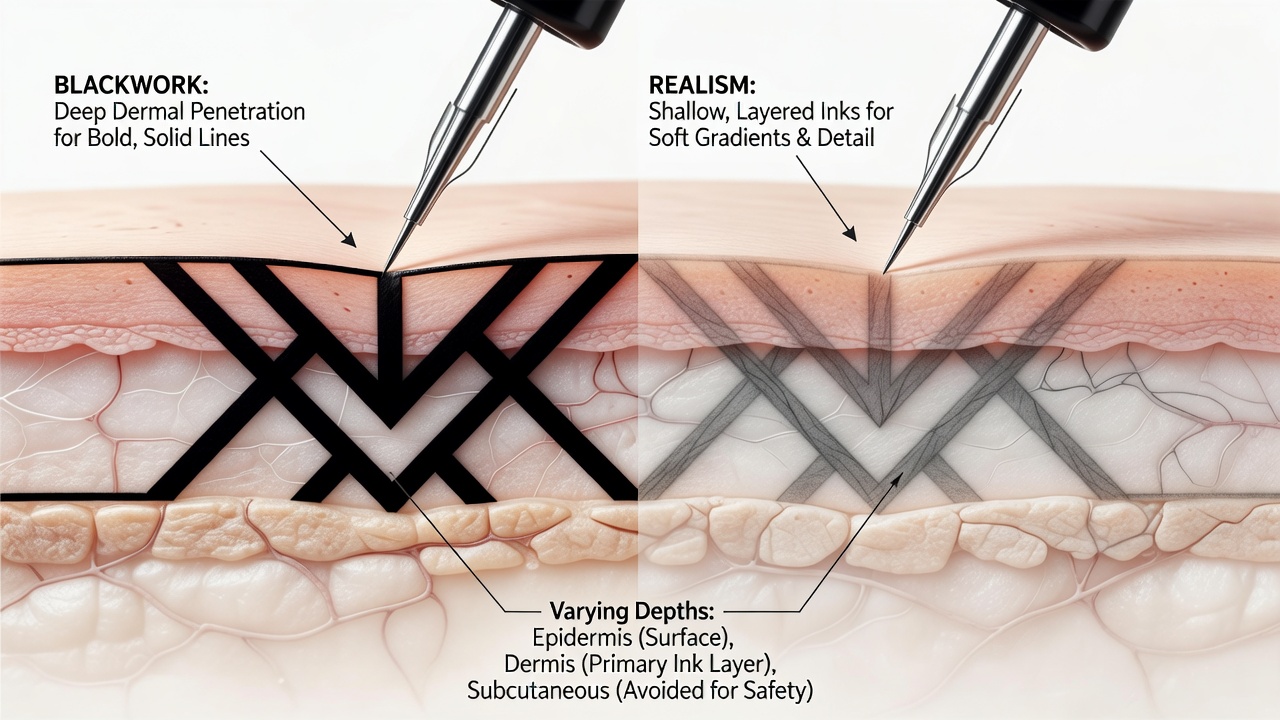
Several core elements determine the level of sensation experienced during a tattoo session. Needle depth plays a pivotal role, as deeper penetration for solid color saturation can produce a throbbing or burning feeling, while shallower applications focus more on surface irritation. Session length directly impacts cumulative fatigue, with appointments exceeding three hours often intensifying discomfort through prolonged muscle tension and nerve overstimulation. Body placement sensitivity varies dramatically; areas with thin skin, high nerve density, or close proximity to bone tend to register higher pain scores across all styles.
Additional considerations include artist technique, machine settings, and client health status. Real-world examples demonstrate that a simple outline on the forearm may feel like mild scratching, whereas dense shading on the ribs can evoke intense pressure. Understanding these variables helps clients select styles and placements that match their comfort threshold.
Blackwork Tattoo Pain Analysis
Blackwork tattoos emphasize bold lines, solid fills, and geometric patterns using larger needle groupings for rapid coverage. This approach often requires consistent needle depth to achieve even saturation, resulting in a deep, vibrating sensation that many describe as rhythmic but relentless. Sessions frequently extend three to six hours for larger pieces, which increases overall discomfort through repetitive motion and skin trauma. Artists employ techniques such as whip shading and packing to distribute ink efficiently, yet these methods still demand steady pressure that can lead to a dull ache persisting beyond the session.
Client examples highlight placement differences: blackwork on the outer thigh typically registers as moderate discomfort due to thicker tissue, while chest or sternum placements amplify intensity because of bone proximity and thinner skin layers. The style's focus on negative space and heavy contrast means multiple passes over the same area, compounding the sensation. Clients with prior experience note that blackwork pain feels more like sustained pressure than sharp pricks, making it manageable with proper breaks.
Realism Tattoo Pain Analysis
Realism tattoos prioritize photorealistic detail through fine needles, layered shading, and precise gradients. Needle depth remains relatively controlled to preserve skin integrity during intricate work, yet multiple passes over small sections extend session times significantly, often reaching four to eight hours for portraits or complex scenes. The resulting sensation tends toward sharp scratching or stinging rather than deep vibration, with frequent pauses for artist adjustments providing momentary relief but prolonging total exposure.
Practical examples show that realism pieces on the calf feel comparatively tolerable due to muscle cushioning, whereas inner arm or wrist placements heighten sensitivity because of higher nerve concentration. Techniques like dotwork for texture and smooth blending require steady hand control, which can fatigue both artist and client. Those who have completed realism tattoos often report that the pain builds gradually, peaking during highlight and shadow work, but remains distinct from the heavier saturation of other styles.
Irezumi Tattoo Pain Analysis
Irezumi draws from traditional Japanese aesthetics with bold outlines, flowing motifs, and vibrant color packing achieved through either machine or tebori hand-poking methods. Needle depth varies more than in other styles, creating a rhythmic, pokey sensation that some find meditative while others experience it as intense and staccato. Sessions commonly last four to seven hours due to the complexity of patterns and the need for precise color layering, which distributes pain across wider areas but demands high endurance.
Real-world client reports indicate that full-back irezumi pieces can prove surprisingly tolerable when the artist maintains consistent pacing, while elbow, knee, or ankle placements intensify discomfort through constant movement and thinner skin coverage. Hand-poking techniques allow natural breaks between taps, reducing cumulative trauma compared to continuous machine operation. The emphasis on negative space and organic flow influences how sensation spreads, often making irezumi feel less localized than dense blackwork fills.
Body Placement Sensitivity Across Styles
Body placement dramatically modulates pain regardless of artistic style. High-sensitivity zones include the ribs, spine, feet, and inner thighs, where thin skin and nerve clusters heighten every needle pass. Moderate areas such as the shoulders, upper arms, and outer calves provide better cushioning and generally lower discomfort. Low-sensitivity locations like the outer thigh or upper back allow for longer sessions with reduced intensity.
Matching style to placement optimizes results. For instance, placing detailed realism on the calf minimizes issues, while reserving blackwork for less sensitive zones prevents unnecessary strain. Clients should discuss anatomical factors during consultations to align design ambitions with physical realities.
Practical Tips for Client Tolerance
Effective preparation enhances comfort throughout the tattoo process. Key strategies include arriving well-hydrated and rested, maintaining open communication with the artist about pain thresholds, and practicing controlled breathing to manage peak moments. Breaking large designs into multiple shorter sittings prevents excessive fatigue. Reviewing personal pain history from medical procedures or previous tattoos offers valuable insight. Additional steps involve eating a balanced meal beforehand and avoiding alcohol or caffeine that could heighten sensitivity.
- Stay hydrated and well-rested before sessions.
- Communicate openly with your artist about discomfort thresholds.
- Practice breathing techniques to manage peaks of pain.
- Break large designs into shorter sittings when possible.
- Consider personal pain history from past procedures.
- Use approved topical products only after confirming with your artist.
Numbing Options and Aftercare to Reduce Irritation
Topical numbing creams applied thirty to sixty minutes prior to the session can effectively dull initial sensations when used according to professional guidance. Post-procedure care focuses on gentle cleaning, fragrance-free moisturizers, and avoiding irritants to support optimal healing. Recommendations from Mayo Clinic stress consistent aftercare routines, while the American Academy of Dermatology highlights the importance of sun protection and loose clothing during recovery. Further safety information is available from FDA resources on tattoo practices. Monitoring for signs of irritation and following artist instructions minimizes complications and preserves tattoo vibrancy.
Common Mistakes to Avoid
Many clients underestimate the cumulative effect of long sessions or neglect hydration, leading to heightened discomfort. Choosing overly ambitious designs without considering placement sensitivity often results in unnecessary pain. Ignoring aftercare protocols can prolong irritation and affect healing quality. Always verify artist experience with the chosen style and avoid rushing decisions based solely on aesthetics.
Frequently Asked Questions
How long do sessions typically last for each style?
Blackwork and irezumi often require three to six hour blocks, while realism may extend further for layered detail work, sometimes spanning multiple appointments.
Can numbing completely eliminate pain?
Numbing creams reduce initial intensity but do not remove all sensation, particularly during later stages of longer sessions.
Which style hurts the least overall?
Results vary by individual, but many find realism less intense on fleshy areas due to varied needle techniques and frequent pauses.
What should I do if pain becomes overwhelming?
Signal your artist immediately for breaks, repositioning, or adjustments. Most professionals accommodate client needs to ensure a positive outcome.
How does aftercare affect ongoing discomfort?
Proper aftercare reduces swelling and irritation, shortening the sensitive healing period and preserving the tattoo's appearance.
Conclusion
Understanding the nuanced pain differences between blackwork, realism, and irezumi empowers clients to approach 2026 tattoo projects with confidence. Through careful planning, style selection, and adherence to aftercare guidelines, any chosen design becomes achievable with minimal complications. Consulting experienced artists ensures personalized recommendations that balance artistic vision with physical comfort.
No comments yet. Be the first!