 Inked Mythos
Introduction: Clearing Up Tattoo Style Confusion in 2026
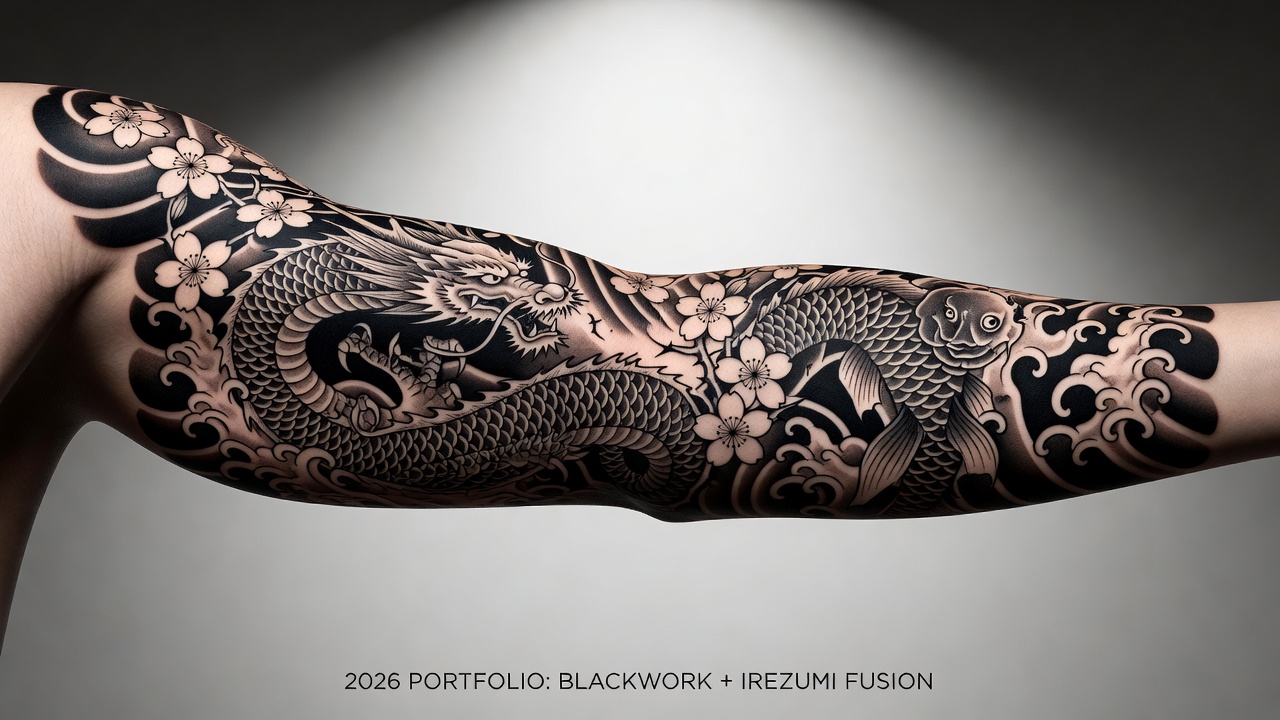
Blackwork, realism, and irezumi remain among the most sought-after tattoo styles, yet misconceptions persist across online forums and client consultations. This comprehensive guide separates fact from fiction using insights from contemporary portfolios, artist interviews, and healing documentation. Readers searching for clarity on these body art styles will find practical comparisons, real-world examples from recent work, and detailed answers to frequent questions that influence final decisions. Understanding the nuances helps enthusiasts avoid common pitfalls and achieve results that stand the test of time.
Myth 1: Blackwork Tattoos Are Always Extremely Painful
Many assume blackwork's solid shading and bold lines cause unbearable discomfort throughout every session. In reality, pain varies significantly by placement, needle technique, individual tolerance, and even the artist's approach to layering. Artists in 2026 portfolios demonstrate that sessions on fleshy areas like the thigh or upper arm often feel moderate, while bony spots such as ribs or ankles intensify sensation. Side-by-side healing photos reveal that proper aftercare reduces swelling faster than expected, allowing clients to complete large pieces without extended recovery breaks between sittings.
Evidence from Recent Work and Comparisons
Portfolios from established studios show clients returning for multi-session pieces without extended breaks. A realistic comparison highlights that blackwork often completes in fewer sittings than color realism due to its monochromatic focus and efficient coverage techniques. Experienced artists note that modern numbing creams and strategic session planning further mitigate discomfort, making the process far more manageable than popular myths suggest.
Myth 2: Realism Tattoos Lack Longevity Compared to Other Styles
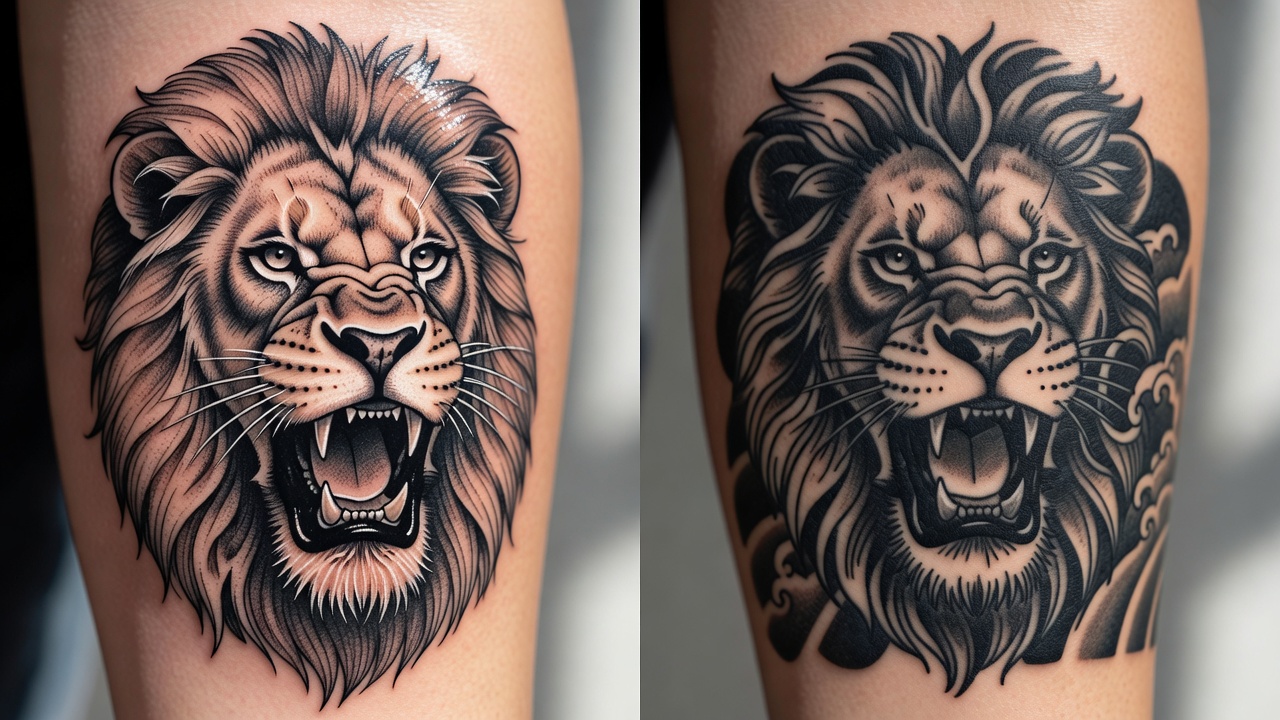
Critics claim fine details in realism fade quickly under everyday conditions. Professional artists counter this with examples of tattoos aged five to ten years that retain crisp gradients when protected from sun exposure and maintained with quality skincare. Black ink realism holds especially well on skin types that respond positively to dense saturation, while color variants may require occasional touch-ups. Comparative images in artist archives illustrate how realism on the forearm maintains definition longer than expected when clients follow sunscreen routines promoted by dermatology guidelines.
Longevity also depends on factors like skin type, lifestyle, and placement. For instance, inner arm pieces may experience more friction than outer calf placements, yet both can age gracefully with consistent care routines documented in follow-up portfolio shots.
Myth 3: Irezumi Represents Cultural Appropriation for Non-Japanese Clients
Concerns about irezumi often center on heritage and respectful representation. Traditional Japanese irezumi carries deep symbolic meaning rooted in centuries of history, including motifs tied to folklore and social status. Respectful adoption involves understanding these elements rather than superficial copying. Irezumi traditions emphasize craftsmanship that modern artists adapt ethically across diverse client backgrounds.
Practical Steps for Respectful Choices
- Research symbolic meanings thoroughly before committing to any design elements.
- Collaborate with artists trained in Japanese techniques who can guide authentic adaptations.
- Opt for custom designs that honor rather than replicate sacred or historical elements without context.
- Consider hybrid approaches that blend irezumi with personal narratives for meaningful results.
2026 portfolios feature hybrid irezumi-realism pieces that blend styles thoughtfully, demonstrating cultural appreciation over appropriation when clients engage deeply with the process.
Myth 4: These Styles Are Prohibitively Expensive
Cost perceptions deter many potential clients from pursuing their vision. While intricate work requires investment reflecting time, skill, and materials, pricing structures vary widely by artist experience and project scope. Side-by-side quotes from multiple studios reveal competitive options for blackwork versus realism sessions, with value derived from the durability and artistic quality delivered.
Aftercare Best Practices for All Three Styles
Proper aftercare forms the foundation of successful outcomes across blackwork, realism, and irezumi. General recommendations include keeping the area clean, applying recommended ointments, and avoiding sun exposure during initial healing. Dermatology resources stress the importance of hydration and monitoring for irritation. Clients who document their routines in portfolio updates often report superior color retention and line clarity years later.
Side-by-Side Style Comparisons
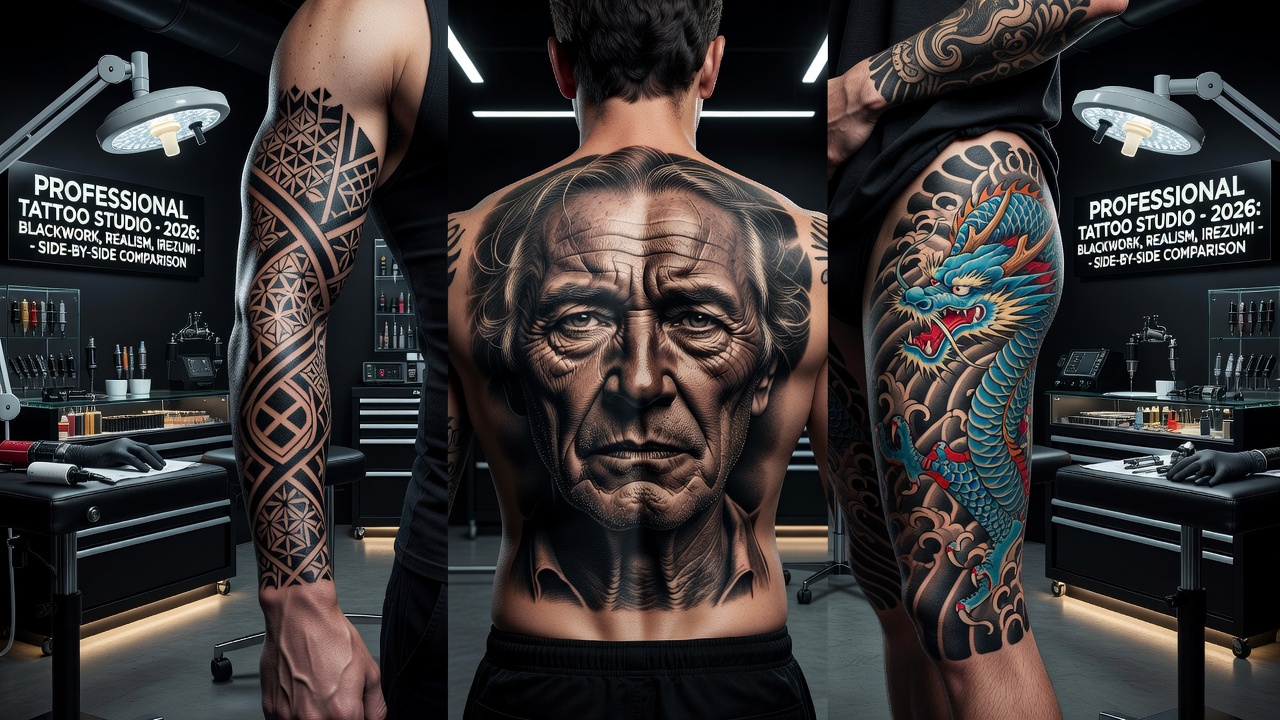
Blackwork excels in bold coverage for large areas and creates dramatic negative space effects. Realism captures photographic detail ideal for portraits, pets, or landscapes. Irezumi offers flowing narratives suited to sleeves, backs, and full-body suits. Artists increasingly combine elements, such as blackwork backgrounds enhancing realistic subjects within irezumi frameworks, producing versatile results visible in current studio showcases.
Real-World Examples from 2026 Portfolios
One notable sleeve merges blackwork shading with irezumi waves and subtle realism accents on a client's calf, completed over four sessions. Another forearm piece demonstrates realism fading minimally after two years when maintained properly with daily SPF application. A back panel example shows a full irezumi dragon integrated with blackwork shading for depth, photographed at multiple healing stages to highlight progression. These examples underscore informed decision-making over myth-driven hesitation and provide visual references for prospective clients.
FAQ: Common Client Questions Answered
How long do these tattoos typically take to heal?
Initial healing spans two to four weeks, with full settling up to three months depending on size, placement, and individual skin response. Follow-up visits help artists assess and refine as needed.
Can I combine blackwork with realism in one piece?
Yes, many contemporary artists successfully merge the styles for unique results visible in current portfolios, creating layered depth and contrast.
What aftercare prevents fading in irezumi pieces?
Consistent moisturizing and UV protection maintain vibrancy, as shown in long-term follow-up photos from multiple studios.
Are there specific skin types better suited to these styles?
Most skin types accommodate the styles well, though oily or sensitive skin may require adjusted techniques discussed during consultations.
How do I choose an artist experienced in all three?
Review portfolios for versatility, read client testimonials, and schedule consultations to discuss style integration and personal vision.
Conclusion: Making Informed Tattoo Decisions
Understanding the realities behind blackwork, realism, and irezumi empowers better choices in 2026 and beyond. Consult experienced artists, review extensive portfolios, and prioritize personal meaning throughout the process. This approach transforms tattoo selection from guesswork into a confident, lasting decision that aligns with both artistic integrity and individual expression.
No comments yet. Be the first!