 Inked Mythos
Introduction to Narrative in Tattoo Art
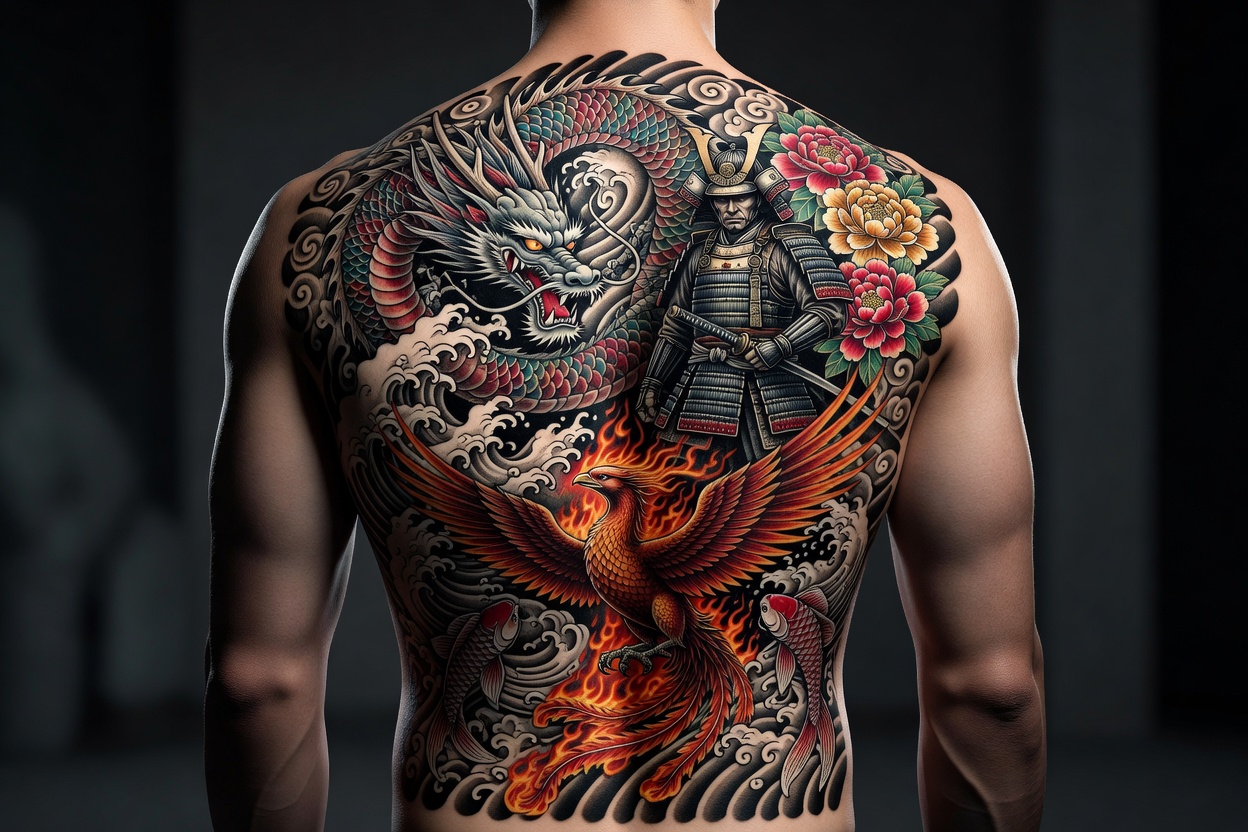
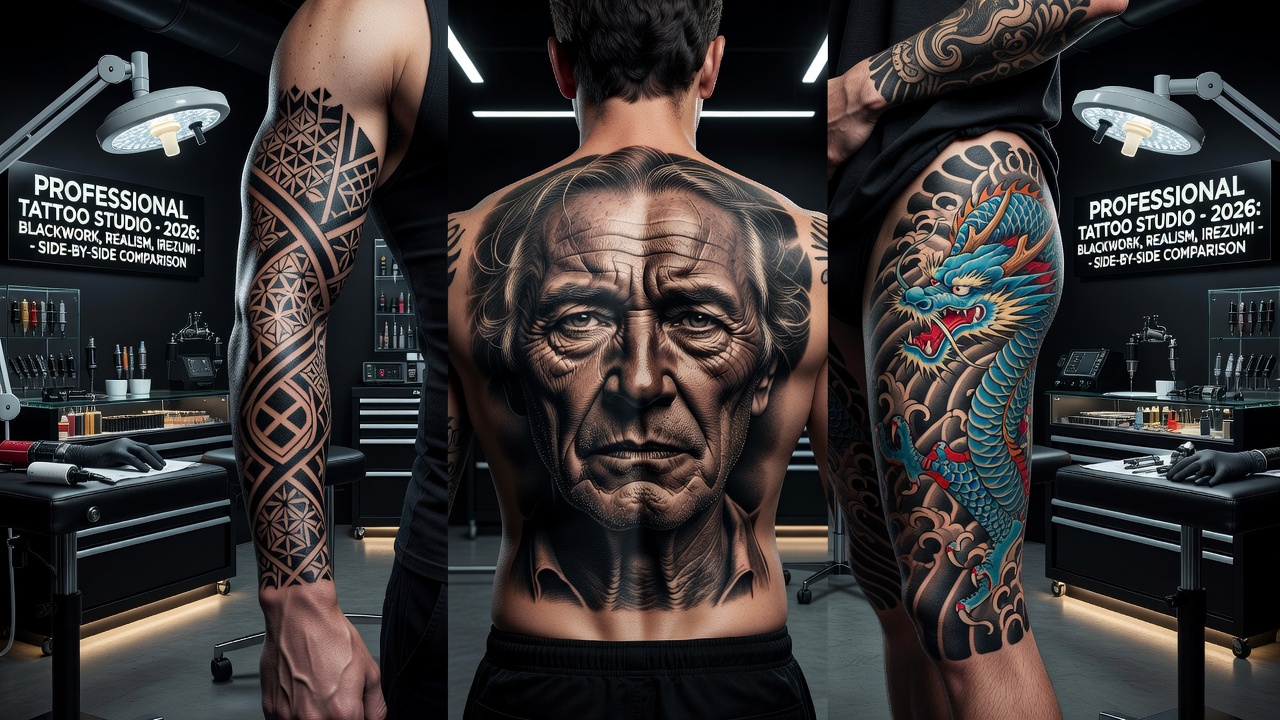
Tattoos have long served as vessels for personal stories, transforming skin into living canvases that reflect experiences, beliefs, and identities. Among contemporary styles, blackwork, realism, and irezumi stand out for their distinct approaches to embedding narrative depth. Blackwork relies on bold geometric patterns and negative space to evoke cultural or emotional arcs, while realism captures hyper-detailed scenes that unfold like cinematic frames. Irezumi draws from Japanese traditions, layering symbolic motifs such as dragons and waves to represent life's journeys. This article delves into these narrative techniques, offering comparisons, examples, and guidance for clients seeking tattoos that endure as meaningful expressions of self. Understanding how each style communicates story helps individuals select designs that resonate on multiple levels, from immediate visual impact to deeper symbolic interpretation over years of wear.
Core Narrative Techniques in Each Style
Blackwork: Patterns as Symbolic Language
Blackwork tattoos use solid black ink and intricate linework to create visual stories through repetition and contrast. Artists employ motifs like mandalas or tribal elements to symbolize cycles of growth or protection. The narrative unfolds through the viewer's eye movement across dense sections and open spaces, mirroring internal conflicts or resolutions. For instance, a sleeve featuring interconnected geometric shapes might represent a personal evolution from chaos to harmony, with each repeated pattern building tension before resolving into balanced forms. Additional techniques include dotwork gradients that suggest depth and time progression, allowing abstract concepts like memory or loss to emerge gradually as the skin heals and settles.
Realism: Hyper-Detailed Scenes as Visual Stories
Realism excels at rendering photorealistic imagery that tells sequential tales. Artists layer textures, lighting, and expressions to depict pivotal moments, such as a portrait of a loved one intertwined with symbolic objects like clocks or maps. This style's strength lies in its ability to freeze time, allowing viewers to interpret backstory from minute details like weathered skin or atmospheric elements. Shading variations can imply emotional states, turning a single image into a multifaceted narrative that invites repeated examination from different angles and lighting conditions throughout the day.
Irezumi: Traditional Motifs and Cultural Symbolism
Irezumi integrates centuries-old Japanese iconography where every element carries layered meaning. A koi fish swimming upstream narrates perseverance, while cherry blossoms signify fleeting beauty. These motifs combine into full-body suits that chronicle epic personal sagas, with placement on the body dictating the story's progression from shoulders to legs. Background elements such as wind bars or water flows connect individual symbols into cohesive chapters, creating a flowing epic that evolves with the wearer's movements and life stages.
The Metropolitan Museum of Art highlights how irezumi motifs evolved from Edo-period storytelling traditions into modern body art.
Real-World Examples of Story-Driven Tattoos
Consider a client who commissioned a blackwork back piece depicting a labyrinth representing mental health struggles, with a central phoenix emerging as a symbol of recovery. The design incorporated subtle negative space that formed hidden words visible only at certain distances, adding a layer of private meaning. In realism, a forearm tattoo showing a family tree with roots morphing into historical figures tells a multi-generational tale, complete with seasonal changes in foliage to mark key life transitions. Irezumi examples often include full sleeves where a tiger battles waves, illustrating resilience against life's storms, augmented by background clouds that shift the mood from conflict to triumph. These designs prioritize emotional resonance over aesthetics alone, ensuring the tattoo remains a dynamic narrative that clients can revisit and reinterpret as their lives progress. 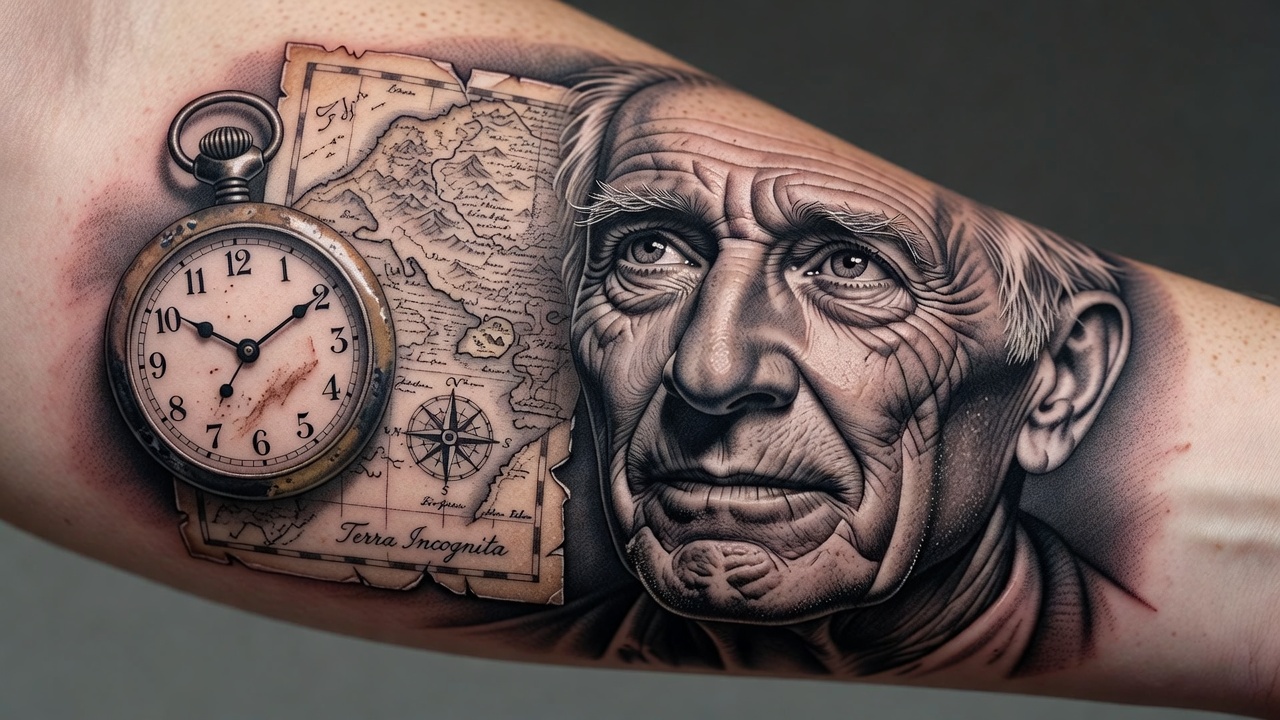
Comparing Visual Pacing Across Styles
Visual pacing determines how a tattoo's story reveals itself over time. Blackwork offers immediate impact through bold contrasts but rewards closer inspection with hidden patterns. Realism builds suspense through photorealistic depth, encouraging prolonged viewing akin to studying a painting. Irezumi uses flowing compositions that guide the eye in a deliberate path, often requiring body movement to fully experience the tale. Clients comparing styles should consider how movement and lighting alter the narrative flow on skin, as well as how each approach interacts with body contours to enhance or obscure parts of the story depending on posture and clothing choices.
- Blackwork pacing: Static yet meditative, ideal for abstract life summaries that unfold through layered geometry.
- Realism pacing: Dynamic and sequential, suited for event-based stories that reward detailed observation of textures and expressions.
- Irezumi pacing: Epic and cumulative, perfect for cultural or mythical arcs where elements interact across large body areas.
Practical Steps for Developing Personal Narratives
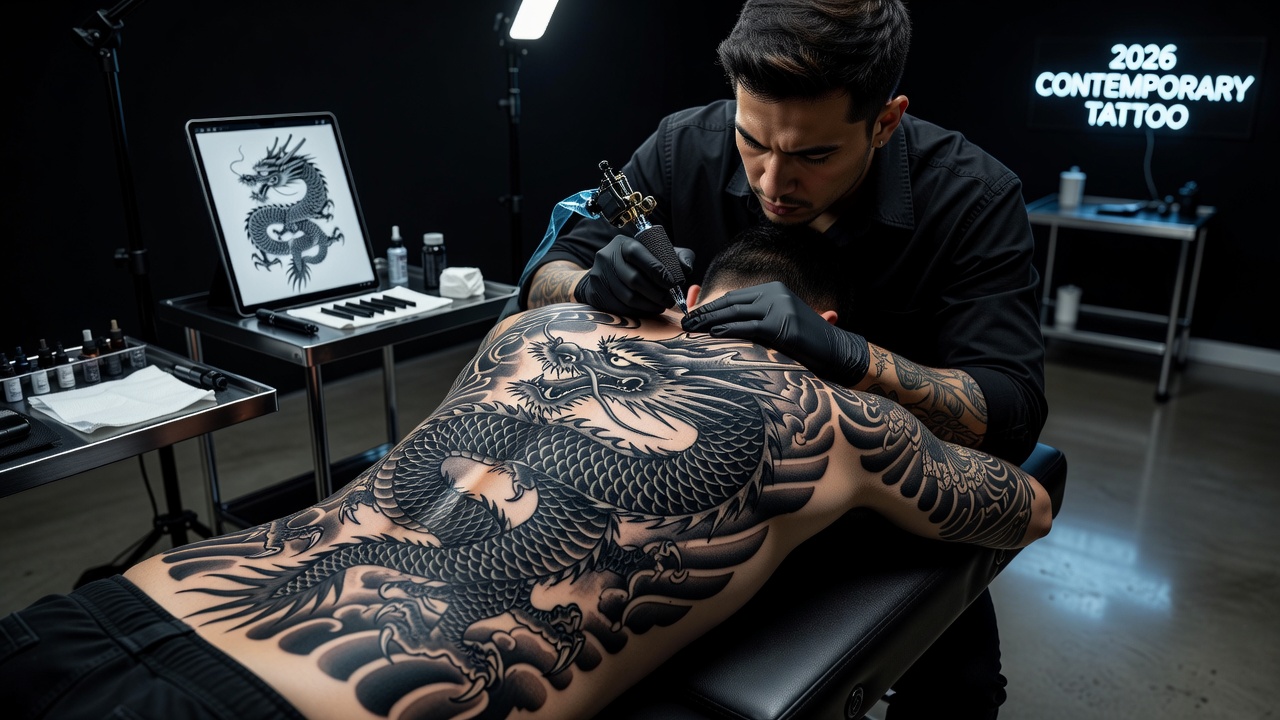
To create a story-driven tattoo, begin by journaling key life events and identifying core symbols that best capture emotional arcs. Next, research artists whose portfolios demonstrate expertise in your preferred style, reviewing their previous narrative works for consistency in pacing and symbolism. Collaborate on initial sketches that map how elements will interact across body contours, testing multiple layouts to ensure logical story progression. Incorporate feedback sessions where temporary stencils help visualize scale and flow in real lighting. Refine the design iteratively, balancing personal details with artistic interpretation to maintain authenticity. Finally, schedule the session with a clear timeline that allows for breaks if the piece spans multiple sittings, ensuring the narrative integrity stays intact from start to finish. This methodical approach prevents common pitfalls like overcrowding and supports tattoos that feel deeply personal for decades.
Cultural Considerations When Blending Styles
While mixing elements from blackwork, realism, and irezumi can produce powerful hybrid narratives, respect for origins remains essential. Research the historical context of any borrowed motifs to avoid misrepresentation, particularly with irezumi's ties to Japanese folklore. Discuss cultural significance openly with your artist and consider consulting community resources for accurate interpretations. This sensitivity enhances the story's depth rather than diluting it, resulting in tattoos that honor both personal experience and broader traditions.
Britannica provides insights into traditional tattoo symbolism that supports enduring narratives across cultures.
FAQs on Preserving Story Integrity Over Time
How can tattoos maintain narrative clarity as skin ages?
Choose bold lines and high-contrast elements in blackwork or irezumi to resist fading. Realism benefits from artists skilled in skin-texture simulation that accounts for natural changes, such as incorporating slight exaggerations in detail that remain legible as elasticity decreases.
What factors affect long-term story readability?
Sun exposure, weight fluctuations, and ink quality play roles. Regular touch-ups every few years help sustain details, while selecting timeless motifs over trends preserves meaning regardless of shifting fashions.
Can narrative tattoos be updated or expanded later?
Yes, many clients add chapters to existing designs by extending motifs into adjacent areas, provided initial placement leaves room for logical continuation without disrupting the original flow.
Is there a preferred body placement for complex stories?
Larger areas like the back or thighs suit epic narratives, while smaller zones like wrists work best for concise, symbolic tales that remain visible daily.
Smithsonian Magazine explores how body art evolves with personal and cultural histories over generations.
Conclusion
Narrative elements elevate blackwork, realism, and irezumi beyond decoration into profound personal artifacts. By understanding each style's unique storytelling tools, clients can commission tattoos that resonate across lifetimes. Whether through symbolic geometry, vivid scenes, or cultural icons, these designs invite ongoing reflection and connection, turning skin into a permanent record of individual journeys.
No comments yet. Be the first!